
Uganda Photography Inspiration
Three Experiences That Define Uganda in Pictures
Uganda rewards photographers with remarkably different environments within one journey, from dense rainforest to open savannah and peaceful highland lakes.
Uganda Through the Lens
Why Is Uganda So Instagrammable?
Uganda is one of East Africa’s most visually varied destinations. A single safari can move from rainforest filled with mountain gorillas to open savannah where elephants cross beneath wide skies, then continue into terraced highlands, volcanic landscapes and peaceful lakes. This diversity means travelers do not need to follow the same photography style throughout their journey.
Many of the most Instagrammable places in Uganda are also among the country’s strongest safari destinations. The forest landscapes of Bwindi Impenetrable National Park, the wildlife and crater scenery of Queen Elizabeth National Park and the powerful Nile landscapes of Murchison Falls National Park provide very different photographic opportunities.
Beyond the national parks, travelers can photograph Lake Bunyonyi’s islands, the waterfalls and farmland around Sipi, volcanic crater lakes near Fort Portal and the River Nile in Jinja. Travelers wanting to explore several of these landscapes can start with Tavira’s wider collection of Uganda safari itineraries.
The strongest photography safari should not be built around collecting photographs as quickly as possible. Allowing enough time in each destination gives travelers a better chance to experience changing light, wildlife behaviour, mist, clouds and sunsets while still enjoying the journey itself.
At a Glance
Most Instagrammable Places in Uganda: Quick Guide
The best location depends on whether you want wildlife, landscapes, waterfalls, mountains, lakes or classic Uganda travel photographs.
| Place | Best Photography | Signature Image | Best For |
|---|---|---|---|
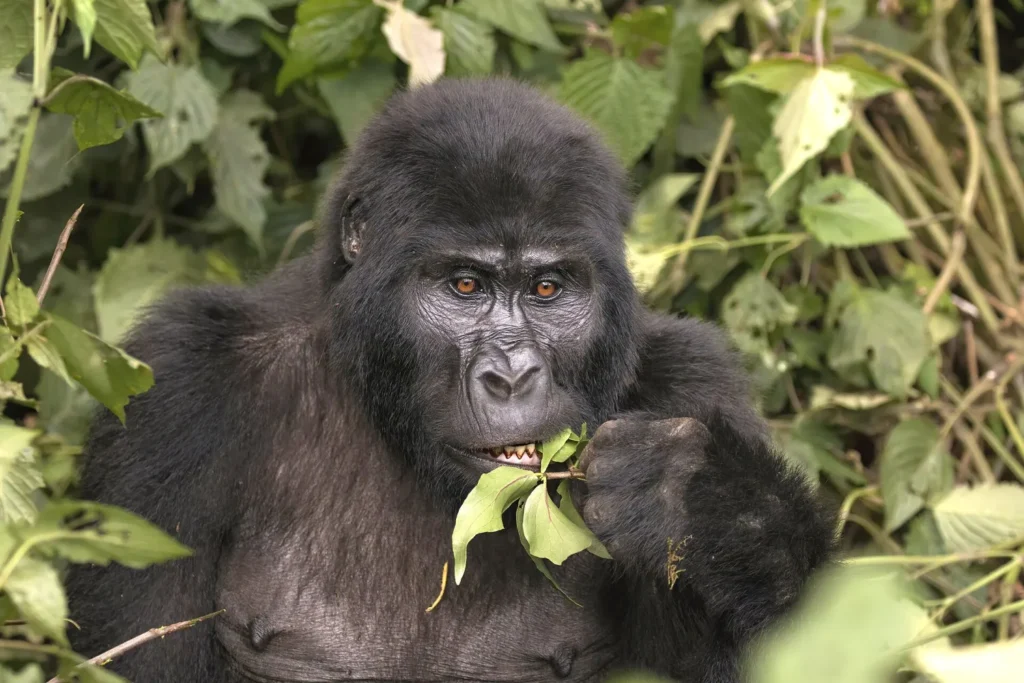
| Bwindi | Wildlife & rainforest | Mountain gorilla surrounded by dense forest | Wildlife photographers |
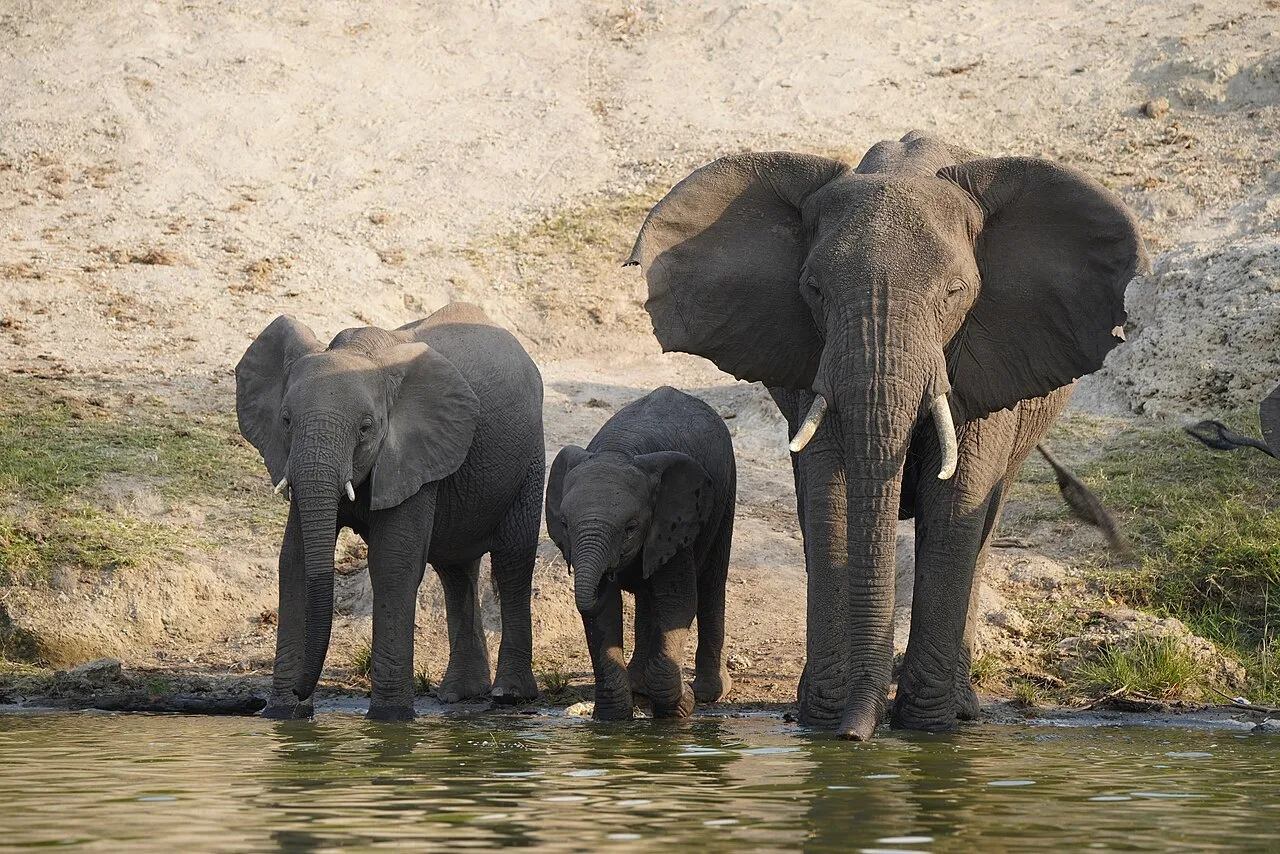
| Queen Elizabeth | Savannah & wildlife | Elephants against open Rift Valley scenery | Classic safari photography |
| Murchison Falls | Waterfalls & wildlife | Powerful Nile water rushing through the gorge | Landscape and wildlife photographers |
| Lake Bunyonyi | Lake & highland landscapes | Island-dotted lake surrounded by terraced hills | Couples and landscape lovers |
| Sipi Falls | Waterfalls & hiking | Waterfall plunging from Mount Elgon cliffs | Adventure travelers |
| Rwenzori Mountains | Mountain photography | Dramatic peaks and unusual alpine vegetation | Hikers and mountain photographers |
| Fort Portal | Crater lakes & countryside | Volcanic lakes framed by green hills | Landscape photography |
| Jinja | River & adventure | Nile sunsets and whitewater adventure | Adventure and lifestyle photography |
| Kidepo Valley | Remote wilderness | Wide savannah backed by mountains | Experienced safari photographers |
| Uganda Equator | Travel landmark | Classic photograph at the equator crossing | First-time Uganda visitors |
Photography Highlights
What Makes Uganda Such a Strong Photography Destination?
Uganda offers much more than one iconic photograph. Its strongest advantage is the variety of photography experiences that can be combined within one journey.
01 · Great Ape Photography
Mountain Gorillas
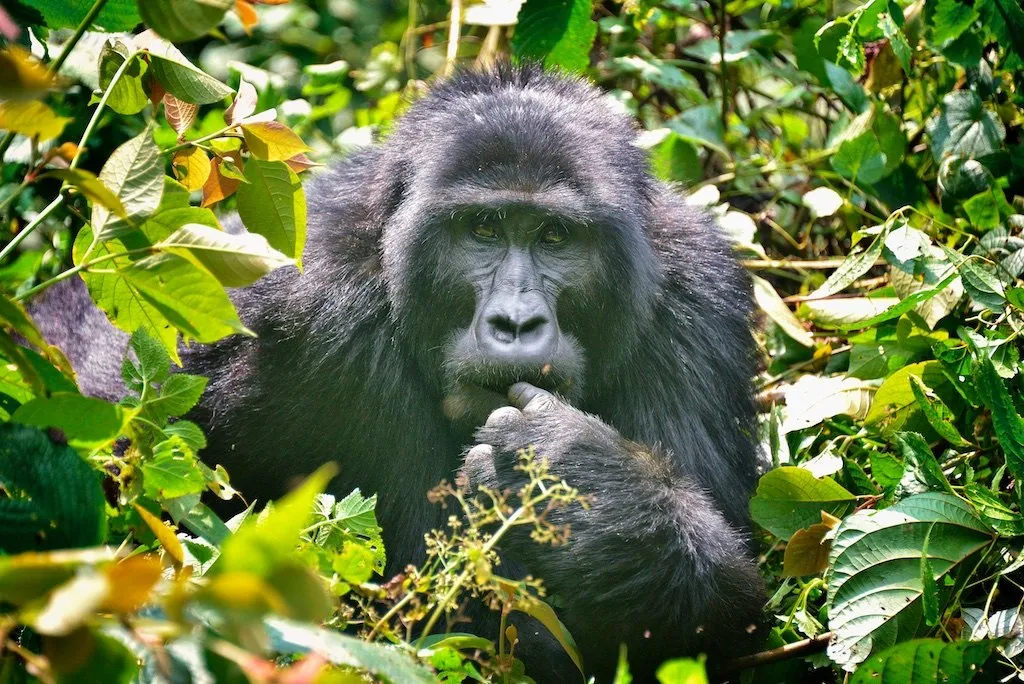
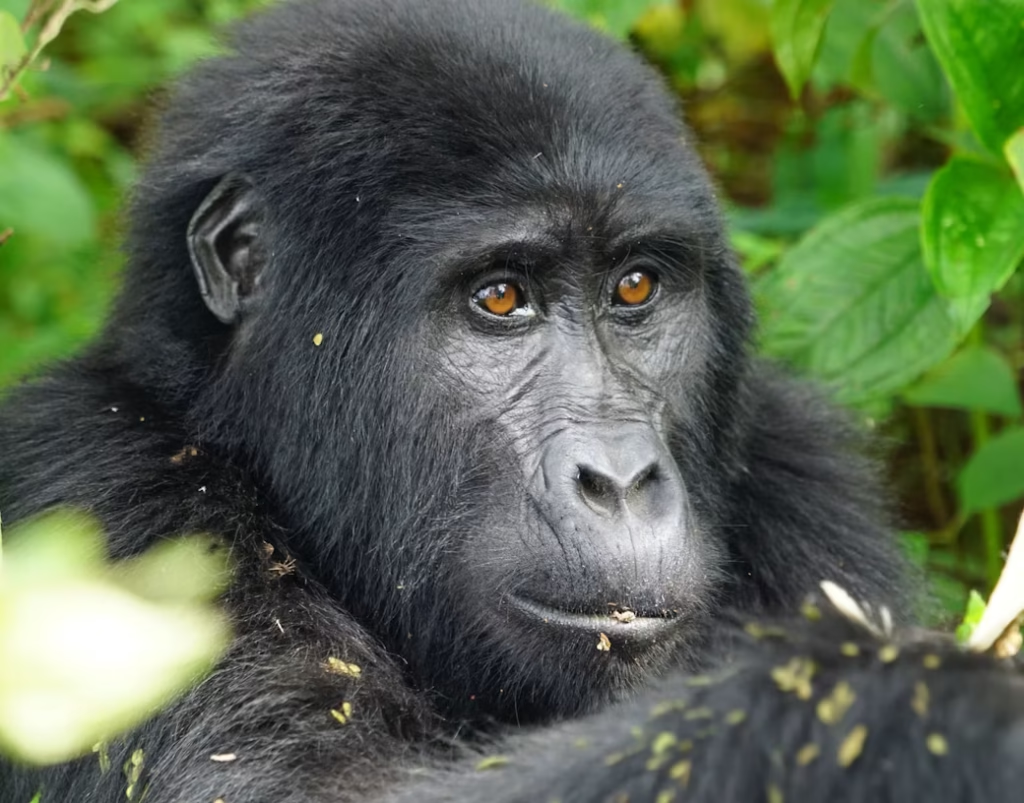
Mountain gorillas provide one of Uganda’s most powerful wildlife photography experiences. The surrounding rainforest adds atmosphere, texture and scale to close wildlife portraits.
02 · Safari Photography
Savannah Wildlife
Game drives can produce photographs of elephants, giraffes, buffaloes, antelopes and predators against Uganda’s savannah and mountain-backed landscapes.
03 · Scenic Landscapes
Lakes and Highlands
Lake Bunyonyi, western Uganda’s crater lakes and the Rift Valley provide layered scenery that works particularly well during softer morning and evening light.
04 · Water Photography
Waterfalls and Rivers
Murchison Falls, Sipi Falls and the River Nile create opportunities for dramatic water photography, mist, reflections and action images.
05 · Mountain Photography
Rwenzori Landscapes
The Rwenzori Mountains introduce dramatic peaks, valleys, clouds and high-altitude vegetation unlike anything found in Uganda’s lower savannah parks.
06 · Human Stories
Respectful Cultural Photography
Markets, craft-making, food preparation and cultural activities can add human stories to a photography journey when visitors ask permission and respect personal privacy.
Choose Your Photography Journey
How Many Days Do You Need to Photograph Uganda?
Short trips should concentrate on one region. Travelers who want rainforest, wildlife and landscapes within the same journey should allow approximately a week or more.
| Duration | Suggested Route | Photography Focus | Best For |
|---|---|---|---|
| 3–4 Days | Entebbe → Bwindi or Jinja | One major photography experience | Short holidays |
| 5–7 Days | Kibale → Queen Elizabeth → Bwindi | Primates, wildlife and rainforest landscapes | First-time visitors |
| 8–10 Days | Kibale → Queen Elizabeth → Bwindi → Lake Bunyonyi | Wildlife, gorillas, crater landscapes and lake photography | Strong all-round photography safari |
| 12–14 Days | Murchison → Kibale → Queen Elizabeth → Bwindi → Lake Bunyonyi | Broader variety of wildlife, waterfalls and landscapes | Dedicated photographers |
| 15–21 Days | Extended Uganda including eastern or northern destinations | Sipi, Jinja, Kidepo and major western Uganda highlights | Comprehensive photography journeys |
Plan Around the Best Locations
Build Your Uganda Safari Around the Places You Want to Photograph
Tell Tavira whether your priority is gorillas, wildlife, landscapes, waterfalls, birds or scenic lodges. The safari route can then be designed around suitable destinations and realistic travel times.
Recommended Photography Route
Recommended 10-Day Instagrammable Uganda Safari
For first-time visitors, western and southwestern Uganda offer one of the strongest combinations of primates, savannah wildlife, crater landscapes and scenic highlands without requiring excessive cross-country travel.
The suggested itinerary can be adjusted according to gorilla and chimpanzee permit availability, accommodation preferences and whether photography or general safari experiences should receive more time.
Day 1
Arrival in Entebbe
Arrive at Entebbe International Airport and meet your Tavira representative for the transfer to your selected accommodation. Keeping the first day relaxed allows time to prepare camera equipment and recover from international travel.
Overnight: Entebbe.
Day 2
Entebbe to Fort Portal and Kibale
Travel west through Uganda’s changing countryside toward the Fort Portal and Kibale region. Agricultural landscapes, highlands and roadside scenery introduce the first opportunities to photograph western Uganda.
Arrive at your selected forest-area lodge and enjoy the surrounding landscape before preparing for the following day’s primate experience.
Day 3
Chimpanzee Trekking and Crater Lake Scenery
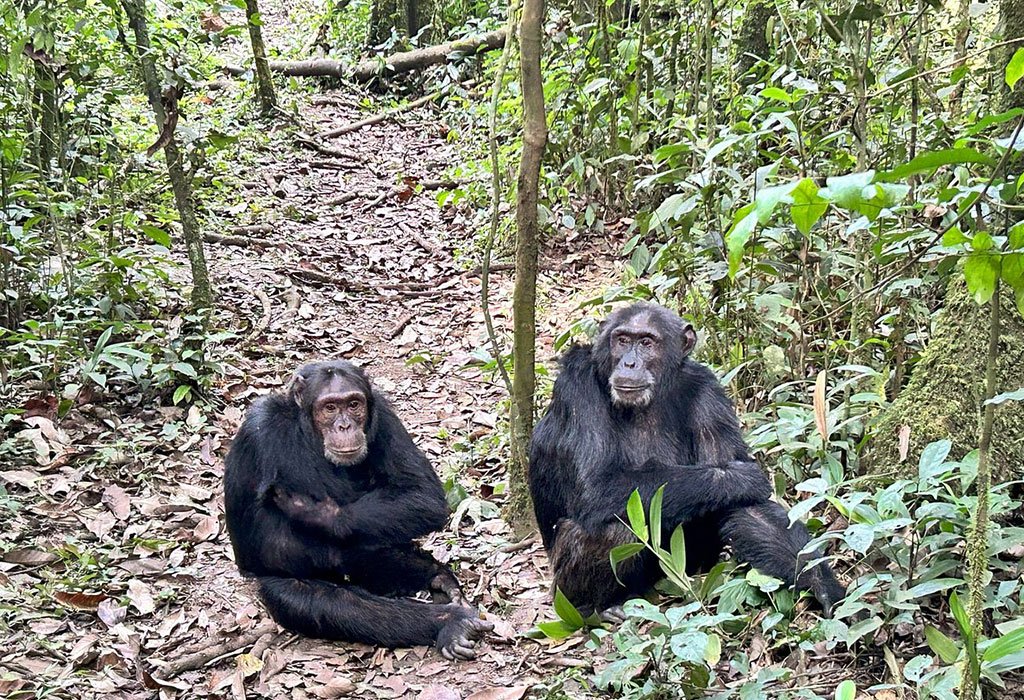
Join trained guides in Kibale Forest to search for habituated chimpanzees. Forest photography requires patience because animals may move rapidly and light levels can change substantially beneath the canopy.
Where time allows, the afternoon can include suitable crater-lake viewpoints or nearby countryside photography.
Day 4
Kibale to Queen Elizabeth National Park
Continue toward the Rift Valley landscapes of Queen Elizabeth National Park. The environment changes from rainforest and cultivated hills to open savannah, wetlands and crater scenery.
A suitable late-afternoon wildlife activity can provide opportunities for softer light and scenic safari photography.
Day 5
Game Drive and Kazinga Channel Photography
Begin with an early game drive when softer light can work well for wildlife images. Elephants, buffaloes, Uganda kobs and other animals may be encountered according to natural wildlife movements.
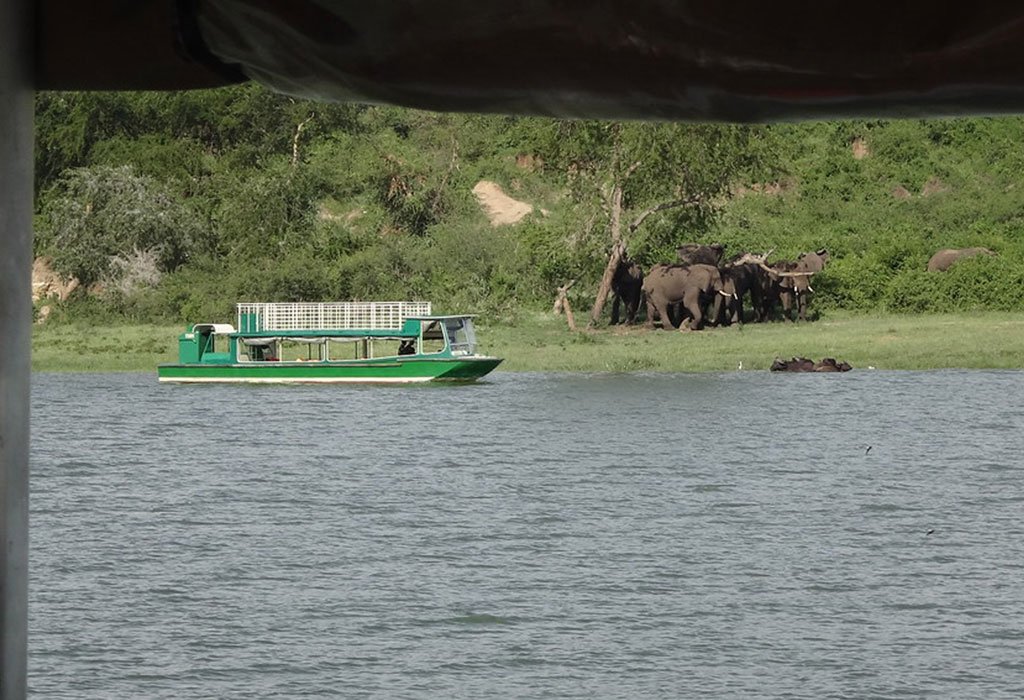
Later, explore the Kazinga Channel by boat for opportunities to photograph hippos, waterbirds and animals using the shoreline.
Day 6
Queen Elizabeth to Bwindi
Travel through southwestern Uganda toward Bwindi. Where the chosen route allows, the Ishasha sector may form part of the journey, although tree-climbing lions and other wildlife must remain dependent on natural sightings.
Arrive near the correct gorilla trekking sector and prepare cameras for the following day’s forest conditions.
Day 7
Mountain Gorilla Photography in Bwindi
After the required briefing, enter the forest with authorized Uganda Wildlife Authority rangers and trackers. Trekking time depends on the location of the assigned gorilla family.
Once the family is located, follow the ranger’s photography instructions throughout the regulated viewing period. Forest light can be challenging, so stable camera handling and appropriate settings are valuable.
Read Tavira’s Bwindi Gorilla Trekking Guide before your trip.
Day 8
Bwindi to Lake Bunyonyi
Transfer from Bwindi toward Lake Bunyonyi, passing through southwestern Uganda’s cultivated highlands. The change from dense rainforest to open lake scenery provides an excellent visual contrast.
Spend the afternoon enjoying lake views and preparing for sunset photography where local conditions allow.
Day 9
Lake Bunyonyi Photography and Relaxation
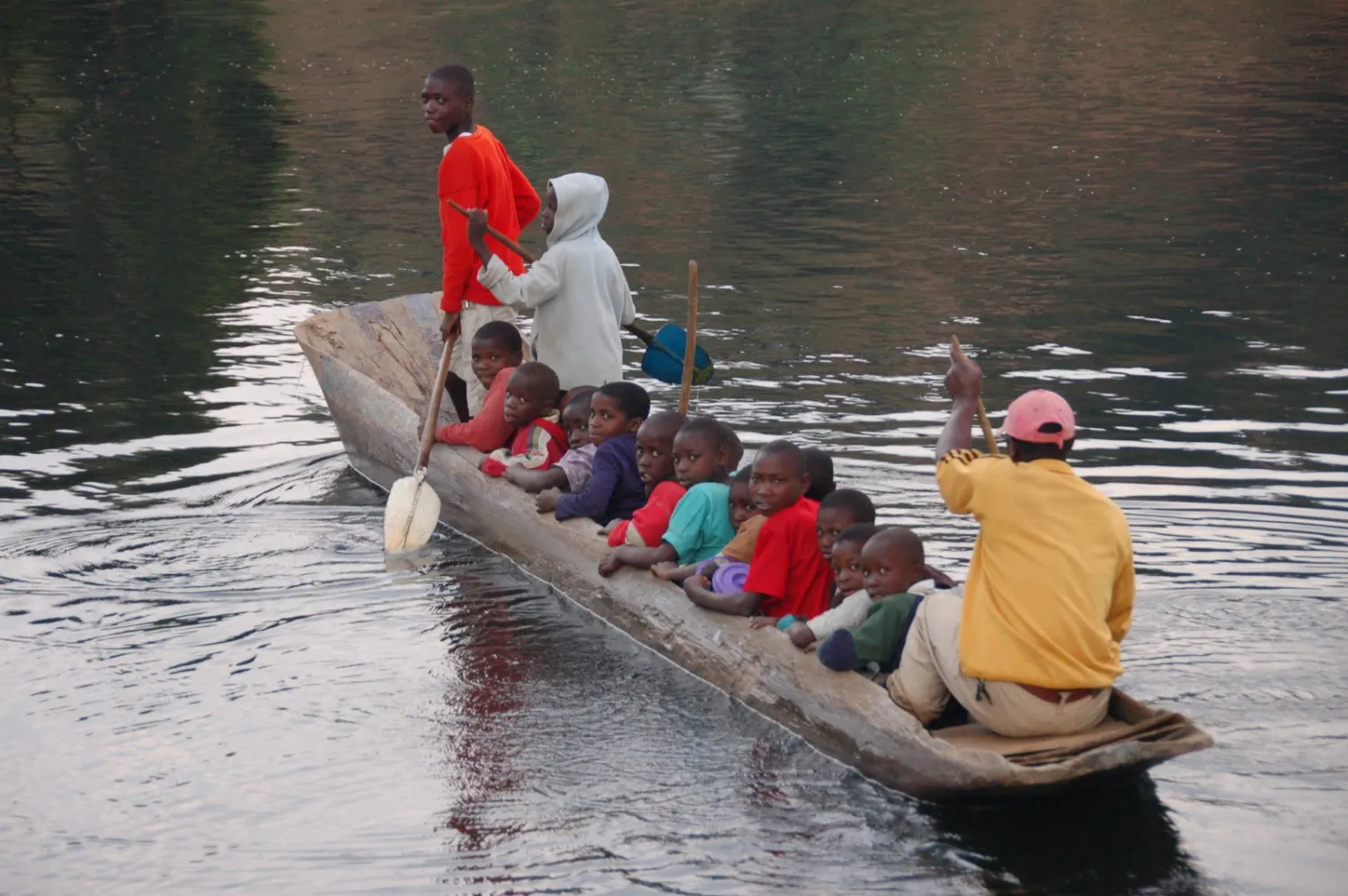
Use the morning to photograph the lake’s islands, surrounding hills, traditional canoes and changing light. A slower day creates space to enjoy the scenery rather than simply passing through the destination.
The afternoon can remain flexible for a suitable boat experience, lodge photography or relaxation.
Day 10
Return Toward Entebbe
Begin the return journey toward Entebbe. Where practical, an Uganda Equator stop can provide the final classic travel photograph of the safari.
Travelers wanting a wildlife-focused alternative can compare Tavira’s 10 Days Uganda Safari.
Signature Photography Moments
Three Very Different Sides of Uganda
Rainforest primates, water-based wildlife and scenic highlands create very different visual stories within one journey.
Where to Go
Best Places for Photography in Uganda
Different destinations suit different photography interests, so the strongest route should prioritize the type of images and experiences you value most.
| Destination | Why Photograph It | Main Subjects | Photography Style |
|---|---|---|---|
| Bwindi | Atmospheric forest and mountain gorillas | Gorillas, forest, birdlife | Wildlife portraits |
| Queen Elizabeth | Exceptional habitat variety | Elephants, lions, birds, crater landscapes | Safari and landscape |
| Murchison Falls | Powerful waterfall combined with wildlife | Falls, Nile, giraffes, elephants | Action and landscape |
| Lake Bunyonyi | Beautiful islands and highland scenery | Lake, canoes, hills, islands | Landscape and lifestyle |
| Sipi Falls | Waterfalls and dramatic cliffs | Falls, farms, cliffs | Landscape and adventure |
| Rwenzori | Rare African alpine scenery | Peaks, valleys, alpine vegetation | Mountain photography |
| Kidepo | Remote open landscapes and large skies | Wildlife, mountains, savannah | Wilderness photography |
Where to Stay
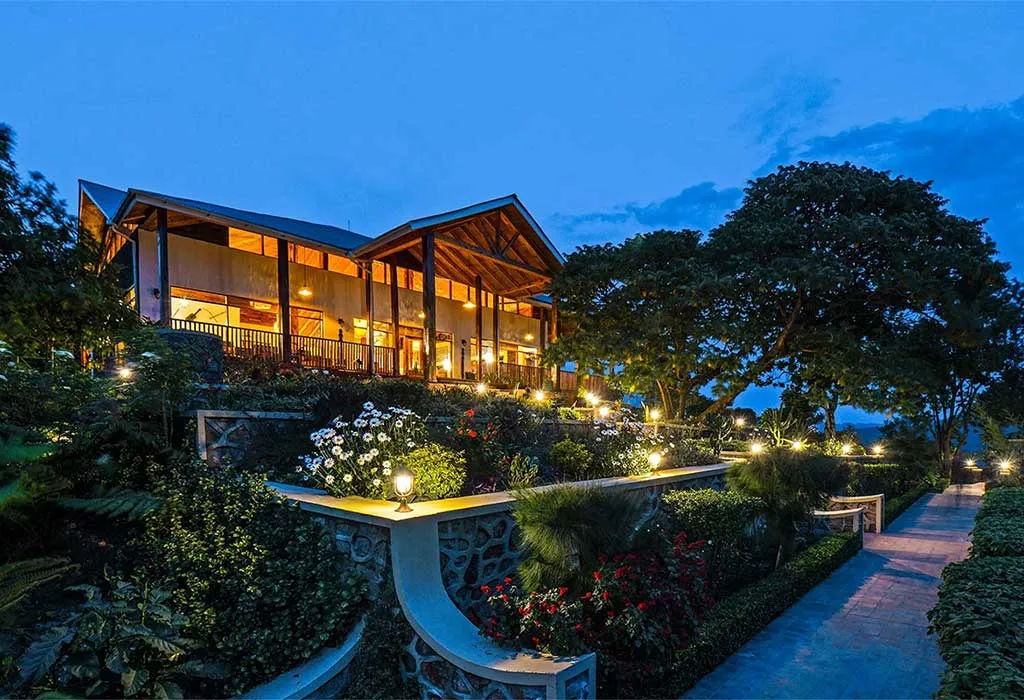
Accommodation for a Uganda Photography Safari
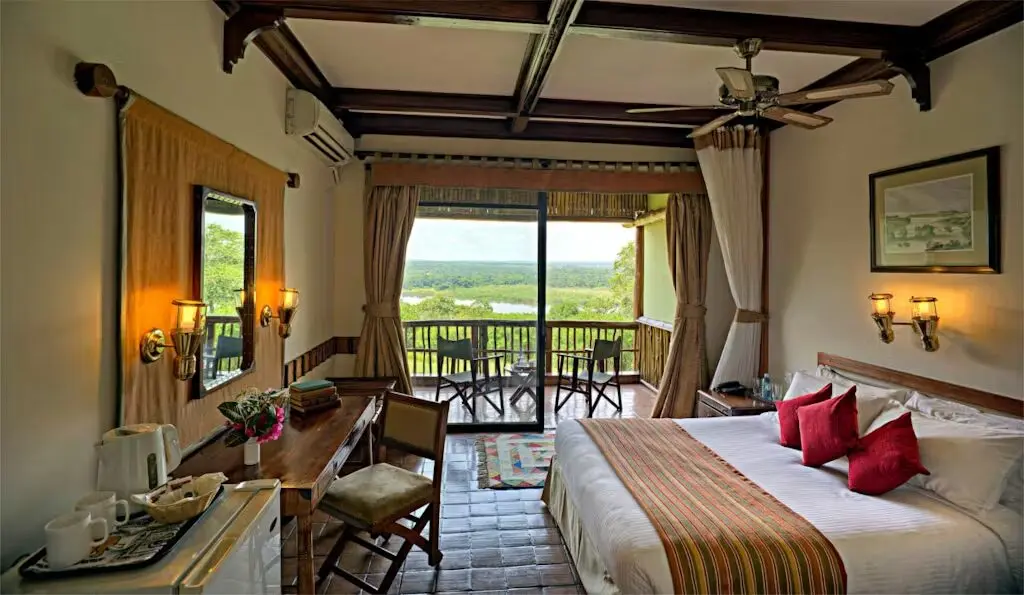
A well-located lodge can be particularly useful for photographers because shorter transfers may provide more time around productive wildlife areas or scenic viewpoints.
Light and Weather
When Is the Best Time to Photograph Uganda?
Uganda can be photographed throughout the year. Generally less rainy periods can make road travel and outdoor activities more convenient, while wetter periods can create greener landscapes, dramatic clouds and stronger waterfall scenery.
Early mornings and late afternoons often provide softer light for wildlife and landscapes. Forest photography behaves differently because tree cover can keep light levels low even during the middle of the day.
| Period | Photography Conditions |
|---|---|
| December – February | Often useful for multi-destination safari travel, though rainfall remains possible. |
| March – May | Very green scenery, cloud formations and wetter forest conditions. |
| June – September | Popular for safari travel and combining wildlife with forest activities. |
| October – November | Changing weather can create dramatic landscape photography conditions. |
Prepare Your Equipment
What Should You Pack for Photography in Uganda?
Camera Equipment
Camera body, suitable zoom or telephoto lens, wider landscape lens if available, spare memory cards and a secure camera bag.
Power
Bring spare batteries and suitable charging equipment, particularly when staying in remote safari destinations.
Rain Protection
A protective camera cover, dry bag or waterproof storage can be particularly useful during forest trekking and wetter travel periods.
Lens Cleaning
Carry lens cloths and suitable cleaning equipment for dust, mist and moisture encountered during safari activities.
Comfortable Clothing
Neutral lightweight clothing, suitable walking shoes and rain protection help photographers remain comfortable in different environments.
Phone Photography
Modern smartphones can create excellent landscape and travel photographs, so professional equipment is not essential for enjoying Uganda visually.
Photograph Responsibly
Responsible Wildlife and Cultural Photography in Uganda
A photograph should never be more important than wildlife welfare, visitor safety or another person’s privacy. During national park activities, follow ranger and guide instructions and maintain the required distance from animals rather than asking to move closer simply for a better image.
Gorilla trekking has specific photography rules, and flash should not be used around mountain gorillas. Wildlife should never be fed, called, chased or deliberately disturbed for photographs.
When photographing people, ask permission first. Community hosts and local guides can explain when photography is appropriate. Explore Tavira’s cultural experiences for responsibly organized local activities.
Aerial Photography
Can You Use a Drone in Uganda?
Travelers should not assume that a drone can be flown freely simply because a landscape appears suitable for aerial photography. Aviation, security, national park and location-specific requirements can apply.
Protected areas may require specific permissions, and some locations may restrict drone use entirely. Travelers should verify all required approvals before bringing or operating drone equipment.
Important: Do not launch a drone in a national park, near an airport or in another sensitive area until the relevant permissions and operating conditions have been confirmed.
Different Travelers, Different Images
Who Will Enjoy an Instagrammable Uganda Safari?
Couples & Honeymooners
Scenic lodges, Lake Bunyonyi, sunset drives and private safari experiences create beautiful memories and photographs.
Wildlife Photographers
Gorillas, chimpanzees, elephants, birds and Uganda’s savannah wildlife provide varied photographic subjects.
Content Creators
A diverse Uganda route provides rainforest, wildlife, lakes, mountains and cultural settings without requiring multiple countries.
First-Time Safari Travelers
The western circuit offers several of Uganda’s signature environments within one logical journey.
Landscape Photographers
Lake Bunyonyi, Sipi Falls, crater lakes and the Rwenzori Mountains provide strong scenic subjects.
Birders
Uganda’s varied habitats make bird photography easy to combine with wildlife and landscape travel. Read Why Do Birders Love Uganda?
Frequently Asked Questions
FAQs About the Most Instagrammable Places in Uganda
What is the most Instagrammable place in Uganda?
There is no single answer. Bwindi is exceptional for gorilla photography, Lake Bunyonyi for highland landscapes, Queen Elizabeth for classic safari images and Murchison Falls for dramatic water scenery.
Where can I photograph mountain gorillas in Uganda?
Permit-controlled gorilla trekking is available in Bwindi Impenetrable National Park and Mgahinga Gorilla National Park. Visitors must follow current ranger instructions and photography regulations.
Is Lake Bunyonyi worth visiting for photography?
Yes. Its islands, terraced hills, canoes and changing morning conditions make Lake Bunyonyi particularly attractive for landscape photography.
What are the best places for wildlife photography in Uganda?
Queen Elizabeth, Murchison Falls, Kidepo Valley and Lake Mburo provide strong savannah photography opportunities, while Bwindi and Kibale are important for primates.
Is Sipi Falls Instagrammable?
Yes. Sipi combines waterfalls, cliffs, green agricultural landscapes and Mount Elgon scenery, making it particularly attractive for outdoor photography.
What is the best time for photography in Uganda?
Photography is possible throughout the year. Early mornings and late afternoons frequently provide attractive natural light, while seasonal rainfall influences vegetation, clouds and road conditions.
Can I use a drone in Uganda?
Drone use can be subject to aviation, security and protected-area regulations. Obtain the necessary approvals before operating a drone and do not assume national parks permit recreational flying.
Can I take good photos using only a smartphone?
Yes. Smartphones can create excellent landscape, lodge and travel photographs. Wildlife at greater distances is where a camera with a suitable telephoto lens becomes more useful.
How long should a Uganda photography safari be?
Approximately eight to twelve days provides a strong western Uganda photography journey. Travelers who also want Jinja, Sipi Falls, Murchison Falls or Kidepo should consider additional days.
Can Tavira Africa Safaris organize a photography-focused safari?
Yes. Tavira Africa Safaris can organize private mid-range and luxury Uganda safaris around wildlife, scenery, preferred destinations and suitable travel dates.
Capture the Pearl of Africa
Uganda Offers Far More Than One Iconic Photograph
The most Instagrammable places in Uganda demonstrate how diverse the country really is. Mountain gorillas emerge from misty rainforest, elephants cross open savannah, the Nile crashes through Murchison Falls and highland lakes sit between cultivated hills.
Travelers who explore further can add the Rwenzori Mountains, Sipi Falls, Jinja and the remote landscapes of Kidepo. Each destination creates a different visual story rather than simply producing another version of the same safari photograph.
Tavira Africa Safaris can combine these locations into a private journey based on your available travel days, photography interests and preferred level of comfort.
Tavira Africa Safaris
See Uganda’s Most Beautiful Places for Yourself
Plan a private Uganda safari combining beautiful landscapes, remarkable wildlife, comfortable accommodation and unforgettable photography opportunities.