
DISCOVER UGANDA’S EXTRAORDINARY BIRDLIFE
Why Do Birders Love Uganda?
Discover why Uganda attracts birdwatchers from around the world, from the remarkable shoebill and rare Albertine Rift birds to tropical rainforests, wetlands, savannahs and memorable wildlife encounters.
AFRICA’S REMARKABLE BIRDING DESTINATION
What Makes Uganda So Special for Birdwatchers?
Uganda is one of Africa’s most rewarding destinations for birdwatching, with more than 1,000 recorded bird species living across its tropical forests, wetlands, mountains, lakes and open savannahs. Its geographical position brings together birdlife associated with eastern Africa, central African forests and the Albertine Rift. This extraordinary combination allows visitors to encounter dramatically different bird species while traveling between relatively accessible destinations within one country.
For enthusiastic birders, Uganda offers far more than an opportunity to increase their personal bird lists. A single journey can include searching for the remarkable shoebill in the papyrus wetlands of Mabamba, listening for secretive forest birds in Bwindi, watching brightly coloured turacos in Kibale and observing waterbirds along the Kazinga Channel. Travelers interested in discovering these experiences can begin with Tavira Africa Safaris’ dedicated birdwatching safaris in Uganda.
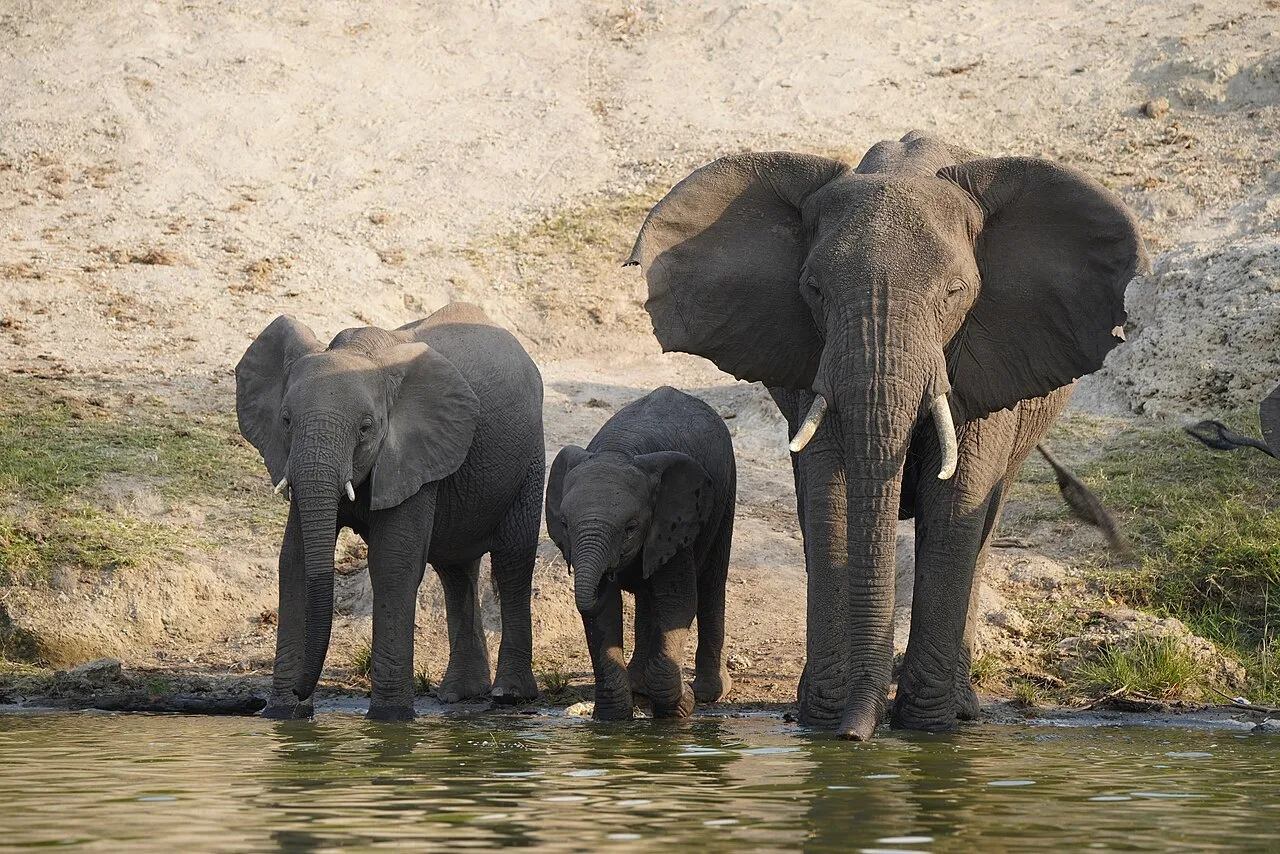
Another advantage is that Uganda’s birding destinations can be combined with traditional African wildlife experiences. Visitors can search for forest specialities in the morning, observe elephants and other mammals during a game drive, or include a gorilla trekking experience within the same itinerary. Birding therefore becomes part of a broader journey through Uganda’s landscapes, conservation areas and local communities rather than an isolated activity.
Whether you are an experienced birder carrying a detailed species checklist, a wildlife photographer looking for striking encounters or a first-time visitor who simply enjoys nature, Uganda offers a genuinely varied birdwatching experience. This guide explores the country’s most appealing birding characteristics, the destinations worth including, species to look for and how to plan a rewarding private safari with Tavira Africa Safaris.
UGANDA THROUGH A BIRDER’S LENS
A World of Colour, Character and Discovery
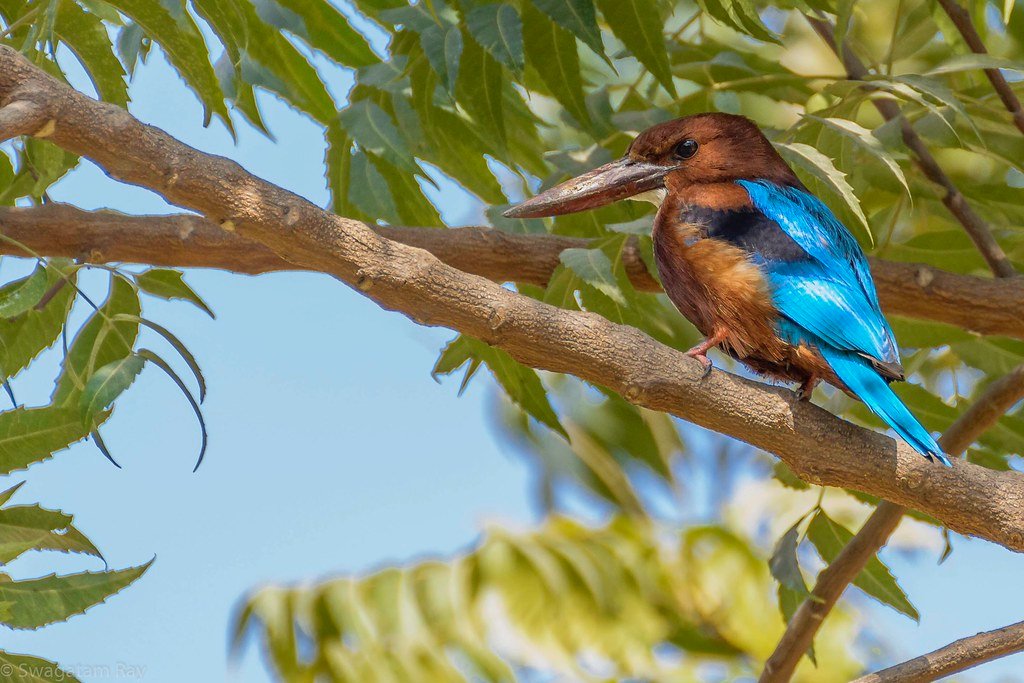
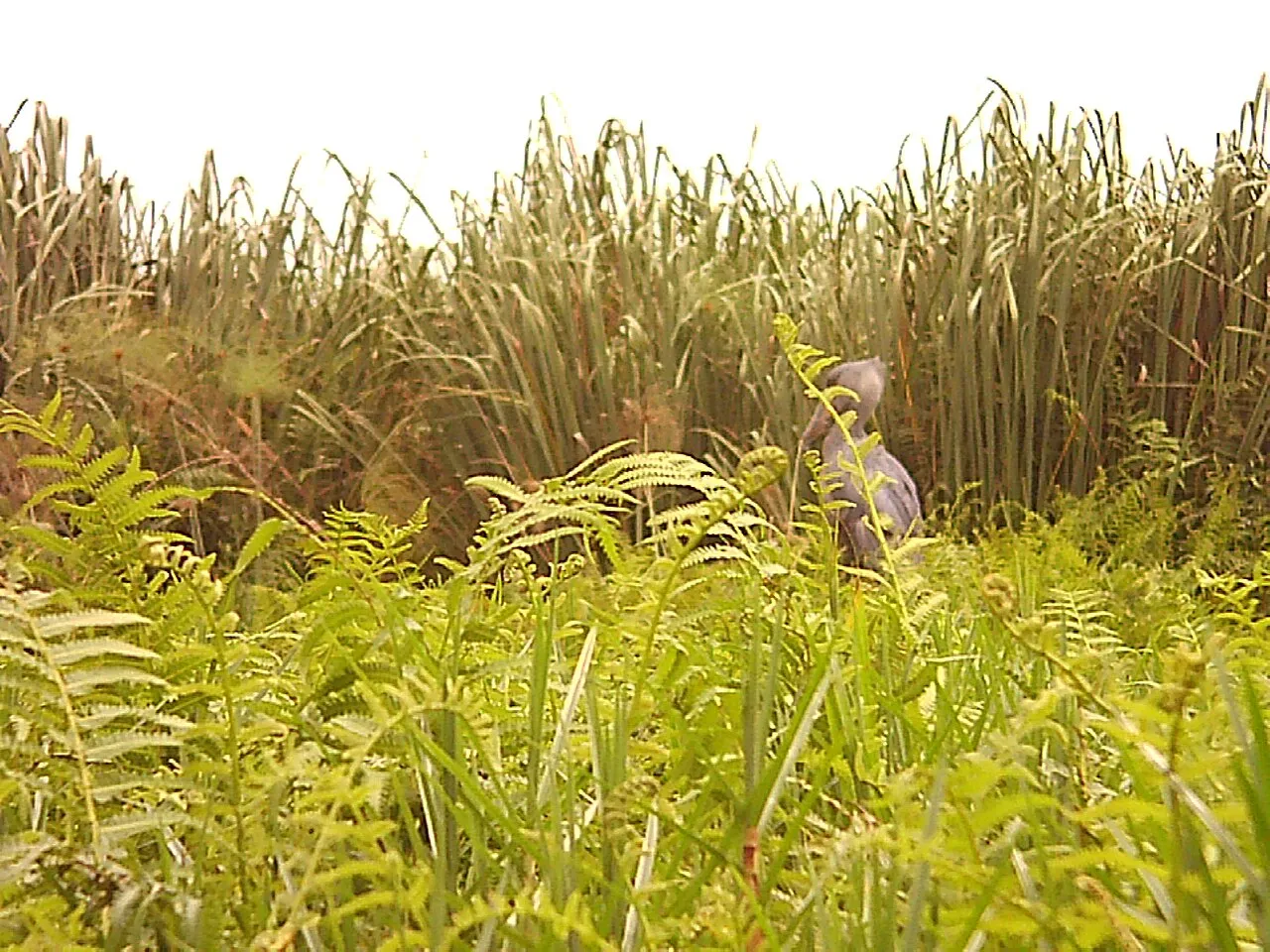
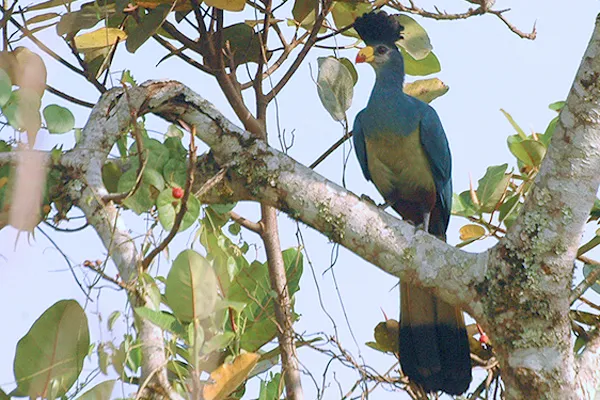
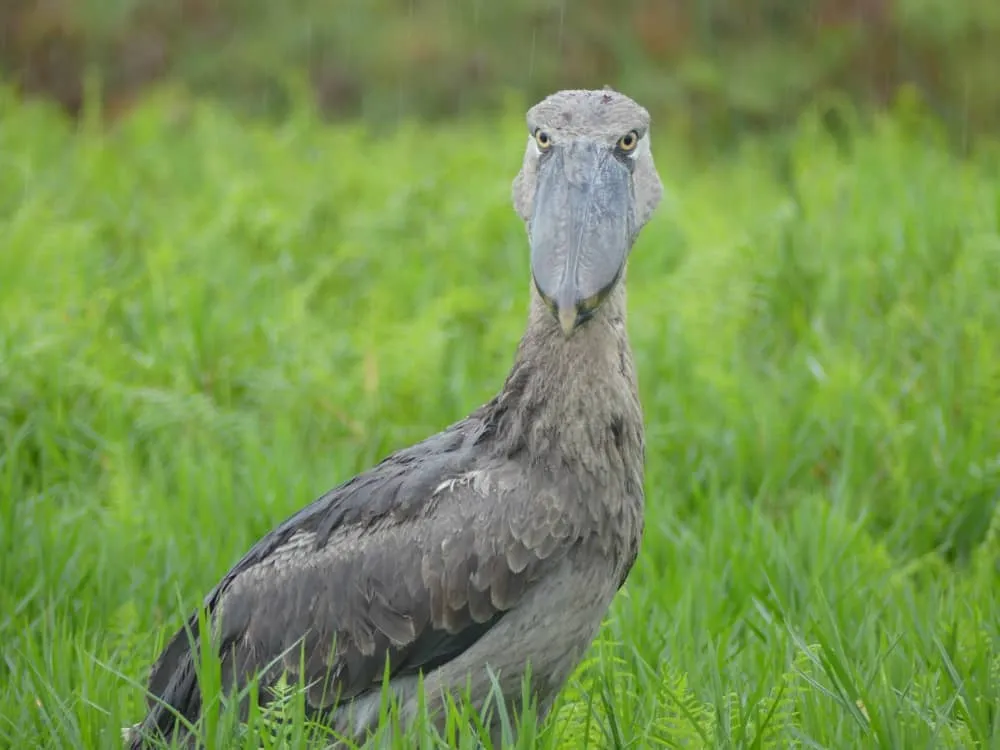
Uganda’s wetlands and forests provide opportunities to encounter some of Africa’s most distinctive birds.
AT A GLANCE
Why do birders love Uganda?
Uganda provides excellent birdwatching opportunities throughout the year. The best itinerary depends on whether you want to concentrate on forest specialities, search for wetland species or explore several national parks.
| Planning Point | Uganda Birding Information |
|---|---|
| Recorded birdlife | More than 1,000 recorded species, depending on the checklist and taxonomy used. |
| Signature bird | Shoebill, especially associated with papyrus wetlands. |
| Forest specialities | African green broadbill, Rwenzori turaco, crimsonwings and other Albertine Rift birds. |
| Main habitats | Montane rainforest, lowland forest, papyrus swamp, lakes, rivers, woodland and savannah. |
| Popular destinations | Mabamba, Bwindi, Kibale, Bigodi, Queen Elizabeth, Murchison Falls, Semuliki and Lake Mburo. |
| Travel season | Birding is possible year-round. Less rainy periods can make forest access and road travel easier. |
| Suggested duration | Approximately 7–14 days for a multi-destination birding safari; longer for specialist target lists. |
| Safari style | Private mid-range or luxury safari with specialist birding arrangements. |
| Additional experiences | Gorilla trekking, chimpanzee trekking, game drives, boat safaris and cultural activities. |
THE MAIN ATTRACTIONS
Seven Reasons Birdwatchers Love Uganda
The appeal of Uganda goes beyond a large national bird checklist. Its habitat diversity, restricted-range species and opportunities for combining birding with other wildlife activities create a distinctive experience for visiting nature enthusiasts.
01 · EXTRAORDINARY DIVERSITY
Over 1,000 Recorded Bird Species
Uganda supports an extraordinary collection of forest, wetland, montane and savannah birds. Different habitats can produce very different sightings, making a carefully planned journey appealing for birders seeking variety.
02 · SIGNATURE SPECIES
The Remarkable Shoebill
The shoebill attracts international birdwatchers with its unusual appearance, impressive size and distinctive hunting behaviour. A guided wetland excursion is a memorable addition to many Uganda itineraries.
03 · RESTRICTED-RANGE BIRDS
Albertine Rift Specialities
Western Uganda’s montane forests support rare species with geographically restricted ranges. Bwindi and the Rwenzori region are particularly appealing for birders interested in these specialities.
04 · HABITAT VARIETY
Several Ecosystems in One Journey
A private birding itinerary can connect tropical forest, papyrus swamp, riverine habitat, woodland and savannah. Changing habitats creates opportunities for new encounters throughout the journey.
05 · COMBINED EXPERIENCES
Birding and Big Wildlife
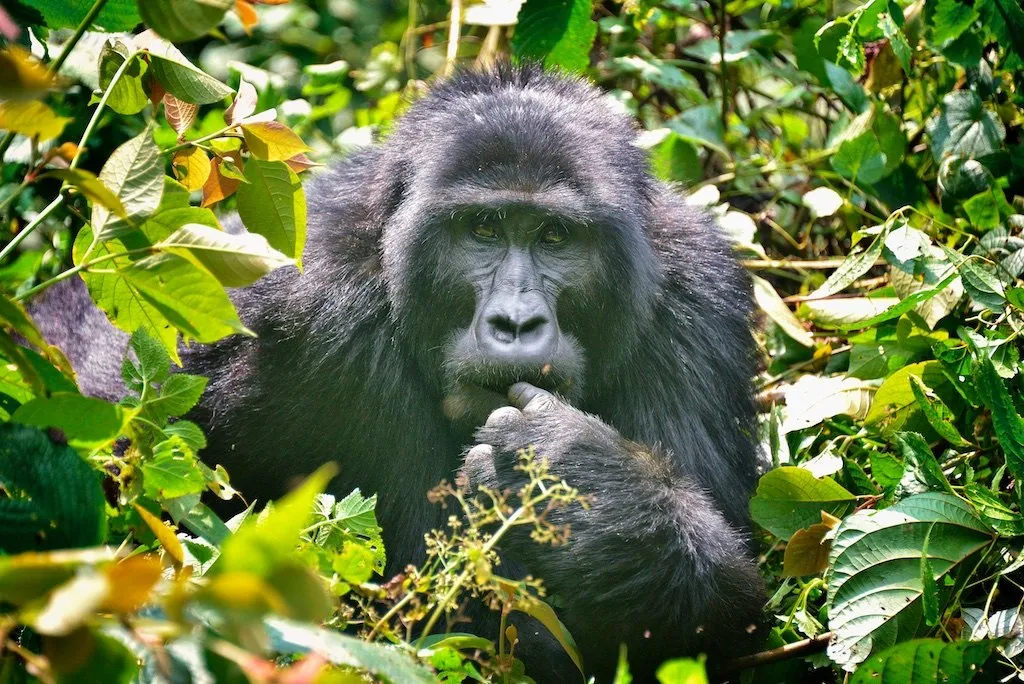
Uganda allows visitors to enjoy specialist birdwatching alongside mountain gorillas, chimpanzees, elephants, buffaloes and other wildlife, without organizing separate international trips.
06 · PHOTOGRAPHY
Remarkable Photographic Opportunities
Uganda’s colourful birdlife and contrasting landscapes provide varied settings for nature photography, from wetland boat excursions to forest walks and savannah game drives.
07 · LOCAL EXPERTISE
Specialist Birding Guides
An experienced local birding guide can help identify calls, interpret behaviour, select suitable habitats and organize a realistic daily route around the visitor’s target species.
UGANDA’S ICONIC WETLAND BIRD
The Shoebill: One of the Biggest Reasons Birders Visit Uganda
The shoebill is among Africa’s most distinctive birds and is frequently a priority species for international birdwatchers visiting Uganda. Its enormous shoe-shaped bill, upright posture and patient hunting technique give it an unmistakable appearance. The bird inhabits freshwater swamps and papyrus wetlands, where it searches for aquatic prey, including lungfish. Watching one remain almost motionless before suddenly striking is a memorable wildlife experience.
Mabamba Wetland, near Lake Victoria and within reach of Entebbe, is an established location for guided shoebill excursions. Visitors normally explore the wetland using small local boats, navigating papyrus channels with an experienced guide. Other wetland species may also be encountered during the excursion, including jacanas, kingfishers, herons and papyrus-associated birds. Sightings of any wild bird depend on natural conditions and cannot be guaranteed.
The Nile Delta region associated with Murchison Falls provides another opportunity to search for shoebills within a broader wildlife safari. Travelers planning this combination can explore Tavira’s Murchison Falls National Park guide. The experience adds a different dimension to conventional savannah game drives because birding takes place along waterways, marshland and riverine vegetation.
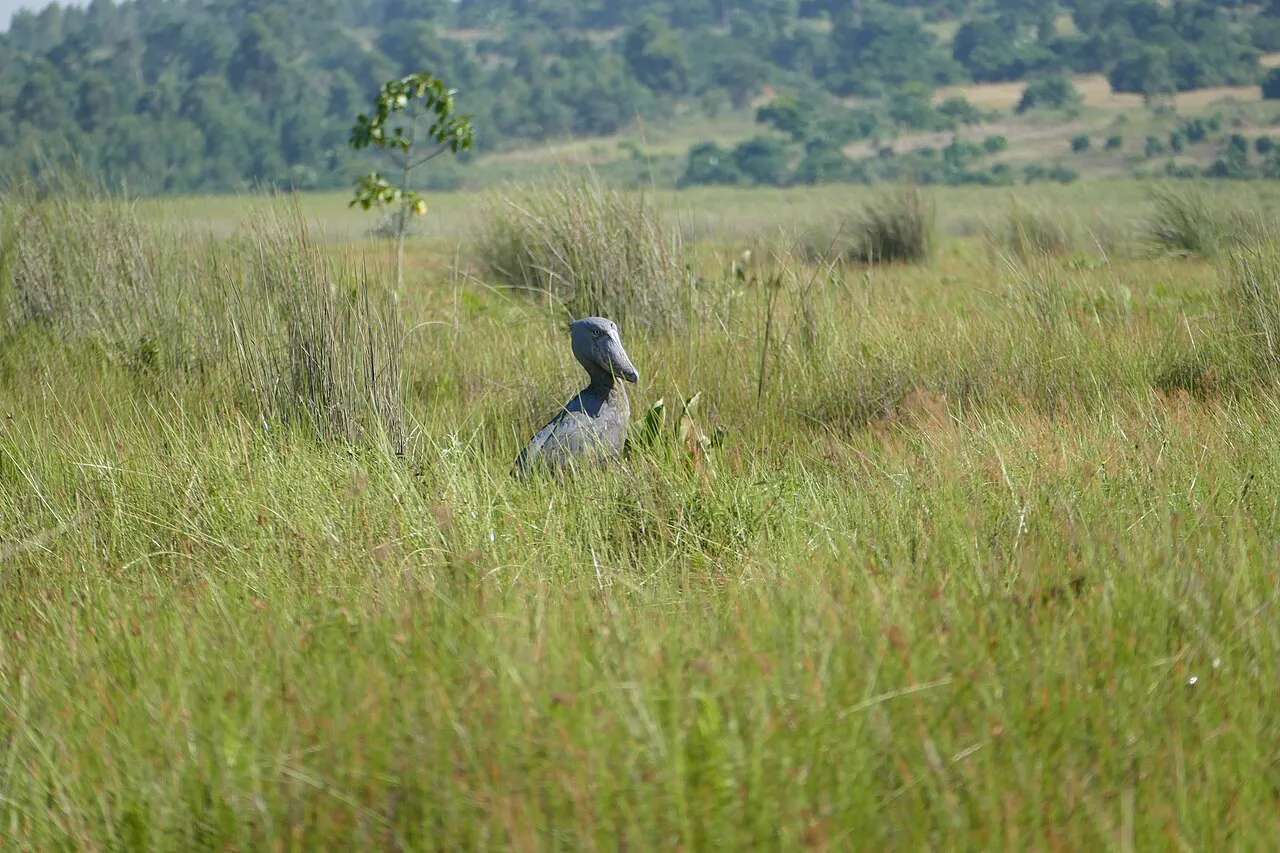
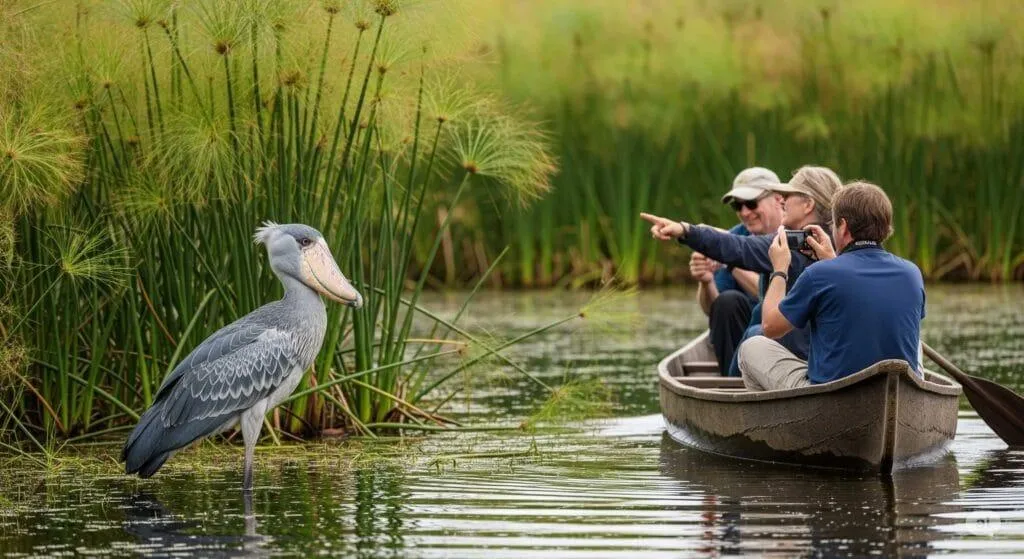
Birding tip: Plan a Mabamba excursion with an experienced local guide and allow enough time for the boat journey and patient observation. Avoid disturbing wildlife to obtain a closer photograph.
RARE FOREST SPECIALITIES
Albertine Rift Birds: A Major Attraction for Specialist Birders
The Albertine Rift is one of Africa’s important regions for restricted-range biodiversity. Its montane forests extend through parts of Uganda, Rwanda, the Democratic Republic of Congo and neighbouring areas, supporting bird species that occur within this geographical region. For dedicated birders, visiting western Uganda provides an opportunity to search for species that cannot be encountered on a conventional East African savannah safari.
Bwindi Impenetrable National Park is particularly important because its varied elevations and forest habitats support numerous Albertine Rift specialities. Birders visiting the Ruhija area may target the African green broadbill, while other forest locations provide opportunities to search for Rwenzori turaco, handsome francolin, regal sunbird, strange weaver, crimsonwings and several difficult-to-observe undergrowth birds. Our Bwindi Impenetrable National Park destination guide provides more information about this unique forest environment.
Forest birding requires patience, appropriate timing and specialist identification skills. Dense vegetation can make direct sightings challenging, while calls and movement within the canopy often provide the first indication of a bird’s presence. Spending several nights in the relevant area rather than rushing between parks gives dedicated birdwatchers more opportunities to explore different trails, elevations and habitats.
Notable Albertine Rift Birds to Look For
African Green Broadbill
A highly sought-after restricted-range forest species associated with the Albertine Rift.
Rwenzori Turaco
A striking montane forest bird valued for its distinctive appearance and beautiful plumage.
Shelley’s Crimsonwing
An elusive forest species that makes patient searching particularly rewarding.
Handsome Francolin
A montane species associated with the forested highlands of the Albertine region.
WHERE TO GO
Best Birdwatching Destinations in Uganda
Uganda’s strongest birding itineraries combine destinations with contrasting habitats instead of concentrating exclusively on a single national park. A wetland excursion near Entebbe introduces the country’s aquatic species, while western Uganda offers extensive rainforest and savannah opportunities. Longer journeys can also include the lowland forests of Semuliki and the northeastern landscapes of Kidepo.
1. Mabamba Wetland – Shoebill and Papyrus Birding
Mabamba is especially popular with visitors seeking the shoebill and provides a convenient birding experience from the Entebbe region. A guided boat excursion passes through papyrus channels and wetland vegetation, where patient observation may reveal kingfishers, jacanas, herons and other aquatic species. The wetland can be included near the beginning or end of a Uganda safari, depending on international arrival times and the overall itinerary.
2. Bwindi Impenetrable National Park – Montane Forest Birds
Bwindi attracts dedicated birdwatchers because of its exceptional montane forest biodiversity and concentration of Albertine Rift specialities. Different elevations and forest trails support varied bird communities, making a multi-night stay useful for visitors with a detailed target list. It is also possible to combine birding with a permit-confirmed gorilla encounter, as explained in Tavira’s Bwindi gorilla trekking guide.
3. Kibale Forest and Bigodi Wetland – Tropical Forest Diversity
Kibale offers a rewarding tropical forest birding experience, complemented by the nearby Bigodi Wetland Sanctuary. Forest species include turacos, forest flycatchers, greenbuls and other canopy and undergrowth birds. Guided walks around Bigodi add wetland-edge and community-based nature experiences, allowing birders to explore a different environment within the same region. Find out more about the destination in our Kibale Forest National Park guide.
4. Queen Elizabeth National Park – Savannah and Waterbirds
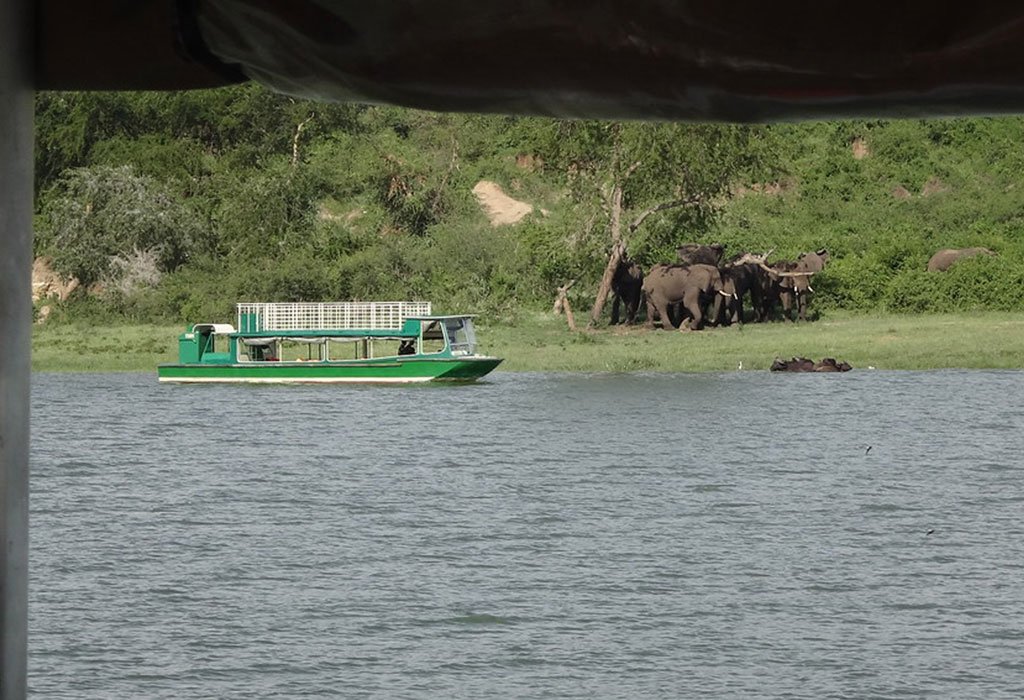
Queen Elizabeth National Park combines grasslands, crater lakes, wetland systems, forested areas and the famous Kazinga Channel. This varied environment supports a remarkable bird list and allows visitors to observe species associated with both terrestrial and aquatic habitats. A boat safari adds opportunities to photograph waterbirds while watching hippos, crocodiles and other animals along the shore. Read our Queen Elizabeth National Park guide for more information.
5. Murchison Falls National Park – Nile and Savannah Birds
Murchison Falls combines broad savannah, woodland, riverine vegetation and the River Nile. Its varied habitats offer opportunities to look for bee-eaters, kingfishers, hornbills, herons and raptors. The Nile Delta region is also associated with shoebill searches, although sightings depend on seasonal and local conditions. A birding safari here can be combined with game drives and a boat journey towards the famous waterfall.
6. Semuliki National Park – Central African Forest Specialities
Semuliki is especially interesting to specialist birders because its lowland tropical forest contains species associated with the Guinea-Congo forest region. This gives it a noticeably different birding character from Uganda’s highland forests and savannah parks. Travelers seeking broader habitat coverage may include Semuliki within a longer western Uganda route rather than treating it as a brief stop.
7. Lake Mburo National Park – Wetland and Woodland Birding
Lake Mburo supports a mixture of acacia woodland, grassland, wetland and lake-edge habitats. Birding can be combined with other activities during a southwestern Uganda journey, making the park a useful addition before returning towards Entebbe. Visitors may search for woodland species and wetland birds while enjoying the park’s attractive wildlife landscapes. Explore the Lake Mburo National Park guide.
8. Kidepo Valley National Park – Northeastern Birdlife
Kidepo introduces birders to Uganda’s far northeastern landscapes, including expansive savannahs, seasonal river valleys and rocky hills. It offers opportunities to search for species associated with drier habitats and includes the ostrich among its notable birdwatching attractions. The park is geographically distant from Uganda’s main western circuit, so it works particularly well in a longer itinerary. Read more in Tavira’s Kidepo Valley National Park guide.
EXPLORE THE LANDSCAPES
Beautiful Places to Experience Uganda’s Birdlife
SEASONAL PLANNING
When Is the Best Time for Birdwatching in Uganda?
Uganda offers rewarding birdwatching opportunities throughout the year because many of its important forest, wetland and savannah species are resident. Nevertheless, seasonal rainfall influences road access, forest walking conditions, vegetation and the amount of time visitors can spend birding outdoors. A suitable travel period should therefore be selected according to the destinations included and the species the visitor hopes to encounter.
Less rainy periods, particularly around June to September and December to February, can make general safari logistics more comfortable, although regional weather patterns vary. Rainfall is still possible during these periods, especially in Uganda’s tropical forests. Migratory birds may add interest during other parts of the year, while breeding activity and seasonal habitat conditions can also influence birdwatching experiences. Explore our dedicated best time for birdwatching in Uganda guide.
| Travel Period | Birding Considerations |
|---|---|
| December – February | Often useful for combining resident birds, migratory interest and general safari activities. |
| March – May | Rainfall can affect trails and transportation, but forest and wetland birding remain possible. |
| June – September | Generally useful for multi-destination safari travel and forest birding logistics. |
| October – November | Rain and changing vegetation conditions may require a flexible schedule and appropriate equipment. |
TWO EXTRAORDINARY WILDLIFE EXPERIENCES
Can You Combine Birdwatching With Gorilla Trekking in Uganda?
One of Uganda’s distinctive safari opportunities is combining specialist birdwatching with mountain gorilla trekking. Bwindi Impenetrable National Park is important for both activities, allowing travelers to dedicate separate days to rainforest birding and a permit-confirmed gorilla encounter. The activities should be scheduled independently because gorilla trekking can be physically demanding, and its duration depends on the location of the assigned gorilla family.
A well-paced journey might begin with shoebill birding near Entebbe, continue through Kibale and Queen Elizabeth National Park, and finish with several nights in Bwindi. This route offers opportunities for rainforest birding, savannah wildlife, wetland species and mountain gorillas. Visitors can explore Tavira’s Uganda gorilla trekking packages when considering the permit-dependent part of their itinerary.
Travelers interested in chimpanzees can also include Kibale, while visitors with more time may extend their safari towards Mgahinga for golden monkey trekking or explore additional national parks. The key is to allow enough time for proper birdwatching rather than adding a long species checklist to an already busy wildlife itinerary.
Discover Uganda’s Birds and Mountain Gorillas
Plan a private safari combining Uganda’s remarkable birdlife, rainforest experiences, comfortable accommodation and a mountain gorilla encounter.
SUGGESTED PRIVATE SAFARI ROUTE
Recommended 10-Day Uganda Birdwatching Safari
A ten-day birdwatching safari can introduce Uganda’s most important birding habitats while providing a balanced combination of wetlands, tropical forests, savannahs and mountain scenery. The suggested route below concentrates on central and western Uganda, reducing the need for lengthy transfers to more distant regions. It can be adapted according to accommodation availability, individual interests, target species and whether travelers wish to include gorilla trekking.
DAY 1
Arrival in Entebbe
Arrive at Entebbe International Airport and transfer to your selected accommodation. Depending on arrival time, an introductory birding walk around suitable nearby habitats may be arranged. This relaxed beginning allows you to prepare equipment, meet your guide and discuss important target species before beginning the main safari journey.
DAY 2
Mabamba Wetland – Shoebill Search
Travel to Mabamba for a guided boat excursion through the papyrus wetland. The principal target is the shoebill, although other wetland birds may also be observed. Your guide will help identify species along the channels and surrounding vegetation. Return to Entebbe after the excursion, allowing time for relaxation or additional birdwatching where practical.
DAY 3
Transfer to Kibale Forest Region
Travel west towards Kibale, observing the changing countryside and forest-edge environments along the route. Depending on arrival time, an introductory birding walk can be arranged near the lodge. This section introduces Uganda’s forest birdlife before a more focused day of exploration in the Kibale and Bigodi area.
DAY 4
Kibale and Bigodi Birdwatching
Spend the day exploring suitable forest and wetland habitats with a knowledgeable local guide. The area provides opportunities to look for turacos, forest birds, wetland species and other specialities. Depending on interests and confirmed permits, chimpanzee trekking may be considered as an additional activity, although serious birders may prefer to dedicate their available time entirely to birdwatching.
DAY 5
Kibale to Queen Elizabeth National Park
Continue towards Queen Elizabeth National Park, where the landscape gradually changes from forested countryside to Rift Valley savannah and wetland environments. Birdwatching opportunities can be included along suitable sections of the journey. Arrive at your lodge with enough time to enjoy the scenery and prepare for the following day’s wildlife activities.
DAY 6
Queen Elizabeth Birding and Kazinga Channel
Begin with birdwatching in suitable savannah or wetland-edge habitats before enjoying a boat safari along the Kazinga Channel. The channel provides opportunities to observe aquatic birds and mammals using the shoreline. A carefully timed day allows visitors to appreciate both the park’s birdlife and its wider wildlife diversity.
DAY 7
Queen Elizabeth to Bwindi
Travel south towards Bwindi Impenetrable National Park, passing through changing savannah and highland landscapes. Arrive at accommodation appropriate to the planned birding trails or confirmed gorilla trekking sector. Where the schedule permits, an introductory forest-edge birdwatching session may be arranged with your guide.
DAY 8
Bwindi Forest Birdwatching
Spend the day exploring Bwindi’s forest habitats with a specialist guide, targeting species appropriate to your location and the prevailing conditions. The forest supports numerous Albertine Rift specialities, making patient observation especially worthwhile. The exact trails should be selected according to local guidance, individual fitness and any target species identified before departure.
DAY 9
Additional Bwindi Birding or Gorilla Trekking
Dedicate another day to forest birdwatching or participate in a permit-confirmed gorilla trek. Spending a second full day in Bwindi provides useful flexibility for visitors searching for particular forest species. If gorilla trekking is included, allow the remainder of the day to remain relatively relaxed because the experience may involve considerable walking.
DAY 10
Return Transfer or Domestic Flight
Conclude the safari with your planned return journey towards Entebbe. A domestic flight may be considered when available and suitable for your confirmed itinerary. Travelers returning entirely by road may prefer an additional overnight stop rather than combining a long southwestern Uganda transfer with a tightly scheduled international departure.
Safari planning note: This is an illustrative route, not a fixed wildlife guarantee. Longer birding journeys can include Semuliki, Murchison Falls, Lake Mburo or Kidepo depending on the target list and available travel days. Explore more options through Tavira’s Uganda safari collection.
BIRD PHOTOGRAPHY
Why Wildlife Photographers Enjoy Birdwatching in Uganda
Uganda offers attractive photographic opportunities because its birdlife occurs across dramatically different habitats. A wetland excursion may provide encounters with large aquatic birds, while rainforest walks offer opportunities to photograph colourful turacos, sunbirds and other forest species. Savannah parks introduce open landscapes, birds of prey and waterbird concentrations, helping photographers build a diverse collection of images during one safari.
Successful bird photography often requires patience rather than constant movement. Forest light can be difficult, birds may remain high in the canopy and small wetland species may disappear quickly into vegetation. A knowledgeable guide can help identify suitable locations and approach wildlife responsibly. Photographers should maintain appropriate distances, avoid disturbing nests and follow the instructions of park personnel and local wetland guides.
Useful Equipment for Uganda Bird Photography
Binoculars
Useful for locating birds, observing movement and identifying species before preparing your camera.
Telephoto Lens
Helpful for photographing birds without approaching too closely or disturbing their natural behaviour.
Protective Equipment
Rain protection, spare batteries and appropriate storage are valuable during forest and wetland excursions.
PREPARING FOR YOUR SAFARI
How to Plan a Successful Uganda Birdwatching Safari
A rewarding birding journey requires more than visiting well-known national parks. Important considerations include the time available, the species you hope to observe, accommodation location, seasonal conditions and the experience of your guide. A specialist itinerary should allow sufficient time at each important habitat and balance early-morning observation with realistic travel distances.
1. Identify Your Birding Priorities
Decide whether your principal interest is the shoebill, Albertine Rift specialities, forest birds, wetland species or a broad Uganda checklist. Your preferred birds help determine the destinations and how much time should be allocated to each location.
2. Arrange an Experienced Birding Guide
A knowledgeable birding guide is particularly valuable when searching for difficult forest species. Identification skills, knowledge of local calls and experience with suitable habitats can make a substantial difference to the quality of a specialist birdwatching experience.
3. Allow Enough Days in Important Habitats
Avoid moving to a new destination every morning. Forest birdwatching may require repeated visits to productive trails, while weather can influence observations. Additional time allows visitors to explore different elevations and habitats without feeling rushed.
4. Choose Well-Located Accommodation
Comfortable lodges near important birding areas help reduce unnecessary morning transfers. Tavira focuses on mid-range and luxury safari arrangements, with accommodation selected according to location, comfort, access and the planned daily activities.
5. Prepare for Different Weather Conditions
Uganda’s forests and wetlands can be humid or wet even during generally drier travel periods. Comfortable walking shoes, a lightweight rain jacket, neutral-coloured clothing and suitable protection for electronic equipment are useful throughout the journey.
6. Practice Responsible Birdwatching
Keep an appropriate distance from wildlife, follow the guidance of park staff and avoid disturbing nesting or feeding birds. Responsible tourism helps protect habitats while supporting the communities and conservation initiatives connected to Uganda’s natural attractions. Read more in our Uganda eco-tourism guide.
PRIVATE BIRDING SAFARIS
Mid-Range and Luxury Birdwatching Safaris in Uganda
Uganda birdwatching itineraries can be organized around different accommodation preferences and travel styles. Mid-range safaris provide comfortable lodging, suitable private transportation and access to key birding destinations, while luxury journeys may incorporate premium lodges, additional relaxation time and domestic flights where practical. The appropriate arrangement depends on the visitor’s interests rather than simply choosing the most expensive accommodation available.
Tavira Africa Safaris can help coordinate private Uganda birdwatching journeys that combine suitable lodging, knowledgeable guiding and practical routes between destinations. Travelers interested in spending more time in the national parks can also include conventional wildlife activities, guided nature experiences or permit-dependent primate encounters. The key objective is to create an itinerary that respects birding priorities while maintaining a comfortable and enjoyable overall safari pace.
TAVIRA AFRICA SAFARIS
Plan Your Private Uganda Birding Experience
Share your preferred travel dates, birding interests, number of travelers and accommodation preferences. We can help you explore suitable Uganda safari arrangements.
FREQUENTLY ASKED QUESTIONS
Frequently Asked Questions About Birdwatching in Uganda
Why is Uganda famous for birdwatching?
Uganda is known for its remarkable bird diversity, with more than 1,000 recorded species spread across tropical forests, wetlands, savannahs, mountains and lakes. Its birdlife includes the shoebill, numerous Albertine Rift specialities and a broad selection of forest and savannah birds.
How many bird species are found in Uganda?
Uganda has more than 1,000 recorded bird species. Exact totals vary as checklists and taxonomic classifications are updated.
Where can I see the shoebill in Uganda?
Mabamba Wetland near Entebbe is a well-established destination for guided shoebill excursions. The Nile Delta region associated with Murchison Falls also provides opportunities to search for this remarkable species.
Which national park is particularly important for forest birding?
Bwindi Impenetrable National Park is particularly important for Albertine Rift forest specialities. Kibale, Semuliki and the Rwenzori region also provide distinctive forest birdwatching opportunities.
What is the best time for birdwatching in Uganda?
Birdwatching is possible throughout the year. Less rainy periods can make travel and forest walks more convenient, while seasonal migration and breeding patterns create additional opportunities during other months.
Can I combine gorilla trekking with birdwatching?
Yes. Bwindi is important for both gorilla trekking and forest birding, making it possible to include both activities in a carefully planned Uganda safari. Gorilla trekking requires a separate permit and should be scheduled independently.
Do I need a specialist birdwatching guide?
A specialist guide is strongly recommended, especially for visitors interested in difficult forest birds or particular target species. Local knowledge can help with identification, habitat selection and realistic daily planning.
How many days are suitable for a Uganda birding safari?
A week can introduce several important habitats, while approximately 10–14 days allows more time for a multi-destination journey. Dedicated birders with longer target lists may prefer an extended itinerary.
Is Uganda suitable for beginner birdwatchers?
Yes. Guided wetland excursions, national park activities and nature walks provide opportunities for beginners to learn bird identification while enjoying Uganda’s broader wildlife and landscapes.
Can Tavira Africa Safaris organize a private birdwatching journey?
Tavira Africa Safaris can assist with private Uganda safari planning, suitable accommodation and enquiries about birdwatching arrangements according to your preferred dates, destinations and interests.
THE PEARL OF AFRICA
Uganda Offers Far More Than a Bird Checklist
Birders love Uganda because every region introduces another dimension of the country’s extraordinary biodiversity. The stillness of a papyrus swamp, the calls of birds hidden within Bwindi’s forest canopy, the concentration of waterbirds along the Kazinga Channel and the sweeping landscapes of northern Uganda all contribute to an experience that goes beyond identifying individual species. Each destination adds its own character, making a carefully planned journey consistently rewarding.
The ability to combine birdwatching with gorilla trekking, chimpanzee encounters and conventional wildlife safaris makes Uganda particularly appealing for travelers who want a broader African nature experience. By selecting complementary destinations, allowing adequate time for observation and travelling with appropriate local expertise, visitors can enjoy the country’s birdlife at a comfortable pace while appreciating the communities and conservation landscapes that support it.
Tavira Africa Safaris welcomes enquiries from birdwatchers, nature enthusiasts, photographers and travelers interested in combining Uganda’s birdlife with its wider wildlife attractions. Explore our Uganda safari destinations or contact our team to discuss a private mid-range or luxury journey.
TAVIRA AFRICA SAFARIS
Discover Uganda’s Extraordinary Birdlife
From shoebill encounters in Mabamba to rare forest birds in Bwindi, explore Uganda with a carefully planned private safari featuring comfortable accommodation, practical transportation and rewarding wildlife experiences.
Contents
- 1. What Makes Uganda So Special for Birdwatchers?
- 2. A World of Colour, Character and Discovery
- 3. Why do birders love Uganda?
- 4. Seven Reasons Birdwatchers Love Uganda
- 5. The Shoebill: One of the Biggest Reasons Birders Visit Uganda
- 6. Albertine Rift Birds: A Major Attraction for Specialist Birders
- 7. Best Birdwatching Destinations in Uganda
- 8. Beautiful Places to Experience Uganda’s Birdlife
- 9. When Is the Best Time for Birdwatching in Uganda?
- 10. Can You Combine Birdwatching With Gorilla Trekking in Uganda?
- 11. Recommended 10-Day Uganda Birdwatching Safari
- 12. Why Wildlife Photographers Enjoy Birdwatching in Uganda
- 13. How to Plan a Successful Uganda Birdwatching Safari
- 14. Mid-Range and Luxury Birdwatching Safaris in Uganda
- 15. Frequently Asked Questions About Birdwatching in Uganda
- 16. Uganda Offers Far More Than a Bird Checklist
- 17. Discover Uganda’s Extraordinary Birdlife