
Lake Mburo National Park
LAKE MBURO NATIONAL PARK
Lake Mburo National Park is one of Uganda’s smallest but most diverse safari destinations, covering approximately 260 km² and sitting at an elevation ranging between 1,220m and 1,828m above sea level. About 20% of the park is made up of wetlands, which play a vital role in supporting its rich biodiversity. Despite its size, Lake Mburo offers some of the most varied and flexible game-viewing experiences in Uganda, including traditional vehicle safaris, boat cruises, guided nature walks, horseback safaris, and mountain biking adventures.
The park features a mosaic of habitats such as open savannah, acacia woodlands, papyrus swamps, rocky outcrops, seasonal wetlands, and small lakes. These diverse ecosystems support a wide range of wildlife species, including some that are not commonly found in other Ugandan national parks, making it a unique stop on any safari itinerary. It is also a top destination for birdwatching in Uganda, with the wetlands and acacia zones hosting numerous papyrus and savannah bird species.
Strategically located in a rain shadow between Lake Victoria and the Rwenzori Mountains, the park receives an average annual rainfall of about 800mm. It experiences a bimodal rainfall pattern, with long rains from February to June and shorter rains from September to December. April and November are typically the wettest months, while July and August are the hottest, with temperatures averaging around 27.5°C and ranging from 21.5°C to 34°C. Due to these conditions, the best times for game viewing are early mornings and late afternoons when wildlife is most active.
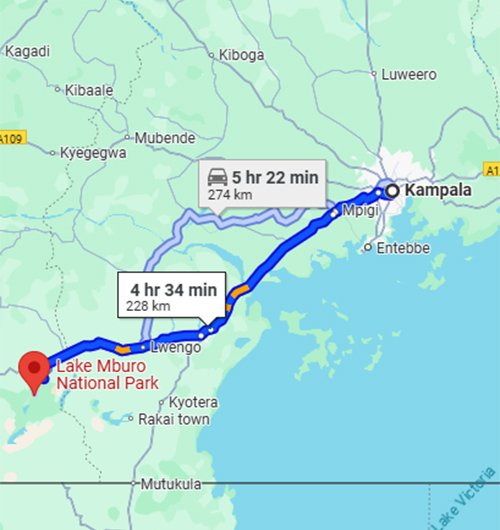
Attractions & Activities in Lake Mburo
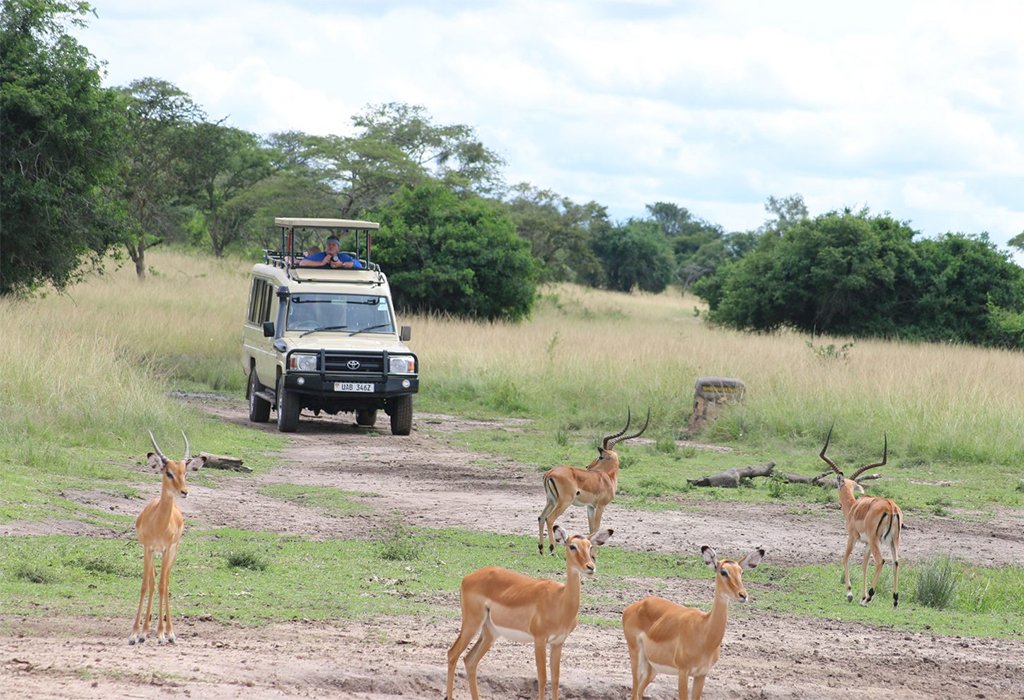
Game Drives
Lake Mburo National Park features a well-maintained network of game tracks that makes it easy for visitors to explore its beautiful eastern savannah landscapes. These tracks open up excellent opportunities for close wildlife viewing in one of Uganda’s most accessible safari parks. Visitors can expect to encounter a variety of animals, including zebras, impalas, elands, buffaloes, and warthogs, while giraffes and topis are also commonly sighted across the open plains.
Game drives in Lake Mburo are especially rewarding for photographers and wildlife enthusiasts who want to observe animals in their natural environment without heavy crowds. The park’s compact size allows for efficient wildlife viewing within short distances, making it ideal for both short and extended safaris. Early morning and late afternoon game drives provide the best chances of spotting active wildlife, as animals tend to move more during the cooler hours of the day.
For a more immersive experience, guided game drives can be arranged to explore different habitats within the park, including savannah, woodland, and wetland ecosystems, each supporting unique wildlife and bird species. This diversity makes Lake Mburo National Park a rewarding destination for varied and memorable safari experiences in Uganda.
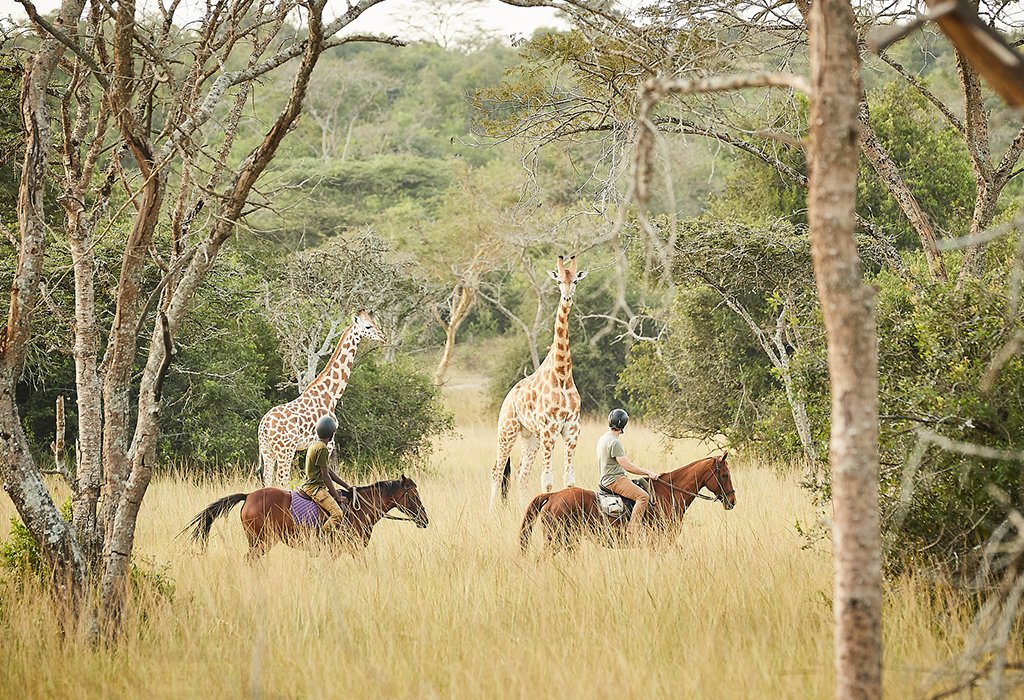
Horseback Safaris
Lake Mburo National Park offers one of Uganda’s most unique safari experiences through horseback safaris, allowing visitors to explore the savannah in complete silence without the disturbance of a vehicle engine. This exclusive activity is operated by Mihingo Lodge and takes place in the park’s eastern section, where rolling hills and open plains create the perfect setting for a peaceful and immersive wildlife experience.
While riding through the grasslands, visitors can approach wildlife at a natural and relaxed pace, often coming close to zebras, topis, impalas, and sometimes buffaloes. The quietness of horseback travel allows for more natural animal behavior, creating highly intimate and authentic wildlife encounters that are difficult to achieve on traditional game drives.
Horseback safaris in Lake Mburo are suitable for riders of all experience levels, as professional guides accompany each ride to ensure safety and comfort throughout the journey. The combination of scenic landscapes, gentle riding conditions, and close wildlife interactions makes this activity one of the most memorable and distinctive safari experiences in Uganda.
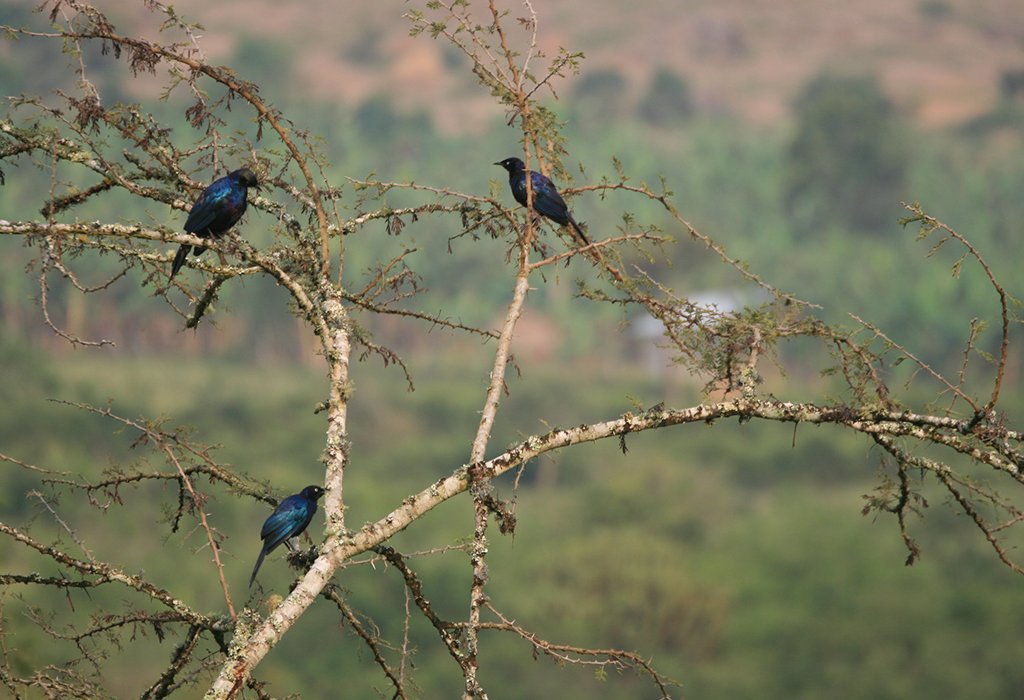
Birding
Lake Mburo National Park is one of Uganda’s top birdwatching destinations, offering a rich diversity of habitats that support more than 350 recorded bird species. Its mix of acacia woodland, wetlands, open savannah, and lake shorelines creates ideal conditions for both common and rare bird sightings, making it a rewarding stop for birding enthusiasts on any Uganda safari.
Some of the best birding locations in the park include the Acacia and Research tracks, where visitors can spot species such as the red-faced barbet and Nubian woodpecker. These woodland areas are especially productive during early morning walks and game drives when bird activity is at its peak. Along the shores of Lake Mburo, particularly around the Rwonyo launch site, the wooded edges provide a suitable habitat for the shy and elusive African finfoot, often sought after by keen birders.
In the northern section of the lake, the papyrus wetlands create another important birding hotspot, home to species such as the papyrus gonolek and, occasionally, the highly sought-after shoebill stork. With its combination of diverse ecosystems and impressive bird species, Lake Mburo National Park offers an exceptional birdwatching experience, making it a must-visit destination for both beginner and experienced birders exploring Uganda.
Forest Walks
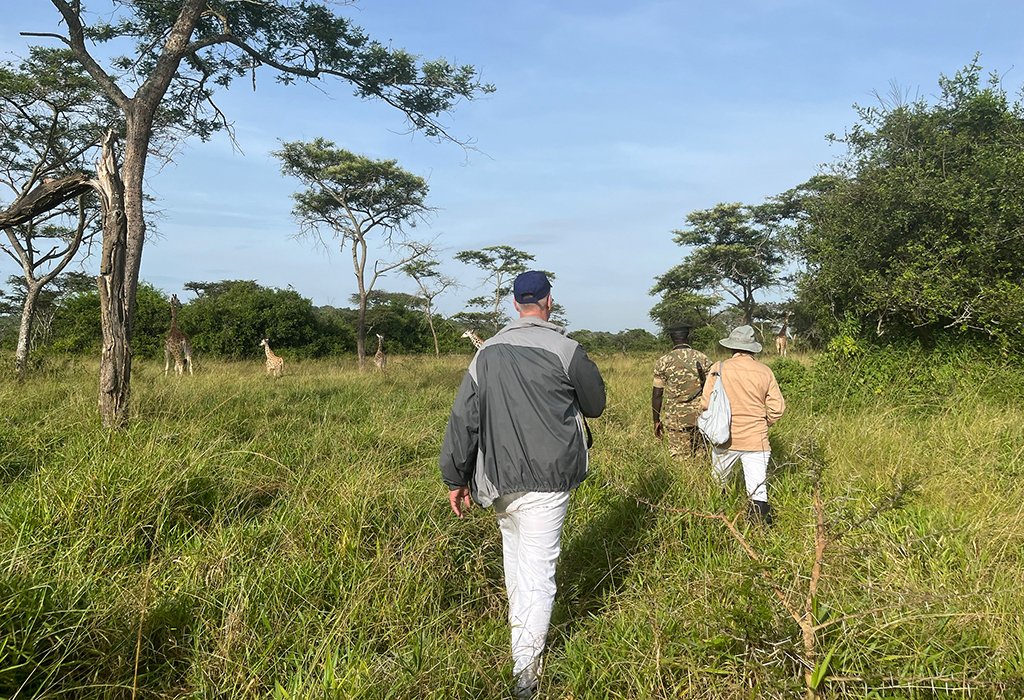
Lake Mburo National Park is home to the beautiful Rubanga Forest, a small but ecologically rich forest located on the western side of the park. This hidden gem is ideal for guided nature walks, offering visitors a peaceful and immersive experience away from the open savannah landscapes. Despite its size, Rubanga Forest supports a remarkable variety of biodiversity, making it an important habitat within the park’s ecosystem.
The forest is especially rewarding for birdwatching, with species such as the green pigeon, narina trogon, and double-toothed barbet commonly recorded. Its dense vegetation and tranquil environment create excellent conditions for spotting forest-dwelling birds and enjoying close encounters with nature. Guided walks with experienced rangers enhance the experience, as visitors learn about the forest’s plant species, their ecological roles, and traditional uses.
The calm atmosphere, combined with the constant sound of birdsong and rustling leaves, makes Rubanga Forest one of the most refreshing and peaceful experiences in Lake Mburo National Park. It is an ideal activity for birders, photographers, and nature lovers seeking a quiet and educational escape within Uganda’s smallest savannah national park.