
Uganda Eco Tourism Guide 2026/2027 | Sustainable Safari Travel
What Is Uganda Eco Tourism?
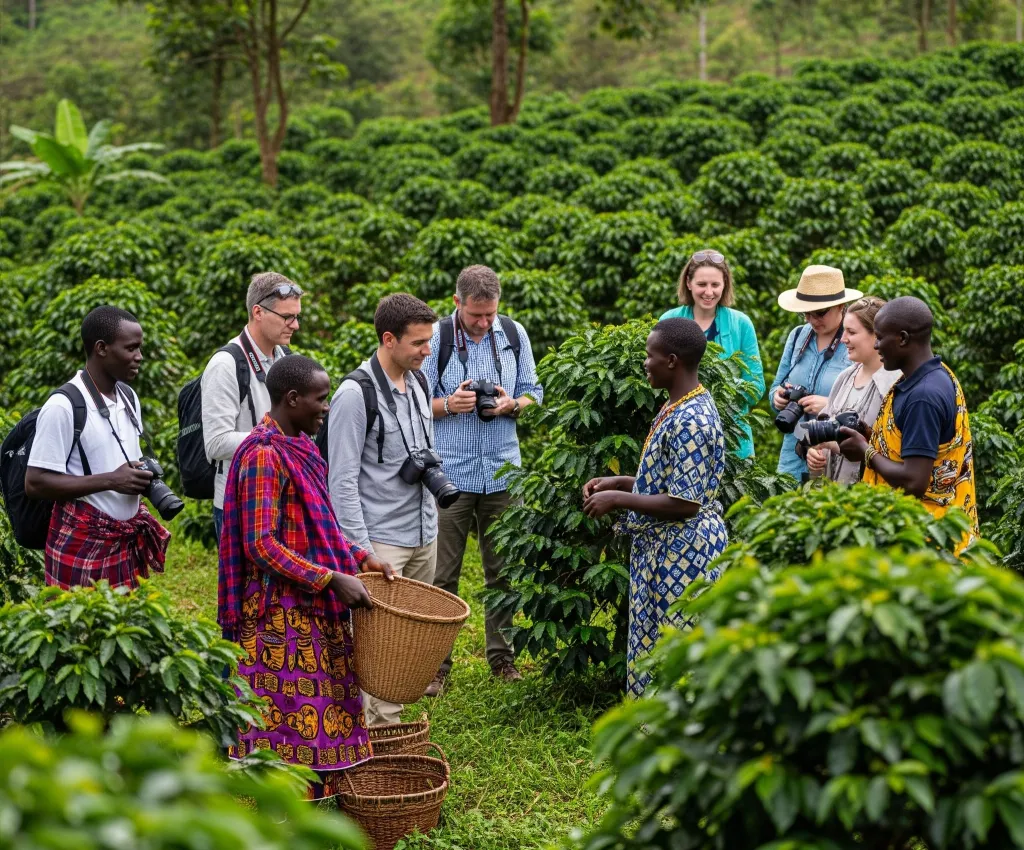
Uganda Eco Tourism is a responsible way of exploring Uganda’s wildlife, forests, lakes, mountains, wetlands and local communities while protecting the natural environment for future generations. It allows visitors to enjoy meaningful travel experiences without causing unnecessary harm to wildlife habitats or local cultures. Travellers taking part in Uganda safaris are encouraged to respect nature, follow national park regulations and support tourism services that benefit conservation. A carefully planned eco adventure should leave a positive impact on the destination while giving the traveller a deeper understanding of Uganda’s natural and cultural heritage.
Eco tourism in Uganda connects travel with environmental protection, wildlife conservation and community development. Instead of visiting a destination only for entertainment, responsible travellers learn about the ecosystems, animals and communities that make each place special. Uganda offers many opportunities for low-impact travel, including guided forest walks, birdwatching, primate trekking, community visits and conservation-focused wildlife tours. Visitors can explore the country through carefully organised safari activities and longer journeys such as the Uganda Explorer, which can connect forests, savannahs, lakes and local communities within one responsible travel route.
Understanding the Meaning of Eco Tourism in Uganda
Eco tourism means travelling to natural areas in a way that protects the environment, supports local people and educates visitors. In Uganda, this form of tourism is closely connected to national parks, wildlife reserves, tropical forests, community-owned projects and culturally important landscapes. Activities such as gorilla trekking are controlled through permits, visitor regulations and professional guiding to reduce pressure on sensitive wildlife. Travellers may also choose responsible birdwatching experiences that encourage the protection of forests, wetlands and other habitats used by Uganda’s remarkable bird species.
Uganda Eco Tourism is not limited to observing animals inside national parks. It also includes staying in environmentally responsible accommodation, buying locally made products, reducing plastic waste, respecting cultural traditions and using experienced local guides. A responsible traveller considers how transport, accommodation, food, activities and waste management affect the destination. Choosing a local company that promotes sustainable tourism can help ensure that safari spending supports Ugandan guides, lodge workers, farmers, craftspeople and conservation partners. Travellers can also learn more about planning a meaningful journey through the company’s travel guides.
Why Uganda Is Important for Eco Tourism
Uganda is one of Africa’s most rewarding eco tourism destinations because it has a remarkable combination of tropical rainforests, open savannahs, volcanic mountains, freshwater lakes, powerful rivers and extensive wetlands. These different ecosystems support mountain gorillas, chimpanzees, elephants, lions, giraffes, hippos, buffaloes, antelopes and a wide variety of birds. Travellers can experience the country’s biodiversity through a complete Uganda safari or choose a shorter gorilla safari that focuses on the protected rainforests of southwestern Uganda.
The country’s location also makes it ecologically important. Uganda lies where several African habitats meet, allowing travellers to see East African savannah wildlife, Central African forest species and many migratory birds within one country. Its protected areas preserve some of the continent’s most valuable ecosystems. Bwindi Impenetrable National Park protects an ancient rainforest and endangered mountain gorillas, while Kibale Forest National Park is famous for primates and tropical forest biodiversity. Travellers interested in a deeper rainforest experience can read the Bwindi guide or explore the longer gorilla habituation experience available in Uganda.
The Main Principles of Uganda Eco Tourism
The first principle of Uganda Eco Tourism is protecting nature. Tourists should avoid disturbing animals, damaging plants, leaving rubbish or entering restricted areas. During wildlife experiences, visitors must listen to their guides, maintain the required viewing distance and avoid feeding or touching wild animals. These simple actions help reduce stress on wildlife and protect fragile habitats. Responsible visitors should also choose organised experiences such as a professionally guided wildlife safari and carefully planned primate trekking activities that follow conservation rules.
The second principle is supporting local communities. Eco tourism should create employment, encourage local business ownership and provide communities with reasons to protect nearby forests and wildlife. Travellers can support communities by staying in locally managed accommodation, hiring Ugandan guides, purchasing genuine crafts and joining respectful cultural experiences. Community visits should be organised with permission and should protect the dignity of local people. Responsible cultural travel may be included within a community journey or added to a personalised itinerary designed through Tavira Africa Safaris’ safari planning service.
How Eco Tourism Supports Wildlife Conservation
Tourism can provide financial support for the management of national parks, protection of endangered animals, maintenance of trails and employment of conservation staff. Park entrance fees, trekking permits and activity charges can contribute to the continued protection of Uganda’s wildlife areas. Gorilla tourism is a clear example because the number of daily visitors is controlled, trekking is guided and visitors must follow strict rules when they meet the gorillas. Responsible travellers who book a regulated gorilla experience therefore participate in a tourism system designed to give economic value to the protection of forests and endangered wildlife.
How Eco Tourism Benefits Local Communities
Uganda Eco Tourism can create income for people living near national parks, forests, lakes and other attractions. Local residents may work as safari guides, rangers, drivers, lodge employees, porters, cooks, farmers, performers and craft makers. Tourism can also create demand for local food, transport, accommodation and cultural experiences. When safari businesses purchase products locally and employ people from surrounding communities, tourism income spreads beyond national parks and benefits more households.
Community participation is important because conservation works best when local people receive clear benefits from tourism. Communities that gain employment, business opportunities and development support from protected areas are more likely to value wildlife and participate in conservation. However, community tourism must be handled respectfully. Visitors should ask before taking photographs, avoid making promises they cannot keep and follow the guidance of local hosts. Uganda Eco Tourism should strengthen communities rather than treating people and their traditions as simple tourist attractions.
Popular Forms of Eco Tourism in Uganda
Some of the most popular eco tourism activities in Uganda include gorilla trekking, chimpanzee trekking, birdwatching, nature walks, mountain hiking, canoeing, cycling, boat safaris and community experiences. These activities allow visitors to enjoy the country at a slower pace while learning from professional guides. Forest-based activities are especially important because they introduce travellers to trees, birds, primates, insects and smaller species that may be missed during ordinary vehicle-based game drives.
Wildlife safaris can also be part of eco tourism when they are managed responsibly. Travellers should remain on approved tracks, avoid crowding animals, reduce noise and never pressure guides to chase wildlife. Boat trips should protect riverbanks and aquatic habitats, while hiking groups should carry away their waste and avoid damaging vegetation. The purpose of a Uganda eco safari is not only to photograph animals but also to understand their behaviour, habitat and importance within the wider ecosystem.
Responsible Accommodation and Transport
Eco-friendly accommodation can reduce the environmental impact of tourism by using solar energy, harvesting rainwater, controlling waste, reducing single-use plastics and purchasing food from nearby farms. Some lodges also support community projects, employ local residents and use building materials that blend with the surrounding landscape. Travellers should look beyond the word “eco” and ask how a lodge manages water, energy, rubbish, food supplies and community relationships.
Transport is another important part of Uganda Eco Tourism because long road journeys and unnecessary transfers can increase fuel use. A well-planned safari route connects nearby destinations in a logical order and gives travellers enough time to enjoy each location. Combining several attractions within one realistic circuit can reduce repeated driving while improving the overall safari experience. Private groups can also travel together in one suitable vehicle rather than using several vehicles unnecessarily.
The Role of Travellers in Uganda Sustainable Tourism
Every visitor has a responsibility to protect the places they explore. Travellers should carry reusable water bottles where safe refilling is available, avoid disposable plastics, save water, switch off lights and charging equipment when not required, and dispose of rubbish properly. They should never purchase products made from endangered animals, protected plants or illegally collected natural materials. Small daily choices can reduce the environmental impact of an entire safari.
Respect for people is equally important. Visitors should learn a few local greetings, dress appropriately during community visits, ask permission before photographing residents and respect religious and cultural customs. Bargaining should remain polite, and purchases should be made from legitimate local businesses. Responsible travel means recognising that Uganda is not simply a tourist product but a living country where people work, raise families, protect traditions and manage natural resources.
Why Uganda Eco Tourism Is Growing
More travellers are searching for meaningful holidays that combine adventure with conservation and community support. Uganda is well positioned to meet this demand because it offers intimate wildlife experiences, varied landscapes and many opportunities to travel with local guides. Gorilla trekking, chimpanzee tracking, birdwatching and community tourism give visitors a strong connection to the country while generating income that can support conservation and local employment.
Uganda Eco Tourism is also growing because modern travellers want to understand where their money goes and how their holidays affect destinations. They increasingly prefer smaller groups, private journeys, locally owned services and accommodation that demonstrates responsible environmental practices. This shift encourages safari companies, lodges and activity providers to improve waste management, conservation education and community participation.
Uganda Eco Tourism with Tavira Africa Safaris
Tavira Africa Safaris designs private and personalised journeys that connect Uganda’s forests, wildlife parks, lakes, mountains and communities. A responsible itinerary considers travel distance, accommodation location, park regulations, activity permits and the interests of each traveller. This creates a smoother safari while reducing unnecessary transfers and giving visitors more time to appreciate each destination.
Travellers can choose gorilla trekking, chimpanzee tracking, game drives, birdwatching, boat safaris, hiking and cultural experiences according to their interests and available time. Each Uganda Eco Tourism itinerary can be adjusted to suit the preferred travel dates, budget, accommodation level and physical ability of the travellers. By following wildlife regulations, respecting communities and choosing responsible local services, visitors can enjoy Uganda while helping protect the natural and cultural treasures that make the country unique.
Why Uganda Is One of Africa’s Best Eco Tourism Destinations
Uganda is one of Africa’s best eco tourism destinations because it brings together tropical forests, open savannahs, volcanic mountains, freshwater lakes, powerful rivers, wetlands and culturally rich communities within one country. Travellers can move from the mist-covered forests of Bwindi Impenetrable National Park to the wildlife-rich plains of Queen Elizabeth National Park while experiencing major changes in landscape, wildlife and climate. This natural variety makes Uganda Eco Tourism suitable for travellers interested in primates, birds, large mammals, hiking, photography, culture and responsible community experiences. Unlike destinations that are mainly known for one type of attraction, Uganda provides a complete eco tourism experience that combines wildlife conservation, outdoor adventure and meaningful local encounters.
Exceptional Biodiversity Within One Country
One of the strongest reasons Uganda is considered an important eco tourism destination is its remarkable biodiversity. The country lies within a region where several African ecosystems meet, creating suitable habitats for forest primates, savannah mammals, wetland birds and mountain species. A well-planned Uganda safari may include mountain gorillas, chimpanzees, elephants, lions, leopards, giraffes, buffaloes, hippos, crocodiles, zebras and many smaller animals. Travellers can explore this biodiversity through carefully selected Uganda destinations that protect forests, rivers, grasslands, lakes, mountains and seasonal wetlands. This concentration of habitats allows visitors to enjoy several forms of eco tourism without crossing many international borders.
Uganda’s biodiversity also makes the country attractive to specialist travellers. Birdwatchers can search for forest birds, water birds, savannah species, Albertine Rift endemics and seasonal migrants during one journey. Botanists, photographers, researchers and nature lovers can explore ancient forests, papyrus wetlands, acacia woodlands and high-altitude vegetation. Travellers interested in primates can combine gorilla trekking in Uganda with chimpanzee trekking, creating a responsible primate safari that supports the continued protection of two of Africa’s most important forest animals.
Home to Endangered Mountain Gorillas
Mountain gorillas are among the strongest reasons travellers choose Uganda Eco Tourism. Uganda protects mountain gorillas within Bwindi Impenetrable National Park and Mgahinga Gorilla National Park, where guided trekking gives visitors an opportunity to observe habituated gorilla families in their natural forest environment. The experience is controlled through permits, limited group sizes, ranger supervision and wildlife-viewing regulations. These measures make Uganda gorilla safaris an important example of regulated nature tourism. Travellers planning this experience should also understand the requirements of a Uganda gorilla permit, since permits help control visitor numbers and support the management of protected gorilla habitats.
Gorilla trekking is more than a wildlife encounter because it connects tourism income with forest protection, professional guiding and employment in communities surrounding the parks. Porters, guides, lodge workers, drivers, farmers, craftspeople and cultural performers can all benefit from responsible gorilla tourism. Travellers who want more time learning about gorilla behaviour may consider the gorilla habituation experience, while those with limited travel time may choose a shorter Uganda gorilla trekking safari. Both experiences should be organised responsibly, with clear respect for the gorillas, the forest and the instructions provided by park rangers.
Outstanding Chimpanzee and Primate Experiences
Uganda is also one of Africa’s leading destinations for chimpanzee and primate tourism. Kibale Forest National Park is widely known for guided chimpanzee tracking, but primate experiences can also be found in other forests and protected areas. During a responsible chimpanzee trek, visitors enter the forest with trained guides who explain primate behaviour, forest ecology, conservation challenges and the relationships between different plant and animal species. A longer Uganda primate safari can combine gorillas, chimpanzees, monkeys, wildlife parks and cultural experiences, while Tavira Africa Safaris can create a more focused route through its tailor-made safari planning service.
Diverse National Parks and Protected Landscapes
Uganda’s national parks protect a wide range of natural landscapes, giving eco travellers many choices beyond gorilla and chimpanzee trekking. Murchison Falls National Park combines savannah wildlife with the River Nile and one of the country’s most powerful natural attractions. Queen Elizabeth National Park includes open plains, crater landscapes, wetlands, channels and forested areas. Kidepo Valley National Park offers remote wilderness and dramatic scenery, while Lake Mburo National Park provides a compact wildlife destination with opportunities for game drives, walking safaris and nature-based activities. Travellers can discover these environments through responsible wildlife game drives or combine several parks within an extended Uganda eco safari.
The variety of protected landscapes means that travellers can choose an eco tourism route that suits their available time, interests and physical ability. Visitors who enjoy forests may focus on Bwindi and Kibale, while wildlife enthusiasts may combine Murchison Falls, Queen Elizabeth, Kidepo Valley and Lake Mburo. Hikers may prefer the Rwenzori Mountains, Mount Elgon, Mgahinga or the Sipi Falls region. A carefully planned route reduces unnecessary driving and allows travellers to spend more time understanding each ecosystem. The Uganda travel guide provides an overview of the country’s major natural attractions, while the new Uganda tourism experiences guide introduces additional ways to explore the country responsibly.
Uganda’s Remarkable Birdlife
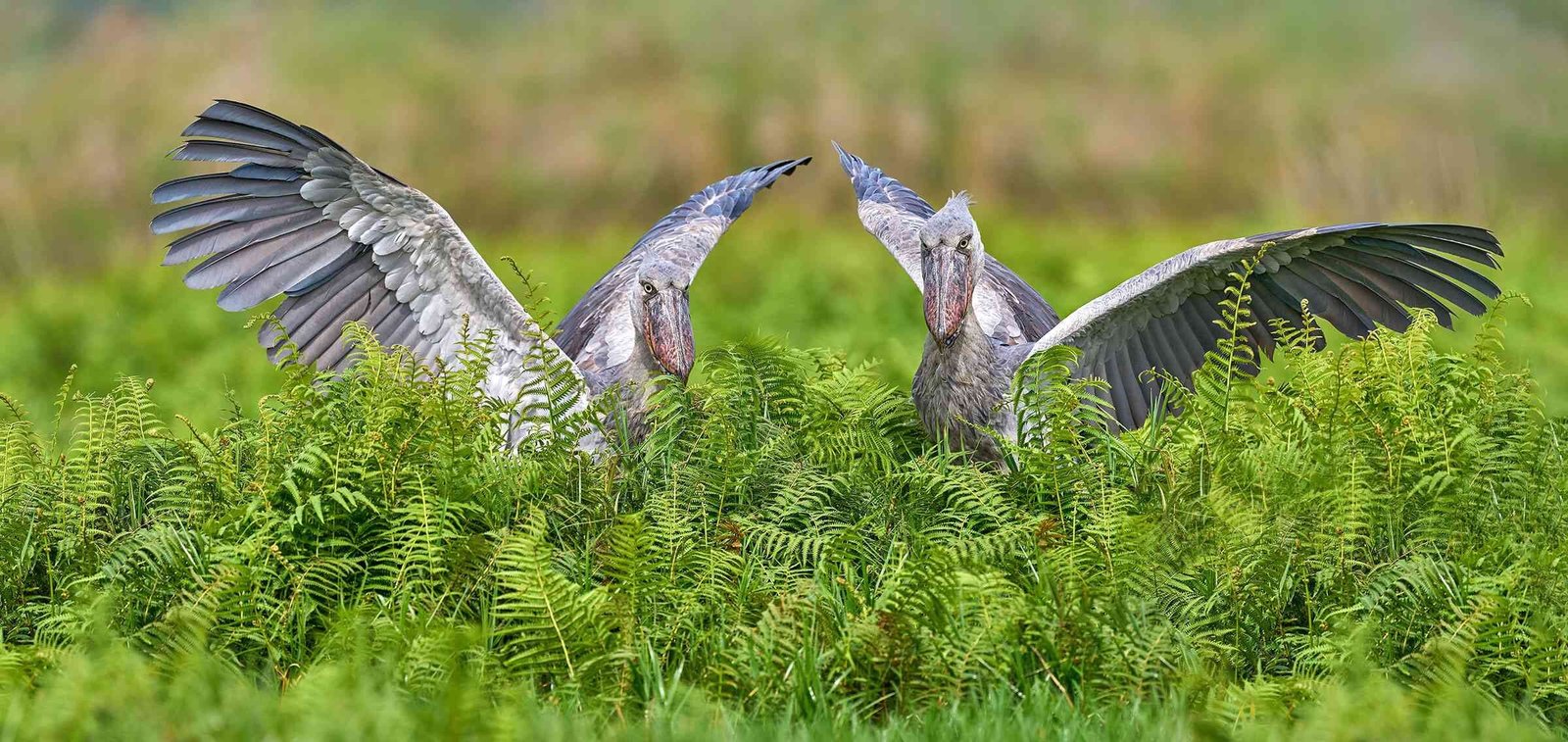
Birdwatching is an important part of Uganda Eco Tourism because the country contains forests, wetlands, lakes, rivers, mountains and savannah habitats within a relatively compact area. These habitats support colourful forest birds, birds of prey, water birds, grassland species and birds associated with the Albertine Rift. Mabamba Wetland is especially popular among visitors searching for the shoebill, while Bwindi, Kibale, Queen Elizabeth, Murchison Falls, Semuliki and the Rwenzori region provide many other birding opportunities. Responsible birdwatching encourages quiet observation, habitat protection and the use of knowledgeable local guides.
A birding safari can also support conservation beyond national parks because many important bird habitats are located in community wetlands, private land, forest edges and agricultural landscapes. Local guides who understand bird calls, seasonal movements and feeding areas provide valuable knowledge while earning income from conservation-based tourism. Visitors should avoid disturbing nests, playing recorded calls excessively or entering sensitive habitats without permission. These responsible practices help make birdwatching a low-impact Uganda Eco Tourism activity.
Strong Opportunities for Community-Based Tourism
Uganda’s cultural diversity gives eco travellers opportunities to learn from communities living near forests, parks, mountains, lakes and rural farming areas. Community tourism may include guided village walks, coffee experiences, craft demonstrations, traditional food preparation, storytelling, music, dance and visits to locally managed projects. When organised respectfully, these experiences create income while helping visitors understand the relationship between people, wildlife and natural resources.
Community-based eco tourism is especially valuable when local residents participate in planning, management and decision-making. Travellers should choose experiences where communities are treated as partners rather than attractions. Payments should be transparent, photography should require permission and cultural activities should be presented with dignity. Tavira Africa Safaris promotes locally guided journeys through its Uganda-based safari team, helping visitors connect with authentic places while supporting responsible tourism services.
Beautiful Lakes, Rivers and Wetlands
Uganda’s freshwater environments add another dimension to its eco tourism appeal. The country includes sections of Lake Victoria, the River Nile, Lake Bunyonyi, Lake Mutanda, Lake Albert, Lake Edward, Lake George and many smaller crater lakes. These water systems support fish, birds, hippos, crocodiles, wetland plants and communities whose livelihoods depend on fishing, farming and tourism. Responsible boat safaris, canoe trips and wetland walks allow visitors to appreciate these ecosystems without relying only on vehicle-based wildlife viewing.
Water-based activities should be managed carefully to avoid pollution, excessive noise and disturbance of breeding areas. Travellers can reduce their impact by avoiding plastic waste, following boat safety instructions and choosing experienced local operators. Lake and river tourism can also help diversify community income, particularly where local guides, boat operators, food suppliers and accommodation owners participate directly in tourism.
Mountains, Forests and Hiking Adventures
Uganda Eco Tourism is also suitable for active travellers who enjoy walking, hiking and mountain scenery. The Rwenzori Mountains offer high-altitude landscapes, glaciers, valleys and unique vegetation, while Mount Elgon provides waterfalls, caves, forests and mountain trails. The Virunga region around Mgahinga offers volcanic scenery and opportunities for guided hiking. Shorter nature walks are available in forests, wetlands, wildlife parks and community areas across the country.
Hiking creates close contact with nature, but it must be managed responsibly. Travellers should remain on approved trails, carry away their waste, avoid collecting plants and follow the instructions of guides. Local porters and mountain guides should receive fair treatment, suitable equipment and agreed payment. When these standards are followed, hiking tourism can support both environmental protection and local livelihoods.
Fewer Crowds and More Personal Safari Experiences
Uganda offers opportunities for quieter and more personal eco tourism experiences, particularly when travellers visit less crowded parks, travel during greener seasons or choose longer routes beyond the most famous attractions. Remote destinations such as Kidepo Valley, Pian Upe, Semuliki and parts of northeastern Uganda can provide a strong sense of wilderness. Smaller groups also reduce noise, improve wildlife observation and allow guides to provide more detailed interpretation.
A personalised safari can be planned around birdwatching, photography, primates, conservation, culture, hiking or general wildlife viewing. Private travel also makes it easier to adjust the pace of the itinerary and spend more time in locations that interest the traveller. However, a private safari should still follow park rules, wildlife-viewing distances and responsible waste practices. Comfort and exclusivity should never come at the expense of conservation.
Eco Tourism Throughout the Year
Uganda can be visited throughout the year, although weather conditions affect road travel, trekking trails, wildlife movement and photography. Drier months can make gorilla trekking, chimpanzee tracking, hiking and long road journeys easier, while greener periods bring fresh vegetation, dramatic landscapes, migratory birds and fewer visitors in some areas. The best season therefore depends on the traveller’s main interests rather than one fixed period for every safari.
Year-round tourism can help reduce pressure on popular months and provide steadier employment for guides, lodge workers and community tourism projects. Travellers who are flexible with their dates may also experience quieter parks and greener scenery. Responsible safari planning should consider rainfall, road conditions, activity permits, lodge location and the sensitivity of each destination.
Why Choose Uganda for a Responsible African Safari?
Uganda stands out because it combines endangered primates, classic African wildlife, exceptional birdlife, freshwater ecosystems, mountains and cultural diversity in one destination. A single journey can include gorilla trekking in a rainforest, chimpanzee tracking, game drives across open savannah, a boat safari on the Nile, birdwatching in wetlands and a respectful community experience. This variety gives travellers a deeper understanding of how different ecosystems and communities are connected.
Choosing Uganda Eco Tourism also gives visitors an opportunity to direct their travel spending toward local guides, conservation activities, responsible accommodation and community enterprises. The strongest eco safari is not simply the journey with the most activities; it is the journey that balances meaningful experiences with wildlife protection, respectful cultural interaction and careful use of natural resources. With responsible planning, Uganda offers one of Africa’s richest and most memorable sustainable travel experiences.
Top Eco Tourism Destinations in Uganda
Uganda Eco Tourism is built around an extraordinary collection of protected national parks, wildlife reserves, forests, mountains, wetlands and lakes that preserve some of Africa’s richest biodiversity. Every destination offers unique ecosystems, wildlife encounters and conservation experiences that allow travellers to appreciate nature while supporting sustainable tourism.
Whether you are interested in mountain gorillas, chimpanzees, rare birds, tree climbing lions or remote wilderness, Uganda has an eco tourism destination that matches your interests. Planning a journey through Uganda safari destinations with the help of Tavira Africa Safaris ensures that every destination is visited responsibly while supporting conservation and local communities.
Bwindi Impenetrable National Park
Bwindi Impenetrable National Park is the heart of Uganda Eco Tourism and one of the world’s most important conservation areas. This ancient rainforest is home to nearly half of the world’s remaining mountain gorillas and protects hundreds of bird species, butterflies, reptiles, mammals and unique plant life. Walking through Bwindi allows visitors to experience one of Africa’s oldest forests while learning how conservation protects endangered wildlife. Travellers planning gorilla trekking in Uganda often begin by reading the complete Bwindi Gorilla Trekking Guide before selecting the most suitable trekking sector.
Beyond gorilla trekking, Bwindi offers guided forest walks, birdwatching, waterfall trails, Batwa cultural experiences and community tourism projects that directly benefit surrounding villages. Local guides explain the importance of forest conservation, medicinal plants and the delicate relationship between wildlife and nearby communities. Revenue from permits and tourism contributes to conservation programmes while creating employment for rangers, guides, porters, lodge staff and local artisans.
Mgahinga Gorilla National Park
Mgahinga Gorilla National Park is Uganda’s smallest national park but one of its most remarkable eco tourism destinations. Located within the Virunga Mountains, the park protects mountain gorillas, golden monkeys, volcanic landscapes and unique alpine vegetation. Visitors enjoy spectacular views while participating in low-impact tourism activities that protect fragile mountain ecosystems. Travellers interested in a quieter gorilla experience can combine gorilla safaris with golden monkey trekking for an unforgettable conservation-focused adventure.
Mgahinga is also home to the Batwa people, whose traditional forest knowledge plays an important role in cultural conservation. Guided cultural experiences introduce visitors to indigenous traditions while supporting community livelihoods. Hiking the Virunga volcanoes and exploring the bamboo forests further demonstrates how Uganda Eco Tourism combines wildlife protection with cultural preservation.
Kibale Forest National Park
Kibale Forest National Park is recognised as one of Africa’s finest tropical rainforests and is famous for its incredible diversity of primates. The park protects chimpanzees, red colobus monkeys, black-and-white colobus monkeys, L’Hoest’s monkeys and several other primate species. Chimpanzee tracking allows visitors to observe these intelligent animals in their natural habitat while learning about forest ecology and conservation. Those planning a primate safari often include chimpanzee trekking in Uganda alongside new Uganda tourism experiences for a complete rainforest adventure.
The surrounding Bigodi Wetland Sanctuary offers excellent birdwatching, community-guided nature walks and environmental education programmes. Tourism revenue supports local schools, conservation projects and community development, making Kibale one of Uganda’s strongest examples of sustainable eco tourism.
Queen Elizabeth National Park
Queen Elizabeth National Park is one of Uganda’s most diverse wildlife destinations, offering savannah grasslands, crater lakes, wetlands, forests and the famous Kazinga Channel. Visitors may encounter elephants, buffaloes, hippos, crocodiles, antelopes, leopards and the famous tree climbing lions of Ishasha. Responsible game drives and boat cruises allow wildlife viewing while protecting animal habitats and minimising environmental impact. Travellers can learn more about game drives and combine them with Uganda safari holidays that include multiple national parks.
The park also supports extensive birdlife and conservation programmes that involve surrounding communities. Guided nature walks, crater lake visits and community experiences help diversify tourism while reducing pressure on wildlife viewing alone. Queen Elizabeth National Park remains one of the finest destinations for travellers seeking a balanced Uganda Eco Tourism experience.
Murchison Falls National Park
Murchison Falls National Park is Uganda’s largest national park and is famous for the powerful waterfall where the River Nile squeezes through a narrow rock gorge before plunging dramatically below. The park protects elephants, giraffes, lions, leopards, buffaloes, hippos, crocodiles and hundreds of bird species across vast savannah landscapes. Visitors can enjoy boat safaris, game drives, nature walks and birdwatching while learning about ecosystem conservation. Travellers planning longer adventures often include extended Uganda safaris together with multiple safari destinations.
The waterfall itself demonstrates the importance of freshwater conservation and river ecosystems. Boat cruises on the Nile provide excellent opportunities to observe hippos, crocodiles and aquatic birds while supporting conservation initiatives managed by Uganda Wildlife Authority.
Kidepo Valley National Park
Kidepo Valley National Park is one of Africa’s most remote wilderness areas and offers an authentic eco tourism experience away from large crowds. Located in northeastern Uganda, the park protects expansive savannah plains, rocky mountains and seasonal rivers that support lions, cheetahs, elephants, buffaloes, ostriches and many other wildlife species. Responsible tourism in Kidepo focuses on low visitor numbers, wildlife conservation and community engagement.
Visitors also have opportunities to interact respectfully with the Karamojong communities, learning about traditional pastoral lifestyles while contributing to locally managed tourism projects. Eco tourism helps create alternative sources of income that encourage long-term conservation of wildlife habitats.
Lake Mburo National Park
Lake Mburo National Park offers one of Uganda’s most accessible eco tourism destinations and is well known for walking safaris, cycling safaris, horse riding and boat cruises. Unlike many African parks, visitors can safely experience guided walking safaris that provide a close connection with nature. Travellers interested in active adventures often include nature-based safari activities together with customised safari itineraries designed around their interests.
The park protects zebras, impalas, elands, buffaloes, hippos and more than 350 bird species. Wetland conservation and sustainable grazing practices make Lake Mburo an excellent example of how wildlife and local communities can successfully coexist.
Rwenzori Mountains National Park
The Rwenzori Mountains, often called the Mountains of the Moon, offer one of Africa’s greatest hiking destinations. The park protects glaciers, waterfalls, alpine vegetation, bamboo forests and unique wildlife found nowhere else. Responsible trekking is carefully managed through trained guides, porters and conservation regulations that minimise environmental impact while supporting local employment.
Whether visitors choose multi-day mountain expeditions or shorter forest walks, the Rwenzori Mountains provide unforgettable opportunities to experience Uganda’s high-altitude ecosystems. Eco tourism revenue supports trail maintenance, conservation research and surrounding communities.
Mount Elgon National Park
Mount Elgon National Park is another outstanding eco tourism destination known for waterfalls, caves, bamboo forests and one of the world’s largest volcanic calderas. Hiking routes pass through changing vegetation zones that demonstrate the incredible diversity of Uganda’s mountain ecosystems. Visitors also enjoy coffee tours and community experiences that highlight sustainable farming and environmental conservation.
Eco tourism encourages visitors to appreciate both natural and cultural landscapes while supporting conservation initiatives that protect water catchments, forests and biodiversity throughout the Mount Elgon region.
Semuliki National Park
Semuliki National Park protects one of Central Africa’s oldest lowland tropical forests and is home to unique birds, primates, butterflies and hot springs. The park offers guided forest walks that introduce visitors to rich biodiversity rarely found elsewhere in East Africa. Responsible tourism here focuses on conservation education, scientific research and habitat protection.
The famous Sempaya Hot Springs attract visitors interested in geology as well as wildlife. Local guides explain the area’s ecological importance while ensuring that tourism activities remain environmentally responsible and culturally respectful.
Mabamba Wetland
Mabamba Wetland is internationally recognised as one of Africa’s best birdwatching destinations and is particularly famous for the elusive shoebill stork. Canoe excursions through the papyrus channels provide peaceful opportunities to observe birds without disturbing their natural habitat. Birdwatchers frequently combine Uganda birdwatching tours with Uganda wildlife safaris for a complete eco tourism experience.
The wetland also plays a critical role in water purification, flood control and fish breeding. Responsible tourism helps generate income that encourages local communities to conserve this internationally important ecosystem rather than converting it to other land uses.
Sipi Falls
Sipi Falls offers spectacular waterfalls, coffee plantations, caves and scenic hiking trails on the slopes of Mount Elgon. The area demonstrates how agriculture, tourism and environmental conservation can successfully work together. Visitors enjoy guided walks, coffee farm experiences and cultural interactions while supporting local families who depend on sustainable tourism.
Responsible tourism at Sipi Falls encourages conservation of water sources, forest cover and mountain landscapes while creating employment opportunities for guides, farmers and accommodation providers.
Pian Upe Wildlife Reserve
Pian Upe Wildlife Reserve is one of Uganda’s emerging eco tourism destinations and provides an excellent opportunity for travellers seeking remote landscapes and fewer visitors. The reserve protects cheetahs, roan antelopes, ostriches, zebras and diverse birdlife across open grasslands and rocky hills. Tourism here remains relatively low-impact, allowing visitors to experience genuine wilderness while supporting future conservation efforts.
As visitor numbers continue to grow responsibly, Pian Upe has significant potential to become one of Uganda’s leading eco tourism destinations, offering authentic wildlife experiences while contributing to habitat protection and community development.
Why These Eco Tourism Destinations Matter
Each of Uganda’s eco tourism destinations contributes to wildlife conservation, habitat protection and sustainable community development. Together they preserve endangered species, protect important ecosystems and generate income that supports local livelihoods. By choosing responsible travel practices and visiting protected areas through experienced operators such as Tavira Africa Safaris, travellers become active participants in conservation rather than simply visitors.
Uganda Eco Tourism is more than visiting beautiful places. It is about protecting forests, rivers, mountains, wetlands and wildlife while ensuring that future generations can continue enjoying these remarkable landscapes. Every responsible safari contributes to conservation, education and sustainable development, making Uganda one of the world’s leading destinations for environmentally responsible travel.
Best Eco Tourism Activities in Uganda
Uganda offers a wide range of eco tourism activities that allow visitors to explore its wildlife, forests, mountains, rivers, lakes and communities responsibly. These experiences are designed to create a close connection between travellers and nature while generating income for conservation and local development.
The best Uganda Eco Tourism activities include primate trekking, wildlife viewing, birdwatching, guided nature walks, mountain hiking, boat safaris, cultural encounters and community-based experiences. Travellers can combine several Uganda safari activities within a carefully planned journey such as the Complete Uganda Explorer. Every activity should follow park regulations, respect local customs, minimise waste and protect the natural environment. Choosing smaller groups, trained local guides and responsibly managed experiences helps travellers enjoy Uganda while contributing to the long-term protection of its natural and cultural heritage.
Gorilla Trekking in Uganda
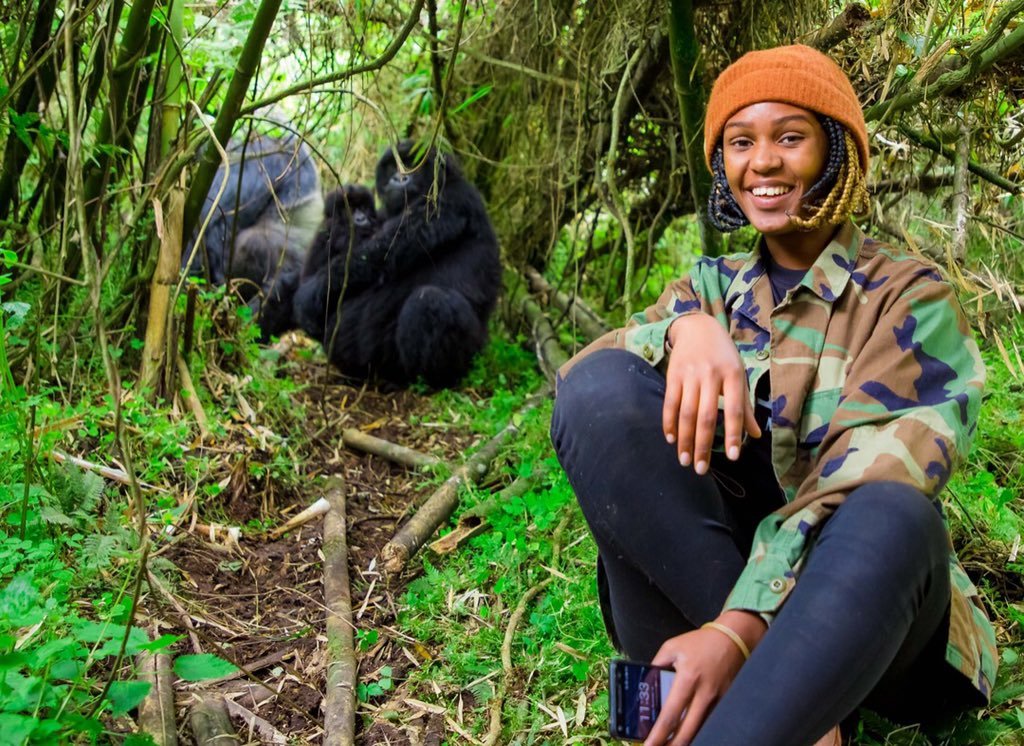
Gorilla trekking is one of the most important Uganda Eco Tourism activities and one of the most meaningful wildlife experiences in Africa. The activity takes place in Bwindi Impenetrable National Park and Mgahinga Gorilla National Park, where visitors enter protected rainforest with trained guides, trackers and armed park rangers. Trekking may involve walking across steep slopes, muddy paths, thick vegetation and uneven forest ground before reaching a habituated mountain gorilla family.
Once the gorillas are located, visitors are allowed to observe them for a controlled period while following strict rules designed to reduce disturbance and the risk of disease transmission. Travellers should remain calm, avoid flash photography, maintain the required distance and follow every instruction provided by the ranger guides. A responsible gorilla trekking experience supports forest conservation, park management, wildlife monitoring and employment for local guides, porters and lodge workers. Visitors planning a short primate journey can consider a Bwindi gorilla safari that focuses on the rainforest and nearby communities.
Chimpanzee Trekking and Habituation
Chimpanzee trekking is another leading eco tourism activity in Uganda, with Kibale Forest National Park providing the country’s most famous chimpanzee experience. Visitors walk through tropical rainforest with professional guides who search for chimpanzees by listening to their calls, observing fresh nests and identifying signs of recent movement. The activity offers an opportunity to watch chimpanzees feeding, climbing, resting, communicating and moving through the forest.
Guides also interpret trees, birds, monkeys, insects and the wider forest ecosystem, making the trek an educational experience rather than a simple wildlife sighting. Uganda also offers chimpanzee habituation experiences, which allow visitors to spend more time with researchers and trackers as chimpanzees gradually become comfortable with controlled human presence. Responsible chimpanzee trekking in Uganda generates income for rainforest protection and supports employment around primate destinations. Travellers interested in combining chimpanzees with gorillas, savannah wildlife and wetland walks can explore an extended Uganda primates and wildlife safari.
Wildlife Game Drives and Photography
Wildlife game drives allow visitors to explore Uganda’s savannah ecosystems while observing animals from a safe and controlled distance. Popular destinations include Murchison Falls National Park, Queen Elizabeth National Park, Kidepo Valley National Park, Lake Mburo National Park and several wildlife reserves. Depending on the destination, travellers may see elephants, lions, leopards, buffaloes, giraffes, zebras, antelopes, warthogs, hyenas and many smaller mammals. Responsible game driving requires vehicles to remain on approved tracks, reduce noise and avoid blocking or surrounding animals.
Drivers should never chase wildlife or leave permitted routes simply to provide a closer photograph. Travellers should understand that wildlife sightings are natural and cannot be guaranteed, and patient observation often produces a more rewarding experience than rushing between locations. Professionally guided Uganda game drives help visitors understand animal behaviour, habitats and conservation challenges. A journey such as the gorillas, chimpanzees and Big Five safari combines forest conservation with responsible savannah wildlife viewing.
Birdwatching and Wetland Exploration
Birdwatching is one of the most environmentally friendly Uganda Eco Tourism activities because it encourages quiet observation and protection of natural habitats. Uganda’s forests, wetlands, mountains, lakes, rivers and savannahs support an exceptional variety of birdlife. Important birdwatching destinations include Mabamba Wetland, Bwindi Impenetrable National Park, Kibale Forest, Queen Elizabeth National Park, Murchison Falls National Park, Semuliki National Park, Lake Mburo and the Rwenzori Mountains.
Visitors may search for the shoebill, great blue turaco, African fish eagle, grey crowned crane, colourful bee-eaters, kingfishers, sunbirds and Albertine Rift species. Responsible birdwatchers should avoid disturbing nests, entering breeding areas without permission or repeatedly playing recorded calls. Hiring local bird guides creates conservation-related employment and encourages communities to protect wetlands, forest edges and private land used by birds. Travellers can find useful destination ideas within Tavira Africa Safaris’ Uganda birdwatching guides and combine birding with other responsible Uganda primate experiences.
Boat Safaris, Canoeing and River Experiences
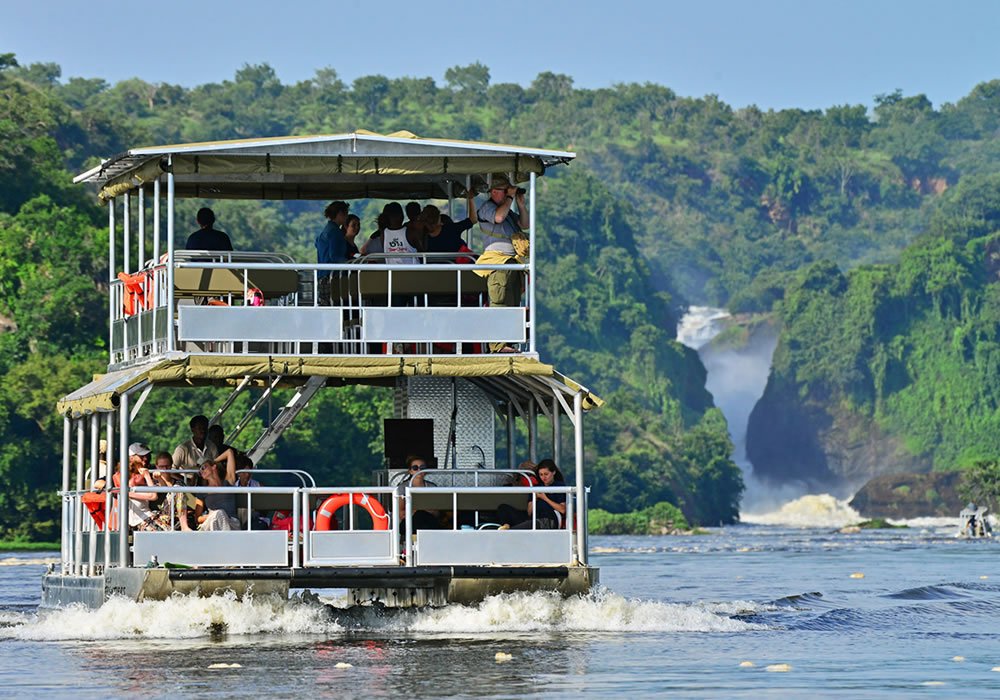
Boat safaris provide a relaxing way to explore Uganda’s rivers, lakes and wetlands while observing animals that depend on freshwater ecosystems. Popular boat experiences include the Nile journey in Murchison Falls National Park, the Kazinga Channel cruise in Queen Elizabeth National Park, Lake Mburo boat trips and canoe excursions through community wetlands.
Visitors may observe hippos, crocodiles, elephants, buffaloes, monitor lizards, kingfishers, fish eagles and many water birds. A responsible boat safari should avoid excessive noise, careless fuel handling, littering and approaching animals too closely. Operators should follow approved routes and maintain safe distances from riverbanks, nesting birds and groups of hippos. Canoeing on Lake Bunyonyi, Lake Mutanda and selected community wetlands can offer a quiet, low-impact experience when travellers use local guides and follow safety regulations. Water activities can be added to a balanced gorilla and wildlife safari or included among the company’s wider new Uganda tourism experiences.
Nature Walks, Hiking and Community Experiences
Guided nature walks, mountain hiking and community tourism allow travellers to explore Uganda at a slower pace while developing a deeper understanding of its landscapes and people. Forest walks are available in Bwindi, Kibale, Budongo, Kalinzu and several smaller protected forests, while guided walking safaris can be enjoyed in Lake Mburo National Park, selected wildlife reserves and community conservancies.
Mountain travellers can hike in the Rwenzori Mountains, Mount Elgon, Mgahinga Gorilla National Park and the Sipi Falls region. These experiences introduce visitors to plants, butterflies, birds, primates, waterfalls, volcanic landscapes and local conservation practices. Travellers should remain on approved paths, avoid collecting plants, carry away all rubbish and treat guides and porters fairly.
Community activities may include coffee tours, farm visits, craft demonstrations, village walks, traditional food preparation, storytelling, music and dance. They should be organised with community consent, fair payment and respect for personal privacy. Tavira Africa Safaris can combine these activities within a personalised Uganda eco tourism itinerary, while its local safari specialists help travellers select responsible guides and suitable routes. Visitors can also use the company’s Uganda travel guides to prepare for conservation-focused activities before arriving in the country.
Wildlife Conservation and Eco Tourism in Uganda
Wildlife conservation is the foundation of Uganda Eco Tourism because every safari, nature walk, gorilla trek and birdwatching experience depends on healthy ecosystems and protected wildlife populations. Uganda is internationally recognised for conserving endangered mountain gorillas, chimpanzees, elephants, lions, giraffes, rhinos, rare birds and countless other species that live across its forests, wetlands, mountains and savannahs. Eco tourism creates a direct relationship between conservation and sustainable economic development by generating income that supports national parks, wildlife authorities, conservation research and surrounding communities. Visitors who choose responsible Uganda safari experiences through Tavira Africa Safaris contribute to protecting Uganda’s extraordinary natural heritage while enjoying authentic wildlife encounters that leave a positive impact on both nature and local communities.
The Relationship Between Eco Tourism and Wildlife Conservation
Uganda Eco Tourism succeeds because wildlife conservation and tourism work together to protect biodiversity. Without healthy forests, wetlands, rivers and grasslands, many of Uganda’s famous safari experiences would not exist. Gorilla trekking depends on protected mountain forests, chimpanzee tracking relies on healthy tropical rainforests, and wildlife game drives require well-managed savannah ecosystems.
Revenue generated from tourism helps finance ranger patrols, park management, scientific monitoring, visitor education and habitat restoration. Responsible visitors participating in gorilla trekking in Uganda or chimpanzee trekking adventures directly support conservation programmes that protect endangered wildlife for future generations.
Tourism also encourages governments, conservation organisations and local communities to place greater value on wildlife protection. When wildlife generates sustainable income through responsible tourism instead of unsustainable resource exploitation, conservation becomes an important economic opportunity. Uganda Eco Tourism demonstrates that protecting forests, wetlands and wildlife creates long-term benefits that extend far beyond the tourism industry itself.
The Role of Uganda Wildlife Authority in Conservation
The Uganda Wildlife Authority (UWA) is responsible for managing Uganda’s national parks, wildlife reserves and protected areas. The organisation works to conserve wildlife populations, maintain park infrastructure, enforce wildlife laws, reduce illegal activities and educate visitors about responsible tourism practices. Park rangers monitor endangered species, protect habitats, respond to human-wildlife conflicts and ensure that tourism activities remain environmentally sustainable.
Visitors entering Uganda’s national parks contribute through park entrance fees, trekking permits and regulated tourism activities that support conservation management. Travellers exploring destinations through Uganda safari destinations or booking carefully designed Uganda safari packages help maintain the financial resources required to manage these internationally important protected areas.
Mountain Gorilla Conservation Success
Mountain gorillas represent one of the greatest wildlife conservation success stories in the world. Uganda protects nearly half of the world’s remaining mountain gorilla population within Bwindi Impenetrable National Park and Mgahinga Gorilla National Park. Strict conservation policies, controlled visitor numbers, veterinary monitoring, ranger patrols and scientific research have helped gorilla populations gradually recover over recent decades.
Every visitor participating in Uganda gorilla safaris contributes to conservation because gorilla permits provide significant financial support for park management and community development. Travellers seeking a deeper understanding of gorilla conservation may also choose the gorilla habituation experience, where they learn how researchers and conservationists gradually prepare wild gorilla families for carefully regulated tourism while ensuring minimal disturbance to their natural behaviour.
Chimpanzee Conservation in Uganda’s Forests
Chimpanzees face increasing threats from habitat loss, illegal hunting and expanding human settlement across parts of Africa. Uganda protects important chimpanzee populations in Kibale Forest National Park, Budongo Forest, Kalinzu Forest and several other conservation areas. Responsible chimpanzee tourism creates financial incentives for protecting these forests while encouraging environmental education and scientific research.
During professionally guided chimpanzee tracking experiences, visitors follow strict conservation rules that reduce disease transmission and minimise stress on wildlife. Travellers who combine chimpanzee tracking with Uganda primate safaris help support long-term rainforest conservation while learning about one of humanity’s closest living relatives.
Protecting Savannah Wildlife and Big Game Species
Uganda’s savannah ecosystems support elephants, lions, leopards, buffaloes, giraffes, zebras, antelopes, warthogs and many other wildlife species that depend on extensive grasslands and woodland habitats. National parks such as Murchison Falls, Queen Elizabeth, Kidepo Valley and Lake Mburo protect these animals through habitat management, anti-poaching patrols and carefully regulated tourism activities. Responsible game drives allow visitors to enjoy wildlife without disrupting natural behaviour.
Travellers should avoid encouraging unsafe wildlife viewing practices such as chasing animals, feeding wildlife or demanding that guides leave approved tracks. Professionally guided game drives combined with Big Five safari itineraries demonstrate how responsible tourism supports both unforgettable wildlife experiences and long-term conservation.
Rhino Conservation and Species Recovery
Rhinos were once found throughout parts of Uganda before poaching caused their disappearance from the country’s national parks. Conservation organisations have worked to restore rhino populations through carefully managed breeding programmes, habitat protection and intensive security. Although rhinos are currently protected within dedicated conservation areas rather than free-ranging national parks, they represent an important symbol of Uganda’s commitment to wildlife recovery.
Responsible tourism contributes to conservation awareness by encouraging visitors to learn about endangered species and the challenges facing African wildlife. As conservation programmes continue to expand, Uganda hopes to strengthen future opportunities for restoring rhinos to suitable protected habitats.
Bird Conservation and Wetland Protection
Uganda is one of Africa’s leading birdwatching destinations because its wetlands, forests, rivers, lakes and mountains support more than one thousand bird species. Important wetlands such as Mabamba protect the iconic shoebill alongside many migratory and resident birds. Conserving these habitats is essential not only for birds but also for water quality, flood control and local livelihoods.
Responsible birdwatching safaris encourage visitors to appreciate wildlife without disturbing nesting sites or breeding areas. Combining birding with nature-based tourism experiences helps support wetland conservation while creating employment opportunities for specialist local bird guides.
Community Participation in Wildlife Conservation
Successful Uganda Eco Tourism depends heavily on the participation of communities living near protected areas. Local residents often work as safari guides, rangers, lodge staff, porters, craft producers, drivers and community tourism hosts. Tourism creates alternative income sources that reduce dependence on activities such as illegal hunting, charcoal production and unsustainable forest use.
Community conservation also includes environmental education, revenue-sharing programmes, sustainable agriculture and cultural tourism. Travellers booking through custom Uganda safaris and learning from Uganda travel resources can better understand how responsible tourism benefits both wildlife and local families.
Fighting Poaching Through Responsible Tourism
Poaching remains one of the greatest threats to wildlife conservation across Africa. Uganda continues to strengthen anti-poaching efforts through ranger patrols, community cooperation, intelligence gathering and conservation education. Tourism supports many of these initiatives by providing financial resources that improve wildlife monitoring and law enforcement.
Visitors also contribute by following park regulations, refusing to purchase products made from protected wildlife and reporting suspicious activities when appropriate. Responsible travellers recognise that every conservation rule exists to protect Uganda’s unique biodiversity for future generations.
How Visitors Can Support Wildlife Conservation
Every traveller has an opportunity to contribute positively to Uganda Eco Tourism. Choosing responsible safari operators, respecting wildlife viewing distances, reducing plastic waste, supporting locally owned businesses and following park regulations all help protect Uganda’s natural environment. Visitors should avoid leaving rubbish, damaging vegetation or disturbing wildlife during any activity.
Booking responsible journeys through Tavira Africa Safaris and selecting conservation-focused eco tourism activities ensures that travel spending supports wildlife conservation, community development and sustainable tourism. Every responsible safari contributes to preserving Uganda’s forests, mountains, wetlands and wildlife so that future generations can continue experiencing one of Africa’s richest natural destinations.
Community-Based Eco Tourism in Uganda
Community-Based Eco Tourism is one of the most important pillars of Uganda Eco Tourism because it ensures that local people benefit directly from tourism while protecting the country’s wildlife, forests, mountains, wetlands and cultural heritage. Sustainable tourism is most successful when communities living near national parks and conservation areas become active partners in protecting natural resources. Instead of depending entirely on farming, logging or other activities that may threaten the environment, many communities now earn income through tourism by working as guides, lodge employees, craft makers, farmers, performers and conservation ambassadors. Travellers who choose responsible Uganda safari experiences organised by Tavira Africa Safaris help strengthen local economies while supporting conservation efforts that protect Uganda’s remarkable biodiversity.
What Is Community-Based Eco Tourism?
Community-Based Eco Tourism is a form of responsible tourism where local communities actively participate in planning, managing and benefiting from tourism activities. Rather than simply living near national parks without receiving direct advantages, communities become partners in conservation by providing accommodation, guiding services, cultural experiences, handicrafts, transport, food supplies and environmental education.
Visitors gain authentic cultural experiences while local families earn sustainable incomes that improve education, healthcare and overall quality of life. Responsible Uganda safari activities combined with carefully designed custom safari itineraries allow travellers to include meaningful community experiences alongside wildlife adventures.
Successful community tourism creates long-term partnerships built on respect, fairness and environmental responsibility. Visitors should always remember that they are guests within local communities and should respect traditions, customs, languages and daily life. Responsible interactions create memorable experiences while preserving the dignity and identity of the people who welcome visitors into their communities.
How Community Tourism Supports Wildlife Conservation
Many of Uganda’s protected areas are surrounded by villages whose residents depend on natural resources for their livelihoods. Without alternative sources of income, communities may face economic pressure that can contribute to habitat destruction, illegal hunting or unsustainable use of forests. Community-Based Eco Tourism helps reduce these pressures by providing employment and business opportunities linked directly to conservation.
Revenue generated from tourism encourages local people to view wildlife and forests as valuable long-term resources worth protecting. Visitors participating in gorilla trekking in Uganda or chimpanzee trekking adventures indirectly support surrounding communities through employment, local purchases and conservation-related development projects that improve livelihoods while protecting endangered species.
The Batwa Cultural Experience
The Batwa people are among Uganda’s oldest indigenous forest communities and have a deep historical connection with the forests of Bwindi Impenetrable National Park and Mgahinga Gorilla National Park. Before these forests became protected conservation areas, the Batwa depended on them for food, medicine and shelter. Today, carefully managed cultural tourism allows visitors to learn about traditional hunting methods, medicinal plants, storytelling, music, dance and forest survival skills while respecting Batwa culture and supporting community development.
Responsible cultural experiences should always be organised in partnership with Batwa communities to ensure that tourism benefits local families rather than exploiting their traditions. Travellers visiting Bwindi Impenetrable National Park can combine wildlife conservation with authentic cultural experiences that celebrate Uganda’s rich cultural diversity.
Village Walks and Rural Life Experiences
Village walks allow visitors to experience everyday life in rural Uganda while learning about farming, education, local businesses, healthcare, traditional cooking and family life. Guided community walks provide opportunities to interact respectfully with local residents, visit small markets, observe traditional building techniques and understand how communities coexist with nearby wildlife conservation areas.
These experiences encourage visitors to appreciate Uganda beyond its national parks while creating additional income for local guides, farmers and community organisations. Responsible travellers should always ask permission before taking photographs and should avoid interrupting daily activities simply for entertainment.
Coffee Tourism and Sustainable Agriculture
Uganda is one of Africa’s leading coffee-producing countries, and coffee tourism has become an important part of Uganda Eco Tourism. Visitors can walk through coffee farms, learn about planting, harvesting, drying, roasting and traditional brewing methods while meeting local farmers who depend on sustainable agriculture for their livelihoods. Coffee experiences demonstrate how environmentally responsible farming supports both conservation and rural development.
Many coffee-growing communities are located near important wildlife habitats, making sustainable agriculture essential for reducing pressure on forests. Visitors interested in combining conservation with rural experiences can include community visits within Uganda safari itineraries while learning more through Uganda travel articles that highlight local culture and responsible tourism.
Supporting Local Crafts and Small Businesses
Community-Based Eco Tourism creates valuable markets for locally made handicrafts, woven baskets, wood carvings, paintings, jewellery, fabrics and handmade souvenirs. Purchasing authentic products directly from artisans allows tourism income to remain within local communities while preserving traditional skills passed down through generations.
Visitors should buy products made from sustainable materials and avoid souvenirs created from endangered wildlife, protected plants or illegally harvested natural resources. Supporting genuine local businesses strengthens community economies while encouraging responsible production practices that respect Uganda’s natural environment.
Community-Owned Accommodation
Several communities across Uganda operate lodges, guesthouses, campsites and homestays that provide authentic accommodation while generating income for local development projects. Staying in community-owned accommodation gives visitors an opportunity to interact closely with local people while supporting schools, healthcare services, conservation initiatives and infrastructure improvements.
Responsible accommodation also encourages the use of local building materials, renewable energy, rainwater harvesting and environmentally friendly waste management. Travellers can work with Tavira Africa Safaris to identify suitable community-based safari options that balance comfort with sustainability.
Women and Youth Empowerment Through Tourism
Community tourism has created new opportunities for women and young people throughout Uganda. Many women now lead craft cooperatives, operate restaurants, manage accommodation, work as guides and organise cultural performances that generate stable household incomes. Young people also benefit from employment in guiding, hospitality, transport, conservation and tourism management.
These opportunities reduce unemployment while encouraging communities to invest in education, environmental awareness and entrepreneurship. Responsible tourism supports long-term social development alongside wildlife conservation, making Uganda Eco Tourism beneficial for both people and nature.
Environmental Education in Communities
Community-Based Eco Tourism encourages environmental education by helping local residents understand the long-term value of conserving forests, wetlands, wildlife and water resources. Schools, conservation organisations and community groups often participate in tree planting, waste management, sustainable farming and wildlife awareness programmes supported partly through tourism revenue.
Visitors may also participate in educational activities that promote conservation while learning how local communities manage natural resources responsibly. Experiences like these strengthen the connection between tourism, environmental protection and sustainable development.
Respecting Culture During Community Visits
Responsible travellers should approach every community visit with humility, curiosity and respect. Learning a few local greetings, dressing appropriately, asking before taking photographs and listening carefully to local guides all contribute to positive cultural exchanges. Tourism should never pressure communities to change their traditions simply to satisfy visitor expectations.
Authentic cultural experiences create lasting memories because they encourage genuine interaction rather than staged performances. Visitors who approach community tourism respectfully often gain a deeper understanding of Uganda’s diverse cultures while contributing positively to local livelihoods.
The Future of Community-Based Eco Tourism in Uganda
The future of Uganda Eco Tourism depends greatly on strengthening partnerships between conservation organisations, local communities, tourism businesses and responsible travellers. As more visitors seek authentic travel experiences that benefit local people, community tourism will continue expanding across Uganda’s forests, mountains, wetlands and rural villages.
Choosing responsibly managed experiences through Tavira Africa Safaris and exploring carefully selected Uganda destinations helps ensure that tourism creates lasting benefits for both communities and conservation. Every village visit, cultural experience, coffee tour and locally purchased craft contributes to protecting Uganda’s natural heritage while improving the lives of the people who call these extraordinary landscapes home.
Eco-Friendly Accommodation in Uganda
Eco-friendly accommodation plays a vital role in Uganda Eco Tourism because where visitors stay has a direct impact on the environment, wildlife conservation and local communities. Responsible lodges, safari camps and eco resorts are designed to minimise environmental damage while providing comfortable experiences for travellers exploring Uganda’s national parks, forests, wetlands and mountain regions.
Many eco lodges invest in renewable energy, water conservation, waste management, local employment and community development projects that help protect the country’s natural heritage. Choosing environmentally responsible accommodation during a Uganda safari through Tavira Africa Safaris allows travellers to enjoy unforgettable wildlife experiences while actively supporting sustainable tourism and conservation efforts across Uganda.
What Makes an Eco Lodge?
An eco lodge is more than a beautiful place to stay in nature. It is an accommodation facility that operates responsibly by reducing its environmental footprint while supporting surrounding communities and wildlife conservation. Eco lodges are carefully designed to blend into the natural landscape without causing unnecessary damage to forests, wetlands, mountains or wildlife habitats. Many are constructed using locally sourced materials, natural ventilation and environmentally friendly architectural designs that reduce energy consumption.
Responsible eco lodges also educate guests about conservation by encouraging responsible behaviour during their stay. Visitors planning gorilla trekking safaris or exploring multiple Uganda safari destinations should consider accommodation that demonstrates genuine environmental responsibility rather than simply advertising itself as eco-friendly.
Solar Energy and Renewable Power
Many eco-friendly lodges in Uganda reduce their dependence on fossil fuels by using solar power systems to generate electricity for guest rooms, restaurants, reception areas and outdoor lighting. Solar water heating systems also reduce energy consumption while providing reliable hot water for visitors. These renewable energy solutions help lower carbon emissions and reduce the environmental impact of tourism in remote conservation areas.
Travellers who stay in solar-powered accommodation contribute to sustainable tourism by supporting businesses that invest in clean energy technologies. Eco-conscious visitors can also reduce electricity use by switching off lights, charging devices only when necessary and using energy responsibly throughout their stay.
Water Conservation and Rainwater Harvesting
Water is one of Uganda’s most valuable natural resources, making conservation an essential part of Uganda Eco Tourism. Many eco lodges collect rainwater for cleaning, gardening and other non-drinking purposes while carefully monitoring water usage throughout their operations. Modern plumbing systems, water-saving fixtures and responsible laundry practices help reduce unnecessary water consumption without compromising guest comfort.
Travellers can also support water conservation by taking shorter showers, reusing towels when appropriate and avoiding unnecessary water waste. Responsible accommodation providers often explain these conservation practices during guest orientation, helping visitors understand how small actions contribute to long-term environmental protection.
Waste Management and Plastic Reduction
Effective waste management is one of the defining characteristics of environmentally responsible accommodation. Eco lodges carefully separate recyclable materials, compost organic waste and dispose of remaining waste through approved management systems that minimise pollution. Many properties have eliminated single-use plastics by providing refillable drinking water stations, reusable bottles and environmentally friendly toiletries.
Visitors should actively support these efforts by carrying reusable water bottles, refusing unnecessary plastic packaging and disposing of waste responsibly. Guests exploring Uganda eco tourism experiences while planning their journey through custom safari itineraries can significantly reduce their environmental footprint by choosing accommodation with strong waste management practices.
Supporting Local Communities Through Accommodation
Many eco-friendly lodges employ staff from nearby communities, purchase food from local farmers and source building materials from local suppliers whenever possible. This approach ensures that tourism income remains within surrounding communities while reducing transportation costs and supporting local businesses. Employment opportunities created by eco lodges include hospitality, guiding, maintenance, administration, security, farming and cultural tourism.
Responsible accommodation also creates opportunities for local artisans to sell handmade crafts, artwork and souvenirs directly to visitors. These partnerships strengthen community livelihoods while preserving traditional skills and encouraging sustainable economic development alongside wildlife conservation.
Eco Lodges Near Bwindi Impenetrable National Park
Bwindi Impenetrable National Park offers some of Uganda’s finest eco-friendly accommodation because the region’s mountain gorillas require careful environmental protection. Many lodges near the park are built using sustainable materials that blend naturally with the surrounding rainforest while offering spectacular forest views. These properties often participate in tree planting programmes, community partnerships and conservation education that benefit both wildlife and local residents.
Visitors preparing for Bwindi gorilla trekking or booking Uganda gorilla safaris should choose accommodation that follows responsible environmental practices and supports conservation initiatives protecting the mountain gorillas and their fragile rainforest habitat.
Eco Accommodation Near Savannah National Parks
National parks such as Queen Elizabeth, Murchison Falls, Lake Mburo and Kidepo Valley also offer excellent eco-friendly accommodation designed to minimise environmental impact while providing comfortable wildlife viewing opportunities. Many safari camps are carefully positioned to reduce disturbance to wildlife and use environmentally sensitive designs that allow visitors to experience nature without dominating the landscape.
Guests staying in these lodges are encouraged to respect wildlife by avoiding excessive noise, remaining within designated areas and following park regulations. Responsible accommodation providers work closely with conservation authorities to ensure that tourism supports rather than threatens surrounding ecosystems.
Organic Farming and Sustainable Food Production
Many eco lodges grow vegetables, herbs and fruits within their own gardens or purchase fresh produce from nearby farmers using sustainable agricultural methods. Organic farming reduces the need for harmful chemicals while supporting local food security and reducing transportation emissions. Fresh, locally sourced ingredients also provide visitors with authentic Ugandan cuisine while supporting rural livelihoods.
Guests interested in sustainable living often enjoy learning about organic farming techniques, traditional food preparation and environmentally responsible agriculture during their stay. These experiences strengthen the connection between tourism, conservation and local communities.
Protecting Wildlife Around Accommodation
Eco-friendly accommodation must coexist responsibly with surrounding wildlife. Lodges located inside or near protected areas should avoid disturbing natural animal movement, breeding sites and feeding grounds. Outdoor lighting is often carefully managed to reduce its impact on nocturnal wildlife, while waste disposal systems are designed to prevent attracting wild animals into guest areas.
Visitors should never feed wildlife around lodges, leave food outside their rooms or attempt to approach animals for photographs. Responsible behaviour helps maintain natural wildlife behaviour and protects both guests and animals from unnecessary risks.
How to Choose the Best Eco-Friendly Lodge
Travellers should look beyond luxury facilities when selecting accommodation for a Uganda Eco Tourism holiday. Important factors include renewable energy use, water conservation, waste management, community employment, locally sourced food, environmental education and genuine conservation partnerships. Accommodation that actively supports nearby communities and wildlife conservation provides greater long-term benefits than properties focused only on comfort.
Working with experienced safari specialists such as Tavira Africa Safaris helps visitors identify accommodation that matches both their travel style and their environmental values. The company’s Uganda safari packages can be customised to include carefully selected eco lodges located near Uganda’s leading conservation areas.
The Future of Eco-Friendly Accommodation in Uganda
As Uganda Eco Tourism continues to grow, eco-friendly accommodation will become even more important in protecting the country’s natural resources. More lodges are investing in renewable energy, responsible construction, tree planting, plastic reduction and community partnerships that improve environmental sustainability while providing excellent visitor experiences. These investments ensure that tourism growth does not come at the expense of wildlife or fragile ecosystems.
Choosing environmentally responsible accommodation is one of the simplest ways travellers can contribute to conservation. Every overnight stay in a well-managed eco lodge supports cleaner energy, better waste management, local employment and wildlife protection. By selecting responsible accommodation through personalised Uganda safari planning and exploring more sustainable travel ideas on the Tavira Africa Safaris travel blog, visitors become active participants in preserving Uganda’s extraordinary natural heritage for future generations.
Best Time for Uganda Eco Tourism
Uganda Eco Tourism can be enjoyed throughout the year because the country has a favourable climate, rich biodiversity and diverse landscapes that remain attractive in every season. However, weather patterns, rainfall, wildlife behaviour and road conditions can influence the overall travel experience.
Choosing the best time for Uganda Eco Tourism depends on the activities you plan to enjoy, whether that is gorilla trekking, chimpanzee tracking, birdwatching, wildlife safaris, mountain hiking or cultural experiences. A well-planned Uganda safari organised by Tavira Africa Safaris takes seasonal conditions into account to ensure that every traveller enjoys the best possible experience while supporting sustainable tourism and wildlife conservation.
Understanding Uganda’s Climate
Uganda lies along the Equator, giving it a pleasant tropical climate with moderate temperatures throughout the year. Unlike many countries that experience extreme seasonal changes, Uganda generally remains comfortable for travel because altitude plays a significant role in regulating temperatures. Higher elevations such as Bwindi Impenetrable National Park, Mgahinga Gorilla National Park and the Rwenzori Mountains are cooler, while lower areas around Murchison Falls National Park and parts of northern Uganda tend to be warmer. Visitors planning Uganda safari destinations together with custom safari itineraries should consider both rainfall patterns and regional climate differences before selecting their travel dates.
Uganda experiences two main dry seasons and two rainy seasons in most parts of the country, although weather conditions vary slightly between regions. Rainfall is an essential part of Uganda’s ecosystems because it maintains forests, wetlands, rivers and wildlife habitats that make Uganda Eco Tourism possible throughout the year.
Uganda Eco Tourism During the Dry Seasons
The primary dry seasons generally occur from June to August and from December to February. These months are often considered the most popular time for Uganda Eco Tourism because many roads become easier to navigate, hiking trails are less muddy and wildlife is easier to observe around water sources. Gorilla trekking and chimpanzee tracking remain physically demanding, but drier forest trails usually provide more comfortable walking conditions than during wetter months.
Travellers booking gorilla trekking safaris or exploring multiple Uganda safari packages often choose these months because they offer excellent conditions for photography, wildlife viewing and road travel. Since demand is higher during the dry seasons, visitors are encouraged to reserve gorilla permits, accommodation and transport several months in advance.
Uganda Eco Tourism During the Rainy Seasons
The rainy seasons generally occur between March and May and again from September to November. Although rainfall can make some roads and forest trails more challenging, these months remain excellent for Uganda Eco Tourism. The landscapes become greener, waterfalls flow more strongly, forests appear more vibrant and many migratory birds are present in different regions of the country.
Travellers who enjoy lush scenery, fewer visitors and peaceful national parks often prefer travelling during these months. Many eco lodges also provide a quieter atmosphere, allowing visitors to enjoy more personalised service. Exploring Uganda tourism experiences together with carefully planned nature-based activities during the rainy seasons can provide unforgettable experiences while supporting year-round tourism for local communities.
Best Time for Gorilla Trekking
Mountain gorilla trekking is available throughout the year because gorillas remain in their forest habitats regardless of the season. However, many travellers prefer the drier months when forest trails are generally easier to hike and photography conditions are often more favourable. Even during the dry seasons, occasional rainfall is common because gorilla habitats are tropical rainforests.
Visitors should always prepare for changing weather by carrying waterproof clothing, hiking boots and suitable outdoor equipment. Travellers interested in Uganda gorilla safaris or reading the Bwindi Gorilla Trekking Guide should book permits early, particularly during the peak travel months when demand is highest.
Best Time for Chimpanzee Trekking
Chimpanzee trekking in Kibale Forest National Park and other forests is also possible throughout the year. During the dry seasons, forest trails are often less slippery, making walking easier for many visitors. However, chimpanzees move freely throughout the forest regardless of weather conditions, meaning sightings remain excellent in every season.
Visitors planning chimpanzee trekking in Uganda alongside Uganda primate safaris should pack lightweight waterproof clothing because tropical forests can experience sudden rainfall even during drier months.
Best Time for Wildlife Viewing
Wildlife viewing in Uganda’s savannah national parks is generally excellent throughout the year, although animal behaviour changes slightly with seasonal rainfall. During dry periods, wildlife often gathers around rivers, lakes and waterholes, making game viewing easier. Vegetation is also shorter, improving visibility during game drives.
During wetter months, animals spread across larger areas because water becomes widely available. Although sightings may require more patience, the scenery becomes exceptionally green and beautiful. Travellers combining wildlife game drives with Big Five safari adventures can enjoy rewarding wildlife experiences in every season.
Best Time for Birdwatching
Uganda is one of Africa’s finest birdwatching destinations throughout the year, but bird diversity changes slightly with seasonal migration patterns. Resident bird species are always present, while migratory birds usually arrive between November and April, increasing the number of species that visitors may observe.
Wetlands, forests and national parks become especially attractive during wetter months when breeding activity increases and vegetation provides ideal habitat for many birds. Visitors interested in Uganda birdwatching safaris together with Uganda wildlife destinations can enjoy exceptional birding opportunities throughout the year.
Best Time for Mountain Hiking and Nature Walks
Mountain hiking in destinations such as the Rwenzori Mountains, Mount Elgon and Mgahinga Gorilla National Park is generally easier during the drier months because trails are less muddy and river crossings are often more manageable. However, mountain weather changes quickly, and hikers should always prepare for rain regardless of the season.
Nature walks in forests, wetlands and community conservation areas remain enjoyable throughout the year. Green landscapes, flowering plants and flowing waterfalls often make the rainy seasons particularly attractive for photographers and nature lovers seeking peaceful outdoor experiences.
Seasonal Advantages for Eco Tourism
Each season offers unique advantages for Uganda Eco Tourism. Dry months provide easier trekking, improved road conditions and concentrated wildlife viewing, while rainy months offer lush scenery, fewer visitors, lower accommodation demand and outstanding photography opportunities. Responsible travellers understand that every season contributes to the health of Uganda’s ecosystems and supports different aspects of wildlife behaviour and conservation.
Choosing to travel outside peak periods also helps spread tourism income more evenly throughout the year, providing consistent employment for guides, lodge staff, drivers and local communities that depend on sustainable tourism.
What to Pack for Every Season
Regardless of the time of year, visitors should prepare for changing weather conditions because tropical climates can be unpredictable. Essential items include waterproof hiking boots, lightweight rain jackets, comfortable walking clothes, hats, sunscreen, insect repellent, reusable water bottles and cameras suitable for outdoor photography. Layered clothing is recommended because temperatures may change significantly between lowland savannahs and mountain forests.
Travellers planning their journey through Tavira Africa Safaris and exploring additional advice on the Uganda travel blog can receive personalised packing recommendations based on their chosen destinations and activities.
Choosing the Right Season for Your Uganda Eco Tourism Safari
The best time for Uganda Eco Tourism ultimately depends on your personal interests, travel goals and preferred activities. Visitors focused on gorilla trekking, wildlife photography and mountain hiking may prefer the drier months, while birdwatchers, photographers and travellers seeking fewer crowds often enjoy the greener rainy seasons. Uganda’s rich biodiversity, favourable climate and protected landscapes ensure rewarding experiences in every month of the year.
Whether you choose to travel during the dry season or the rainy season, Uganda offers exceptional opportunities to experience responsible tourism while supporting conservation and local communities. By working with experienced Uganda safari specialists and selecting carefully planned eco-friendly safari packages, you can enjoy one of Africa’s most rewarding sustainable travel experiences at any time of the year.
Best Time for Uganda Eco Tourism
Uganda Eco Tourism can be enjoyed throughout the year because the country has a favourable climate, rich biodiversity and diverse landscapes that remain attractive in every season. However, weather patterns, rainfall, wildlife behaviour and road conditions can influence the overall travel experience. Choosing the best time for Uganda Eco Tourism depends on the activities you plan to enjoy, whether that is gorilla trekking, chimpanzee tracking, birdwatching, wildlife safaris, mountain hiking or cultural experiences. A well-planned Uganda safari organised by Tavira Africa Safaris takes seasonal conditions into account to ensure that every traveller enjoys the best possible experience while supporting sustainable tourism and wildlife conservation.
Understanding Uganda’s Climate
Uganda lies along the Equator, giving it a pleasant tropical climate with moderate temperatures throughout the year. Unlike many countries that experience extreme seasonal changes, Uganda generally remains comfortable for travel because altitude plays a significant role in regulating temperatures. Higher elevations such as Bwindi Impenetrable National Park, Mgahinga Gorilla National Park and the Rwenzori Mountains are cooler, while lower areas around Murchison Falls National Park and parts of northern Uganda tend to be warmer. Visitors planning Uganda safari destinations together with custom safari itineraries should consider both rainfall patterns and regional climate differences before selecting their travel dates.
Uganda experiences two main dry seasons and two rainy seasons in most parts of the country, although weather conditions vary slightly between regions. Rainfall is an essential part of Uganda’s ecosystems because it maintains forests, wetlands, rivers and wildlife habitats that make Uganda Eco Tourism possible throughout the year.
Uganda Eco Tourism During the Dry Seasons
The primary dry seasons generally occur from June to August and from December to February. These months are often considered the most popular time for Uganda Eco Tourism because many roads become easier to navigate, hiking trails are less muddy and wildlife is easier to observe around water sources. Gorilla trekking and chimpanzee tracking remain physically demanding, but drier forest trails usually provide more comfortable walking conditions than during wetter months.
Travellers booking gorilla trekking safaris or exploring multiple Uganda safari packages often choose these months because they offer excellent conditions for photography, wildlife viewing and road travel. Since demand is higher during the dry seasons, visitors are encouraged to reserve gorilla permits, accommodation and transport several months in advance.
Uganda Eco Tourism During the Rainy Seasons
The rainy seasons generally occur between March and May and again from September to November. Although rainfall can make some roads and forest trails more challenging, these months remain excellent for Uganda Eco Tourism. The landscapes become greener, waterfalls flow more strongly, forests appear more vibrant and many migratory birds are present in different regions of the country.
Travellers who enjoy lush scenery, fewer visitors and peaceful national parks often prefer travelling during these months. Many eco lodges also provide a quieter atmosphere, allowing visitors to enjoy more personalised service. Exploring Uganda tourism experiences together with carefully planned nature-based activities during the rainy seasons can provide unforgettable experiences while supporting year-round tourism for local communities.
Best Time for Gorilla Trekking
Mountain gorilla trekking is available throughout the year because gorillas remain in their forest habitats regardless of the season. However, many travellers prefer the drier months when forest trails are generally easier to hike and photography conditions are often more favourable. Even during the dry seasons, occasional rainfall is common because gorilla habitats are tropical rainforests.
Visitors should always prepare for changing weather by carrying waterproof clothing, hiking boots and suitable outdoor equipment. Travellers interested in Uganda gorilla safaris or reading the Bwindi Gorilla Trekking Guide should book permits early, particularly during the peak travel months when demand is highest.
Best Time for Chimpanzee Trekking
Chimpanzee trekking in Kibale Forest National Park and other forests is also possible throughout the year. During the dry seasons, forest trails are often less slippery, making walking easier for many visitors. However, chimpanzees move freely throughout the forest regardless of weather conditions, meaning sightings remain excellent in every season.
Visitors planning chimpanzee trekking in Uganda alongside Uganda primate safaris should pack lightweight waterproof clothing because tropical forests can experience sudden rainfall even during drier months.
Best Time for Wildlife Viewing
Wildlife viewing in Uganda’s savannah national parks is generally excellent throughout the year, although animal behaviour changes slightly with seasonal rainfall. During dry periods, wildlife often gathers around rivers, lakes and waterholes, making game viewing easier. Vegetation is also shorter, improving visibility during game drives.
During wetter months, animals spread across larger areas because water becomes widely available. Although sightings may require more patience, the scenery becomes exceptionally green and beautiful. Travellers combining wildlife game drives with Big Five safari adventures can enjoy rewarding wildlife experiences in every season.
Best Time for Birdwatching
Uganda is one of Africa’s finest birdwatching destinations throughout the year, but bird diversity changes slightly with seasonal migration patterns. Resident bird species are always present, while migratory birds usually arrive between November and April, increasing the number of species that visitors may observe.
Wetlands, forests and national parks become especially attractive during wetter months when breeding activity increases and vegetation provides ideal habitat for many birds. Visitors interested in Uganda birdwatching safaris together with Uganda wildlife destinations can enjoy exceptional birding opportunities throughout the year.
Best Time for Mountain Hiking and Nature Walks
Mountain hiking in destinations such as the Rwenzori Mountains, Mount Elgon and Mgahinga Gorilla National Park is generally easier during the drier months because trails are less muddy and river crossings are often more manageable. However, mountain weather changes quickly, and hikers should always prepare for rain regardless of the season.
Nature walks in forests, wetlands and community conservation areas remain enjoyable throughout the year. Green landscapes, flowering plants and flowing waterfalls often make the rainy seasons particularly attractive for photographers and nature lovers seeking peaceful outdoor experiences.
Seasonal Advantages for Eco Tourism
Each season offers unique advantages for Uganda Eco Tourism. Dry months provide easier trekking, improved road conditions and concentrated wildlife viewing, while rainy months offer lush scenery, fewer visitors, lower accommodation demand and outstanding photography opportunities. Responsible travellers understand that every season contributes to the health of Uganda’s ecosystems and supports different aspects of wildlife behaviour and conservation.
Choosing to travel outside peak periods also helps spread tourism income more evenly throughout the year, providing consistent employment for guides, lodge staff, drivers and local communities that depend on sustainable tourism.
What to Pack for Every Season
Regardless of the time of year, visitors should prepare for changing weather conditions because tropical climates can be unpredictable. Essential items include waterproof hiking boots, lightweight rain jackets, comfortable walking clothes, hats, sunscreen, insect repellent, reusable water bottles and cameras suitable for outdoor photography. Layered clothing is recommended because temperatures may change significantly between lowland savannahs and mountain forests.
Travellers planning their journey through Tavira Africa Safaris and exploring additional advice on the Uganda travel blog can receive personalised packing recommendations based on their chosen destinations and activities.
Choosing the Right Season for Your Uganda Eco Tourism Safari
The best time for Uganda Eco Tourism ultimately depends on your personal interests, travel goals and preferred activities. Visitors focused on gorilla trekking, wildlife photography and mountain hiking may prefer the drier months, while birdwatchers, photographers and travellers seeking fewer crowds often enjoy the greener rainy seasons. Uganda’s rich biodiversity, favourable climate and protected landscapes ensure rewarding experiences in every month of the year.
Whether you choose to travel during the dry season or the rainy season, Uganda offers exceptional opportunities to experience responsible tourism while supporting conservation and local communities. By working with experienced Uganda safari specialists and selecting carefully planned eco-friendly safari packages, you can enjoy one of Africa’s most rewarding sustainable travel experiences at any time of the year.
Frequently Asked Questions About Uganda Eco Tourism and Why Book with Tavira Africa Safaris
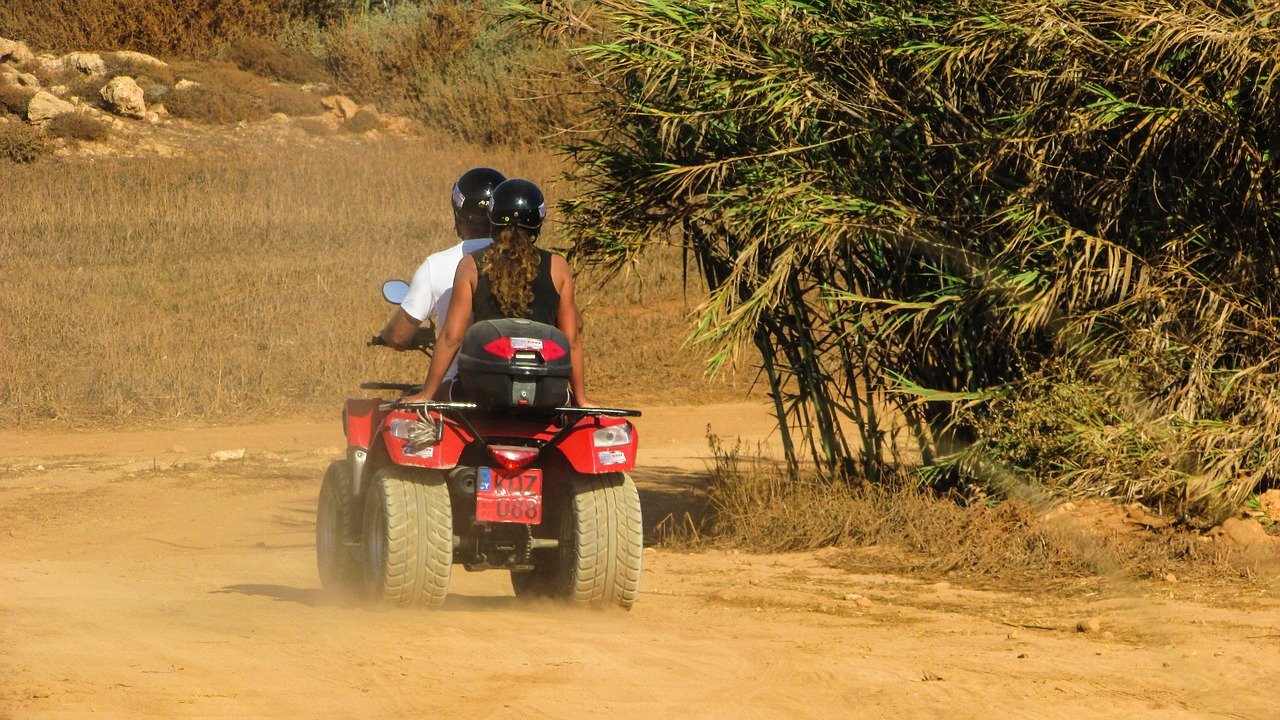
What Is Uganda Eco Tourism?
Uganda Eco Tourism is a responsible style of travel that focuses on protecting nature while allowing visitors to enjoy authentic wildlife, cultural and adventure experiences. It promotes sustainable tourism practices that conserve forests, wetlands, rivers, mountains and wildlife while creating employment and business opportunities for local communities. Travellers who choose environmentally responsible Uganda safaris through Tavira Africa Safaris contribute directly to conservation, community development and the long-term protection of Uganda’s natural heritage.
Why Is Uganda One of the Best Eco Tourism Destinations in Africa?
Uganda is considered one of Africa’s finest eco tourism destinations because it combines tropical rainforests, mountain gorillas, chimpanzees, Big Five wildlife, wetlands, volcanic mountains, waterfalls, rivers and more than 1,000 bird species within one country. Few destinations offer such exceptional biodiversity together with authentic cultural experiences and responsible tourism opportunities. Visitors can combine gorilla trekking adventures with carefully designed nature-based safari activities while supporting conservation throughout the country.
Is Uganda Eco Tourism Suitable for Families?
Yes. Uganda Eco Tourism is suitable for families, couples, solo travellers, photographers, birdwatchers, researchers and adventure travellers. While activities such as gorilla trekking have minimum age requirements, many other experiences including boat cruises, wildlife game drives, community visits, nature walks and cultural tours can be enjoyed by visitors of different ages. Custom family itineraries can be arranged through personalised safari planning together with suitable Uganda safari packages.
When Is the Best Time to Visit Uganda for Eco Tourism?
Uganda Eco Tourism can be enjoyed throughout the year because the country’s climate remains favourable in every season. The dry months from June to August and December to February are popular for gorilla trekking, chimpanzee tracking and wildlife viewing, while the rainy seasons provide greener landscapes, excellent birdwatching and fewer visitors. Every season offers unique opportunities for responsible travel depending on the activities you wish to experience.
What Wildlife Can I See During Uganda Eco Tourism?
Visitors may encounter mountain gorillas, chimpanzees, elephants, lions, leopards, buffaloes, giraffes, zebras, hippos, crocodiles, antelopes, monkeys and hundreds of bird species depending on their itinerary. Uganda’s national parks also protect many reptiles, butterflies, amphibians and unique plant species that contribute to the country’s extraordinary biodiversity. Travellers exploring Uganda destinations together with new tourism experiences enjoy remarkable opportunities to observe wildlife responsibly.
How Does Eco Tourism Help Conservation?
Eco tourism generates revenue through park entrance fees, trekking permits, accommodation and guided activities that support wildlife conservation, ranger patrols, habitat protection, scientific research and community development. Responsible tourism creates financial value for wildlife and natural habitats, encouraging their long-term protection instead of unsustainable exploitation. Every visitor who follows conservation regulations becomes an important partner in protecting Uganda’s unique ecosystems.
Can Eco Tourism Benefit Local Communities?
Yes. Uganda Eco Tourism creates employment for guides, drivers, lodge staff, porters, farmers, craft makers, conservation workers and community tourism operators. It also supports local businesses through food supply, accommodation, transport and cultural experiences. Responsible tourism strengthens local economies while encouraging communities to conserve wildlife and forests that attract visitors from around the world.
How Can Visitors Travel Responsibly?
Travellers should carry reusable water bottles, avoid littering, respect wildlife viewing distances, stay on designated trails, purchase locally made products, reduce plastic waste and support eco-friendly accommodation. Respecting local customs, asking permission before taking photographs and following the guidance of experienced safari guides also contribute to responsible tourism. Choosing environmentally responsible Uganda safari experts together with carefully organised travel planning resources makes sustainable travel much easier.
Why Choose Tavira Africa Safaris for Uganda Eco Tourism?
Tavira Africa Safaris specialises in creating personalised Uganda Eco Tourism experiences that combine wildlife conservation, community tourism and exceptional customer service. Every itinerary is carefully designed to minimise unnecessary travel, maximise wildlife experiences and support local communities throughout the journey. The company works with experienced guides, responsible accommodation providers and trusted conservation partners to ensure that every safari contributes positively to Uganda’s natural environment.
Whether you dream of trekking mountain gorillas, tracking chimpanzees, exploring Uganda’s national parks, hiking beautiful mountains or discovering authentic cultural experiences, Tavira Africa Safaris provides professional planning from your arrival until your departure. Visitors can explore carefully designed Uganda safari holidays while receiving expert assistance through the Tavira Africa Safaris team.
Begin Your Uganda Eco Tourism Adventure Today
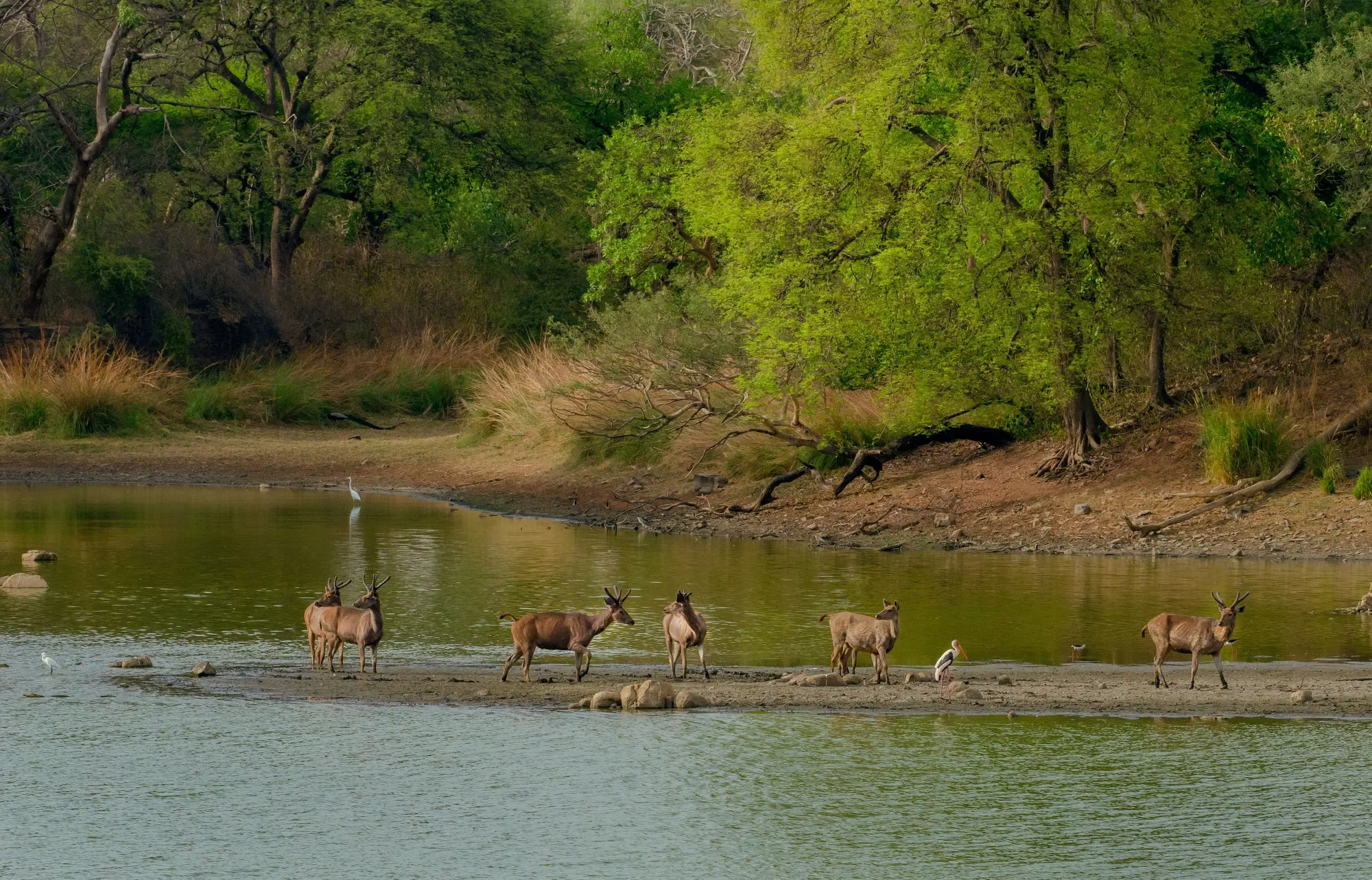
The Uganda Eco Tourism Guide 2026/2027 serves as an essential resource for travelers seeking to immerse themselves in the country’s unparalleled natural beauty and biodiversity. By prioritizing sustainable safari travel, this guide highlights the importance of eco-friendly practices that benefit both wildlife conservation and local communities. Visitors are encouraged to partake in transformative experiences that not only enrich their understanding of Uganda’s rich ecosystems but also contribute to their preservation. Embracing Uganda Eco Tourism fosters a deeper connection between travelers and the remarkable flora and fauna that define this extraordinary destination.
Uganda Eco Tourism offers one of Africa’s richest combinations of wildlife, conservation, adventure and authentic cultural experiences. Every forest trail, mountain hike, wildlife safari, boat cruise, birdwatching excursion and community visit creates an opportunity to appreciate nature while supporting the protection of Uganda’s extraordinary ecosystems. Travelling responsibly allows visitors to experience unforgettable adventures while ensuring that mountain gorillas, chimpanzees, elephants, birds, forests, wetlands and local communities continue thriving for generations to come.
If you are looking for a safari that goes beyond ordinary sightseeing, Uganda Eco Tourism is the perfect choice. Let Tavira Africa Safaris help you design a personalised eco-friendly journey that reflects your interests, travel style and conservation values. From short gorilla trekking holidays to extended wildlife expeditions, every itinerary is created with sustainability, comfort and authentic African experiences in mind.
Contact the experienced team through Tavira Africa Safaris today and begin planning a responsible safari that supports wildlife conservation, empowers local communities and creates memories that will last a lifetime.