
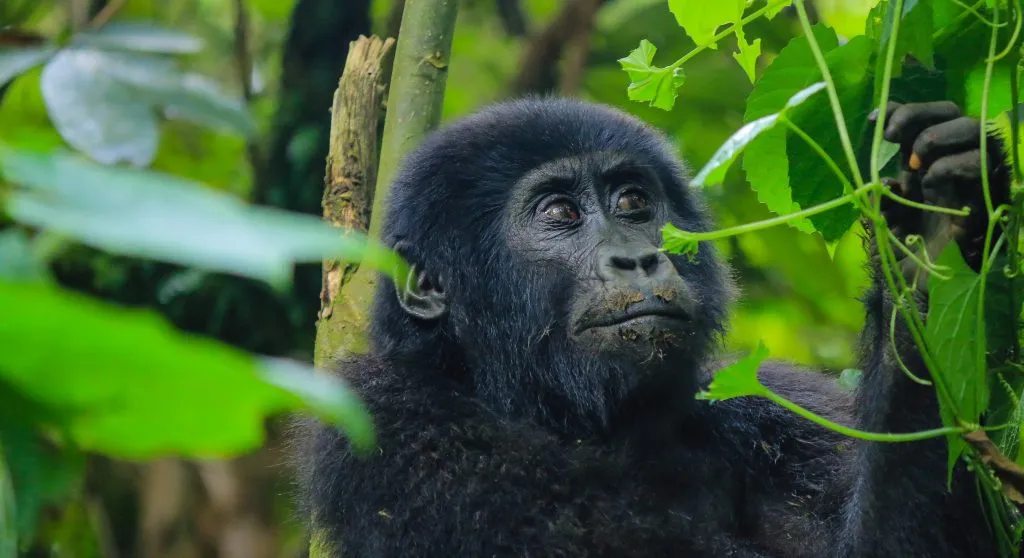
Uganda Gorilla Trekking Weather Month by Month
Uganda gorilla trekking takes place in mountain environments where weather can change quickly. Bwindi’s rainforest and Mgahinga’s Virunga slopes can receive rain in any month, so season labels should guide expectations rather than promise conditions. The drier periods usually make trails easier, while wetter periods bring richer forest color, mist and fewer visitors on some dates. A useful month-by-month guide should therefore look at trekking comfort, road access, photography, permit demand and how the gorilla day fits with the rest of a Uganda safari.
Planning this experience well
The page below is written for travelers making a real booking decision. It combines destination logistics, current official-source guidance and practical safari planning rather than repeating a short checklist. Use the subtitles to move through the questions that matter most, compare the tables where they help, and use the Book Safari buttons when you want Tavira to turn the information into a private itinerary.
January and February in Bwindi and Mgahinga
January and February are generally part of Uganda’s shorter dry season and are popular for gorilla trekking. Trails can be firmer, road approaches are often easier and travelers combining the trek with Queen Elizabeth or Lake Mburo benefit from generally favorable safari conditions. Bwindi remains a rainforest, so rain jackets still belong in the daypack. Mornings in the southwest can feel cool, particularly around higher areas such as Ruhija and Kisoro, while midday hiking becomes warmer once the group is moving.
These months are a strong choice for travelers who want a complete Uganda journey without the peak mid-year travel period. Permit demand can still be high, especially around school holidays and international winter travel. The best lodge choice depends on the confirmed trekking sector rather than the month alone.
March to May: long rains and dramatic forest scenery
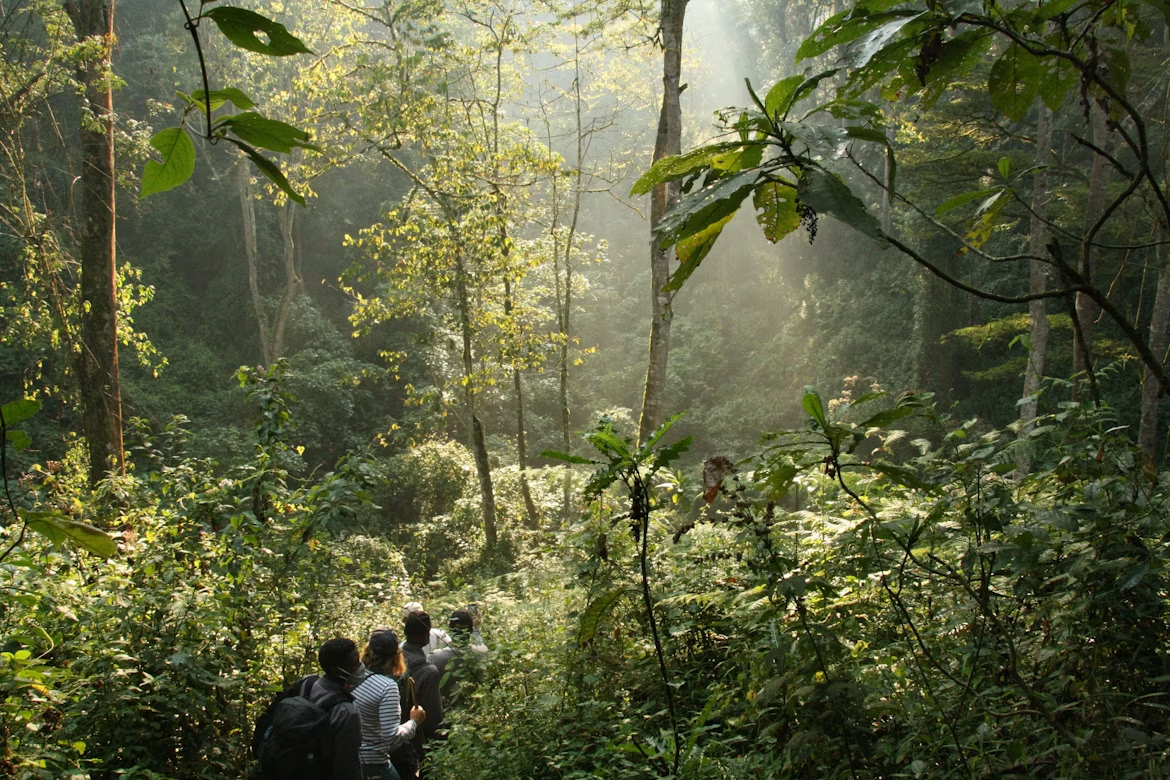
Rain usually increases from March through May. Trails can become muddy, roots slippery and final gravel roads slower. For some travelers that sounds like a disadvantage; for others it is exactly the Bwindi atmosphere they imagined. Forest vegetation is intensely green, cloud and mist can produce beautiful photography, and quieter dates may create a more relaxed lodge environment. A porter, proper boots and waterproof protection make a larger difference in these months.
Uganda may also publish seasonal tourism offers or tariff changes for specific periods, so travelers should verify current UWA rates for the exact year rather than relying on old blog posts. Weather should not be confused with permit price: the authority determines rates, while lodge pricing and special offers vary independently. Read Tavira’s Uganda gorilla trekking packages and prices, Bwindi guide and Mgahinga guide. For another specialist perspective, see Africa Gorilla Trips’ Uganda gorilla journeys.
Build the safari around your dates
Tell Tavira your preferred dates, number of travelers and whether Uganda, Rwanda or both are under consideration. We will shape a private route around permit availability and the travel style you want.
June to September: popular dry-season gorilla travel
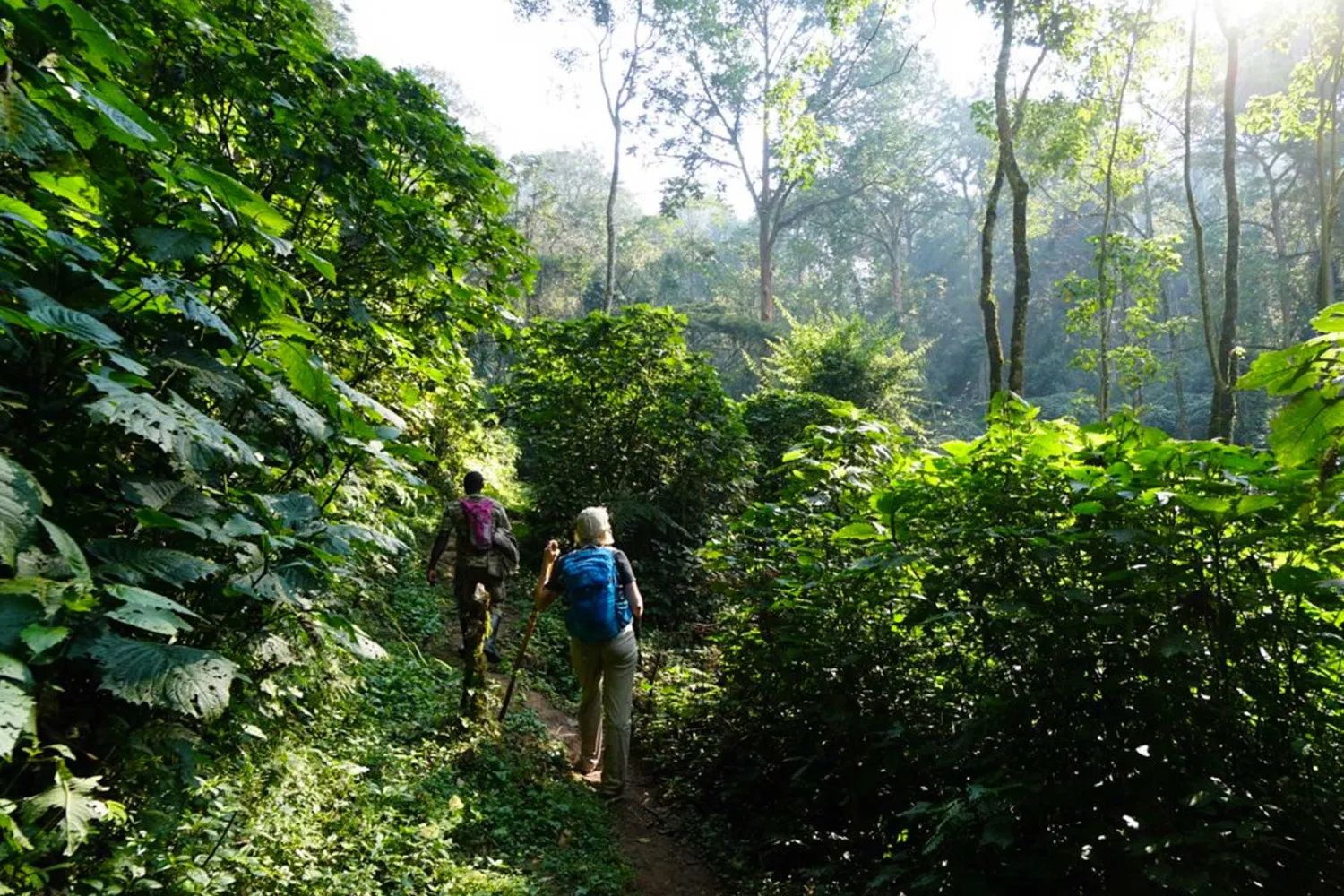
June through September is one of the busiest periods for Uganda safari travel. Drier conditions generally help on forest trails and game-drive roads, making these months natural for combining gorillas with Kibale, Queen Elizabeth and Murchison Falls. The same popularity increases pressure on permits and desirable lodge rooms. A traveler who wants a particular Bwindi sector or a high-end property should plan early because the permit and the lodge need to match geographically.
Photography is not automatically better simply because the weather is drier. Bright openings can create strong contrast against dark gorilla fur, while cloudier days may produce softer forest light. Serious photographers should choose the season based on the whole journey and consider a second trek rather than searching for one supposedly perfect month.
October to December: short rains, green landscapes and holidays
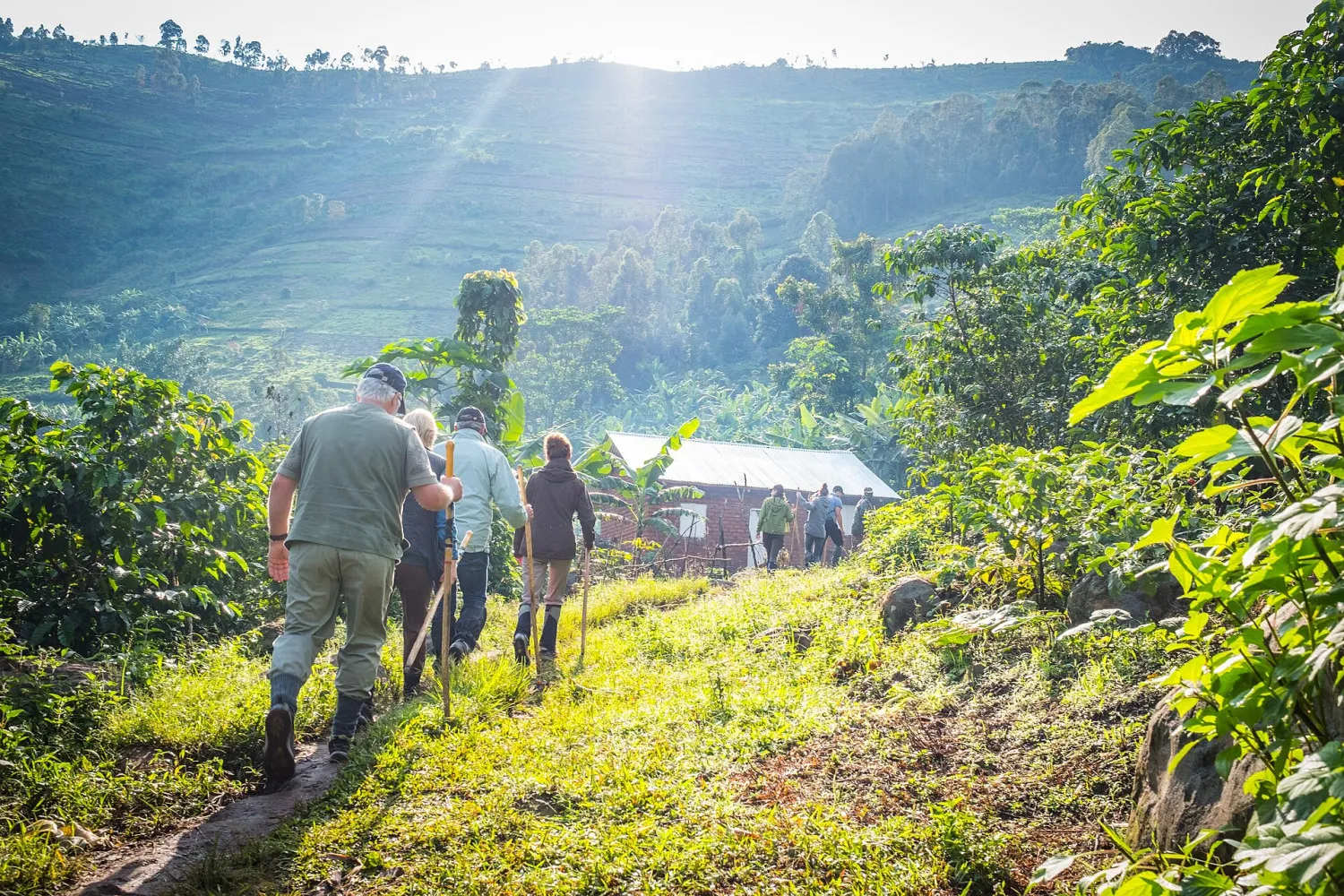
October and November usually bring another wetter period, while December moves toward drier conditions. Roads and trails may be muddy during the short rains, but the southwest remains beautiful and the forest feels vibrant. December becomes busy as holiday travel increases, so the late-month permit situation can tighten even if early December is quieter. Travelers building Christmas gorilla safaris should treat accommodation availability as seriously as permit availability.
Lake Bunyonyi and Lake Mutanda are excellent post-trek additions because they allow a slower day without moving immediately into another strenuous activity. For a longer primate route, Kibale adds chimpanzees and Queen Elizabeth adds wildlife. Africa Gorilla Trips’ Uganda collection shows additional route combinations that can be compared with Tavira’s private safaris.
Season planning at a glance
| Period | Typical pattern | Planning implication |
|---|---|---|
| Jan–Feb | Generally drier | Good trail comfort; still carry rain gear |
| Mar–May | Wetter / long rains | Muddy trails, lush forest, softer light |
| Jun–Sep | Popular drier season | Strong demand for permits and lodges |
| Oct–Nov | Wetter / short rains | Green scenery, more mud, flexible planning |
| December | Transition / holiday demand | Book early around festive dates |
Suggested itinerary length and pacing
A focused Uganda version can be built in three or four days from Kigali or in four to five days from Entebbe, depending on the trekking sector and the amount of road travel the guest accepts. A more rewarding first-time Uganda safari usually gives six to ten days, allowing the gorilla trek to sit beside Lake Bunyonyi, Queen Elizabeth or Kibale without forcing every morning to begin before sunrise. Luxury travelers can replace the longest road sectors with domestic flights where schedules and baggage needs make sense. The permit remains the anchor: once the trekking date and sector are known, Tavira decides which route produces the least wasted driving and the strongest lodge sequence.
How Tavira would shape the route around this experience
For a Uganda-focused journey, the permit date should determine the route rather than being added after the route is designed. A short trip can begin from Kigali for southern Bwindi or from Entebbe for a fuller Uganda journey, while longer itineraries can connect Kibale, Queen Elizabeth, Lake Bunyonyi or Lake Mburo without forcing the gorilla day between two exhausting transfers. The key is to keep the night before trekking close to the correct trailhead and to leave enough time after the trek for rest. Tavira uses private transport and sector-specific lodge planning so the route feels like one connected safari rather than a collection of attractions.
Accommodation should support the trekking day
Accommodation should be chosen for location first and style second. In Bwindi, the difference between Buhoma, Ruhija, Rushaga and Nkuringo matters because the park is not served by one central gate. A luxury lodge on the wrong side of the forest can create an unnecessary early-morning drive, while a well-located mid-range property may produce a far better trekking day. In Mgahinga, Kisoro and the Ntebeko side influence transfer planning. Tavira therefore confirms the permit area before recommending specific rooms, and then considers views, room size, road access, meal quality and the amount of privacy the traveler wants.
Booking strategy and mistakes worth avoiding
A strong booking timeline starts with dates and permits, then accommodation, transport and the wider safari. Travelers should resist paying for non-refundable rooms because a social-media post made a lodge look perfect before the trekking sector is known. They should also avoid assuming that drive times shown by a map will remain accurate after heavy rain. Tavira confirms the practical sequence, keeps official-rate references separate from lodge or transport prices, and gives the traveler a clear explanation of what is included. This is especially important for peak-season travel, family groups and photography-focused journeys where several rooms or permits must align on the same dates.
Check changing rules at source
For current Uganda permit and park information, use the Uganda Wildlife Authority gorilla tracking page and UWA rates page. For Rwanda, use Visit Rwanda’s official gorilla tracking page. Tavira uses these sources as reference points because rates, conditions and operating guidance can change.
Frequently Asked Questions
What are the driest months for Uganda gorilla trekking?
January–February and June–September are generally drier, though rain can occur at any time in the mountain forests.
Can I trek gorillas in April or November?
Yes. Expect wetter, muddier trails and prepare with appropriate footwear, rain protection and porter support.
Which Uganda park is best in wet weather?
Conditions vary daily in both Bwindi and Mgahinga, so the permit location and road access matter more than a simple park ranking.
Does the weather affect gorilla sightings?
Gorillas are present year-round; weather mainly changes trail comfort, photography and road conditions rather than guaranteeing or preventing an encounter.
Plan your private gorilla safari with Tavira
Share your dates, preferred country, accommodation style and the number of travelers. Tavira Africa Safaris will prepare a private itinerary with permits, transport, carefully matched lodges and practical advice for the way you want to travel.