
Ultimate Gorilla Trekking Guide 2026/2027: Everything You Need to Know
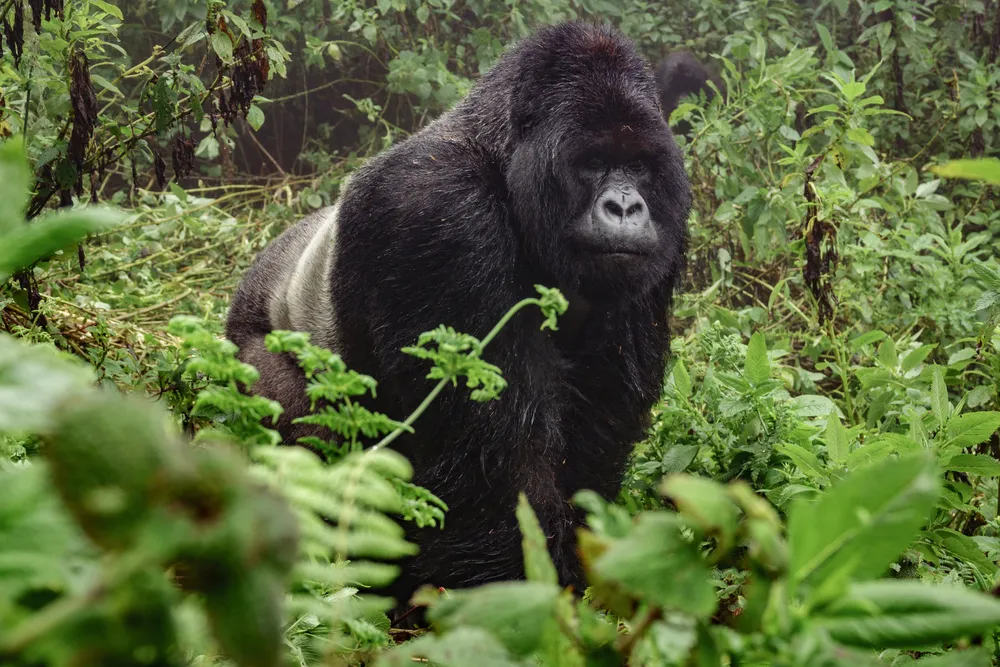
Gorilla trekking is one of Africa’s most extraordinary wildlife experiences, offering travelers the rare opportunity to enter protected tropical forests and observe endangered mountain gorillas living freely in their natural habitat. This Ultimate Gorilla Trekking Guide 2026/2027 has been designed to help travelers understand everything required before planning a gorilla safari, including where to trek, gorilla permit requirements, safari costs, the best time to visit, trekking difficulty, accommodation, packing requirements and what actually happens when you encounter a gorilla family in the forest.
Travelers considering gorilla trekking in East Africa can choose between Uganda and Rwanda, two destinations that protect important populations of mountain gorillas and provide highly regulated trekking experiences. Unlike an ordinary wildlife game drive, gorilla trekking requires walking through natural rainforest alongside experienced trackers and park rangers until the location of a habituated gorilla family is established.
What Is Gorilla Trekking?
Gorilla trekking is a guided forest expedition during which a small group of visitors follows trained wildlife rangers and trackers in search of a habituated gorilla family. Habituated gorillas have gradually become accustomed to the controlled presence of humans through long-term conservation and research programs, while remaining completely wild animals. Most travelers undertaking a Uganda gorilla safari travel to the mist-covered forests of southwestern Uganda, particularly Bwindi Impenetrable National Park and Mgahinga Gorilla National Park. Those choosing Rwanda generally trek within Volcanoes National Park, part of the magnificent Virunga mountain landscape. Travelers researching different gorilla habitats can also explore this detailed guide to Bwindi Impenetrable Forest for additional destination information.
The experience normally begins with a park briefing where travelers learn about trekking procedures, forest safety and appropriate behavior around gorillas. Rangers then organize visitors into trekking groups before entering the forest. Depending on where the gorilla family has moved, the trek may involve walking through relatively accessible forest trails or climbing steep, muddy and densely vegetated slopes. Travelers visiting Bwindi Impenetrable Forest should therefore prepare for an authentic rainforest adventure rather than expecting a predictable walking distance. Gorilla movements vary every day because the animals continuously travel through their home ranges searching for food, resting areas and suitable nesting locations.
Where Can You Go Gorilla Trekking in 2026/2027?
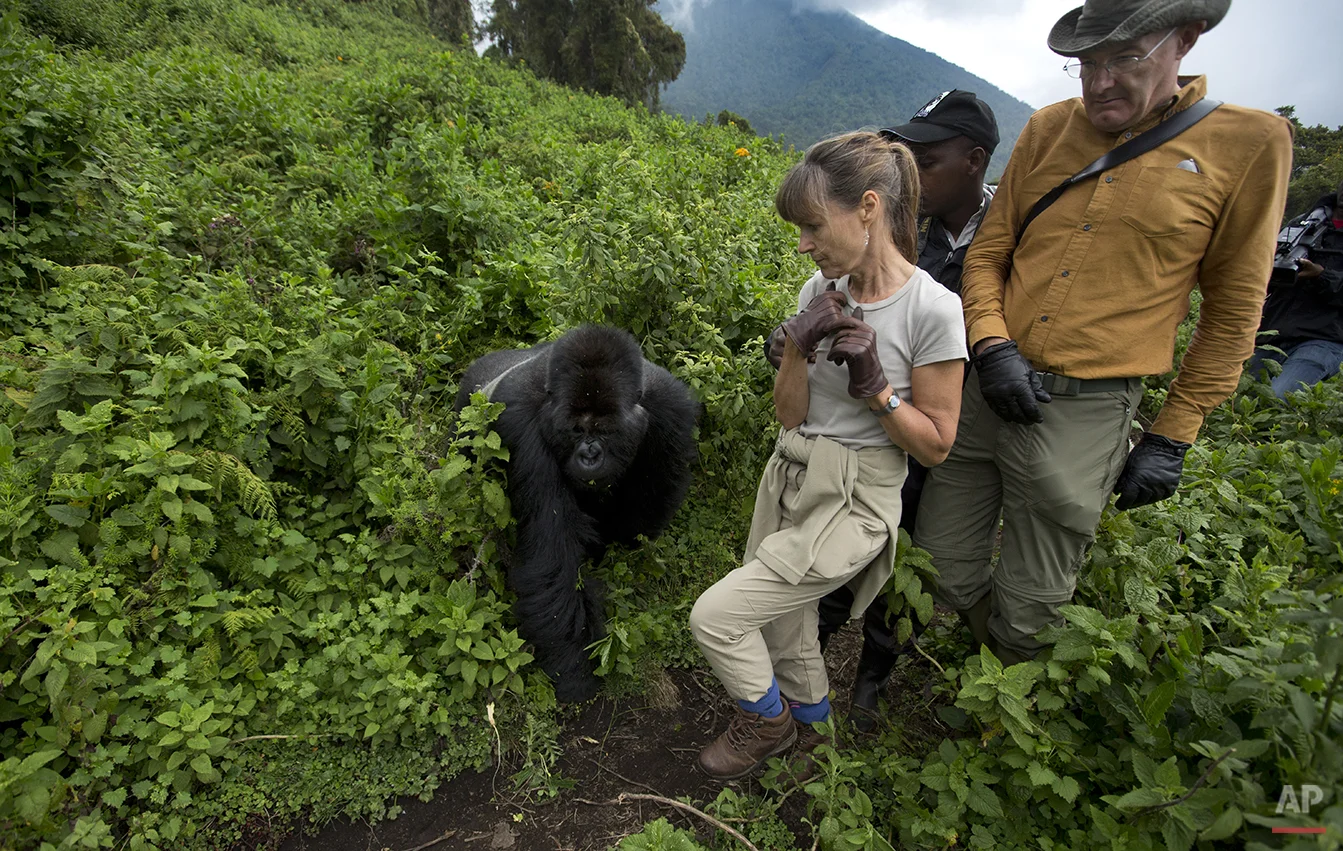
Uganda and Rwanda remain among the world’s most important destinations for mountain gorilla trekking. Uganda provides trekking opportunities inside Bwindi Impenetrable National Park and Mgahinga Gorilla National Park. Bwindi is especially important because it contains numerous habituated gorilla families distributed among several trekking areas, allowing travelers to select safari routes based on road access, accommodation preferences and the location of available gorilla permits. Mgahinga offers a different environment characterized by bamboo forest and dramatic volcanic scenery forming part of the larger Virunga ecosystem.
Rwanda’s gorilla trekking experiences take place within Volcanoes National Park, an iconic conservation landscape dominated by the peaks of the Virunga volcanoes. Its accessibility from Kigali makes Rwanda particularly attractive to travelers planning shorter gorilla safaris or luxury journeys. Visitors interested in understanding the Rwandan trekking environment in greater depth can also read this independent destination overview of Volcanoes National Park. Both Uganda and Rwanda offer outstanding gorilla encounters, although permit prices, landscapes, road transfers, accommodation styles and overall safari budgets can differ considerably.
Why Gorilla Trekking Is One of Africa’s Most Powerful Wildlife Experiences
What separates mountain gorilla trekking from many other African wildlife experiences is the intimacy of the encounter. Instead of observing animals from a safari vehicle, travelers enter the gorillas’ own forest environment and experience the sounds, vegetation, humidity and changing terrain that define their natural world. After the trackers locate a habituated family, visitors may observe adults feeding, juveniles climbing vegetation, mothers caring for infants and a dominant silverback watching over the group. A carefully planned gorilla trekking safari allows travelers to experience this extraordinary encounter while also discovering the landscapes and communities surrounding Uganda’s protected forests.
Mountain gorillas cannot be encountered successfully through conventional game driving because they live inside forested mountain ecosystems. Reaching them requires trackers who understand their movement patterns, feeding areas and daily behavior. This combination of exploration, anticipation and conservation makes gorilla trekking remarkably different from watching wildlife on open savannah. Travelers with additional time can extend the experience through a gorilla and wildlife safari, combining rainforest trekking with Uganda’s savannah wildlife destinations and creating a more diverse African journey.
Gorilla Trekking in Uganda
Uganda is particularly attractive for travelers seeking flexible gorilla safari itineraries because gorilla trekking can easily be combined with chimpanzee tracking, game drives, boat safaris, birding, cultural encounters and scenic highland experiences. Bwindi’s multiple trekking sectors allow visitors to approach the national park through different regions of southwestern Uganda. Travelers arriving through Rwanda can also reach parts of the gorilla region by road, making a gorilla trek from Kigali a practical option for visitors seeking a shorter Uganda adventure.
A Uganda gorilla trekking itinerary can range from a short forest-focused journey to a comprehensive safari across several national parks. Longer itineraries allow travelers to experience chimpanzees, elephants, buffaloes, lions, hippos, antelopes and numerous bird species before or after meeting mountain gorillas. This flexibility has made Uganda gorilla trekking particularly attractive to travelers who want their gorilla encounter to form part of a broader wildlife holiday rather than being an isolated excursion.
Gorilla Trekking in Rwanda
Rwanda offers one of Africa’s most convenient mountain gorilla experiences because Volcanoes National Park can be reached by road from Kigali, making both short and extended itineraries possible. A Rwanda gorilla safari can therefore work exceptionally well for travelers with limited vacation time, business travelers adding a wildlife experience to their itinerary and luxury visitors seeking comfortable road connections and high-end accommodation around the park.
Travelers who want a deeper primate experience can extend their journey beyond the gorillas. The Virunga region is also famous for golden monkeys, mountain scenery and volcanic landscapes, allowing travelers to combine two different primate encounters through a gorilla and golden monkey safari. Longer Rwanda itineraries may incorporate Lake Kivu, Akagera National Park and Nyungwe Forest National Park, transforming a gorilla trek into a complete exploration of Rwanda’s landscapes, primates and wildlife.
What Makes Mountain Gorillas So Special?
Mountain gorillas are remarkable not simply because they are rare, but because of their highly developed social structure and recognizable individual personalities. Gorilla families normally include a dominant silverback, adult females, younger males, juveniles and infants. The silverback plays an important protective role while maintaining social stability within the family. During a properly managed encounter, travelers may witness feeding, grooming, resting and playful interactions that reveal how socially complex these primates are.
The continued survival of mountain gorillas is closely connected to conservation programs, protected forest management, veterinary monitoring, scientific research, community involvement and carefully controlled tourism. Gorilla trekking permits therefore serve a purpose beyond providing travelers with access to the forests. Revenue generated by tourism supports broader conservation and protected-area management initiatives while creating economic opportunities around gorilla destinations. This makes responsible gorilla tourism an important part of the long-term protection of mountain gorillas and their habitats.
What Travelers Should Know Before Planning Gorilla Trekking in 2026/2027
Planning a successful gorilla trek requires more preparation than many conventional safari activities. Travelers need to consider permit availability, travel dates, trekking destination, accommodation location, transportation, physical fitness, appropriate clothing and the overall length of their safari. Gorilla permits are limited, meaning travelers planning popular periods should avoid leaving reservations until shortly before departure. The exact location of the trekking permit is particularly important because it determines where travelers should stay and which park entrance or trekking sector they need to reach.
Weather should also be considered, although gorilla trekking takes place throughout the year. Mountain forests remain naturally humid and rainfall is possible even during relatively dry periods. Visitors should therefore expect uneven ground, thick vegetation and potentially muddy trails. Appropriate hiking footwear, long trousers, long-sleeved clothing and rain protection can make a considerable difference to comfort in the forest. Porters are also valuable because they can carry daypacks and provide assistance when navigating difficult sections of the trail.
Why Use This Ultimate Gorilla Trekking Guide for 2026/2027?
The purpose of this Ultimate Gorilla Trekking Guide 2026/2027 is to bring the major planning questions into one detailed resource. Throughout the remaining sections, travelers will discover the differences between Uganda and Rwanda, current gorilla permit considerations, complete safari budgeting, the best months for trekking, trekking difficulty, packing recommendations, photography advice, gorilla trekking rules and how to design an itinerary that matches individual travel interests.
Tavira Africa Safaris creates private and customized gorilla trekking journeys for travelers exploring Uganda and Rwanda. Whether you are considering a short gorilla adventure, an extended wildlife safari or a combination of both countries, careful planning is essential. Understanding where the gorillas live, how the trekking experience operates and how each destination differs provides the foundation for choosing the right gorilla safari for 2026/2027.
Where to Go Gorilla Trekking: Uganda vs Rwanda
Choosing where to go gorilla trekking is one of the most important decisions when planning a gorilla safari in Africa. For most international travelers, the main comparison is between Uganda and Rwanda because both countries protect significant populations of endangered mountain gorillas and provide well-organized trekking experiences. Uganda offers gorilla trekking in Bwindi Impenetrable National Park and Mgahinga Gorilla National Park, while Rwanda offers mountain gorilla trekking in Volcanoes National Park. Each destination provides a different combination of permit costs, accessibility, accommodation, scenery, trekking conditions and opportunities to combine gorilla encounters with other safari experiences. Understanding these differences is essential when deciding between Uganda vs Rwanda gorilla trekking for a 2026/2027 safari.
Uganda is often preferred by travelers who want a broader safari experience because gorilla trekking can easily be combined with chimpanzee tracking, wildlife game drives, boat safaris, cultural experiences and scenic destinations. Rwanda, on the other hand, is especially attractive to visitors looking for convenient access to the gorilla trekking region from Kigali and those interested in shorter or higher-end itineraries. Travelers researching the wider region can also explore this detailed Volcanoes National Park guide for additional information about Rwanda’s mountain gorilla habitat.
Gorilla Trekking in Bwindi Impenetrable National Park
Bwindi Impenetrable National Park is Uganda’s best-known mountain gorilla destination and one of the most important primate conservation areas in Africa. The ancient rainforest covers a dramatic landscape of steep valleys, densely forested hills and mist-covered ridges in southwestern Uganda. Travelers choosing gorilla trekking in Uganda frequently visit Bwindi because the park contains several habituated gorilla families that can be visited under controlled conditions with trained guides, trackers and Uganda Wildlife Authority rangers.
One of Bwindi’s major advantages is that gorilla trekking takes place from different sectors of the national park. These areas include Buhoma in the north, Ruhija in the east, Rushaga in the south and Nkuringo in the southwest. Each sector has its own access routes, landscapes, accommodation options and habituated gorilla groups. Travelers should therefore avoid simply booking a hotel advertised as being “near Bwindi” without confirming where their trekking permit is allocated. Staying close to the correct trekking sector makes the safari considerably easier and avoids unnecessarily long early-morning transfers.
Bwindi is particularly suitable for travelers interested in combining gorillas with a broader Ugandan safari. A journey such as a Uganda gorilla and wildlife safari can combine the rainforest experience with game viewing in savannah national parks. Travelers with more time can continue toward Queen Elizabeth National Park, Kibale Forest National Park, Lake Bunyonyi or Lake Mburo National Park, creating a diverse safari that includes primates, big game, birds and spectacular landscapes.
Gorilla Trekking in Mgahinga Gorilla National Park
Mgahinga Gorilla National Park is Uganda’s second mountain gorilla trekking destination and offers a very different environment from Bwindi. Located in the far southwest of the country, the park forms part of the larger Virunga Conservation Area and is characterized by bamboo forests, montane vegetation and dramatic volcanic scenery. Travelers exploring Mgahinga Gorilla National Park can experience mountain gorillas within a landscape dominated by Mount Muhabura, Mount Gahinga and Mount Sabyinyo.
Mgahinga is particularly interesting for travelers who want to combine gorilla trekking with golden monkey trekking or volcanic hiking. The park’s relatively compact size and spectacular mountain environment create an intimate wilderness experience. Although Bwindi receives more attention in many gorilla trekking guides, Mgahinga should not be overlooked when comparing the best places for gorilla trekking in Uganda. Permit availability, road routing and the traveler’s wider safari itinerary can all influence whether Bwindi or Mgahinga is the better option.
Gorilla Trekking in Volcanoes National Park Rwanda
Rwanda’s mountain gorillas are trekked inside Volcanoes National Park, located in the country’s mountainous northwestern region. The park forms part of the Virunga Massif and is characterized by bamboo forests, volcanic slopes and towering peaks. Mountain gorillas are the park’s principal attraction, although the area is also famous for golden monkeys, volcano hiking and conservation history associated with primatologist Dian Fossey.
One of Rwanda’s strongest advantages is accessibility. Volcanoes National Park can be reached by road from Kigali much more quickly than many other major gorilla destinations can be reached from an international airport. This makes a Rwanda gorilla trekking safari especially suitable for travelers with limited time. Visitors can arrive in Kigali, travel north toward Musanze and stay near the national park before completing their trek.
Volcanoes National Park also has a strong luxury tourism infrastructure. The area around Kinigi and Musanze contains accommodation ranging from comfortable guesthouses to some of Africa’s most exclusive safari lodges. This is one reason Rwanda is frequently selected by honeymooners, luxury travelers and visitors seeking high-end gorilla trekking experiences. Independent travelers researching the destination can also review this Rwanda gorilla trekking destination overview before comparing different safari options.
Uganda vs Rwanda Gorilla Trekking Permit Costs
Permit price is one of the biggest differences when comparing gorilla trekking in Uganda vs Rwanda. Uganda has historically positioned itself as the more affordable option, while Rwanda follows a higher-value tourism model. This price difference can significantly influence the overall safari budget, particularly for couples, families or small groups where each traveler requires an individual gorilla permit.
For travelers focused on value, a Uganda gorilla trek via Kigali can be particularly attractive. Visitors can fly into Rwanda, cross into southwestern Uganda and trek mountain gorillas in Bwindi while benefiting from Uganda’s permit pricing. This route combines convenient international access through Kigali with the lower overall cost of gorilla trekking in Uganda.
Rwanda’s higher permit cost appeals to travelers who prioritize shorter transfers, premium accommodation and a streamlined luxury experience. However, the most affordable option is not automatically the best choice for every traveler. A proper comparison should consider permit prices together with transportation, accommodation, safari duration and additional activities rather than looking at the gorilla permit alone.
Uganda vs Rwanda: Which Has the Better Gorilla Trekking Experience?
There is no universal answer to whether Uganda or Rwanda offers the better gorilla trekking experience because both destinations provide extraordinary encounters with mountain gorillas. The better choice depends on the traveler’s priorities. Those who want a longer adventure through dense rainforest, multiple trekking sectors and easy combinations with other Ugandan national parks may prefer Bwindi. Travelers prioritizing accessibility, shorter safari duration and luxury accommodation may find Rwanda particularly convenient.
The actual gorilla encounter itself can be equally powerful in both countries. Once a habituated gorilla family is located, the experience is shaped less by the country and more by the behavior of the specific gorilla group, the forest conditions and the traveler’s appreciation of the moment. Visitors may observe silverbacks resting, females feeding, infants playing and juveniles climbing vegetation regardless of whether they are trekking in Uganda or Rwanda.
Which Destination Is Easier for Gorilla Trekking?
Trekking difficulty varies considerably within both countries. Some gorilla groups may be found relatively close to the starting point while others can require several hours of walking through steep and uneven terrain. Because gorillas move freely through the forest every day, no tour operator can guarantee an easy or short trek.
Bwindi can sometimes feel more physically demanding because of its dense rainforest, steep hills and thick vegetation. However, different sectors and gorilla family locations create different levels of difficulty. Travelers considering a Bwindi gorilla trekking safari should communicate their fitness level and mobility considerations during trip planning so that appropriate advice can be provided.
Volcanoes National Park also involves climbing mountainous terrain and trekking at relatively high elevation. However, some trails pass through more open bamboo vegetation, which can make parts of the trek feel less enclosed than Bwindi. Regardless of destination, travelers should prepare by wearing good hiking footwear, carrying rain protection and considering hiring a porter to assist with bags and difficult sections of the trail.
Uganda or Rwanda for a Short Gorilla Safari?
Rwanda is particularly suitable for extremely short gorilla trekking itineraries because of the relatively easy road connection between Kigali and Volcanoes National Park. Travelers with only a few days in East Africa may therefore find a short Rwanda gorilla tour convenient and efficient.
Uganda can also work well for short safaris when visitors enter through Kigali and continue across the border to Bwindi. This routing has become popular because southwestern Uganda is geographically closer to Kigali than to Entebbe. Travelers can therefore enjoy Uganda’s gorilla trekking experience without necessarily completing the much longer road transfer from central Uganda.
Uganda or Rwanda for a Longer Safari?
Uganda generally offers greater variety for travelers planning a longer wildlife itinerary. After gorilla trekking, visitors can continue toward Queen Elizabeth National Park for lions, elephants, buffaloes and boat safaris, travel to Kibale Forest for chimpanzee trekking or explore additional national parks farther north. Longer journeys such as a gorillas, chimpanzees and wildlife safari allow travelers to experience several different ecosystems within one itinerary.
Rwanda can also support longer itineraries by combining Volcanoes National Park with Akagera National Park, Nyungwe Forest National Park and Lake Kivu. Visitors can therefore combine mountain gorillas, golden monkeys, chimpanzees, Big Five game viewing and relaxing lake scenery without leaving Rwanda. This makes the country much more than a stand-alone gorilla trekking destination.
Best Choice for Luxury Gorilla Trekking
Both countries provide excellent luxury safari options, but Rwanda is especially well known for premium lodges around Volcanoes National Park. Travelers looking for exclusive accommodation, personalized service and short road transfers often choose Rwanda for a luxury gorilla safari. Uganda also has excellent high-end lodges, particularly around Bwindi, where travelers can stay in forest-facing properties close to major trekking sectors.
The definition of luxury should therefore extend beyond accommodation. A well-designed gorilla safari should consider private transportation, expert guiding, correctly located lodges, permit organization, comfortable transfers and opportunities to personalize the itinerary. These details often influence the quality of the overall trip more than simply choosing the most expensive lodge.
Best Choice for Budget and Mid-Range Gorilla Trekking
Uganda is generally the stronger choice for travelers seeking to control overall gorilla trekking costs. Lower permit pricing combined with a broad selection of budget, mid-range and luxury accommodation around Bwindi gives travelers considerable flexibility. This is particularly important for groups because permit savings multiply according to the number of participants.
Travelers can further control costs by selecting shorter itineraries, sharing transportation and choosing comfortable mid-range accommodation rather than luxury lodges. However, cheap gorilla trekking should never mean compromising on legitimate permits, reliable transportation or professional safari organization.
Can You Combine Gorilla Trekking in Uganda and Rwanda?
Yes. Combining Uganda and Rwanda can be one of the best options for travelers who want to experience more of the region. The two countries share convenient land-border connections near the mountain gorilla habitats, making it possible to create itineraries incorporating Rwanda’s Volcanoes National Park and Uganda’s Bwindi or Mgahinga region.
A combined itinerary can also include golden monkey trekking, cultural experiences, Lake Bunyonyi, Lake Kivu and additional wildlife parks. Travelers do not necessarily need to purchase gorilla permits in both countries; they can enter through Kigali, explore Rwanda and complete their mountain gorilla trek in Uganda before continuing the safari.
Uganda vs Rwanda Gorilla Trekking: Which Should You Choose in 2026/2027?
Choose Uganda if your priorities include a more affordable gorilla permit, extensive rainforest trekking, multiple trekking sectors and the ability to combine gorillas with a wider variety of classic safari destinations. Choose Rwanda if you prioritize convenient access from Kigali, short itineraries, premium accommodation and an easily organized luxury gorilla experience.
For many travelers, the final decision should be based on the complete safari rather than the gorilla trek alone. Permit availability, travel dates, international flights, available days, fitness, preferred accommodation level and additional wildlife interests all influence which destination makes the most sense. Tavira Africa Safaris can design either a Uganda, Rwanda or combined Uganda–Rwanda itinerary according to these priorities, allowing travelers to select the gorilla trekking experience that best fits their 2026/2027 African safari.
Gorilla Trekking Permit Costs for Uganda and Rwanda in 2026/2027
A gorilla trekking permit is one of the most important requirements when planning a mountain gorilla safari in East Africa. Every traveler who intends to participate in gorilla trekking must have a valid permit for the specific country and trekking date. Gorilla permits are designed to regulate the number of people visiting habituated gorilla families, protect the animals from excessive human contact and generate revenue that supports conservation and protected-area management. For travelers planning a gorilla safari in 2026/2027, understanding permit prices, availability, booking procedures and what the permit actually covers should be one of the first stages of safari planning.
Uganda and Rwanda operate different gorilla permit pricing systems, and this creates a major difference in the overall cost of a gorilla trekking safari. Uganda is generally the more affordable destination, while Rwanda follows a premium gorilla tourism model. Travelers comparing both destinations should therefore look beyond the permit price and consider transportation, accommodation, safari duration and other activities. Additional destination information can be found in this Bwindi gorilla trekking guide, particularly for travelers considering Uganda as their primary mountain gorilla destination.
How Much Is a Gorilla Trekking Permit in Uganda in 2026/2027?
For foreign non-residents, Uganda’s standard gorilla trekking permit is currently USD 800 per person per trek. Different rates may apply to foreign residents, citizens of East African Community member countries and other eligible categories under the official tariff structure. Because permit prices and eligibility requirements can be revised, travelers planning Bwindi gorilla trekking in 2026 or 2027 should always confirm the applicable official rate for their travel dates before making final payments.
The standard Uganda gorilla permit allows the registered traveler to participate in one scheduled gorilla trek and, after the assigned gorilla family has been located, normally spend a regulated viewing period with that habituated group. The permit is tied to a specific trekking date and area, which is why accommodation and transportation arrangements should be coordinated with the permit allocation. Travelers should never book accommodation around one Bwindi sector without first confirming the sector associated with their permit.
Where Are Uganda Gorilla Permits Used?
Uganda gorilla trekking permits are used for regulated treks in Bwindi Impenetrable National Park and Mgahinga Gorilla National Park. Bwindi has several trekking sectors, including Buhoma, Ruhija, Rushaga and Nkuringo. Visitors booking a Uganda gorilla trekking safari should therefore ensure that their safari route, lodge and permit sector are coordinated correctly.
Mgahinga offers an alternative Uganda mountain gorilla experience within the Virunga landscape. Travelers interested in Mgahinga Gorilla National Park can also combine gorilla trekking with golden monkey tracking and volcanic scenery. Permit availability can influence which destination works best, particularly during popular travel months when demand for Uganda gorilla permits increases considerably.
How Much Is a Gorilla Trekking Permit in Rwanda in 2026/2027?
Rwanda’s standard mountain gorilla trekking permit for international visitors is currently USD 1,500 per person per trek. This makes Rwanda considerably more expensive at permit level than Uganda. However, travelers selecting a Volcanoes National Park safari often value the destination’s convenient road access from Kigali, excellent tourism infrastructure and wide selection of premium accommodation.
Rwanda gorilla trekking permits provide access to an assigned habituated gorilla family under the supervision of professional park guides and trackers. As with Uganda, permits are date-specific and availability is limited. Travelers researching the broader Rwanda experience can also explore this detailed Volcanoes National Park gorilla guide before deciding whether Rwanda or Uganda better matches their budget and preferred safari style.
Uganda vs Rwanda Gorilla Permit Cost
The difference between Uganda and Rwanda becomes particularly important for couples, families and small groups. At the current standard international visitor rates, a foreign non-resident paying USD 800 for an Uganda permit spends USD 700 less at permit level than a traveler paying Rwanda’s USD 1,500 standard international visitor rate. For two travelers, that represents a USD 1,400 difference before accommodation, transportation and other safari services are considered.
This is one reason a Uganda gorilla trekking tour can offer excellent value for visitors who want to see mountain gorillas while maintaining a moderate overall safari budget. Rwanda can still be the better choice for travelers who prioritize shorter transfers and premium accommodation over minimizing the permit cost.
What Is Included in a Gorilla Trekking Permit?
A gorilla trekking permit primarily covers authorization to participate in the scheduled trek and regulated access to an assigned habituated gorilla family. The experience is conducted under the supervision of park personnel, including professional guides, trackers and rangers responsible for visitor management and gorilla protection. The permit also contributes to conservation programs and management of the protected forests where mountain gorillas survive.
The permit should not be confused with the complete cost of a gorilla safari. Accommodation, transportation, meals, personal expenses, porter services, tips and additional safari activities are normally separate elements of the travel package. When comparing a permit-only price with a complete gorilla and wildlife safari, travelers should therefore check exactly what is included in the quoted safari price.
How to Book a Gorilla Trekking Permit
Gorilla permits should be secured as early as possible once travelers have confirmed their intended travel dates. Because the number of permits available each day is controlled, availability can become limited during popular safari periods. Travelers booking through Tavira Africa Safaris can have permit arrangements coordinated together with transportation, accommodation and the rest of the safari itinerary, reducing the possibility of booking a permit that does not fit the planned route.
This is especially important in Bwindi because the national park has multiple trekking sectors. A permit allocation in Rushaga, for example, should generally be matched with accommodation and transportation appropriate for the southern region rather than automatically booking a lodge in another part of Bwindi. Correct planning can significantly reduce unnecessary driving and improve the overall trekking experience.
How Early Should You Book Gorilla Permits for 2026/2027?
Travelers planning gorilla trekking during high-demand months should consider reserving permits several months before travel. Booking early becomes particularly important for visitors with fixed international flight dates, honeymooners, families, larger private groups and travelers requiring specific accommodation. A short itinerary such as a Rwanda gorilla safari can depend heavily on securing a permit for one particular date because there may be little flexibility within the itinerary.
Early booking is equally useful during Uganda’s popular trekking periods. Although last-minute permits can occasionally be available, travelers should not build an international safari around the assumption that permits will remain available. Securing the gorilla permit first allows the remaining itinerary to be organized around a confirmed trekking date.
Can You Buy a Gorilla Permit at the Park Entrance?
Travelers should not expect to arrive at Bwindi, Mgahinga or Volcanoes National Park and simply purchase a guaranteed permit at the entrance. Gorilla trekking is a tightly controlled wildlife activity with limited daily visitor numbers. Permits should therefore be reserved before the safari, particularly when international flights and accommodation have already been booked.
Planning in advance also provides enough time to coordinate the correct destination, accommodation and transportation. This becomes even more important when travelers are planning a gorilla safari from Kigali, because border crossings and road transfers need to match the confirmed Uganda trekking location.
Can Gorilla Trekking Permits Sell Out?
Yes. Gorilla permits can become unavailable for particular dates because only a controlled number of visitors are allowed to trek habituated gorilla families each day. Demand is often strongest during popular holiday periods and traditionally drier travel months. Travelers with fixed dates should therefore treat permit availability as one of the first things to confirm rather than the final detail of safari planning.
If a preferred date is unavailable, possible solutions may include adjusting the trekking date, considering another trekking sector, changing the safari sequence or comparing Uganda and Rwanda. Flexibility can therefore be extremely valuable when planning a last-minute gorilla safari.
Are Gorilla Trekking Permits Refundable?
Travelers should treat gorilla permits as highly restricted wildlife reservations rather than ordinary attraction tickets. Cancellation, rescheduling and refund conditions are governed by the relevant wildlife authorities and can vary according to circumstances and applicable policies. Travelers should therefore understand the permit terms before confirming their safari and should consider suitable travel insurance for unforeseen circumstances.
The safest approach is to finalize important travel dates before permits are purchased. Once a permit has been secured, the rest of the itinerary can then be organized around that confirmed trekking day. Travelers should also ensure that passport details supplied during the reservation process are accurate and correspond with the travel documents they will use during the safari.
What Is the Minimum Age for a Gorilla Trekking Permit?
The standard minimum age for mountain gorilla trekking in Uganda and Rwanda is generally 15 years. Families planning a gorilla safari should therefore consider the ages of children before purchasing flights and arranging accommodation. Younger children who cannot participate in the trek may require alternative activities and appropriate supervision while older family members enter the forest.
Families with eligible teenagers can combine the gorilla trek with wildlife viewing, cultural experiences and relaxing destinations to create a more balanced itinerary. A longer Uganda primate and wildlife safari can be particularly suitable for families seeking more than one major wildlife experience.
Gorilla Habituation Permit vs Standard Gorilla Trekking Permit
Travelers researching Uganda may encounter both standard gorilla trekking and the Gorilla Habituation Experience. These are different activities and should not be confused. Standard gorilla trekking involves visiting a habituated gorilla family under normal trekking regulations, while the habituation experience provides a longer field experience connected with gorillas undergoing the gradual habituation process under professional supervision.
The Gorilla Habituation Experience has different permit arrangements, availability and pricing from standard gorilla trekking. It is particularly attractive to serious primate enthusiasts and photographers who want a more extended forest experience. Travelers interested in this activity should confirm current availability and official pricing before building it into a 2026/2027 itinerary.
Why Gorilla Permits Are Important for Conservation
Gorilla permit fees are not simply entrance charges. Controlled tourism provides an important economic incentive for protecting mountain gorillas and the forests they depend upon. Revenue associated with gorilla tourism contributes to protected-area management, conservation activities and the wider tourism economy surrounding gorilla destinations.
Limiting daily visitor numbers also reduces excessive disturbance to habituated gorilla families. Mountain gorillas are wild primates, and responsible tourism requires maintaining strict controls over how many visitors enter their habitat and how encounters are managed. This conservation-based approach is one reason gorilla trekking remains such a carefully regulated experience.
How Gorilla Permit Costs Affect Your Total 2026/2027 Safari Budget
The gorilla permit is usually one of the largest individual costs in a gorilla safari, but travelers should avoid judging the affordability of an itinerary based on the permit alone. Transportation, accommodation, meals, guide services, additional park activities and the length of the journey all influence the final price. A carefully designed itinerary can sometimes provide better overall value even when it includes more safari days.
For travelers deciding between Uganda and Rwanda in 2026/2027, Tavira Africa Safaris can coordinate permit availability with the wider itinerary before major arrangements are finalized. This makes it possible to select the most appropriate trekking destination, match accommodation with the correct trekking area and build the rest of the safari around the confirmed gorilla permit. Because official permit prices and regulations can change, all 2026/2027 travelers should confirm the latest applicable rates and conditions at the time of booking.
How Much Does Gorilla Trekking Cost? Complete Safari Budget for 2026/2027
The total cost of gorilla trekking in 2026/2027 depends on much more than the gorilla permit alone. Travelers need to budget for transportation, accommodation, meals, professional guiding, park-related expenses, border transfers where applicable, porter services, tips and additional safari activities. This is why two travelers can pay very different prices for what appears to be the same gorilla trekking experience. A short budget safari using comfortable mid-range accommodation may cost considerably less than a luxury itinerary with premium lodges, private transfers and several national parks included.
Uganda is generally the more affordable destination for mountain gorilla trekking because its standard permit price is lower than Rwanda’s, while Rwanda often appeals to travelers who value shorter road transfers and high-end accommodation. When comparing the total gorilla trekking cost, travelers should therefore look at the complete itinerary rather than focusing only on the permit. Those researching different options can also explore this detailed Bwindi gorilla safari guide to better understand the destination and the type of journey required.
Main Costs Included in a Gorilla Trekking Safari
A complete gorilla trekking safari usually includes several major cost components. The gorilla permit is often the largest individual expense, but transportation and accommodation can also make up a substantial percentage of the final safari price. Travelers planning gorilla trekking from Kigali may have a shorter road journey than travelers beginning their safari in Entebbe, while visitors combining gorillas with other national parks will naturally require more days, fuel and accommodation.
The overall safari price may also include airport transfers, an experienced driver-guide, bottled drinking water during road journeys, selected meals, accommodation, park activity charges and border assistance where required. Travelers should always request a clear breakdown of what is included and excluded before confirming a safari because some quotations may appear cheaper simply because essential services have not been included.
Gorilla Permit Cost
The gorilla permit forms the foundation of the gorilla trekking budget. Uganda’s standard permit for foreign non-residents is currently USD 800 per person per trek, while Rwanda’s standard international visitor permit is currently USD 1,500 per person per trek. These permit prices immediately create a significant difference between a Bwindi gorilla safari and a Rwanda gorilla safari, especially for couples and groups.
For example, two foreign non-resident travelers trekking in Uganda would currently spend USD 1,600 on permits, while two international visitors trekking in Rwanda would currently spend USD 3,000 on permits. Before transportation, accommodation and meals are even considered, this already creates a difference of USD 1,400 for two travelers. Permit pricing should therefore be taken seriously when comparing Uganda vs Rwanda gorilla trekking costs.
Transportation Costs for Gorilla Trekking
Transportation costs depend heavily on where the safari begins and how many days the traveler spends on the road. A Uganda gorilla trekking safari may involve transportation from Entebbe, Kampala or Kigali depending on the itinerary. The distance traveled, type of safari vehicle, fuel consumption and number of safari days all influence the final transportation cost.
Traveling through Kigali can sometimes reduce road travel for visitors trekking gorillas in southwestern Uganda because Bwindi and Mgahinga are geographically closer to Kigali than to Entebbe. Travelers may therefore fly into Rwanda, cross into Uganda by road and continue to the gorilla trekking region. This routing can be particularly practical for short gorilla safaris.
Accommodation Costs Near Gorilla Trekking Parks
Accommodation near gorilla trekking destinations ranges from simple guesthouses to some of Africa’s most luxurious safari lodges. Budget accommodation may provide clean rooms, meals and convenient access to the park, while mid-range lodges often offer better views, improved room standards and more personalized service. Luxury accommodation may include premium suites, private cottages, fireplaces, spas, fine dining and exceptional forest or volcano views.
Travelers visiting Mgahinga Gorilla National Park or Bwindi should select accommodation based on the actual trekking location rather than price alone. A cheaper lodge located far from the assigned trekking sector can create unnecessary transfers and reduce the convenience of the safari. Correct lodge placement is therefore an important part of both budgeting and itinerary design.
Budget Gorilla Trekking Safari Costs
Budget gorilla trekking is possible for travelers who prioritize the gorilla experience over luxury accommodation. Budget itineraries normally use simple but comfortable lodges, shared or efficient road transportation and shorter safari durations. Uganda is especially attractive for this travel style because of its lower permit cost and wide range of affordable accommodation options around Bwindi.
A short budget safari may focus almost entirely on the gorilla trek, with arrival, transfer to the trekking region, one night or two nights of accommodation and the return journey. Travelers can reduce costs further by sharing a safari vehicle with friends or family members because transportation costs are then distributed across the group.
Mid-Range Gorilla Trekking Safari Costs
Mid-range gorilla trekking safaris provide one of the best combinations of comfort and value. Travelers normally stay in well-located lodges offering private rooms, good meals and dependable service while traveling in a private safari vehicle with a professional guide. A gorilla and wildlife safari in this category can combine Bwindi with another destination without reaching the price level associated with luxury safari lodges.
Mid-range travel is particularly suitable for couples, families and first-time visitors who want comfort but do not necessarily require premium luxury properties. The biggest variables remain permit cost, number of safari days, chosen accommodation and whether additional park activities are included.
Luxury Gorilla Trekking Safari Costs
Luxury gorilla trekking safaris can cost substantially more because the experience may include premium forest lodges, private transportation, upgraded meals, personalized service, internal flights and additional exclusive activities. Rwanda is especially well known for high-end accommodation around Volcanoes National Park, although Uganda also has excellent luxury lodges around Bwindi.
Travelers booking a Rwanda gorilla safari should expect the higher permit price to form a major part of the budget before luxury accommodation is added. For high-end travelers, however, the value may come from convenient transfers, exceptional lodge experiences and the ability to complete a premium gorilla safari within a relatively short period.
Sample Gorilla Trekking Budget for Two Travelers
A practical way to understand gorilla trekking cost is to divide the safari into its main components. Two travelers planning a short Uganda gorilla safari would need two gorilla permits, private transportation, fuel, a professional driver-guide, accommodation, meals and any border or activity-related expenses. The final price depends on the standard of accommodation and the number of safari days.
For Rwanda, the same structure applies, but the gorilla permit cost is considerably higher. Travelers should therefore expect a Rwanda itinerary to have a higher starting price even before premium accommodation is considered. This is why comparing complete packages provides a more accurate picture than comparing isolated hotel or permit prices.
Does Gorilla Trekking Get Cheaper in a Group?
Yes, some elements of a gorilla safari become more economical when travelers share costs. Gorilla permits remain charged per person and do not become cheaper simply because a group is larger. However, vehicle hire, fuel and guide expenses can be shared among several travelers, reducing the transportation cost per person.
This makes private group travel particularly attractive for families and friends. A group booking a gorillas, chimpanzees and wildlife safari may achieve better per-person value because several major transport costs are spread across the group.
Porter Costs During Gorilla Trekking
Hiring a porter is one of the most worthwhile optional expenses during gorilla trekking. Porters can carry daypacks, drinking water, camera equipment and rain gear while also helping travelers through steep or slippery sections of the forest. Their assistance can make a significant difference, especially during longer or more physically demanding treks.
Using a porter also creates direct economic benefits for communities around the gorilla parks. Travelers should therefore consider porter fees as part of the practical gorilla trekking budget rather than treating them as an unnecessary expense.
Tips and Gratuities
Tips are another cost travelers should consider. Safari guides, lodge staff, trackers, porters and other service providers may receive gratuities depending on the traveler’s satisfaction and personal tipping preferences. Tips are generally not included in the gorilla permit price.
Travelers should carry suitable cash in small denominations where possible and ask their tour operator for guidance on customary tipping practices. Tipping remains discretionary, but budgeting for it in advance helps avoid unexpected expenses during the safari.
Food and Meal Costs
Many safari lodges include breakfast, lunch and dinner within the accommodation package, particularly in remote gorilla trekking regions where there are limited restaurant options. However, travelers should confirm the exact meal plan before booking because some hotels may operate on bed-and-breakfast or half-board arrangements.
A well-organized safari normally makes meal arrangements clear in advance so visitors know which meals are included and which personal food or beverage expenses they should expect to pay separately.
International Flights and Regional Flights
International flights are usually excluded from quoted gorilla safari prices because airfare varies dramatically according to the traveler’s departure country, airline, booking date and season. Visitors should therefore consider the cost of reaching Entebbe or Kigali separately from the land safari budget.
Travelers seeking greater comfort can also consider scheduled or charter flights within Uganda to reduce long road transfers. These flights increase the safari cost but can be particularly valuable on luxury itineraries or for travelers with limited time.
Combining Gorilla Trekking with Other Safari Activities
Adding additional activities increases the total price but often improves the overall value of traveling to East Africa. Travelers can combine gorilla trekking with chimpanzee tracking, game drives, boat cruises, golden monkey trekking, cultural experiences and scenic destinations. A longer Uganda gorilla wildlife tour can therefore provide a much broader experience than a stand-alone gorilla trek.
Rwanda travelers can combine gorillas with golden monkeys, Lake Kivu, Akagera National Park or Nyungwe Forest. More information about the wider Rwanda gorilla region can also be found in this Volcanoes National Park travel guide.
Uganda vs Rwanda: Which Is Cheaper for Gorilla Trekking?
For most travelers, Uganda is currently the cheaper mountain gorilla trekking destination because its standard permit price for foreign non-residents is lower than Rwanda’s standard international visitor permit. Uganda also has a wide selection of budget and mid-range accommodation, making it easier to build lower-cost itineraries.
Rwanda can still provide excellent value for travelers who prioritize time and convenience. Shorter road transfers from Kigali may allow travelers to complete a gorilla safari in fewer days, potentially reducing accommodation and transportation expenses. The best choice therefore depends on whether the traveler values a lower permit cost or a shorter overall itinerary.
How to Reduce the Cost of Gorilla Trekking
Travelers can reduce gorilla trekking costs by booking early, traveling with companions, selecting comfortable mid-range lodges, avoiding unnecessary itinerary changes and designing efficient routes. Choosing Uganda instead of Rwanda can also significantly reduce permit costs for international travelers.
Another strategy is to combine destinations logically rather than repeatedly returning to the same city. For example, travelers can move from Bwindi toward Queen Elizabeth National Park and continue onward instead of making unnecessary long-distance transfers. Efficient itinerary design reduces fuel usage and driving time while creating a more enjoyable safari.
Is Gorilla Trekking Worth the Cost?
For many travelers, gorilla trekking becomes the most memorable wildlife experience of their African journey. The cost may initially appear high, but the experience involves entering the natural habitat of one of the world’s rarest great apes under highly controlled conservation conditions. Visitors are not watching gorillas in captivity; they are trekking through protected forests and observing wild habituated families in their natural environment.
The permit also contributes to the broader conservation system protecting mountain gorillas and their habitat. This combination of wildlife, conservation and limited access gives gorilla trekking a level of exclusivity that differs from many ordinary tourist attractions.
Planning Your Gorilla Trekking Budget for 2026/2027
The most accurate way to determine the cost of a gorilla trekking safari is to build the budget around the traveler’s actual dates, number of people, preferred accommodation category, entry airport, trekking destination and desired additional activities. Generic online prices can provide an estimate, but they cannot account for every itinerary variable.
Tavira Africa Safaris can design a customized 2026/2027 gorilla trekking itinerary based on the traveler’s preferred budget and travel style. Whether the goal is an affordable Uganda gorilla trek, a comfortable mid-range safari or a premium Rwanda gorilla experience, the itinerary should clearly show the permit, transportation, accommodation and major activity costs before booking. This makes it easier to compare options and select a gorilla safari that offers the best balance between price, comfort and overall experience.
Best Time for Gorilla Trekking in Uganda and Rwanda 2026/2027
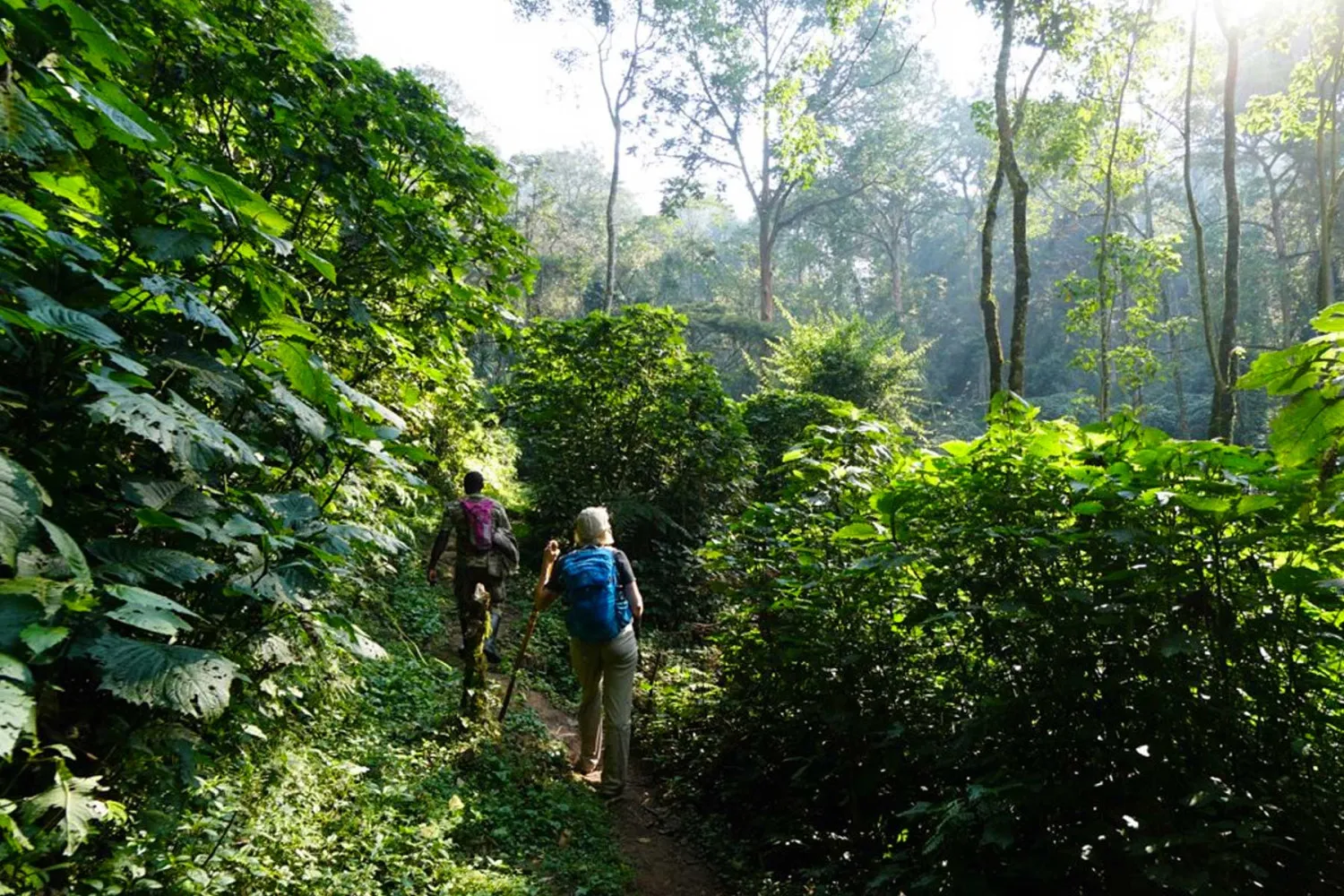
The best time for gorilla trekking in Uganda and Rwanda depends on the kind of experience a traveler wants, but mountain gorilla trekking is possible throughout the year. The most popular months are generally June to September and December to February because rainfall is usually lower and forest trails tend to be easier to navigate. However, travelers planning gorilla trekking in 2026/2027 should not automatically ignore the wetter months. March to May and October to November can offer greener scenery, fewer visitors and, in some cases, better accommodation availability. Because mountain gorillas live in high-altitude tropical forests, rainfall can occur in any month, so preparation remains essential regardless of the season.
Uganda and Rwanda have broadly similar gorilla trekking seasons because their mountain gorilla habitats lie within the same wider highland region of East Africa. The difference is often more noticeable in the terrain, trekking sector, elevation and vegetation rather than the month alone. Travelers researching Uganda can also review this detailed Bwindi best time guide, which explains how the drier and greener seasons affect trekking conditions in the rainforest.
Best Months for Gorilla Trekking in Uganda
The most popular months for Bwindi gorilla trekking are normally June, July, August, September, December, January and February. During these periods, rainfall is generally lower than during the main wet seasons, making forest trails somewhat firmer and easier to navigate. These months are particularly attractive to first-time visitors, photographers and travelers who plan to combine gorilla trekking with wildlife safaris in other parts of Uganda.
Uganda’s gorilla regions remain green throughout the year, so even the drier months should not be confused with completely dry conditions. Bwindi is a tropical rainforest where brief rain showers can occur unexpectedly. Travelers should therefore carry a rain jacket, wear waterproof hiking boots and prepare for muddy sections even when visiting during the traditionally better weather months.
Best Months for Gorilla Trekking in Rwanda
The most popular time for Volcanoes National Park gorilla trekking is also generally June to September and December to February. These months usually offer relatively favorable walking conditions on the volcanic slopes and through the bamboo forests where habituated mountain gorilla families are tracked.
Rwanda’s mountain environment remains cool and changeable throughout the year, particularly at higher elevations. Even during drier periods, fog, cloud and short rain showers are possible. Travelers should therefore choose appropriate footwear and rain protection rather than relying only on seasonal weather expectations. For additional destination planning, this Volcanoes National Park travel guide provides useful information about Rwanda’s gorilla trekking seasons.
Gorilla Trekking from June to September
June to September is one of the strongest periods for gorilla trekking in both Uganda and Rwanda. These months correspond with one of the region’s relatively dry seasons, and travelers often experience firmer forest trails and fewer prolonged rain showers. This makes the period especially popular for visitors booking a Uganda gorilla safari as part of a longer East African journey.
The main disadvantage is increased demand. Gorilla permits, preferred lodges and safari vehicles can become harder to secure during the busiest months. Travelers planning June, July, August or September departures should therefore reserve their permits and accommodation well in advance.
Gorilla Trekking in December, January and February
December to February provides another excellent window for mountain gorilla trekking. These months are generally relatively dry and can offer good trekking conditions in Bwindi, Mgahinga and Volcanoes National Park. Travelers combining gorillas with other wildlife experiences can use this period to plan a broader Uganda gorilla and wildlife safari.
December is also a busy international travel period because of Christmas and New Year holidays. Permit and lodge availability can therefore become limited. January and February can be excellent alternatives for travelers who prefer relatively favorable conditions without the same holiday pressure experienced during late December.
Gorilla Trekking in March
March marks the beginning of one of the wetter periods in Uganda and Rwanda. Rainfall generally becomes more frequent, causing sections of the forest trails to become slippery and muddy. However, gorilla trekking continues normally, and visitors can still have outstanding encounters with mountain gorillas.
March can be attractive to travelers who prefer fewer tourists and do not mind trekking in wetter conditions. Forest scenery is extremely lush, and photographers may enjoy the deep greens and atmospheric mist associated with the rainy season.
Gorilla Trekking in April
April is usually one of the wetter months in the mountain gorilla regions. Heavy showers can make trekking more physically demanding, particularly in steep sections of Bwindi. Travelers considering Mgahinga gorilla trekking should also prepare for wet vegetation and potentially slippery mountain trails.
The advantage of April is that visitor numbers are generally lower than during peak season. Travelers who are flexible and well prepared may enjoy quieter lodges, greener landscapes and a more peaceful safari atmosphere.
Gorilla Trekking in May
May remains part of the wetter season, but rainfall patterns can begin changing toward the end of the month. Trekking conditions can still be muddy, although the forests are exceptionally green and beautiful. Travelers who prioritize photography and low visitor numbers may find May rewarding.
This period can also work well for flexible travelers who are prepared for changing weather. A good rain jacket, waterproof boots, gaiters and a porter can significantly improve the trekking experience.
Gorilla Trekking in June
June generally marks the beginning of one of the most popular gorilla trekking periods. Rainfall tends to decrease, and trails gradually become easier to navigate. Travelers planning a Bwindi gorilla trekking safari during June should secure permits early because demand begins increasing.
June also works well for combining gorilla trekking with game viewing in Uganda’s savannah national parks. Drier conditions can make wildlife viewing easier in some areas because animals tend to gather around reliable water sources.
Gorilla Trekking in July
July is among the most popular months for gorilla trekking. Trails are generally firmer than during the wettest months, and international travelers frequently combine Uganda or Rwanda with Kenya and Tanzania during the wider East African safari season.
Because July falls within a major holiday period in many countries, demand for permits and accommodation can be very high. Travelers should therefore avoid leaving reservations until the last minute.
Gorilla Trekking in August
August is another excellent month for gorilla trekking and one of the busiest periods of the year. Visitors can generally expect relatively favorable trekking conditions, although rainfall remains possible in the rainforest. A Rwanda gorilla trekking safari can be particularly convenient during this period for travelers combining Rwanda with other East African destinations.
Because of strong demand, travelers planning August departures should book several months ahead whenever possible. Premium lodges around both Bwindi and Volcanoes National Park can fill quickly.
Gorilla Trekking in September
September continues to offer favorable trekking conditions and is often considered one of the best months for gorilla trekking in Uganda and Rwanda. Visitor numbers may begin to decrease slightly toward the end of the month, although permit demand can remain strong.
Rwanda also traditionally celebrates important gorilla conservation events around this period, making September especially interesting to travelers interested in conservation and mountain gorilla protection.
Gorilla Trekking in October
October usually marks the beginning of another wetter period. Rainfall becomes more frequent, and trails may become slippery. Nevertheless, visitors can still successfully trek mountain gorillas, and the forests become particularly lush.
Travelers who prefer lower visitor numbers may consider October a good compromise between peak-season demand and the heavier rains associated with some other months.
Gorilla Trekking in November
November is generally one of the wetter months, but gorilla trekking continues throughout the period. Rain can make forest trails challenging, especially in steep areas, but it also produces beautiful scenery and dramatic photographic conditions.
Travelers booking a gorillas and wildlife safari during November should plan with flexibility because road and trail conditions can be affected by rainfall.
Gorilla Trekking in December
December usually marks the return of relatively drier conditions and is one of the strongest months for gorilla trekking. Travelers visiting during Christmas and New Year should book permits and accommodation early because demand can increase sharply.
December is particularly suitable for families, couples and international visitors who want to combine a gorilla safari with a holiday-season vacation in Uganda or Rwanda.
Dry Season vs Wet Season Gorilla Trekking
Dry-season gorilla trekking is generally easier because forest trails are less muddy and rainfall is less frequent. This makes June to September and December to February especially attractive to travelers concerned about trekking difficulty. However, the forests never become completely dry, and rain should always be expected.
Wet-season trekking provides a different experience. March to May and October to November bring greener vegetation, quieter lodges and fewer visitors. Travelers interested in photography may appreciate the atmospheric clouds, mist and rich rainforest colors.
Best Time for Gorilla Trekking Photography
Good gorilla photography is possible throughout the year. During the drier months, trails are generally easier to navigate and camera equipment can be protected more easily from heavy rain. However, the greener months can produce beautiful backgrounds and softer forest light.
Because gorillas live beneath thick forest canopy, photographers should prepare for low-light conditions rather than relying only on seasonal sunshine. Fast lenses, sufficient memory cards and weather protection for camera equipment are especially useful.
Best Time for Gorilla Trekking and Wildlife Safaris
Travelers who want to combine mountain gorillas with savannah wildlife often prefer June to September or December to February. These months can provide favorable conditions for both forest trekking and game viewing. A longer Uganda gorillas, chimpanzees and wildlife safari can combine Bwindi with several national parks during these periods.
However, wet-season wildlife safaris also have advantages, including greener landscapes, fewer vehicles and excellent birding opportunities. The best period therefore depends on whether travelers prioritize easy trekking, wildlife viewing, photography, lower visitor numbers or overall safari cost.
Best Time for Gorilla Trekking and Golden Monkey Trekking
Travelers visiting the Virunga region can combine gorilla trekking with golden monkey trekking throughout the year. A gorilla and golden monkey safari is particularly attractive during the drier months because both activities involve walking through mountainous forest environments.
The combination provides two very different primate experiences. Mountain gorillas are larger, calmer and usually encountered on the forest floor, while golden monkeys are energetic and frequently move quickly through bamboo vegetation.
Best Time for Budget Gorilla Trekking
Travelers focused on keeping costs lower may prefer the wetter or shoulder-season months when demand for accommodation is generally reduced. Some lodges may offer better-value rates outside peak travel periods, although gorilla permit prices usually remain fixed according to the official tariff rather than changing every month.
Budget travelers should therefore compare total safari costs rather than expecting discounted gorilla permits. Savings are more likely to come from accommodation, transportation arrangements and itinerary design.
Best Time for Luxury Gorilla Trekking
Luxury gorilla trekking is available throughout the year, but June to September and December to February remain popular because travelers paying for premium accommodation often prefer relatively favorable trekking conditions. High-end lodges around Bwindi and Volcanoes National Park can therefore become fully booked during these months.
Travelers considering a premium itinerary should reserve early, particularly if they require specific suites, private cottages or honeymoon accommodation.
Does Rain Stop Gorilla Trekking?
Rain normally does not automatically cancel gorilla trekking. Mountain gorillas live in rainforest and montane environments where rainfall is a normal part of the ecosystem. Trekking generally continues unless park authorities determine that specific circumstances create a safety concern.
Travelers should therefore expect changing weather and prepare appropriately rather than choosing a month based on the assumption that rain can be completely avoided.
When Should You Book Gorilla Trekking for 2026/2027?
Travelers planning peak-season dates should book as early as possible because gorilla permits are limited. June to September and December holiday periods can attract particularly strong demand. Booking early also gives travelers more freedom when selecting accommodation close to the correct trekking sector.
Visitors choosing a short Rwanda gorilla trekking tour should be especially careful because a short itinerary may provide very little flexibility if the preferred permit date is unavailable.
What Is the Overall Best Time for Gorilla Trekking in 2026/2027?
For travelers who want the most convenient trekking conditions, June to September and December to February remain the strongest overall periods for mountain gorilla trekking in Uganda and Rwanda. Trails are generally firmer, rainfall is typically lower and these months combine well with other East African safari experiences.
However, there is no single bad month for gorilla trekking. Travelers willing to accept rain and muddier trails can enjoy rewarding experiences throughout March, April, May, October and November as well. The wetter months often provide quieter forests, lush landscapes and fewer visitors, making them attractive to flexible travelers.
Tavira Africa Safaris can help travelers select the best gorilla trekking period based on permit availability, preferred safari length, budget, fitness and the additional destinations they want to visit. Whether you choose Uganda, Rwanda or a combined journey, understanding seasonal conditions helps create a more comfortable and realistic 2026/2027 gorilla trekking itinerary.
What to Expect During Gorilla Trekking: Step-by-Step Experience
Knowing what to expect during gorilla trekking can make the experience less intimidating and much more enjoyable, especially for first-time visitors. A typical gorilla trekking experience involves an official briefing, allocation to a trekking group, entering the forest with professional guides and trackers, searching for a habituated mountain gorilla family and finally spending a regulated period observing the gorillas once they are located. Although the basic procedure is similar in Uganda and Rwanda, the length and difficulty of each trek can vary considerably because mountain gorillas move freely through their natural habitat every day.
Travelers should approach the trek as a genuine forest expedition rather than an ordinary tourist walk. The terrain can include steep hills, muddy paths, thick vegetation, exposed roots and slippery sections, particularly after rainfall. Conditions also differ between Bwindi Impenetrable National Park, Mgahinga Gorilla National Park and Rwanda’s Volcanoes National Park. Travelers who want additional background about the forest environment can explore this detailed Bwindi gorilla trekking guide before their safari.
Arrival at the Gorilla Trekking Headquarters
The gorilla trekking day begins at the designated park headquarters or trekking sector associated with the visitor’s permit. Travelers should arrive prepared with suitable hiking clothing, drinking water, packed food where arranged, rain protection and camera equipment. Those participating in Uganda gorilla trekking via Kigali should normally stay near their assigned trekking sector the night before so that the gorilla trekking day begins comfortably without an unnecessarily long road transfer.
Park personnel verify trekking arrangements before visitors participate in the official briefing. This is why travelers should ensure that their permit details and travel documents are correctly organized before arriving at the park. The exact procedure can vary according to the destination and current park regulations.
The Pre-Trek Gorilla Trekking Briefing
Before visitors enter the forest, professional park guides explain the rules governing the gorilla encounter. The briefing covers how travelers should behave when gorillas are located, appropriate viewing distance, photography restrictions, what to do if a gorilla moves closer and why visitors must follow ranger instructions throughout the experience.
The briefing is an important conservation measure rather than a formality. Mountain gorillas are wild animals, and controlled visitor behavior helps minimize disturbance. Travelers should listen carefully even if they have previously completed another gorilla trek because conditions and instructions may vary.
Allocation to a Gorilla Family and Trekking Group
Visitors are organized into trekking groups before entering the forest. Each group is assigned to a habituated gorilla family according to the operating procedures of the relevant wildlife authority. Travelers visiting Mgahinga Gorilla National Park, Bwindi or Volcanoes National Park should understand that the exact gorilla family visited cannot always be chosen simply according to personal preference.
Factors such as gorilla location, group organization and visitor considerations may influence allocation. Travelers with mobility or fitness concerns should communicate them appropriately so guides are aware before the trek begins, although an easy trek can never be guaranteed because gorillas continually move through the forest.
Hiring a Porter Before Entering the Forest
Before starting the trek, travelers may have the opportunity to hire a porter. This is highly recommended even for visitors who consider themselves physically fit. A porter can carry a backpack, drinking water, camera equipment and rain gear while helping the traveler negotiate steep, muddy or slippery sections.
Porter services can also provide direct economic benefits to people living around gorilla trekking destinations. Using a porter therefore contributes to the local tourism economy while making the trek more comfortable.
Entering the Gorilla Forest
Once the group is ready, visitors enter the forest with their guides and rangers. In Bwindi, this can mean walking beneath an exceptionally dense canopy surrounded by vines, ferns, enormous trees and thick undergrowth. A Bwindi gorilla trekking adventure provides a particularly immersive rainforest experience because visitors must physically move through the gorillas’ natural environment rather than observing wildlife from a vehicle.
In some locations, part of the journey may begin through community land or cultivated areas before reaching deeper forest. The landscape gradually changes as trekkers enter protected gorilla habitat and follow trails used by guides, trackers and wildlife.
How Trackers Find Mountain Gorillas
Finding mountain gorillas requires detailed knowledge of their behavior and daily movements. Experienced trackers look for signs such as feeding remains, nests, footprints, broken vegetation and other evidence indicating where the gorilla family has moved.
Tracking teams may also have information about where a family was observed previously, but this does not mean the gorillas will remain in the same place. Mountain gorillas travel according to feeding opportunities, social behavior and other natural factors, making every trek different.
How Long Does Gorilla Trekking Take?
One of the most frequently asked questions is how long gorilla trekking takes. There is no fixed duration because the gorillas are free-ranging wild animals. Some groups may be located relatively quickly, while others require several hours of trekking through challenging forest terrain.
Travelers booking a Uganda gorilla and wildlife safari should therefore treat the gorilla trekking day as the main activity rather than scheduling another major excursion immediately afterward. This allows the experience to unfold naturally without unnecessary pressure.
How Difficult Is the Walk Through the Forest?
Gorilla trekking difficulty ranges from moderate to physically demanding. The experience can involve climbing hills, crossing small streams, stepping over roots and walking through wet vegetation. Bwindi’s terrain can be particularly steep, while the Virunga region presents its own challenges because of elevation and volcanic landscapes.
Travelers do not need to be professional athletes, but reasonable fitness can make the trek considerably more comfortable. Regular walking, hill climbing and cardiovascular exercise before traveling can help visitors prepare for the experience.
The Moment Your Gorilla Family Is Located
After potentially hours of searching, the moment trackers indicate that the gorillas are nearby can be one of the most exciting parts of the entire safari. Visitors are usually asked to prepare their cameras, secure unnecessary belongings and follow the guide’s instructions carefully before approaching the gorilla family.
The forest atmosphere can change dramatically once gorillas are nearby. Visitors may hear vegetation moving, branches breaking or low vocalizations before actually seeing an animal. The first sight of a mountain gorilla emerging from dense vegetation is often the defining moment of the trek.
What Happens When You Meet the Mountain Gorillas?
Once the assigned gorilla family is located, visitors enter the regulated viewing phase of the experience. During a standard trek, the permitted viewing period is normally up to one hour once the gorillas have been found, subject to ranger instructions and the applicable conservation rules.
Travelers may observe gorillas feeding on vegetation, resting, grooming each other or moving through the forest. Young gorillas may play, climb trees or interact with other members of the family, while adult females may remain close to infants. A dominant silverback may rest quietly or move around the group while maintaining awareness of what is happening nearby.
How Close Can You Get to Mountain Gorillas?
Visitors are required to maintain the minimum viewing distance instructed by park authorities and guides. This protects both travelers and gorillas and reduces the possibility of disease transmission. Mountain gorillas are genetically close to humans and can be vulnerable to some human illnesses.
However, gorillas do not understand human distance regulations and may occasionally move closer by themselves. If this happens, visitors should remain calm and follow the ranger’s instructions rather than attempting to touch, follow or move toward the gorilla.
What Happens If a Silverback Approaches You?
Seeing a silverback at relatively close range can feel overwhelming because mature males are extremely powerful animals. However, habituated gorilla families have undergone a long process of becoming accustomed to controlled human observation. Visitors should remain calm, avoid sudden movements and immediately follow the guide’s instructions.
Running, screaming or attempting to touch a gorilla is inappropriate. The professional guides accompanying each group understand gorilla behavior and will explain how visitors should respond to different situations.
Can You Touch the Gorillas?
No. Visitors should never intentionally touch mountain gorillas. Physical contact increases health risks and interferes with responsible wildlife-viewing practices. Even when a curious juvenile approaches, travelers should follow ranger instructions and allow the professionals to manage the situation.
The objective of gorilla trekking is observation rather than interaction. Respecting the gorillas’ space helps preserve the controlled relationship between habituated gorilla families and tourism.
Taking Photos During Gorilla Trekking
Photography is one of the highlights of gorilla trekking, but travelers should prepare for difficult rainforest conditions. Light levels can be low beneath the canopy, vegetation may partially obscure the gorillas and animals may change position without warning. Visitors should understand their camera equipment before entering the forest rather than spending valuable viewing time learning settings.
Flash photography is not permitted around the gorillas. Travelers planning a Rwanda gorilla trekking safari or Uganda trek should therefore prepare cameras or smartphones for natural-light photography and protect equipment from rain and moisture.
What Sounds and Behaviors Might You Experience?
Gorilla encounters are not always silent. Visitors may hear grunts, low vocalizations, vegetation breaking and other sounds produced as the animals communicate and move. Juveniles can be particularly energetic, while adults may spend long periods feeding or resting.
The behavior witnessed cannot be predicted. One trek may involve a relaxed family resting together, while another may involve gorillas actively feeding and moving through thick vegetation. This unpredictability is part of what makes each encounter unique.
What Happens After the Viewing Period?
Once the permitted viewing period is complete, visitors leave the gorilla family under the direction of their guides. The group then begins the return trek through the forest. Depending on where the gorillas were located, the return walk may be shorter or longer than the initial search.
Visitors should continue following guide instructions until they have completely exited the forest. The trek is not finished simply because the gorilla viewing period has ended, and challenging terrain may still need to be crossed.
Returning to the Park Headquarters
After leaving the forest, trekkers return toward the designated finishing point or park headquarters. The sense of achievement can be significant, particularly after a demanding trek. Travelers often have time to reflect on the experience, review photographs and appreciate the scale of the forest they have explored.
Those undertaking a longer gorillas, chimpanzees and wildlife safari can then continue to the next destination, creating a journey that combines rainforest primates with Uganda’s savannah wildlife.
What Is Gorilla Trekking Like in Rwanda?
The general trekking process in Rwanda is similar, but the environment of Volcanoes National Park creates a different atmosphere. Trekkers move through montane and bamboo vegetation beneath the dramatic Virunga volcanoes, and the elevation can make some routes physically challenging.
Rwanda’s relatively convenient road access from Kigali makes the experience particularly suitable for short itineraries. Travelers researching the environment can also explore this Volcanoes National Park gorilla guide before deciding which destination best suits their expectations.
Can You Combine Gorilla Trekking with Golden Monkeys?
Yes. Travelers visiting the Virunga region can combine mountain gorilla trekking with golden monkey tracking. A gorilla and golden monkey safari provides two contrasting primate encounters because golden monkeys are much smaller and often highly active within bamboo vegetation.
Scheduling the activities on separate days allows travelers to enjoy each experience without rushing. This combination is particularly attractive to wildlife photographers and travelers with a strong interest in primates.
What Should You Expect Emotionally During Gorilla Trekking?
For many travelers, the experience becomes much more emotional than expected. Walking for hours through dense forest before suddenly encountering a wild mountain gorilla family creates a powerful sense of anticipation and achievement. Observing a silverback resting only a short distance away or watching an infant remain close to its mother can create memories that are difficult to compare with conventional wildlife viewing.
The experience also gives travelers a clearer understanding of why gorilla conservation matters. Seeing mountain gorillas within their actual forest habitat transforms conservation from an abstract idea into something immediate and personal.
Preparing for Your Gorilla Trekking Experience in 2026/2027
The best way to enjoy gorilla trekking is to arrive with realistic expectations. The forest can be wet, the trails can be difficult, gorillas may require hours of searching and photographs cannot always be perfectly composed. These challenges are part of the experience rather than disadvantages.
Tavira Africa Safaris can coordinate the trekking permit, suitable accommodation, private transportation and wider itinerary so that travelers arrive at the correct trekking location fully prepared. Whether the journey takes place in Uganda or Rwanda, understanding the step-by-step gorilla trekking experience allows visitors to focus on what matters most: entering a protected African forest and experiencing one of the world’s most remarkable wildlife encounters.
How Difficult Is Gorilla Trekking? Fitness, Age & Accessibility Guide
One of the most common questions travelers ask before booking a gorilla trekking safari is how physically demanding the experience really is. The difficulty of gorilla trekking varies from one day to another because mountain gorillas move freely through their natural habitat and cannot be found in a fixed location. Some visitors may locate their assigned gorilla family after a relatively manageable walk, while others may trek for several hours through steep, muddy and densely vegetated terrain. Travelers planning gorilla trekking in Uganda or Rwanda should therefore prepare for a moderate to challenging outdoor activity rather than assuming it will be an easy forest walk.
The trekking environment also differs between destinations. Bwindi Impenetrable National Park is known for steep forested hills, thick vegetation and uneven trails, while Mgahinga and Rwanda’s Volcanoes National Park involve volcanic slopes, bamboo forest and higher elevations. Travelers who want additional background about trekking conditions can also explore this Bwindi trekking guide before deciding which gorilla destination best suits their fitness level.
How Fit Do You Need to Be for Gorilla Trekking?
You do not need to be a professional athlete to complete a gorilla trek, but a reasonable level of fitness is extremely helpful. The activity may involve continuous walking, uphill sections, slippery ground, exposed roots, muddy trails and uneven terrain. Travelers considering a Uganda gorilla trekking tour should prepare with regular walking, light hiking and simple cardiovascular exercise in the weeks or months before travel.
Fitness becomes particularly important when the assigned gorilla family has moved deeper into the forest. A trek that lasts several hours can feel significantly more demanding than a short forest walk, especially at higher elevations. Travelers who are generally active in everyday life usually adapt well, but anyone who rarely walks long distances should prepare in advance.
Why Gorilla Trekking Difficulty Changes Every Day
Gorilla trekking does not follow a fixed route with a guaranteed distance. Trackers begin with information about where the gorilla family was previously located and then follow signs of movement through the forest. Mountain gorillas can travel according to feeding opportunities, social behavior and weather conditions, meaning yesterday’s short trek may become today’s longer expedition.
This unpredictability is one of the defining characteristics of the experience. A traveler booking Bwindi gorilla trekking should therefore avoid expecting a specific walking duration or difficulty level in advance.
Is Gorilla Trekking in Bwindi Difficult?
Bwindi can be physically demanding because the national park is characterized by steep hills, valleys and extremely dense tropical vegetation. Some trekking routes require climbing through muddy forest sections, crossing small streams or stepping over roots and fallen vegetation. However, not every trek is equally difficult, and some gorilla families may be found in relatively accessible areas.
Travelers staying in the correct trekking sector can also reduce unnecessary stress on the trekking day. A properly organized safari ensures accommodation is matched to the permit location, allowing visitors to arrive at the briefing point comfortably before beginning the forest trek.
Is Gorilla Trekking in Mgahinga Difficult?
Trekking in Mgahinga Gorilla National Park can also be challenging because of the park’s volcanic landscape and elevation. Visitors may walk through bamboo zones, montane vegetation and slopes associated with the Virunga Mountains.
The scenery can make the experience exceptionally rewarding, but travelers should be prepared for uphill walking and changing weather. Good hiking boots and walking poles can make a considerable difference when navigating the mountain environment.
Is Gorilla Trekking in Rwanda Easier?
Rwanda’s Volcanoes National Park is sometimes described as more accessible than Bwindi, but this does not mean every gorilla trek is easy. Some gorilla families can be reached after a relatively manageable walk, while others may require considerable climbing through bamboo and montane vegetation.
Altitude can also make Rwanda trekking physically demanding. Visitors who are not accustomed to walking at higher elevation may become tired more quickly. Travelers researching Rwanda can also use this Volcanoes National Park guide to better understand the terrain before booking.
Can Older Travelers Go Gorilla Trekking?
Yes, many older travelers successfully complete gorilla trekking every year. Age alone does not automatically determine whether someone can trek. Fitness, mobility, balance, stamina and general comfort with uneven terrain are often more important considerations.
Older travelers planning a Rwanda gorilla safari or Uganda trek should communicate mobility concerns during the planning stage. This can help guides and safari planners recommend appropriate routing and realistic preparation.
Gorilla Trekking for Seniors
Senior travelers can make the experience more comfortable by preparing with regular walking before travel, using trekking poles, hiring porters and choosing accommodation close to the briefing location. The objective should not be to rush through the trek but to conserve energy and move steadily.
Porters can be especially valuable because they reduce the weight travelers need to carry and can provide assistance through slippery or steep sections. For many visitors, this makes the difference between an exhausting trek and a manageable one.
Minimum Age for Gorilla Trekking
The standard minimum age for mountain gorilla trekking in Uganda and Rwanda is generally 15 years. This restriction exists because trekking can be physically demanding and because younger children may find it difficult to remain calm and follow instructions around wild gorillas.
Families planning a family gorilla safari should therefore verify the ages of all participants before permits are purchased. Alternative activities can be arranged for younger children who are unable to participate in the gorilla trek.
Can People with Limited Mobility Go Gorilla Trekking?
Travelers with limited mobility should discuss their circumstances before booking because accessibility varies significantly between destinations and trekking routes. Gorilla trekking takes place in natural mountain forests rather than on paved pathways, so uneven ground and steep slopes are common.
In some cases, additional assistance may be available through local support teams, but arrangements must be discussed in advance and cannot be assumed. Travelers should provide accurate information about their mobility so realistic options can be considered.
Why Hiring a Porter Makes Gorilla Trekking Easier
Hiring a porter is one of the best ways to reduce the physical strain of gorilla trekking. A porter can carry water, rain gear, cameras and other personal items while also helping travelers through difficult terrain. This allows the visitor to conserve energy for the actual trekking and gorilla encounter.
Travelers booking a gorillas and wildlife safari may especially appreciate porter assistance because the gorilla trek can be one of several physically active experiences during the journey.
What Shoes Are Best for Gorilla Trekking?
Proper footwear is essential. Strong waterproof hiking boots with good grip are generally the best option because forest trails can become muddy and slippery even during drier months. Ordinary fashion shoes or smooth-soled trainers may provide insufficient traction on steep terrain.
Travelers should also wear their hiking boots before the safari rather than using brand-new footwear for the first time on trekking day. Comfortable, broken-in boots reduce the risk of blisters and foot pain during a longer trek.
Should You Use a Walking Stick?
A walking stick or trekking pole can provide valuable balance on steep slopes, muddy sections and uneven ground. Some trekking areas may provide simple walking sticks, while travelers can also carry lightweight trekking poles if preferred.
The extra support is useful when descending slippery hills because downhill sections can sometimes be more challenging than climbing. Travelers with knee or balance concerns may find walking sticks particularly helpful.
How to Train for Gorilla Trekking
Preparing for gorilla trekking does not require an extreme fitness program. Regular walking is one of the most effective forms of preparation. Travelers can gradually increase their walking distance and include hills or stairs to strengthen the legs and improve cardiovascular endurance.
Light hiking, cycling and moderate aerobic exercise can also help. The objective is to become comfortable with several hours of steady physical activity rather than training for speed.
How Altitude Affects Gorilla Trekking
Mountain gorilla habitats are located at relatively high elevations, and some travelers may notice that physical activity feels more demanding than it does at sea level. Walking uphill at elevation can increase breathing rate and fatigue, particularly for visitors arriving directly from lower-altitude countries.
Building a safari itinerary with enough rest before trekking can therefore be useful. Travelers should stay hydrated and move at a comfortable pace rather than trying to keep up with faster trekkers.
What Happens If You Get Tired During the Trek?
Travelers who become tired should communicate with their guide. Gorilla trekking groups normally move with the guidance of trained park personnel, and the objective is to reach the gorillas safely rather than to race through the forest.
Short rest periods may be possible depending on the terrain and situation. This is another reason travelers should be realistic about their fitness and use porter assistance when necessary.
Can You Request an Easier Gorilla Trek?
Visitors can communicate their fitness or mobility concerns before the trek, and guides may take these considerations into account when organizing trekking groups. However, no one can guarantee an easy trek because the gorillas’ movements determine where they are found.
Travelers should therefore treat any request for a shorter or easier route as a preference rather than a guarantee. Proper physical preparation remains the safest approach.
How Weather Affects Trekking Difficulty
Rain can significantly increase the difficulty of gorilla trekking by making trails muddy and slippery. Dense vegetation may also become wetter and heavier, making forest movement more demanding. Travelers undertaking a Uganda gorilla and primate safari should therefore carry appropriate rain protection regardless of the travel month.
Dryer periods generally provide firmer trails, but mountain rainforest weather remains unpredictable. Visitors should always prepare for rain rather than assuming the dry season guarantees perfect walking conditions.
What Should You Carry to Reduce Physical Strain?
Travelers should carry only what is necessary during the trek. Drinking water, a light rain jacket, camera equipment and essential personal items are usually enough. Heavy unnecessary bags can increase fatigue and make steep sections more difficult.
Using a porter allows travelers to keep their hands free for balance while still carrying essential equipment. This is particularly useful for photographers with heavier cameras.
Is Gorilla Trekking Safe for First-Time Hikers?
Many first-time hikers successfully complete gorilla trekking. The activity takes place under the supervision of trained guides, rangers and trackers who understand the terrain and gorilla behavior. The most important requirement is to be realistic about fitness and prepare appropriately.
First-time hikers should avoid underestimating the forest environment simply because the activity is tourism-based. It remains a genuine outdoor adventure in natural terrain.
Best Gorilla Trekking Option for Travelers Concerned About Fitness
Travelers concerned about trekking difficulty should discuss both Uganda and Rwanda options before booking. Rwanda may appeal because of its relatively convenient access from Kigali, while Uganda offers multiple trekking sectors and a wider range of safari combinations.
A shorter Rwanda gorilla trekking tour can reduce overall travel fatigue, while a carefully planned Uganda safari can include rest days and accommodation positioned close to the trekking sector.
How to Make Gorilla Trekking Easier in 2026/2027
The best way to make gorilla trekking easier is to prepare before traveling, wear suitable hiking boots, stay hydrated, use a porter, carry a walking stick and avoid bringing unnecessary weight into the forest. Travelers should also communicate mobility concerns during safari planning rather than waiting until the morning of the trek.
Tavira Africa Safaris can organize a 2026/2027 gorilla trekking itinerary that considers the traveler’s fitness level, age, preferred accommodation and overall safari pace. While nobody can guarantee the exact difficulty of a gorilla trek, careful preparation and realistic planning can make the experience considerably more comfortable and enjoyable.
What to Pack and Wear for Gorilla Trekking in Uganda and Rwanda
Packing correctly can make a major difference during gorilla trekking in Uganda or Rwanda. Forest trails can be muddy, steep and wet, so travelers should wear strong waterproof hiking boots, long trousers and a lightweight long-sleeved shirt. A waterproof rain jacket is essential because weather can change quickly in Bwindi Impenetrable National Park, Mgahinga Gorilla National Park and Volcanoes National Park.
Visitors should also carry gardening gloves to protect their hands from rough vegetation, insect repellent, sunscreen, a reusable water bottle, a small daypack and sufficient camera batteries. Gaiters can help keep mud and insects away from the lower legs. Travelers booking a Uganda gorilla safari or Rwanda gorilla safari should avoid carrying unnecessary heavy items. Hiring a porter is recommended, particularly for photographers carrying equipment. More preparation advice can also be found in this Bwindi trekking guide and Volcanoes National Park guide. Proper clothing and a light, practical packing list help make a 2026/2027 gorilla trek safer and more comfortable.
Gorilla Trekking Rules, Safety, Photography & Responsible Tourism
Gorilla trekking is carefully regulated to protect both visitors and mountain gorillas. Travelers joining gorilla trekking in Uganda or Rwanda must follow instructions from professional park guides and rangers at all times. Visitors are required to keep the recommended distance from the gorillas, avoid touching them and remain calm if a gorilla moves closer. These rules are especially important in Bwindi Impenetrable National Park, Mgahinga Gorilla National Park and Volcanoes National Park.
Visitors should avoid loud talking, sudden movements and eating or drinking near the gorillas. Flash photography is not permitted because it can disturb the animals. Travelers booking a Uganda gorilla safari or Rwanda gorilla safari should prepare cameras for natural-light photography before entering the forest.
Is Gorilla Trekking Safe?
Gorilla trekking is generally considered safe when visitors follow ranger instructions and park regulations. Habituated gorilla families are accustomed to controlled human presence, but they remain wild animals. Travelers should never attempt to approach, feed or touch them. Professional guides understand gorilla behavior and know how to respond if a silverback or another member of the family moves close to visitors.
The physical environment also requires attention. Trails can be steep, muddy and slippery, so proper footwear and careful walking are essential. Travelers on a Bwindi gorilla trekking safari should prepare for natural forest conditions rather than expecting paved or easy walking paths.
Health Rules Around Mountain Gorillas
Mountain gorillas share biological similarities with humans and can be vulnerable to some human illnesses. Visitors who are unwell may be advised not to trek, depending on current wildlife authority regulations and health considerations. Travelers should always be honest about symptoms and follow instructions provided by park officials.
Maintaining distance, avoiding unnecessary contact and following hygiene guidance are important parts of responsible gorilla tourism. These practices help protect the long-term survival of gorilla populations while allowing carefully controlled tourism to continue.
Gorilla Trekking Photography Rules
Photography is one of the highlights of a gorilla and wildlife safari, but visitors should prioritize the animals’ welfare over getting a perfect photograph. Flash photography should not be used around gorillas, and photographers should avoid sudden movements or pushing closer for a better angle.
Low forest light can make photography challenging, so travelers should prepare camera settings before reaching the gorillas. Additional destination information is available in this Bwindi gorilla guide and this Volcanoes National Park guide.
Responsible Gorilla Tourism and Conservation
Responsible tourism plays an important role in mountain gorilla conservation. Permit systems limit visitor numbers, regulate encounters and generate revenue that supports protected-area management and conservation programs. Travelers choosing Uganda primate safaris are therefore participating in a tourism model that depends on protecting wildlife habitats and maintaining strict visitor controls.
Visitors can contribute further by hiring local porters, respecting communities around the parks, avoiding littering and following environmental guidelines. A well-managed gorilla and golden monkey safari should provide memorable wildlife experiences while supporting conservation and local livelihoods.
Why Following Gorilla Trekking Rules Matters
The rules governing gorilla trekking are designed to protect a fragile wildlife population and ensure that future travelers can continue experiencing mountain gorillas in the wild. Visitors who respect ranger instructions, maintain appropriate distance, avoid disturbing the gorillas and behave responsibly help reduce unnecessary stress on the animals.
Tavira Africa Safaris encourages every traveler to approach gorilla trekking as both an adventure and a conservation experience. Whether visiting Uganda or Rwanda in 2026/2027, responsible behavior ensures that the encounter remains safe, respectful and meaningful for both visitors and the mountain gorillas.
How to Plan and Book the Perfect Gorilla Trekking Safari for 2026/2027
Planning the perfect gorilla trekking safari for 2026/2027 begins with choosing between Uganda, Rwanda or a combination of both destinations. Travelers should consider their budget, available travel days, preferred accommodation standard, physical fitness and additional wildlife interests before securing a gorilla trekking safari. Uganda is particularly suitable for travelers who want to combine mountain gorillas with chimpanzees, wildlife game drives and boat safaris, while Rwanda provides convenient access to the gorillas of Volcanoes National Park.
Gorilla permits should be confirmed early, particularly for travel during popular months. In Uganda, travelers can choose between Bwindi Impenetrable National Park and Mgahinga Gorilla National Park. Accommodation should then be selected according to the confirmed trekking location. Travelers researching the region independently can also explore this Bwindi gorilla trekking guide before finalizing their itinerary.
Choose the Right Length for Your Gorilla Safari
The number of safari days depends on where travelers arrive and what they want to experience beyond the gorilla trek. A 3-day Uganda gorilla safari is ideal for visitors with limited time, particularly when beginning and ending in Kigali. Adding additional days allows travelers to experience Lake Bunyonyi, Queen Elizabeth National Park, Kibale Forest and other major attractions.
Travelers who want a slightly more relaxed itinerary can consider a 4-day Uganda gorilla safari. Longer itineraries reduce the need to rush between destinations and provide more opportunities to experience the landscapes and communities surrounding Uganda’s mountain gorilla habitats.
Combine Gorilla Trekking with a Wildlife Safari
One of the best ways to maximize an East African journey is to combine gorilla trekking with traditional wildlife viewing. A 5-day gorilla and wildlife safari can introduce travelers to both rainforest primates and Uganda’s savannah wildlife within one itinerary.
Travelers with additional time can continue toward Queen Elizabeth National Park for game drives and boat safaris or visit Kibale Forest for chimpanzee trekking. Longer journeys provide a more complete understanding of Uganda because the country’s landscapes change dramatically between mountain rainforest, crater regions, wetlands and open savannah.
Combine Gorillas, Chimpanzees and Big Game
Primate enthusiasts can make gorilla trekking part of a larger wildlife journey by combining Bwindi with Kibale Forest and Uganda’s savannah national parks. An 8-day gorillas and chimpanzees safari provides more variety than a stand-alone gorilla trek and is particularly suitable for first-time visitors to Uganda.
Travelers with even more time can build a longer circuit incorporating several protected areas. This reduces the need to choose between primates and traditional African wildlife because both experiences become part of the same safari.
Planning a Rwanda Gorilla Trekking Safari
Rwanda works particularly well for travelers who want a shorter itinerary because Volcanoes National Park is relatively accessible from Kigali. A 2-day Rwanda gorilla safari can provide a focused mountain gorilla experience without requiring a long overland circuit.
Visitors with more time can combine the gorillas with golden monkeys, Lake Kivu, Akagera National Park or Nyungwe Forest. Travelers researching the gorilla region can also consult this Volcanoes National Park guide for additional destination information.
Combine Gorilla and Golden Monkey Trekking
Travelers interested in primates can combine mountain gorillas with golden monkeys in the Virunga region. A gorilla and golden monkey safari provides two very different encounters within a relatively compact itinerary.
Golden monkey trekking is generally more energetic because the monkeys move rapidly through bamboo vegetation, while the gorilla encounter tends to be slower and more intimate. Combining both activities provides greater variety for photographers and primate enthusiasts.
Choose the Right Gorilla Trekking Accommodation
Accommodation should be selected only after the trekking location has been confirmed. This is especially important in Bwindi because the national park has multiple trekking sectors. Choosing a lodge far from the permit’s designated sector can result in unnecessarily long transfers on the morning of the trek.
Travelers can choose budget, mid-range or luxury accommodation depending on their safari style. Location, comfort, road access, meal arrangements and proximity to the briefing point should all be considered alongside room price.
Book Your Gorilla Permit Early
Gorilla permits have limited daily availability, making early reservation particularly important for June to September and December to February. Travelers with fixed international flights should avoid booking the rest of their safari before confirming that suitable permits are available.
Once the trekking date and permit have been confirmed, accommodation and transportation can be organized around them. This creates a much more efficient itinerary and reduces the risk of expensive changes later.
Prepare Physically for Gorilla Trekking
Travelers should prepare for uneven forest terrain, steep slopes and potentially muddy trails. Regular walking and light hiking before departure can improve stamina and make the trekking experience more comfortable.
Good waterproof hiking boots, rain protection and a walking stick are strongly recommended. Hiring a porter can also reduce physical strain by allowing visitors to trek without carrying heavy daypacks or camera equipment.
Plan Your Gorilla Safari Around Your Budget
A gorilla trekking safari can be designed for different travel budgets. Uganda generally offers the lower permit cost, while Rwanda is attractive to travelers who value convenient access and premium tourism infrastructure. Accommodation choice, safari duration and the number of travelers sharing transportation also influence the final price.
Travelers should compare complete itineraries rather than permit prices alone. A slightly longer itinerary can sometimes provide better overall value by combining several major experiences within the same transportation route.
Choose the Best Time to Travel
Gorilla trekking is available throughout the year, although June to September and December to February are generally popular because conditions tend to be relatively drier. March to May and October to November can provide lush landscapes, fewer visitors and a quieter atmosphere.
The best month depends on the traveler’s priorities. Those concerned about trekking difficulty may prefer relatively drier periods, while photographers and flexible travelers may appreciate the greener rainy-season environment.
Why Book Your 2026/2027 Gorilla Safari with Tavira Africa Safaris?
A successful gorilla safari depends on much more than simply purchasing a permit. The trekking sector, accommodation, transportation, border routing, additional activities and safari pace must work together. Tavira Africa Safaris designs customized Uganda and Rwanda journeys according to each traveler’s available time, budget and interests.
Whether you want a short gorilla trek from Kigali, an extended Uganda wildlife adventure or a combined Uganda and Rwanda journey, careful planning allows every day of the safari to contribute to the overall experience. Tavira Africa Safaris can coordinate the major arrangements from permit planning and accommodation selection to private transportation and additional wildlife experiences.
Start Planning Your Ultimate Gorilla Trekking Safari 2026/2027
The best time to begin planning is once your approximate travel dates are known. Permit availability can then be checked before the complete itinerary is finalized. Travelers should also decide whether mountain gorillas will be the primary purpose of the trip or part of a longer African wildlife journey.
From the ancient forests of Bwindi to the volcanic landscapes of Rwanda, gorilla trekking offers an opportunity to experience one of Africa’s most remarkable wildlife encounters. A carefully planned 2026/2027 safari can combine mountain gorillas with chimpanzees, golden monkeys, wildlife, cultural encounters and spectacular landscapes, creating a journey far beyond the gorilla trek itself.
Frequently Asked Questions About Gorilla Trekking in Uganda and Rwanda 2026/2027
Travelers planning gorilla trekking often have questions about permits, costs, safety, trekking difficulty, photography and the best destination. These gorilla trekking FAQs provide practical answers for travelers planning Uganda and Rwanda gorilla safaris in 2026/2027.
How Much Is a Gorilla Trekking Permit in Uganda?
Uganda’s standard gorilla trekking permit for foreign non-residents is currently USD 800 per person per trek. The permit provides access to a regulated gorilla trek in Bwindi Impenetrable National Park or Mgahinga Gorilla National Park. Different official rates may apply to other visitor categories, so travelers should confirm the applicable 2026/2027 tariff when booking.
How Much Is a Gorilla Trekking Permit in Rwanda?
Rwanda’s standard gorilla trekking permit for international visitors is currently USD 1,500 per person per trek. Gorilla trekking takes place in Volcanoes National Park. Travelers should confirm current prices and conditions before booking because wildlife authority tariffs can change.
Which Is Better for Gorilla Trekking: Uganda or Rwanda?
Both countries offer outstanding mountain gorilla encounters. Uganda is generally better for travelers seeking lower permit costs and longer wildlife combinations, while Rwanda offers convenient access from Kigali and excellent luxury accommodation. Travelers can also research this Bwindi gorilla destination and Volcanoes National Park when comparing the two destinations.
What Is the Best Time for Gorilla Trekking?
Gorilla trekking is available throughout the year, but June to September and December to February are generally popular because rainfall tends to be lower. Travelers booking a Uganda gorilla trekking safari during peak periods should secure permits early.
How Long Does Gorilla Trekking Take?
There is no guaranteed trekking duration. A gorilla family may be located relatively quickly or after several hours of walking because the animals move freely through the forest. Travelers should therefore reserve most of the trekking day for the experience.
How Long Can You Stay with the Gorillas?
During standard gorilla trekking, visitors normally receive up to one regulated hour with the assigned habituated gorilla family after it has been located, subject to ranger instructions and applicable park regulations. This viewing period provides opportunities to observe feeding, resting, grooming and social behavior.
Is Gorilla Trekking Difficult?
Gorilla trekking can range from moderate to physically demanding. Visitors on a Bwindi gorilla safari may encounter steep hills, muddy trails, roots and thick vegetation. Reasonable fitness, proper hiking boots and porter assistance can make the experience considerably easier.
What Is the Minimum Age for Gorilla Trekking?
The standard minimum age for mountain gorilla trekking in Uganda and Rwanda is generally 15 years. Families traveling with younger children should arrange suitable alternative activities while eligible family members complete the trek.
Is Gorilla Trekking Safe?
Gorilla trekking is generally safe when visitors follow the instructions of professional guides and park rangers. Habituated gorillas are accustomed to controlled human observation, but they remain wild animals. Visitors must maintain the instructed distance, avoid touching gorillas and remain calm during encounters.
Can Gorillas Attack Tourists?
Aggressive incidents during properly managed gorilla trekking are uncommon. Rangers understand gorilla behavior and accompany visitors throughout the encounter. Travelers should never run, make sudden movements or attempt to interact physically with a gorilla if it approaches.
Can You Touch a Mountain Gorilla?
No. Visitors should never intentionally touch mountain gorillas. Physical contact can disturb the animals and increase health risks. Travelers participating in Mgahinga gorilla trekking, Bwindi trekking or Rwanda gorilla trekking should always follow ranger instructions concerning appropriate viewing distance.
Can You Take Photos During Gorilla Trekking?
Yes. Photography is permitted, but flash photography is not allowed around the gorillas. Visitors should prepare their camera settings before the encounter because forest light can be limited and the viewing period is regulated.
What Should I Wear for Gorilla Trekking?
Wear waterproof hiking boots, long trousers, a long-sleeved shirt and a lightweight waterproof jacket. Gardening gloves, gaiters and a small daypack are also useful. Neutral, practical clothing is generally preferable to heavy or restrictive clothing.
Should I Hire a Porter for Gorilla Trekking?
Yes, hiring a porter is strongly recommended. Porters can carry water, cameras and personal belongings while helping visitors through difficult terrain. This is particularly valuable during a longer gorilla and wildlife safari when travelers may participate in several active experiences.
Can I Trek Gorillas If It Rains?
Yes. Gorilla trekking generally continues during rainfall because mountain gorillas live in naturally wet rainforest and montane environments. Visitors should carry waterproof clothing and protect cameras and other electronic equipment.
Can Gorilla Permits Sell Out?
Yes. Only a controlled number of visitors can trek habituated gorilla families each day. Permits can therefore become unavailable, particularly during popular travel periods. Booking several months ahead is advisable when travel dates are fixed.
Can I Book a Gorilla Permit at the Last Minute?
Last-minute availability can sometimes exist, but travelers should never depend on it. A short Rwanda gorilla safari or Uganda itinerary often has little flexibility if the required trekking date is unavailable.
Can I See Gorillas and Chimpanzees on the Same Safari?
Yes. Uganda is particularly suitable for combining mountain gorillas with chimpanzee trekking. An Uganda gorillas and chimpanzees safari can also incorporate savannah wildlife viewing, creating a highly diverse primate and wildlife journey.
Can I Combine Gorilla and Golden Monkey Trekking?
Yes. Travelers visiting the Virunga region can combine the two activities through a gorilla and golden monkey safari. The experiences complement each other because mountain gorillas and golden monkeys have very different behavior and habitats.
Can I Trek Gorillas in Uganda from Kigali?
Yes. Kigali is a practical gateway for reaching southwestern Uganda. Travelers can cross into Uganda by road and continue toward Bwindi or Mgahinga, making short Uganda gorilla trekking itineraries possible without beginning the journey in Entebbe.
Is Gorilla Trekking Worth the Money?
For travelers interested in wildlife, conservation and primates, gorilla trekking is widely considered one of Africa’s most memorable experiences. The opportunity to enter a protected mountain forest and observe a habituated gorilla family in its natural environment is fundamentally different from conventional wildlife viewing.
How Far in Advance Should I Book for 2026/2027?
Travelers with fixed dates should begin planning several months ahead, particularly for June to September and December holiday travel. Early planning provides better permit availability, more accommodation choices and greater flexibility when designing the safari route.
How Do I Book a Gorilla Trekking Safari for 2026/2027?
Start by deciding your approximate dates, number of travelers, preferred country, safari length and accommodation level. Tavira Africa Safaris can then help coordinate permit availability, suitable accommodation, private transportation and additional activities. Whether you want a short gorilla trek, a longer Uganda wildlife safari or a combined Uganda and Rwanda journey, booking the major arrangements together creates a smoother and better-organized 2026/2027 gorilla trekking experience.
Why Book Your Gorilla Trekking Safari with Tavira Africa Safaris?
Choosing the right safari company is an important part of planning a successful gorilla trekking journey. Tavira Africa Safaris specializes in customized gorilla trekking safaris across Uganda and Rwanda, helping travelers coordinate permits, accommodation, private transportation and additional wildlife experiences within one carefully planned itinerary. Whether you want to explore Bwindi Impenetrable National Park, Mgahinga or Rwanda’s Volcanoes National Park, every journey can be adapted to your available time, interests and preferred travel style.
Customized Uganda and Rwanda Gorilla Safaris
Every traveler has different expectations, which is why Tavira Africa Safaris can customize itineraries rather than limiting visitors to one fixed travel plan. You may choose a short Uganda gorilla safari from Kigali, a more relaxed Bwindi gorilla trekking safari or a longer journey combining mountain gorillas with Uganda’s major wildlife destinations.
Careful Gorilla Permit Planning
Gorilla permits have limited availability, and correct permit planning is especially important in Bwindi because trekking takes place from different sectors. Tavira Africa Safaris can coordinate permit availability with accommodation and transportation so travelers stay within practical reach of their assigned trekking location. Visitors interested in Uganda’s alternative gorilla destination can also incorporate Mgahinga Gorilla National Park into their itinerary.
Private and Flexible Safari Experiences
A private safari gives travelers greater flexibility over the pace of their journey. Instead of moving through Uganda or Rwanda as part of a large fixed group, travelers can enjoy private transportation and an itinerary designed around their interests. A gorilla and wildlife safari can therefore include additional scenic stops, wildlife experiences and cultural encounters according to the traveler’s preferences.
Combine Gorillas with Uganda’s Wildlife
Uganda offers much more than mountain gorillas. Tavira Africa Safaris can combine the gorilla forests with chimpanzee trekking, game drives, boat safaris and other wildlife experiences. Travelers with more time can choose an Uganda gorillas and chimpanzees safari or an extended Uganda primates and wildlife safari covering several ecosystems.
Expert Planning for Rwanda Gorilla Trekking
Travelers who prefer Rwanda can experience the mountain gorillas of Volcanoes National Park within a short or extended itinerary. A Rwanda gorilla trekking safari is particularly suitable for visitors with limited time, while longer journeys can include golden monkeys, Akagera National Park, Nyungwe Forest and Lake Kivu.
Travelers conducting additional research can explore this independent Volcanoes National Park guide or learn more about Uganda’s rainforest through this Bwindi Impenetrable Forest guide.
Gorilla and Golden Monkey Safari Experiences
For travelers passionate about primates, Tavira Africa Safaris can combine mountain gorilla trekking with golden monkey tracking. A gorilla and golden monkey safari provides contrasting primate experiences while showcasing the spectacular forests and volcanic landscapes of the Virunga region.
Accommodation for Different Safari Budgets
Tavira Africa Safaris can design budget-conscious, comfortable mid-range and luxury gorilla trekking itineraries. More importantly, accommodation is selected according to the safari route and trekking location rather than simply choosing a lodge because it appears close to a national park on a map. This is especially important around Bwindi, where choosing the wrong trekking sector can create unnecessary road transfers.
Start Planning Your 2026/2027 Gorilla Safari with Tavira Africa Safaris
Whether you are planning your first African safari or returning specifically to experience mountain gorillas, Tavira Africa Safaris can help build a journey around your preferred dates, budget and interests. From securing the appropriate gorilla trekking arrangements to selecting accommodation and combining primates with wildlife experiences, careful planning creates a smoother and more rewarding safari.
Plan Your Ultimate Gorilla Trekking Safari 2026/2027
Experience mountain gorillas in Uganda or Rwanda with a personalized safari designed around your travel dates, preferred accommodation, budget and wildlife interests. Contact Tavira Africa Safaris and start creating your 2026/2027 gorilla trekking adventure.