
Uganda Safari Planning Guide 2027
Uganda Safari Packing List: What International Travelers Should Bring
Preparing for Uganda does not mean filling your suitcase with unnecessary safari equipment. The right clothing, comfortable footwear, trekking essentials, camera gear, travel documents and a few practical accessories can make your Uganda safari much more comfortable.
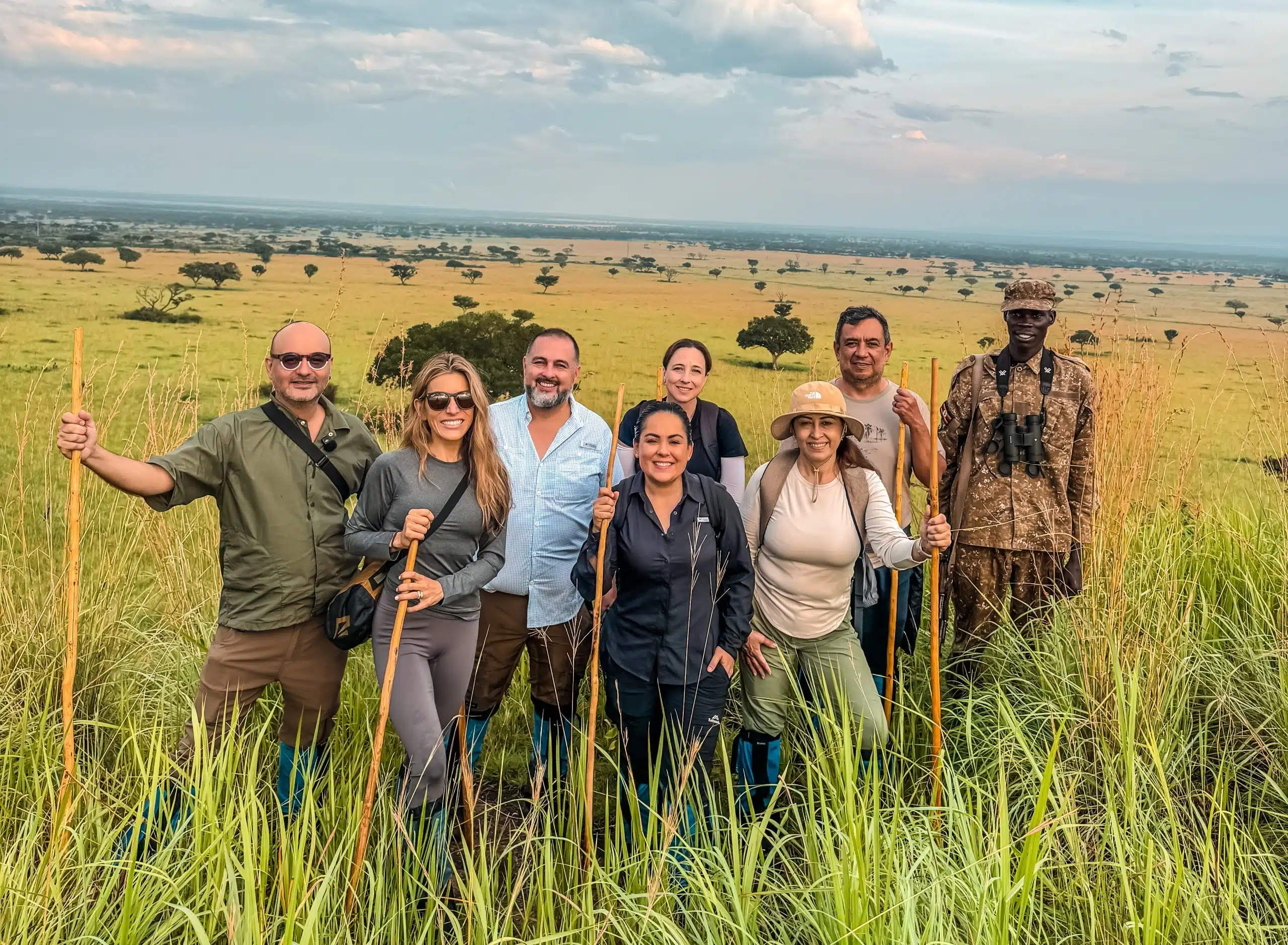
A good Uganda safari packing list should prepare you for several different environments within one trip. You may spend one morning watching wildlife across open savannah, another day walking through a humid rainforest in search of mountain gorillas and another evening relaxing at a lodge overlooking a lake or national park. Because Uganda combines tropical lowlands, highlands, forests and savannah, flexible clothing normally works better than carrying a large collection of specialized safari outfits.
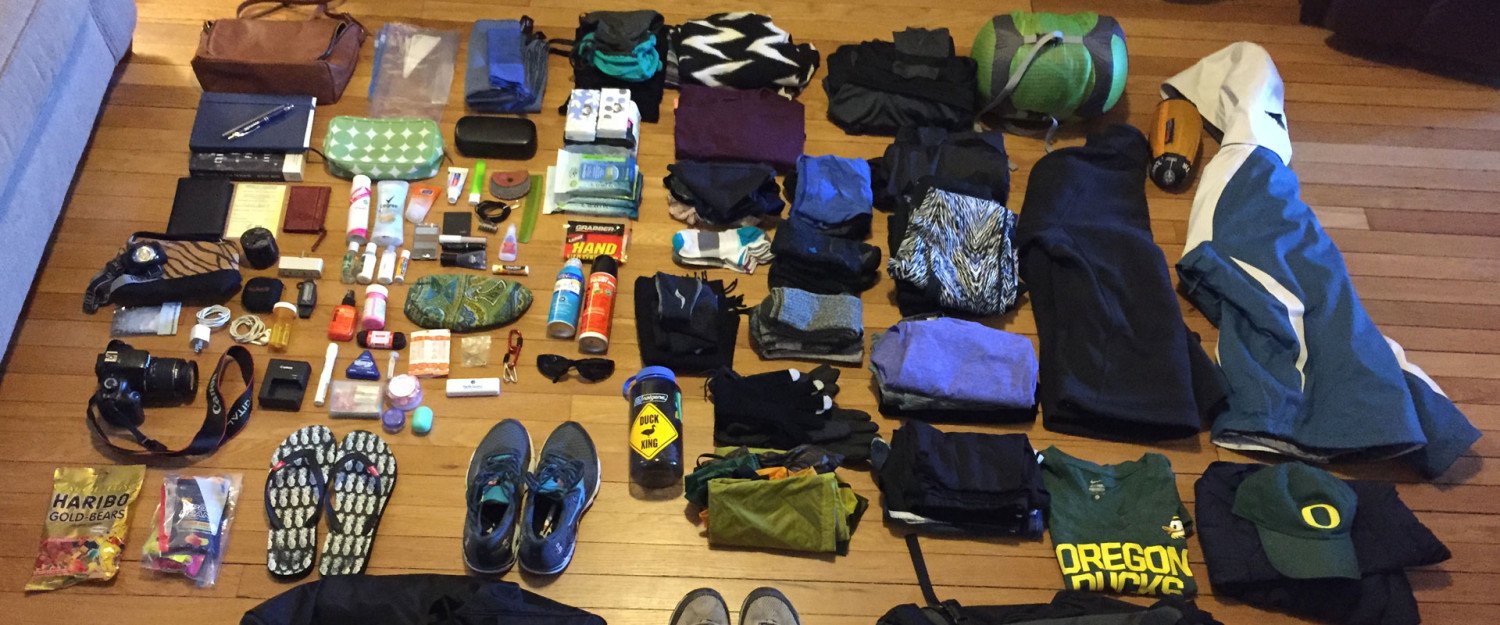
International travelers should also consider domestic flight baggage restrictions, camera protection, charging equipment, travel documents and trekking gear. The aim is not to pack as much as possible. It is to bring the right items while keeping your luggage easy to manage during a multi-destination safari.
Quick Packing Advice
Pack lightweight neutral clothing, long trousers, a warm layer, rain protection, comfortable closed shoes, sun protection, insect repellent, personal medicines, travel documents, a small daypack and camera equipment. If your safari includes gorilla or chimpanzee trekking, add sturdy walking shoes, long sleeves, long socks and light gloves.
Uganda Safari Packing List at a Glance
If you want a quick overview before reading the detailed guide, these are the main items most international travelers should consider packing.
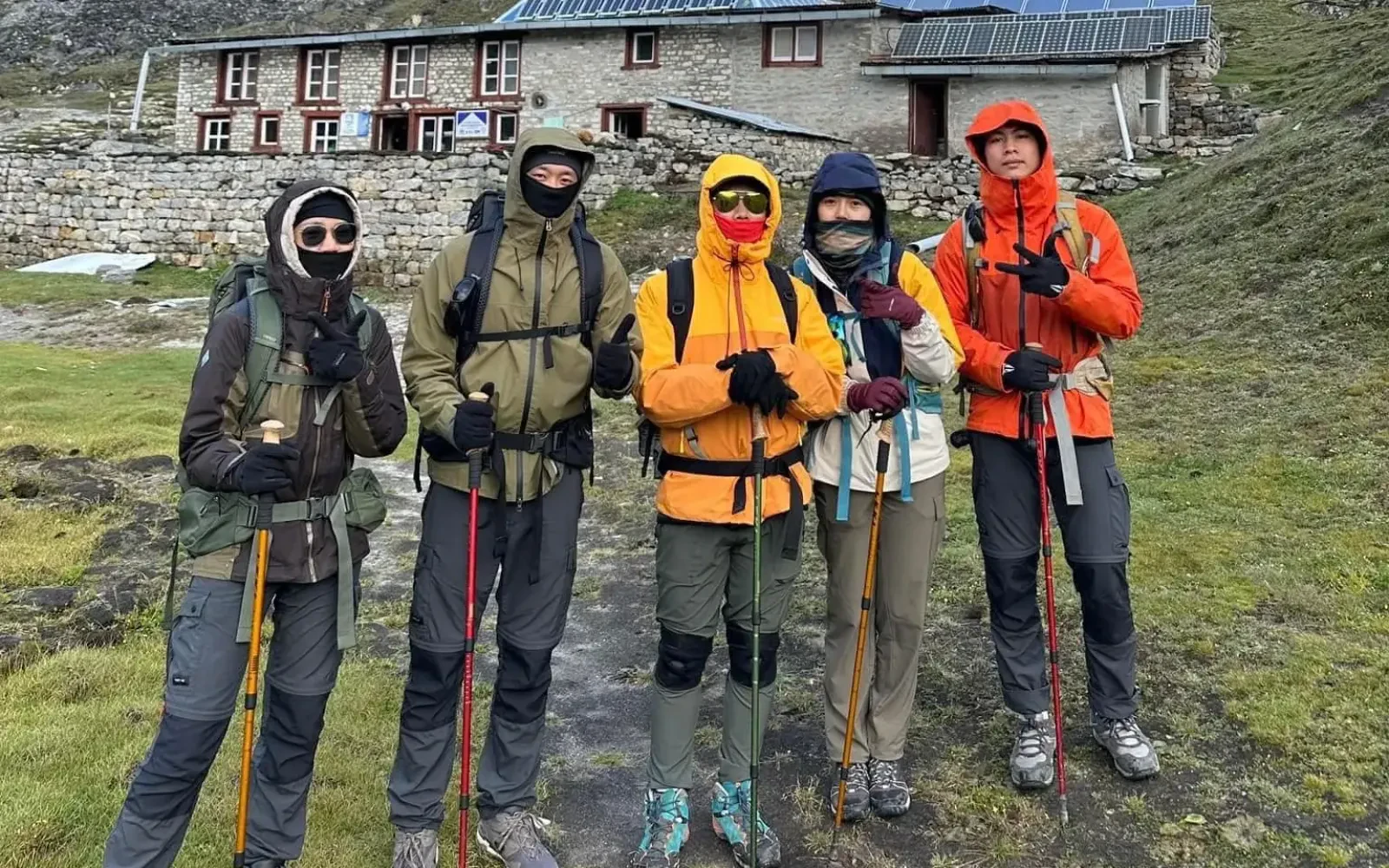
Clothing
✓ Lightweight safari shirts
✓ Long trousers
✓ Warm fleece or sweater
✓ Lightweight rain jacket
✓ Comfortable lodge clothes
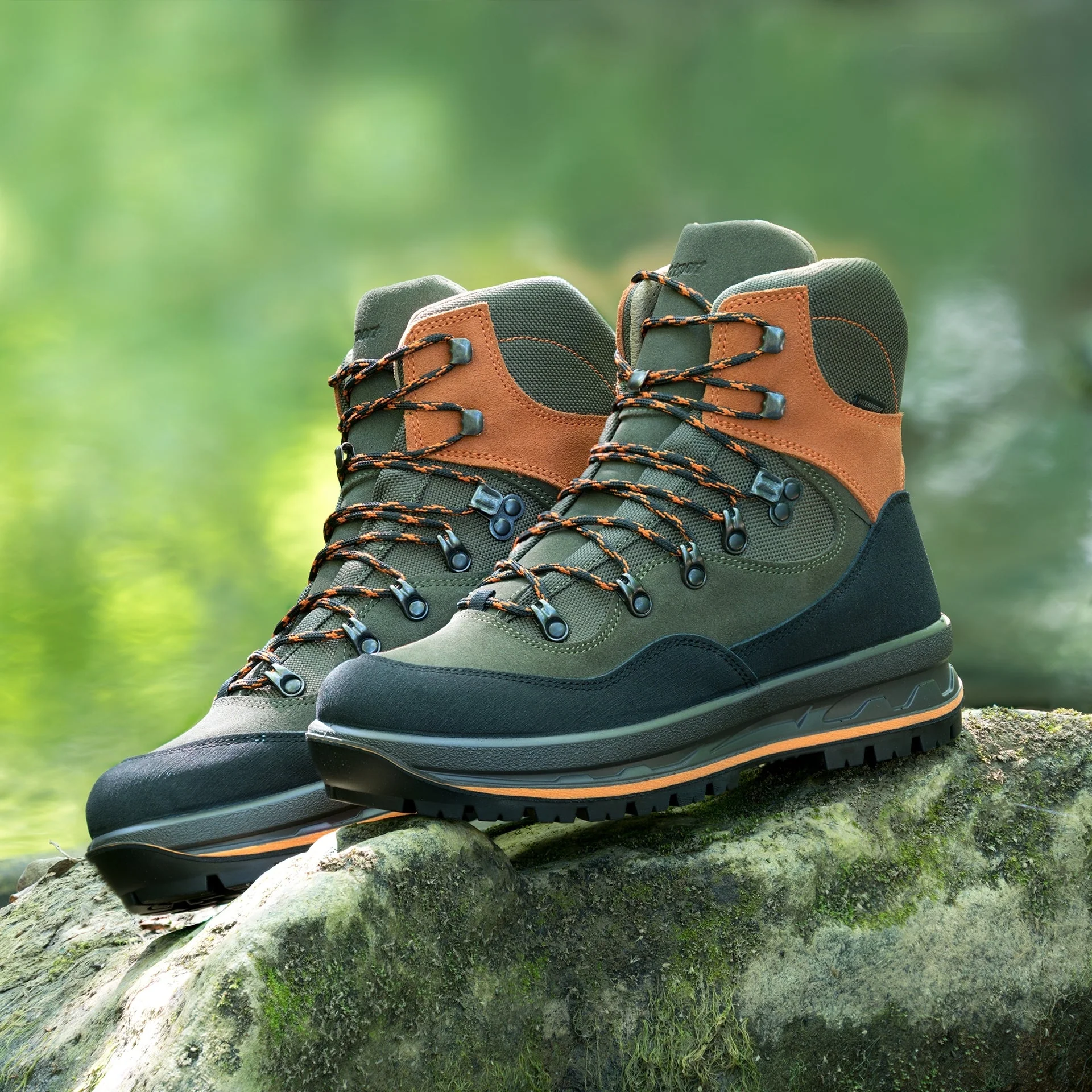
Footwear
✓ Comfortable walking shoes
✓ Trekking boots when required
✓ Long socks
✓ Light lodge shoes or sandals
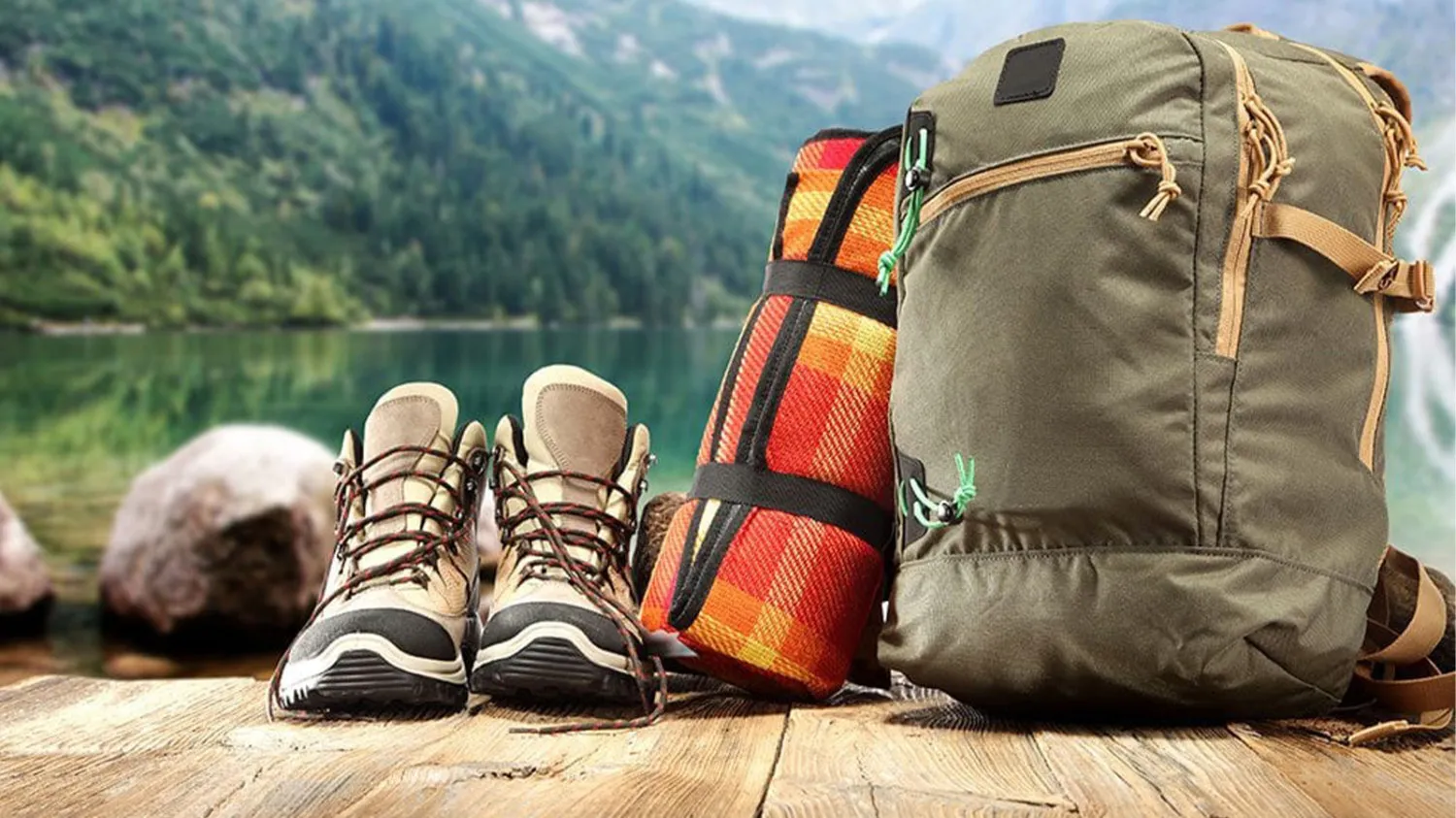
Safari Essentials
✓ Safari hat
✓ Sunglasses
✓ Sunscreen
✓ Insect repellent
✓ Small daypack
Documents & Electronics
✓ Passport
✓ Visa information
✓ Travel insurance
✓ Camera and charger
✓ Type G travel adapter
What Clothes Should You Pack for a Uganda Safari?
Uganda is located close to the Equator, but that does not mean every destination feels hot all day. Temperatures vary according to altitude, weather and time of day. Savannah destinations can be warm during the day, while highland areas around Bwindi, Mgahinga, Kisoro and Kabale may feel much cooler in the early morning and evening.
The best strategy is to dress in layers. You can remove a jacket or sweater when temperatures rise and put it back on during early game drives, cool evenings or time spent in Uganda’s mountainous southwest.
Lightweight Safari Shirts
Breathable shirts are ideal for warm daytime conditions. Long sleeves can also provide useful protection from sun, insects and vegetation.
Long Trousers
Lightweight trousers work well for game drives, forest activities and lodge travel. Quick-drying materials are particularly useful.
Warm Layer
A fleece, sweater or light jacket is useful during early morning game drives and cool evenings in Uganda’s higher-altitude regions.
Best Colors to Wear on Safari in Uganda
Neutral and earthy colors are practical for safari travel. Shades such as khaki, olive, beige, brown and grey fit naturally into outdoor environments and tend to show dust less easily than very bright or very dark clothing.
Practical Safari Colors
✓ Khaki
✓ Olive green
✓ Beige
✓ Brown
✓ Grey
Tavira Tip
Comfort Matters More Than Fashion
You do not need to purchase an entirely new safari wardrobe. Choose clothing you already feel comfortable wearing, provided it is practical for the activity and weather.
Best Footwear for a Uganda Safari
Your footwear should match your planned activities. Travelers spending most of their time on game drives need something comfortable, while gorilla and chimpanzee trekkers should prioritize grip, support and protection.
Game Drives
Comfortable Closed Shoes
Trainers or comfortable walking shoes are normally suitable for game drives, lodge stays and light sightseeing.
Forest Trekking
Sturdy Walking or Hiking Shoes
Gorilla and chimpanzee trekking can involve muddy, uneven and steep forest terrain. Shoes with strong grip and comfortable support are recommended.
Do not arrive in Uganda with completely new trekking boots that you have never worn. Test and break them in before traveling.
Bwindi & Mgahinga
What to Pack for Gorilla Trekking in Uganda
Gorilla trekking requires more protection than an ordinary wildlife drive. Trails can pass through thick vegetation, muddy ground and steep forest slopes. Your clothing should protect your skin while still allowing comfortable movement.
Long Trousers
Protect your legs from vegetation, mud and insects.
Long-Sleeved Shirt
Provides useful protection when walking through dense vegetation.
Walking Shoes
Good grip is important on wet, muddy or steep forest trails.
Light Gloves
Gardening-style gloves can protect your hands when using vegetation for balance.
Rain Jacket
Forest weather can change quickly, making lightweight waterproof protection useful.
Small Daypack
Carry water, rain protection, personal essentials and camera equipment.
Explore
Uganda Gorilla Trekking Packages & Prices
when planning a gorilla-focused trip.
What to Pack for Chimpanzee Trekking
Chimpanzee trekking in forest destinations such as Kibale also involves walking through tropical vegetation. Long trousers, long sleeves, comfortable walking footwear and light rain protection are therefore useful.
Chimpanzees can move rapidly through the forest, so photographers should avoid carrying equipment that is too heavy to manage comfortably while walking.
What to Carry on a Uganda Game Drive
Game drives are generally less physically demanding than forest trekking, but carrying a few useful items can improve the experience considerably.
Binoculars
Excellent for birds and wildlife that remain away from safari roads.
Camera
Keep your camera easily accessible instead of packing it inside your main luggage.
Hat & Sunglasses
Useful during bright daytime drives and outdoor stops.
Light Warm Layer
Early morning game drives may feel cool before the day warms up.
Camera and Photography Equipment
Uganda offers excellent photography opportunities including mountain gorillas, chimpanzees, savannah wildlife, birds, crater lakes, forests and dramatic highland scenery. Travelers should think not only about the camera itself but also about batteries, storage and protection from dust and rain.
Photography Checklist
✓ Camera body
✓ Appropriate lens or lenses
✓ Spare batteries
✓ Battery charger
✓ Extra memory cards
✓ Lens cleaning cloth
✓ Protective camera bag
✓ Rain cover or waterproof protection
Personal Items to Pack for Uganda
Sun Protection
Pack sunscreen, sunglasses and a comfortable hat for long periods spent outdoors.
Insect Protection
Personal insect repellent is useful, particularly during evenings and in areas where insects are more active.
Personal Toiletries
Bring specialist products and personal brands that may be difficult to replace during the safari.
Medicines and Health Items
Travelers taking regular prescription medication should carry enough for the entire safari, together with a reasonable extra amount in case travel plans change. Essential medication is best kept in hand luggage rather than placing all of it inside checked baggage.
A small personal travel kit may also contain the basic products you normally use for minor discomfort, plasters and other everyday first-aid supplies.
Travel-health recommendations differ between travelers. Consult an appropriate healthcare professional or travel clinic before your trip for advice that applies to your personal circumstances.
Important Travel Documents
Passport
Check current passport validity requirements before departure.
Visa Information
Verify the latest entry requirements applying to your nationality and route.
Travel Insurance
Keep your policy number and emergency assistance details easy to access.
Safari Documents
Keep your final itinerary and important booking information available offline.
Power Adapters and Electronics
Uganda commonly uses the British-style Type G plug. Travelers whose chargers use another plug type should carry a suitable adapter and check their devices’ voltage compatibility before departure.
Many safari lodges provide charging facilities, although charging times and availability may differ in remote properties that rely partly on solar power or generators.
A power bank can be useful during long road transfers, but travelers should check their airline’s current rules concerning lithium batteries and power banks.
Packing for Domestic Safari Flights in Uganda
Travelers flying to airstrips such as Kihihi or Kisoro should pay particular attention to baggage restrictions. Smaller aircraft may operate with different luggage allowances from your international airline.
Limits can differ by airline, aircraft and route, so the allowance shown on your confirmed domestic booking should always take priority.
Pack Light
Compact luggage is easier to handle in safari vehicles and on smaller aircraft.
Before You Fly
✓ Check the confirmed airline allowance.
✓ Confirm bag dimensions if specified.
✓ Keep essential medicine in hand luggage.
✓ Follow airline rules for power banks.
✓ Avoid unnecessary heavy equipment.
Do You Need a Different Outfit for Every Safari Day?
No. Safari travel is much easier when clothing can be mixed, matched and worn more than once. Bringing fewer versatile items makes your luggage lighter and leaves more room for essential equipment.
Many safari lodges may provide some form of laundry service, although availability, turnaround time and the types of clothing accepted differ between properties. Check the arrangements for the lodges included in your itinerary.
What to Keep in Your Safari Daypack
✓ Drinking water
✓ Camera
✓ Spare camera battery
✓ Sunglasses
✓ Safari hat
✓ Sunscreen
✓ Insect repellent
✓ Rain jacket
✓ Personal medication
✓ Small amount of accessible cash
Example Packing List for a 7–10 Day Uganda Safari
The exact quantities depend on your travel style and access to laundry, but this provides a useful starting point.
Clothing
4–5 lightweight shirts
2–3 pairs of safari trousers
1 warm layer
1 rain jacket
Sleepwear
Underwear and socks
Comfortable lodge clothing
Footwear
Comfortable walking shoes
Trekking boots when needed
Sandals or lodge shoes
Long trekking socks
Normal everyday socks
Equipment
Camera
Binoculars
Type G travel adapter
Chargers
Small daypack
Reusable water bottle
Planning a Uganda Safari?
Tavira Africa Safaris can help you plan your safari route, accommodation, gorilla trekking, wildlife experiences, domestic flights and transfers so you know exactly what to pack for your itinerary.
Before you travel, confirm:
✓ Your safari itinerary
✓ Trekking activities
✓ Domestic flight baggage limits
✓ Lodge laundry arrangements
✓ Weather and travel conditions
Planning note:
Packing requirements, airline baggage rules and travel conditions may change. Always reconfirm current arrangements before departure.
Contents
- 1. Uganda Safari Packing List at a Glance
- 2. What Clothes Should You Pack for a Uganda Safari?
- 3. Best Colors to Wear on Safari in Uganda
- 4. Best Footwear for a Uganda Safari
- 5. What to Pack for Gorilla Trekking in Uganda
- 6. What to Pack for Chimpanzee Trekking
- 7. What to Carry on a Uganda Game Drive
- 8. Camera and Photography Equipment
- 9. Personal Items to Pack for Uganda
- 10. Medicines and Health Items
- 11. Important Travel Documents
- 12. Power Adapters and Electronics
- 13. Packing for Domestic Safari Flights in Uganda
- 14. Do You Need a Different Outfit for Every Safari Day?
- 15. What to Keep in Your Safari Daypack
- 16. Example Packing List for a 7–10 Day Uganda Safari
- 17. Planning a Uganda Safari?