
Gorilla Trekking from USA: Complete Uganda & Rwanda Safari Guide 2026/2027
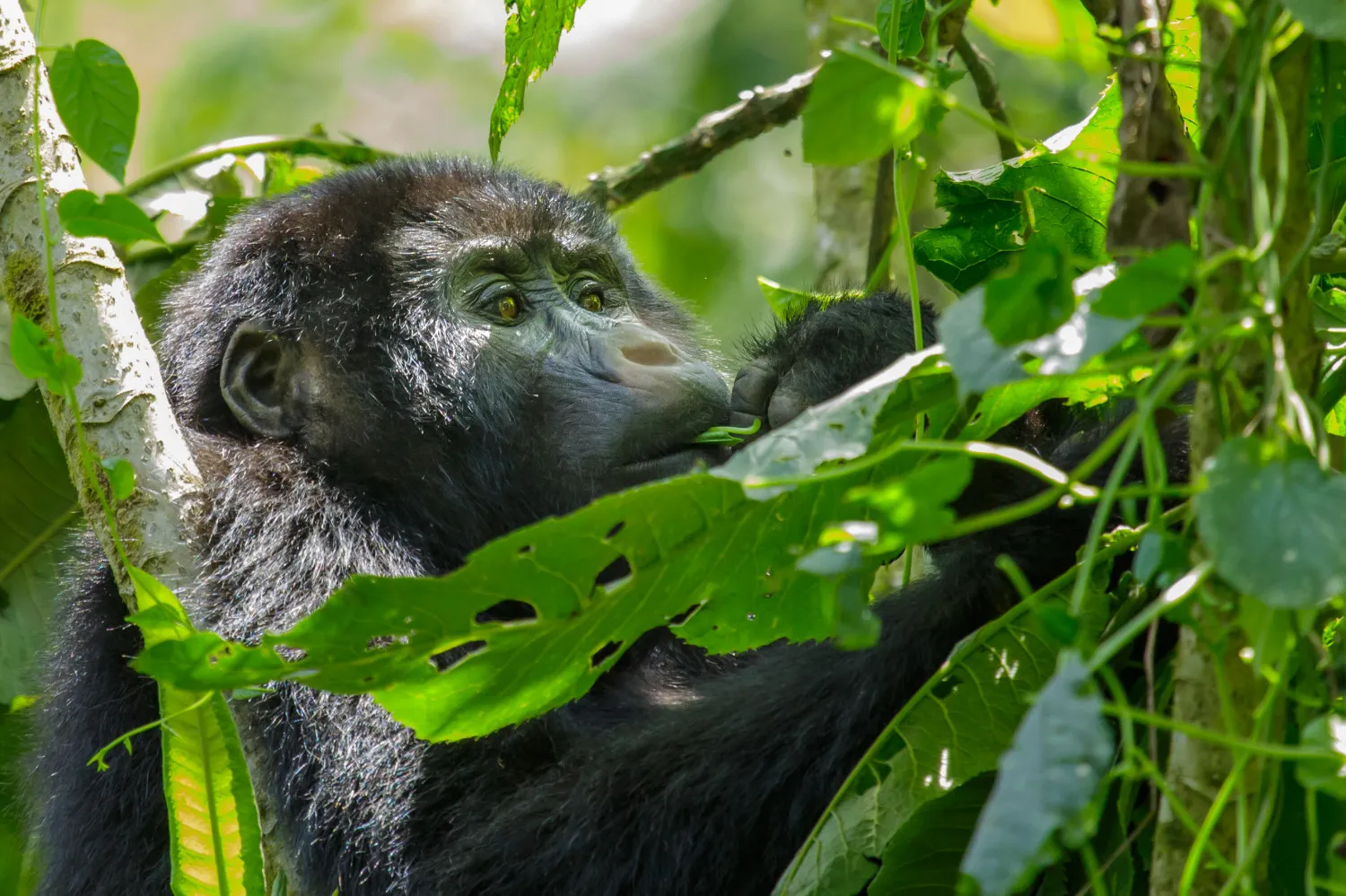
Gorilla trekking from USA is one of the most extraordinary African wildlife journeys for American travelers who want to experience mountain gorillas in their natural habitat. Instead of observing gorillas behind barriers in a wildlife facility, a gorilla trekking safari takes you deep into the tropical forests of Uganda or Rwanda, where experienced trackers and park rangers guide you through the forest in search of a habituated mountain gorilla family.
The moment you finally encounter a silverback resting among the vegetation, young gorillas playing around their family, or a mother carefully carrying her infant can become one of the most memorable wildlife experiences of an African vacation. For travelers coming from the United States, however, planning the journey involves considerably more than purchasing an airline ticket.
You need to decide whether to trek in Uganda or Rwanda, secure a gorilla permit, choose suitable international flights, understand entry requirements, select accommodation, arrange reliable ground transportation and determine whether you want your gorilla trekking experience to form part of a longer East African safari.
A well-planned gorilla trekking safari from USA can be organized as a short gorilla-focused vacation or incorporated into a longer Uganda and Rwanda safari featuring wildlife viewing, chimpanzee trekking, cultural experiences and spectacular African landscapes. Uganda offers mountain gorilla trekking in Bwindi Impenetrable National Park and Mgahinga Gorilla National Park, while Rwanda offers trekking in Volcanoes National Park.
These destinations provide different advantages in terms of permit costs, accessibility, accommodation choices, trekking areas and opportunities to combine gorillas with other safari experiences. Understanding these differences before booking is particularly important for American travelers because the international journey is significant, making it worthwhile to design an itinerary that uses your vacation time effectively and delivers the experience you traveled to Africa to enjoy.
Why Travel from the USA for Gorilla Trekking?
Traveling from the USA for gorilla trekking is very different from taking a conventional wildlife vacation. Mountain gorillas survive naturally in a remarkably small area of East and Central Africa, which means travelers cannot simply choose from dozens of destinations around the world if they want an authentic mountain gorilla encounter.
Uganda and Rwanda are therefore among the most important destinations for Americans dreaming of seeing mountain gorillas in the wild. The experience combines adventure, conservation and wildlife observation in a way that is difficult to reproduce elsewhere. The trek itself becomes part of the story as you walk through mountain forests, cross uneven terrain, listen to forest birds and follow the guidance of trackers who understand the movements of individual gorilla families.
For many American travelers, the appeal also comes from the intimacy of the experience. A traditional African game drive may involve observing elephants, lions, giraffes, buffaloes and antelopes from a safari vehicle, whereas gorilla trekking requires entering the forest on foot. The environment becomes much more immersive. You hear the vegetation moving, notice tracks and signs along the trail and gradually become aware that the gorillas could be relatively close. When trackers locate the assigned gorilla family, visitors follow strict viewing regulations designed to protect both the gorillas and the people observing them. The encounter is controlled rather than staged, and the gorillas remain wild animals living within their natural forest environment.
This exclusivity is another reason gorilla trekking from the United States requires early preparation. Gorilla trekking is regulated through a permit system, and only a controlled number of visitors can participate with the available habituated gorilla families on a particular day. Travelers planning around popular vacation periods or specific travel dates should therefore avoid treating the gorilla permit as something to organize after arriving in Africa. Your permit should form one of the foundations of the itinerary, with international travel, accommodation and ground arrangements coordinated around confirmed trekking dates.
Where Can Americans Go Gorilla Trekking in Africa?
American travelers planning a mountain gorilla safari generally consider Uganda and Rwanda, with each country offering a distinctive version of the experience. Uganda is particularly attractive for travelers who want their gorilla trek to form part of a broader wildlife adventure. Bwindi Impenetrable National Park in southwestern Uganda is one of Africa’s most celebrated primate destinations and contains several gorilla trekking sectors. Its mountainous rainforest, exceptional biodiversity and range of accommodation options allow travelers to build anything from a focused gorilla trip to an extended Uganda safari. Mgahinga Gorilla National Park, located within the Virunga landscape, provides another Ugandan option and can be especially appealing to travelers interested in combining mountain gorillas with golden monkeys and volcanic scenery.
Rwanda provides another outstanding choice through Volcanoes National Park in the northwestern part of the country. The park’s dramatic Virunga volcanoes create one of the most recognizable gorilla trekking landscapes in Africa. One of Rwanda’s major advantages for international travelers is the relative convenience of reaching the gorilla region from Kigali. This can make Rwanda particularly attractive to Americans with limited vacation time or travelers who want a shorter itinerary centered primarily on gorilla trekking. Rwanda also has a strong selection of high-end accommodation around Volcanoes National Park, making it an important destination for luxury gorilla safaris from USA.
Choosing between Uganda and Rwanda should therefore depend on more than which destination appears first during an online search. Travelers should consider their total safari budget, available vacation days, preferred accommodation level, desired additional wildlife experiences and whether they want a dedicated gorilla trip or a comprehensive East African safari. Some travelers choose Uganda because they want to combine gorilla trekking with chimpanzees and traditional game viewing, while others select Rwanda because of its accessibility and luxury safari options. Another excellent possibility is combining both countries, allowing travelers to experience different landscapes and potentially include additional primate and wildlife activities within one itinerary.
What Is a Gorilla Trekking Safari from USA Really Like?
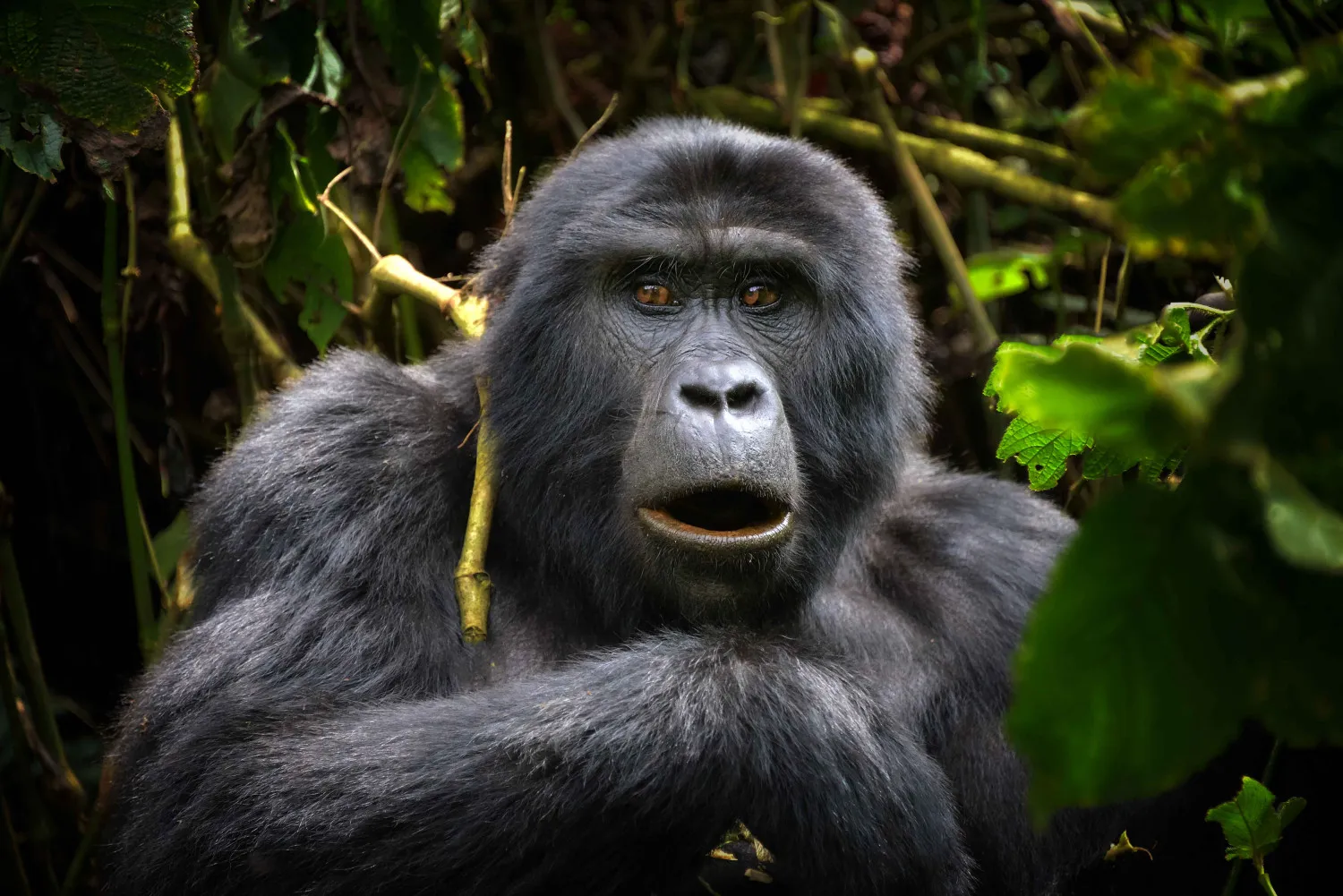
The journey normally begins long before entering the forest. After leaving the United States, travelers take an international flight to East Africa, arriving through Entebbe International Airport for Uganda or Kigali International Airport for Rwanda. Depending on the itinerary, travelers may spend their first night near the airport or begin traveling toward the safari destination after sufficient rest. A properly designed itinerary should account for the long international journey rather than immediately creating an exhausting schedule. This is particularly important when gorilla trekking is the primary purpose of the trip, because visitors should arrive at the trekking destination rested and prepared for walking through mountainous forest terrain.
On the trekking day, visitors report to the designated park meeting point for registration and a briefing from park authorities. Travelers are then organized for the day’s trek and introduced to the ranger team. The length and physical difficulty of the trek varies because mountain gorillas move freely within their habitat. One trek may locate gorillas relatively quickly, while another can involve several hours of walking across steep or muddy terrain. This unpredictability is part of what makes the experience authentic. Porters can provide valuable assistance by carrying daypacks and helping trekkers through challenging sections of the trail, and their services also contribute directly to livelihoods in communities surrounding the gorilla parks.
Once the gorillas are located, the atmosphere changes completely. The walking and anticipation give way to careful observation as the ranger team directs visitors on how to behave around the gorilla family. A powerful silverback may be only a short distance away, while juveniles climb through vegetation and adults feed quietly around the group.
Photography is possible under the applicable park regulations, but many visitors discover that some of the most memorable moments happen when they briefly lower the camera and simply observe the behavior and interactions of the gorillas around them. It is this combination of effort, anticipation, proximity and natural behavior that makes gorilla trekking such a powerful experience for travelers who have crossed the Atlantic to reach East Africa.
Ready to Plan Your Gorilla Safari from USA?
Tell us your preferred travel dates, number of travelers and whether you are considering Uganda, Rwanda or both. We can help you create a personalized gorilla trekking itinerary covering your gorilla permits, safari accommodation, private ground transportation, airport transfers and additional wildlife experiences.
How Many Days Should You Plan for Gorilla Trekking from USA?
The ideal duration depends heavily on what you want to experience after making the long journey from the United States. Although it is possible to create a relatively short itinerary centered on a single gorilla trek, many American travelers benefit from allowing additional days to recover from international travel and experience more of Uganda or Rwanda. A short itinerary can work for travelers combining gorilla trekking with another African destination, while a week or longer creates opportunities for additional primate encounters, wildlife safaris, boat experiences, cultural visits and scenic journeys through the countryside.
Uganda is especially well suited to longer itineraries because gorilla trekking can be combined with several major safari areas. A traveler could incorporate chimpanzee trekking in Kibale National Park, wildlife viewing in Queen Elizabeth National Park, a boat safari along the Kazinga Channel or additional game viewing elsewhere in the country. Travelers with more time can develop an extensive safari covering multiple ecosystems rather than flying across the Atlantic for only one activity. Rwanda can similarly be combined with golden monkey trekking, cultural experiences, Akagera National Park and other attractions, while a Uganda-Rwanda itinerary provides even greater flexibility.
American travelers should also account for international travel days when calculating the total vacation length. Looking only at the number of nights spent on safari can create a misleading impression of how much time the overall trip requires. Flight connections, arrival times, recovery from long-distance travel and transfers between destinations all need to be considered. Building some flexibility into the schedule generally creates a more comfortable journey and reduces the pressure to move immediately from one major activity to another.
Planning Gorilla Trekking from America for 2026/2027
Travelers considering gorilla trekking from America in 2026 or 2027 should begin by establishing their approximate travel period, preferred destination and safari budget. Gorilla permits are among the most important arrangements because they determine the confirmed date of the trek. Once trekking availability is established, the remainder of the safari can be designed around it. This approach is considerably safer than booking non-refundable international arrangements first and only later discovering that preferred gorilla trekking dates are unavailable.
The next consideration is the style of safari. Budget, mid-range and luxury gorilla trekking safaris can provide very different accommodation experiences while ultimately leading to the same extraordinary forests. Travelers should therefore decide where they want to spend more of their budget. Some visitors prioritize exceptional lodges and private luxury services, while others prefer comfortable mid-range accommodation and allocate additional funds to extending the safari or including more activities. Families, couples, honeymooners, solo travelers, photographers and older travelers may also require different itinerary designs, which is why a personalized gorilla safari is often more practical than choosing an itinerary purely because it is the cheapest available package.
Planning should also consider the season, physical preparation, appropriate trekking clothing, travel documentation, insurance, health requirements, baggage restrictions on any domestic flights and the type of photography equipment you intend to carry. These details may seem secondary when you first begin dreaming about seeing mountain gorillas, but together they determine how smoothly the safari operates. Throughout this guide, we will examine each part of planning gorilla trekking from USA in detail, including flights, gorilla permit costs, Uganda versus Rwanda, the best time to travel, accommodation, safari costs, packing, suggested itineraries, safety considerations and how to book the complete trip from the United States.
Start Planning Your Gorilla Trekking Safari
Have your travel dates in mind already? Send us your safari requirements and begin planning your personalized gorilla trekking journey from the USA to Uganda or Rwanda.
Best Gorilla Trekking Destinations for Travelers from USA
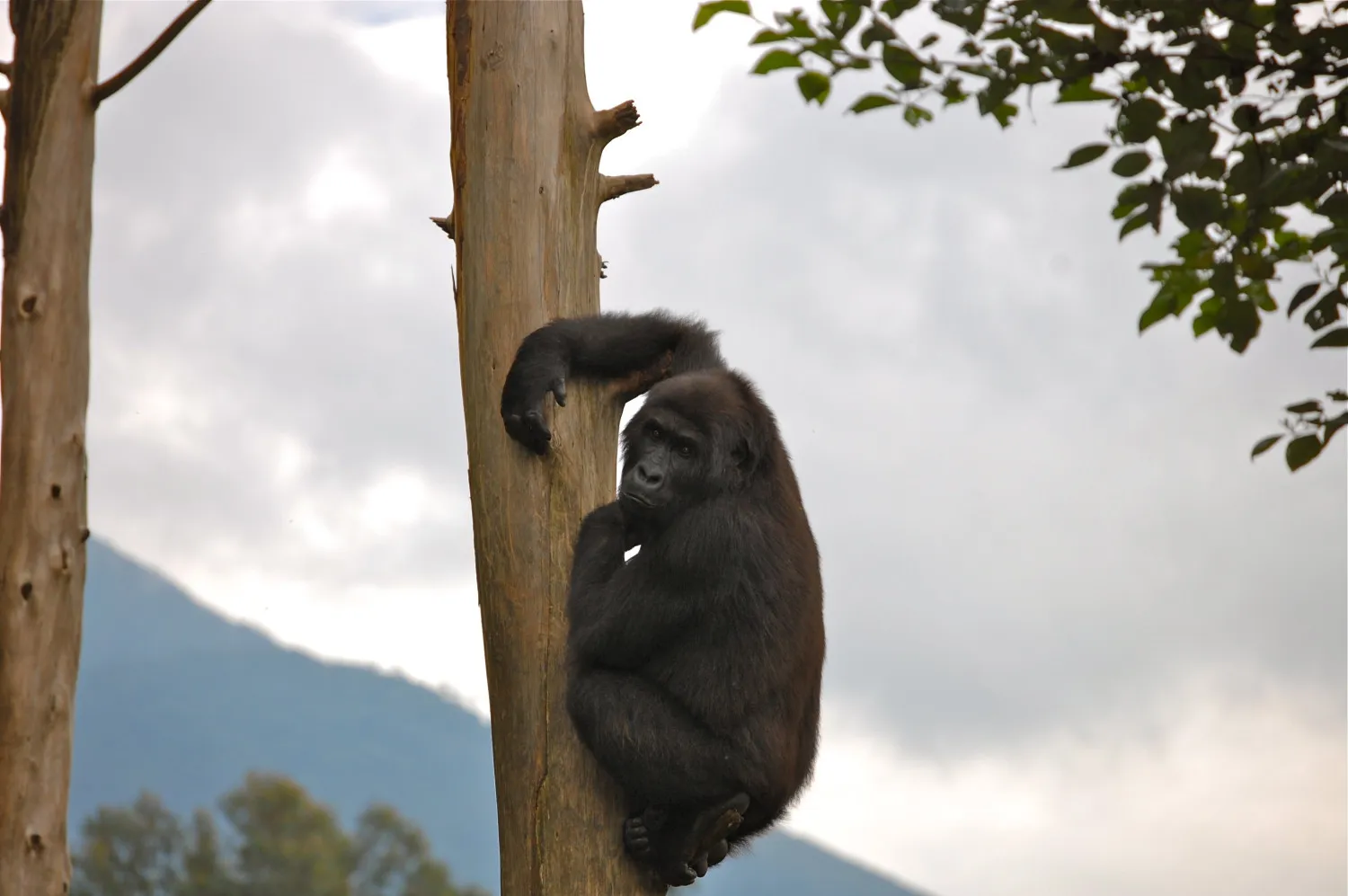
Choosing the best destination for gorilla trekking from USA is one of the most important decisions when planning an African gorilla safari because the location you select affects your permit cost, international arrival airport, transfer distances, accommodation choices, additional safari activities and overall travel budget. For American travelers, the two principal countries to consider are Uganda and Rwanda, both of which protect mountain gorillas within spectacular high-altitude forests.
Uganda offers gorilla trekking in Bwindi Impenetrable National Park and Mgahinga Gorilla National Park, while Rwanda offers the experience in Volcanoes National Park.
Although all three destinations provide an opportunity to encounter mountain gorillas in the wild, the overall safari experience can be remarkably different. Uganda is particularly attractive for travelers interested in combining gorilla trekking with a longer wildlife and primate safari, while Rwanda is often favored by visitors looking for convenient access from Kigali and a strong selection of luxury accommodation. Understanding what distinguishes these destinations makes it easier to choose a gorilla trekking safari that matches your available time, budget and expectations before traveling from the United States.
For many Americans, the decision should not simply be based on which gorilla trekking country is described as the best. There is no single destination that suits every traveler. Someone flying from New York for a short luxury gorilla vacation may prioritize accessibility and choose Rwanda, while a couple traveling from California for a two-week African safari may prefer Uganda because gorilla trekking can be combined naturally with chimpanzee trekking and traditional wildlife safaris.
A photographer may be interested in spending more than one day trekking gorillas, while another visitor may want to combine Uganda and Rwanda within the same itinerary. The best gorilla trekking destination from USA is therefore the destination that fits the wider purpose of your journey.
Bwindi Impenetrable National Park: Uganda’s Premier Gorilla Trekking Destination
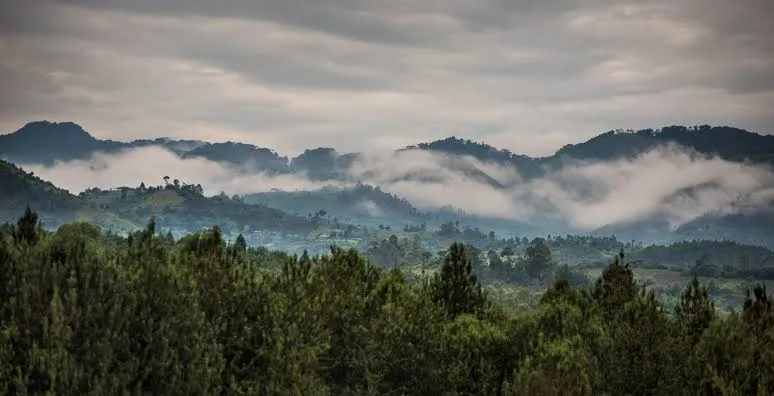
Bwindi Impenetrable National Park is one of the most important destinations for travelers researching Uganda gorilla trekking from USA. Located in southwestern Uganda, the park protects an extraordinary mountainous rainforest characterized by steep ridges, thick vegetation, valleys and exceptional biological diversity. The forest’s appearance immediately explains why a gorilla trek here feels like a genuine expedition. Rather than walking through a controlled wildlife attraction, visitors enter an extensive natural forest where mountain gorillas move freely and trackers use their knowledge of the animals’ recent movements to locate the assigned family. This combination of challenging terrain, dense vegetation and remarkable wildlife makes Bwindi one of Africa’s most memorable destinations for an adventure-focused safari.
Bwindi is divided into different gorilla trekking sectors, including Buhoma, Ruhija, Rushaga and Nkuringo. This is an important detail for American travelers because a gorilla permit is connected to a particular trekking area and your accommodation should normally be planned with that location in mind. Booking a beautiful lodge without considering the trekking sector can create unnecessary transfer complications on the morning of the trek. A professionally organized Uganda gorilla safari should therefore coordinate permit availability, accommodation and transportation together rather than treating them as unrelated reservations.
Buhoma is one of Bwindi’s best-known trekking areas and has a long history of gorilla tourism. The sector offers a broad selection of accommodation and can work particularly well within itineraries connecting Bwindi with other western Uganda safari destinations. The forested hills surrounding the area create the classic Bwindi atmosphere many travelers imagine when planning their first mountain gorilla trek. For visitors who want a combination of established tourism infrastructure, forest scenery and access to other experiences around the park, Buhoma can be an excellent choice.
Ruhija lies within another spectacular part of Bwindi and is especially appealing to travelers who appreciate quiet mountain environments, birdlife and dramatic forest views. The higher elevation can create cool conditions, particularly in the mornings and evenings, which makes appropriate clothing important. A safari using Ruhija can also be incorporated into a broader southwestern Uganda itinerary. Rather than choosing a trekking sector purely because of its name recognition, travelers should consider the complete route of their safari and the location of their accommodation.
Rushaga and Nkuringo in southern Bwindi are also extremely important gorilla trekking areas. They are particularly useful for itineraries connecting Uganda with Rwanda because the southern side of Bwindi can be reached through the border region from Kigali. This has created an attractive option for international travelers who want to arrive in Rwanda but trek gorillas in Uganda. Depending on current border procedures, road conditions and itinerary arrangements, entering Uganda through Rwanda can provide an alternative to beginning the safari in Entebbe. The exact route should always be planned using current immigration and travel requirements rather than relying on outdated online itineraries.
Why Bwindi Is Popular for Gorilla Trekking Safaris from USA
Route from USA to Bwindi Impenetrable National Park
Travelers planning gorilla trekking from USA normally fly to East Africa before continuing by road or domestic flight toward Bwindi Impenetrable National Park in southwestern Uganda. The map below provides a geographical view of the journey from the United States to Uganda’s premier mountain gorilla trekking destination.
Map showing the journey from the United States toward Bwindi Impenetrable National Park in southwestern Uganda for a gorilla trekking safari.
Bwindi’s appeal extends far beyond the gorilla encounter itself. American travelers who have spent many hours flying to East Africa often want the journey to provide more than a single major wildlife experience. Uganda makes it possible to build gorilla trekking into a broader safari without sacrificing the sense of adventure that brought the traveler to Africa in the first place. A Bwindi gorilla safari can be combined with wildlife viewing in Queen Elizabeth National Park, chimpanzee trekking in Kibale National Park, scenic relaxation around Lake Bunyonyi and other experiences across western Uganda. Longer itineraries can extend farther north or incorporate Rwanda, depending on the traveler’s available vacation time.
This flexibility makes Bwindi especially attractive for Americans planning ten-day, twelve-day or two-week African vacations. Instead of treating the international journey as a trip for one activity, travelers can experience several distinct ecosystems. One part of the safari may involve tracking mountain gorillas through rainforest, another may involve searching for lions and elephants across open savannah, while another could involve observing chimpanzees in a completely different forest environment. For first-time visitors to East Africa, this variety can make the overall journey considerably more rewarding.
Bwindi also accommodates different travel styles. Luxury travelers can choose intimate forest lodges and premium services, while mid-range visitors have access to comfortable safari lodges and camps positioned around the various trekking sectors. More economical options are available for travelers who want to prioritize the gorilla experience itself rather than high-end accommodation. The key is not simply choosing the cheapest or most expensive property but selecting accommodation appropriate for the trekking sector, itinerary route and expected level of comfort.
Mgahinga Gorilla National Park: A Smaller and Scenic Uganda Gorilla Experience
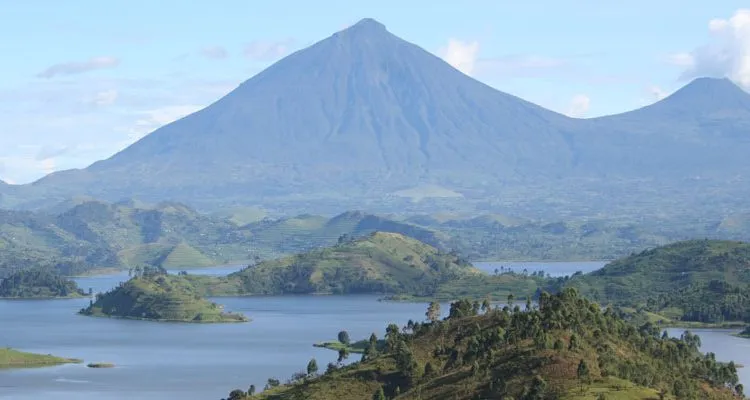
Mgahinga Gorilla National Park provides another compelling answer to travelers asking where to go gorilla trekking in Uganda from USA. Located in southwestern Uganda along the Virunga landscape, Mgahinga is considerably smaller than Bwindi but offers an entirely different visual setting. The park lies beneath the dramatic Virunga volcanoes, creating a landscape of forested mountain slopes and impressive volcanic scenery. Travelers who associate gorilla trekking with mist-covered volcanoes and high-altitude forest may find Mgahinga particularly appealing.
The smaller scale of Mgahinga should not be interpreted as making the experience less important. Gorilla trekking remains carefully managed, and visitors enter the forest accompanied by experienced park personnel. The physical conditions vary depending on the gorillas’ movements and the route required to locate them. As with Bwindi, travelers should arrive with suitable hiking footwear, long trekking trousers, weather protection and a willingness to walk across natural mountain terrain. Porters can provide valuable assistance and are particularly useful for visitors carrying camera equipment or anyone who wants additional support on difficult sections of the trail.
One of Mgahinga’s strongest advantages is the opportunity to combine mountain gorilla trekking with golden monkey trekking. Golden monkeys are another distinctive primate associated with the Virunga region, and adding this experience can make the journey especially appealing to travelers interested in primates and photography. Rather than rushing into the park for a single trek and immediately leaving, an itinerary can allow enough time to appreciate the surrounding volcanic landscape and participate in additional activities.
Mgahinga can also fit naturally into itineraries involving Lake Bunyonyi, southern Bwindi or Rwanda. This geographic position gives safari planners considerable flexibility when designing a Uganda and Rwanda gorilla trekking safari from USA. For travelers who want something less commonly discussed than Bwindi while still experiencing Uganda’s mountain gorillas, Mgahinga deserves serious consideration.
Volcanoes National Park: Rwanda Gorilla Trekking from USA
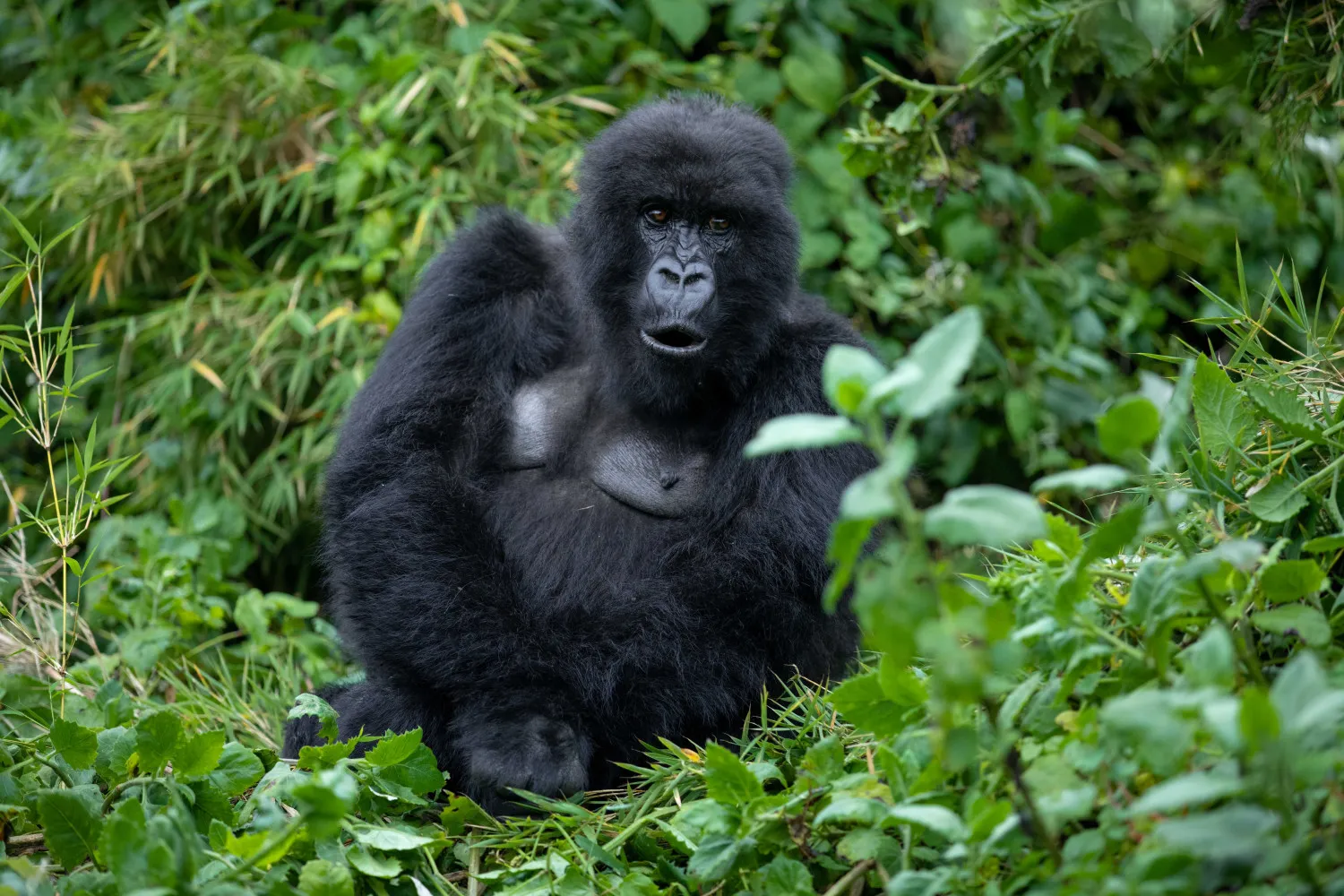
Volcanoes National Park is Rwanda’s premier mountain gorilla trekking destination and one of the most internationally recognized places for gorilla safaris in Africa. Situated in northwestern Rwanda, the park forms part of the wider Virunga conservation landscape and is dominated by spectacular volcanic scenery. Travelers arriving from the United States normally enter Rwanda through Kigali International Airport before continuing toward the Volcanoes National Park region. The relatively convenient road connection between Kigali and the gorilla trekking area is one of the major reasons Rwanda appeals to visitors with limited time.
A Rwanda gorilla trekking safari from USA can therefore be designed differently from a longer Uganda circuit. Travelers who primarily want to see mountain gorillas can create a compact itinerary centered around Kigali and Volcanoes National Park without requiring many days of road travel between safari areas. This can be particularly useful for business travelers adding a gorilla experience to another trip, couples combining Rwanda with another African country, or Americans who have limited annual vacation time but still want to experience mountain gorillas.
Volcanoes National Park is also strongly associated with premium and luxury gorilla travel. The region contains several exceptional lodges designed for travelers seeking high levels of comfort, personalized service and distinctive settings overlooking the Virunga landscape. Luxury accommodation can substantially increase the total safari cost, but it also allows the gorilla trek to become part of a broader high-end travel experience rather than an isolated activity. Honeymooners, anniversary travelers and visitors celebrating major life events frequently consider Rwanda for this reason.
The trekking experience itself remains rooted in the natural environment. Mountain gorillas move through the forest and bamboo zones, meaning the distance required to locate them changes from day to day. Visitors attend a pre-trek briefing and are assigned to a gorilla trekking group before entering the park with trained guides and trackers. The surrounding volcanoes provide a spectacular backdrop, and the region offers additional activities that can be incorporated into a longer stay.
Why Rwanda Appeals to American Gorilla Safari Travelers
Accessibility is one of Rwanda’s strongest advantages for Americans planning gorilla trekking. After a long international journey, some travelers prefer to minimize the amount of overland travel required before reaching the gorilla destination. Rwanda makes this relatively straightforward because Volcanoes National Park can be reached from Kigali by road without requiring the long cross-country safari route associated with traveling from Entebbe to southwestern Uganda. This does not automatically make Rwanda the better choice, but it can make it the more convenient choice for a particular itinerary.
Rwanda is also suitable for travelers who want their gorilla trekking experience combined with other attractions within the country. Depending on available time, a safari can include wildlife viewing in Akagera National Park, primate and forest experiences around Nyungwe, cultural activities and time in Kigali. Travelers with additional days can also combine Rwanda with Uganda, creating a multi-country safari that brings together different gorilla regions and wildlife destinations.
The principal consideration is budget. Rwanda’s gorilla trekking experience generally sits at a higher permit price point than Uganda, and many of the region’s best-known properties cater to the luxury market. American travelers should therefore compare the complete trip price rather than looking only at airfare or accommodation. Permit costs, transfers, lodging, meals, additional activities and the number of safari days all contribute to the final cost. We will examine these expenses in detail later in this guide.
Uganda or Rwanda? Let Us Help You Choose
Not sure which destination is right for your gorilla safari? Tell us your travel dates, approximate trip duration, number of travelers and preferred travel style. We can help you compare Uganda and Rwanda and design a gorilla trekking itinerary around your budget and interests.
Should You Choose Uganda or Rwanda for Your First Gorilla Trek?
For a first gorilla trekking safari from USA, both Uganda and Rwanda can provide an exceptional experience, but they appeal to different priorities. Uganda is particularly strong for travelers who want value, variety and a longer traditional safari. A visitor can trek mountain gorillas and then continue through some of Uganda’s major wildlife and primate destinations, creating a journey that feels like a comprehensive African safari. The availability of multiple gorilla trekking sectors also provides significant itinerary possibilities, although it makes careful planning of permits and accommodation particularly important.
Rwanda is extremely attractive when convenience and a shorter travel schedule are major priorities. Travelers can arrive through Kigali, explore the city if desired and continue toward Volcanoes National Park without committing to an extensive cross-country drive. This makes Rwanda particularly suitable for shorter luxury trips and travelers combining gorilla trekking with another African destination. The higher overall cost of the gorilla component should, however, be considered when establishing the safari budget.
Travelers should also consider whether the gorilla trek will be the main purpose of the vacation or one component of a wider wildlife journey. If the objective is primarily to fly from America, trek mountain gorillas and continue to another country, Rwanda can be extremely practical. If the objective is to spend ten days or more discovering wildlife, primates, landscapes and communities in one destination, Uganda can provide remarkable itinerary depth. Neither approach is inherently superior; they serve different types of travelers.
Can You Combine Uganda and Rwanda Gorilla Trekking in One Safari?
Yes. Combining Uganda and Rwanda can be one of the most rewarding ways to plan gorilla trekking from USA, particularly for travelers who have enough vacation time to experience both countries without rushing. The geographical proximity of southwestern Uganda and northern Rwanda makes cross-border safari itineraries possible, although the exact routing must be planned around current immigration requirements, border procedures, permit availability and the traveler’s entry documentation.
A combined safari does not necessarily mean trekking gorillas twice. An American traveler could arrive in Kigali, explore Rwanda and then cross into Uganda for gorilla trekking in Bwindi or Mgahinga before continuing to Queen Elizabeth National Park and other Ugandan destinations. Alternatively, travelers with a strong interest in gorillas can arrange separate trekking experiences in Uganda and Rwanda, allowing them to experience different habitats and gorilla families. This type of itinerary is particularly attractive to wildlife photographers, primate enthusiasts and travelers for whom seeing mountain gorillas is the central purpose of the African journey.
Combining the countries can also create more efficient international flight arrangements in certain itineraries. Rather than automatically returning to the same airport used on arrival, a safari can sometimes be structured around different arrival and departure points. Whether this makes financial and logistical sense depends on flight availability and the final safari route. These details should be established before purchasing international flights so that the ground itinerary and air travel complement rather than conflict with one another.
Which Gorilla Trekking Destination Is Best for Your USA Departure?
Your American departure city does not determine where you should trek gorillas, but it can influence the overall travel plan. Travelers leaving from major international gateways such as New York, Washington DC, Chicago, Atlanta, Dallas, Los Angeles, San Francisco, Boston or Seattle will usually connect through an international hub before reaching Uganda or Rwanda. The most important comparison is therefore not simply the distance between the United States and the gorilla park but the complete journey from your home airport to the starting point of your safari.
If your preferred flight itinerary brings you conveniently into Kigali, Rwanda can provide direct access to Volcanoes National Park or serve as a gateway to southwestern Uganda. If you arrive through Entebbe, you can travel through Uganda by road as part of a longer safari or use domestic air connections to reduce driving time where appropriate. The best solution depends on airfare, connections, baggage arrangements, safari duration and the destinations you want to visit after gorilla trekking.
For this reason, American travelers should ideally establish a provisional safari route before finalizing international flights. Booking the cheapest available airfare without considering the safari geography can sometimes add unnecessary transfers, additional hotel nights or long road journeys. Coordinating your gorilla permit, safari itinerary and international flights creates a much smoother experience and makes better use of your vacation time.
Choosing the Right Gorilla Destination for Your 2026/2027 Safari
When planning gorilla trekking from USA for 2026/2027, the best destination should ultimately reflect your priorities rather than somebody else’s ranking of Uganda and Rwanda. Choose Bwindi if you want an iconic rainforest gorilla experience with multiple trekking regions and excellent opportunities to combine the trek with a longer Uganda wildlife safari. Consider Mgahinga if volcanic landscapes, golden monkeys and a smaller gorilla destination appeal to your travel style. Choose Volcanoes National Park if convenient access from Kigali, luxury accommodation and a compact Rwanda gorilla itinerary are among your highest priorities.
Travelers with sufficient time should also avoid thinking of Uganda and Rwanda as mutually exclusive choices. A carefully designed East African safari can combine both countries while keeping travel logical and comfortable. What matters most is securing suitable gorilla permits, matching accommodation to the correct trekking location, planning realistic transfers and leaving enough time to enjoy the journey rather than racing between destinations.
Once the preferred destination has been identified, the next major question for most American travelers is cost. Uganda and Rwanda have substantial differences in gorilla permit pricing and can also differ significantly in accommodation, transportation and overall safari expenditure. Understanding these differences is essential before deciding where to book. The next section therefore compares Uganda vs Rwanda gorilla trekking from USA in detail, including permit costs, accessibility, safari style, accommodation, trekking experience and which destination provides the better choice for different types of American travelers.
Uganda vs Rwanda Gorilla Trekking from USA: Which Destination Is Better?
One of the biggest decisions when planning gorilla trekking from USA is whether to see mountain gorillas in Uganda or Rwanda. Both countries offer exceptional encounters with habituated mountain gorilla families, professional ranger-guided trekking and spectacular highland scenery, but the overall safari experience, permit costs, travel logistics, accommodation style and possibilities for extending the journey are noticeably different.
For travelers flying from the United States, these differences become particularly important because an African gorilla safari represents a significant investment of both money and vacation time. Rather than choosing Uganda or Rwanda simply because one country appears cheaper or easier to reach, American travelers should consider what they want from the entire journey. Uganda often appeals to travelers looking for a longer adventure combining gorillas, chimpanzees, wildlife and diverse landscapes, while Rwanda is particularly attractive to visitors who value convenient access from Kigali, shorter itineraries and luxury gorilla safari experiences.
The actual mountain gorilla encounter can be remarkable in either country. Uganda protects mountain gorillas in Bwindi Impenetrable National Park and Mgahinga Gorilla National Park, while Rwanda’s trekking takes place in Volcanoes National Park. The gorillas are wild animals inhabiting connected mountain ecosystems, so it would be misleading to suggest that gorillas in one country provide a fundamentally superior wildlife encounter.
What changes considerably is everything surrounding that encounter: the price of the permit, how long it takes to reach the forest, the character of the terrain, the range of nearby accommodation and what other experiences can be added before or after the trek. Understanding these distinctions can help an American traveler choose a destination based on genuine priorities rather than marketing claims.
Uganda vs Rwanda Gorilla Permit Costs for American Travelers
Gorilla permit cost is usually one of the first differences American travelers notice when comparing Uganda vs Rwanda gorilla trekking. Rwanda currently charges international tourists US$1,500 per person per day for a standard gorilla trekking permit in Volcanoes National Park. Visit Rwanda also confirms that the minimum age for gorilla trekking is 15 years and recommends advance booking. Uganda traditionally offers a substantially lower standard permit price for foreign non-residents, making the country particularly attractive to travelers trying to control the overall cost of a gorilla safari from USA.
There is an important 2026/2027 development that travelers should understand. Uganda Wildlife Authority introduced discounted low-season gorilla permits for foreign non-residents at US$600 during April, May and November. The authority’s February 2026 tariff notice states that these low-season rates took immediate effect and that the discounted permits cannot be rescheduled. The same notice confirms a standard foreign non-resident gorilla tracking tariff of US$800 from January 1, 2027. This creates an interesting planning opportunity for American travelers with flexible dates because visiting Uganda during one of the eligible low-season months can reduce the gorilla permit component of the safari significantly.
The permit difference becomes even more important for couples, families with eligible teenagers or groups of friends traveling together. A couple purchasing two Rwanda permits at the regular international visitor rate spends considerably more on the gorilla permits alone than a couple trekking in Uganda. For a group of four or six people, the difference becomes much larger. However, permit cost should not be viewed in isolation.
A Uganda itinerary may involve longer road transfers, additional safari nights or a domestic flight depending on how the journey is designed, while Rwanda’s convenient access from Kigali can reduce the number of days required for a short gorilla-focused trip. The correct comparison therefore involves the complete safari cost rather than only the headline permit price.
What Does a Gorilla Permit Actually Cover?
American travelers sometimes assume that purchasing a gorilla permit means they have purchased the entire gorilla safari. It is important to understand that the permit is primarily the authorization for the regulated gorilla trekking experience. Your complete trip can still require international flights, accommodation, airport transfers, private safari transportation, meals, guide services, visas or other entry requirements, travel insurance, porter services, tips and any additional activities included in the itinerary. This distinction is particularly important when comparing online safari prices because one advertised package may include a gorilla permit while another may list it separately.
Uganda Wildlife Authority’s published tariff information explains that its gorilla tracking rate includes the guide fee, park entrance for the day and a community development contribution. In Rwanda, the gorilla permit provides access to the regulated trekking experience in Volcanoes National Park, but travelers still need to arrange transportation to the area and suitable accommodation unless those components are included in a tour package. For American travelers booking from abroad, requesting a clearly itemized safari quotation is one of the best ways to understand what is included and what will require additional payment.
Uganda vs Rwanda for Overall Gorilla Safari Cost
Uganda will often provide the lower-cost option for Americans who want a dedicated mountain gorilla experience without making the permit the largest possible expense in the itinerary. This advantage can allow travelers to extend their safari by several days, choose upgraded accommodation or add activities such as chimpanzee trekking and wildlife viewing while remaining within a similar overall budget. A traveler who originally planned only a short Rwanda gorilla safari may discover that a comparable budget can support a longer Uganda itinerary containing multiple wildlife experiences.
Rwanda should not automatically be dismissed as expensive, because its logistical convenience creates value of a different kind. A traveler who has only a few available days may be willing to pay more for a gorilla permit if doing so allows the trip to operate efficiently from Kigali. This is particularly relevant to Americans combining Rwanda with another African destination. Someone spending time in Kenya, Tanzania, South Africa or elsewhere on the continent may want to add a compact gorilla trekking extension rather than undertake a long overland Uganda circuit. In such a situation, Rwanda can make excellent practical sense even when its permit price is higher.
The type of accommodation selected also changes the comparison dramatically. Both Uganda and Rwanda offer comfortable lodges, but Rwanda has become particularly well known for premium and ultra-luxury properties around Volcanoes National Park. Travelers staying at this level can spend considerably more per night than visitors using comfortable mid-range accommodation in Uganda. At the same time, Uganda also offers luxury forest lodges for travelers who want an exclusive experience. The important point is that neither country has a single fixed safari price. The final cost depends on permit prices, number of travelers, trip duration, lodge category, transportation method, season and the additional experiences included.
Want to Compare Uganda and Rwanda Safari Prices?
Tell us your travel dates, number of travelers and preferred accommodation level. We can prepare a personalized gorilla safari option and help you understand whether Uganda, Rwanda or a combination of both countries gives you the best experience for your budget.
Accessibility: Is Uganda or Rwanda Easier to Reach from USA?
International travelers can reach both Uganda and Rwanda using major global airline networks, normally with at least one connection between the United States and East Africa. Travelers beginning a Uganda safari generally arrive through Entebbe International Airport, while those visiting Rwanda normally use Kigali International Airport. There are several possible airline routings depending on the American departure city, season and airline schedule, which means travelers from New York, Washington DC, Chicago, Atlanta, Dallas, Los Angeles, San Francisco, Boston, Miami and other cities should compare the complete journey rather than simply looking for the cheapest airfare.
Once in East Africa, Rwanda has a clear advantage for travelers seeking a compact gorilla itinerary. Volcanoes National Park is accessible by road from Kigali, allowing an itinerary to move relatively quickly from the international gateway to the gorilla trekking region. This makes Rwanda particularly appealing to travelers who do not want to spend several days moving between destinations before reaching the gorillas.
Uganda’s principal gorilla destinations are located in the southwest of the country, a considerable distance from Entebbe by road. The longer journey should not necessarily be viewed as a disadvantage because many travelers use it as part of a larger safari circuit, stopping at other destinations rather than driving directly to Bwindi in one uninterrupted trip. A well-designed Uganda safari can progress through wildlife areas before reaching the gorilla region, making the overland journey part of the African safari experience.
Travelers who have limited time can also consider domestic flights connecting the Entebbe area with airstrips serving southwestern Uganda, followed by a road transfer to the appropriate lodge. This option can significantly reduce travel time but increases the total safari cost. The choice between road and air transfers therefore depends on the traveler’s budget, itinerary length and tolerance for long-distance driving.
Can You Fly to Kigali and Trek Gorillas in Uganda?
For some itineraries, arriving through Kigali and traveling by road into southwestern Uganda can be a practical alternative. Bwindi’s southern sectors and Mgahinga Gorilla National Park are geographically close to Rwanda, which allows certain Uganda gorilla safaris to begin and end in Kigali rather than Entebbe. This can be particularly useful for American travelers who primarily want gorilla trekking without completing a longer Uganda wildlife circuit.
However, this option should be planned carefully because it involves international border crossings and the traveler must satisfy the current immigration requirements for both countries. Border procedures, visa rules and travel requirements can change, so travelers should confirm current information before departure rather than relying solely on an itinerary or blog article published several years earlier. A professional safari planner should also allow realistic time for border formalities instead of designing a schedule that depends on everything happening instantly.
Uganda vs Rwanda Gorilla Trekking Terrain and Difficulty
Another common question from travelers planning gorilla trekking from USA is whether Uganda or Rwanda offers the easier trek. There is no guaranteed answer because the difficulty of an individual gorilla trek depends heavily on where the gorilla family is located on that particular day. Mountain gorillas move naturally through their habitat in search of food and suitable resting areas. One group may be relatively close to the starting point, while another can require a longer climb through forested terrain. Weather also affects conditions, with rain capable of making trails muddy and slippery.
Bwindi Impenetrable National Park has a reputation for dense rainforest, steep hills and rugged terrain. Its landscape contributes enormously to the atmosphere of the adventure, but visitors should be prepared for uneven ground and potentially demanding walking. The different trekking sectors also have distinct terrain, making it difficult to generalize about every Bwindi trek. A traveler who has concerns about physical ability should communicate those concerns in advance so that the trekking authorities can consider them when allocating groups where possible, although an easy trek can never be guaranteed.
Volcanoes National Park also involves high-altitude terrain and can require substantial walking depending on the gorillas’ location. Some travelers perceive Rwanda trekking as easier because of the character of certain routes and the accessibility of the park, but it would be unwise to book Rwanda assuming the trek will automatically be short. Visitors should prepare physically for either destination and arrive with appropriate hiking footwear, long trousers, gloves, rain protection and sufficient drinking water.
Hiring a porter is strongly worth considering in both destinations. A porter can carry a daypack, assist across difficult ground and provide additional support during steep or slippery sections. Even travelers who consider themselves physically fit may appreciate having someone carry camera equipment, water and other belongings. The service also contributes to local livelihoods around the gorilla conservation areas, giving the expenditure a wider community benefit.
Which Country Is Better for Senior Travelers from USA?
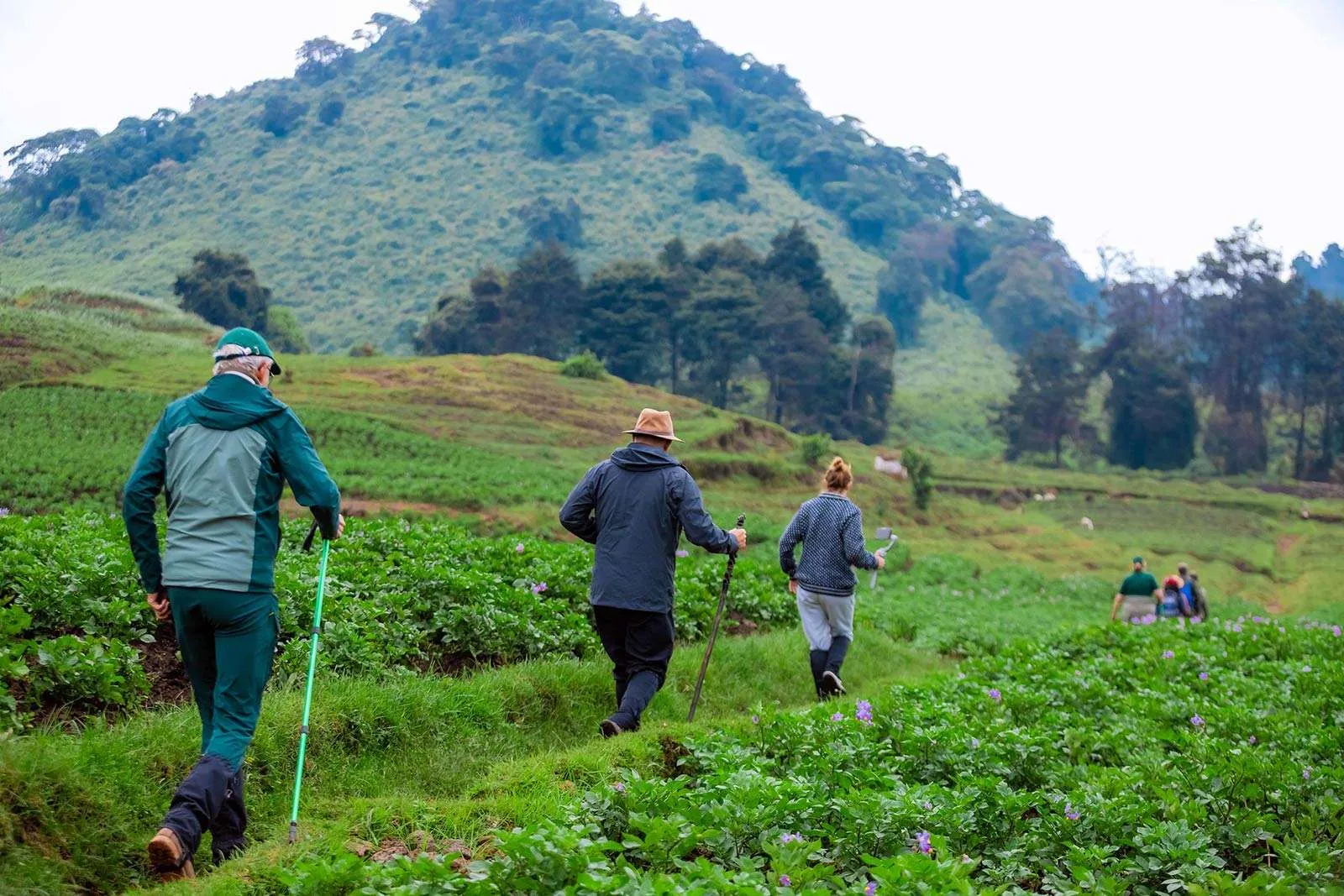
Older travelers can successfully participate in gorilla trekking, provided they are medically able to undertake the activity and prepare appropriately. Age by itself should not automatically prevent someone from considering the experience. What matters more is mobility, fitness, balance and the ability to walk through uneven mountain terrain. Senior travelers from USA should discuss any personal health concerns with an appropriate medical professional before traveling and should communicate mobility considerations clearly when the safari is being planned.
Rwanda may appeal to some senior travelers because the road journey from Kigali to the Volcanoes region is comparatively convenient, reducing the amount of long-distance overland travel surrounding the trek. Uganda can still be an excellent option, particularly when a domestic flight is incorporated or when the journey to Bwindi is divided naturally across a longer safari. Porters can provide valuable assistance in either destination. Building a relaxed itinerary with adequate recovery time is generally more important than trying to complete the trip in the fewest possible days.
Uganda vs Rwanda Accommodation for Gorilla Trekking
Accommodation can strongly influence the atmosphere of a gorilla safari. In Uganda, lodges are positioned around the different Bwindi sectors and around Mgahinga, ranging from relatively simple properties to highly comfortable and luxury forest lodges. Location should be considered just as carefully as the quality of the room. Staying near the correct trekking sector can make the morning of the trek considerably easier, while booking accommodation far from the permit’s designated starting location can create unnecessary logistical problems.
Rwanda’s Volcanoes National Park region has developed a particularly strong reputation for luxury gorilla accommodation. Travelers looking for sophisticated lodge design, personalized service, exceptional dining and dramatic views toward the Virunga volcanoes can find some outstanding choices. This has made Rwanda popular for luxury gorilla trekking from USA, honeymoon trips and special-occasion travel. Comfortable alternatives also exist for travelers who do not require ultra-luxury accommodation.
The difference is therefore less about whether one country has good accommodation and more about the overall travel style each destination makes particularly easy to create. Uganda offers enormous flexibility across longer safari routes and different budget categories. Rwanda excels at creating compact, highly polished gorilla itineraries, particularly at the premium end of the market. Travelers should choose accommodation based on location, service expectations and overall safari budget rather than assuming the most expensive lodge will automatically produce the best gorilla experience.
Uganda vs Rwanda for Wildlife Safari Combinations
Uganda holds a major advantage for travelers who want gorilla trekking to form part of a comprehensive wildlife safari. A well-designed journey can combine Bwindi or Mgahinga with Queen Elizabeth National Park, Kibale National Park, Lake Mburo National Park, Murchison Falls National Park and other destinations depending on available time. This creates opportunities to see mountain gorillas, chimpanzees and classic African wildlife within the same country.
For American travelers making their first trip to East Africa, this variety can represent excellent value. Instead of purchasing international flights primarily for one activity, the traveler can spend ten days, two weeks or longer moving through different landscapes and experiencing several distinct forms of wildlife tourism. Gorilla trekking may remain the highlight, but the safari becomes a much broader African journey.
Rwanda can also provide an excellent multi-experience itinerary. Gorilla trekking in Volcanoes National Park can be combined with golden monkey trekking, Akagera National Park for savannah wildlife, Nyungwe for forest and primate experiences, Lake Kivu and cultural or historical experiences in Kigali. Because Rwanda is geographically compact, travelers can experience substantially different landscapes without the same overland distances associated with a large Uganda circuit.
Uganda vs Rwanda for Luxury Gorilla Trekking from USA
Travelers searching specifically for luxury gorilla trekking from USA should consider both destinations, although Rwanda has positioned itself particularly strongly within the high-end gorilla tourism market. A luxury Rwanda itinerary can combine premium accommodation around Volcanoes National Park with private transportation, personalized guiding and carefully paced travel beginning from Kigali. For honeymooners or travelers celebrating an anniversary, birthday or another important occasion, this can create an exceptionally polished experience.
Uganda should not be overlooked by luxury travelers. Bwindi has high-quality forest lodges capable of delivering intimate service, exceptional locations and outstanding views. A luxury Uganda itinerary can also incorporate domestic flights to reduce road time and premium accommodation in other national parks. The result can be more expedition-like than a compact Rwanda trip while still maintaining a very high standard of comfort.
The choice depends on how the traveler defines luxury. If luxury means the shortest practical transfers and access to internationally recognized high-end properties, Rwanda may be the natural choice. If luxury means time, privacy, diverse wildlife, beautiful lodges and a more extensive journey through different ecosystems, Uganda may be equally or even more attractive.
Uganda vs Rwanda for Budget-Conscious American Travelers
For travelers who carefully manage their safari budget, Uganda generally deserves the strongest consideration. The difference in standard gorilla permit costs can leave significantly more money available for accommodation, transportation or additional experiences. Uganda’s 2026 low-season foreign non-resident permit rate of US$600 during April, May and November can make the comparison particularly compelling for travelers whose dates are flexible. These months can involve wetter conditions, so the financial saving should be balanced against the possibility of muddier trails and changing weather.
Budget-conscious travel should not mean choosing arrangements that compromise reliability. Gorilla permits are valuable and date-specific, transport operates through mountainous regions and accommodation must be coordinated with the correct trekking sector. Saving money through intelligent itinerary design is very different from simply selecting the lowest online quotation. Travelers should understand precisely which services are included and whether the company arranging the safari is appropriately established to handle the trip.
Which Gorilla Safari Is Right for You?
You do not have to choose Uganda or Rwanda without guidance. Share your approximate travel dates, number of travelers, preferred safari length and accommodation style, and we can help you compare the options and build a personalized journey from the USA.
Should First-Time Visitors Choose Uganda or Rwanda?
A first-time visitor who wants the broadest possible African safari experience may find Uganda particularly rewarding. The country makes it relatively easy to combine mountain gorillas with chimpanzees, elephants, lions, hippos, buffaloes, boat safaris and varied landscapes within one journey. Travelers who have saved significant vacation time for Africa can therefore turn gorilla trekking into the centerpiece of a much larger adventure rather than the entire itinerary.
A first-time visitor with only a short period available may prefer Rwanda because the gorilla region can be incorporated efficiently into a compact itinerary from Kigali. This can be especially useful for someone who is already traveling elsewhere in Africa or cannot take two weeks away from work. Paying a higher permit cost may be worthwhile when convenience and limited vacation time are the dominant considerations.
For travelers who can afford both the time and budget, combining Uganda and Rwanda removes the need to treat the choice as either-or. A cross-border itinerary can incorporate the strengths of both countries and provide a deeper understanding of the wider Virunga and southwestern Uganda region. Depending on the route, travelers may trek in one country and enjoy additional experiences in the other, or dedicated gorilla enthusiasts may arrange more than one gorilla trek.
Uganda vs Rwanda Gorilla Trekking Comparison for USA Travelers
| Comparison | Uganda | Rwanda |
|---|---|---|
| Main Gorilla Areas | Bwindi Impenetrable National Park and Mgahinga Gorilla National Park | Volcanoes National Park |
| Standard International Permit | US$800 for foreign non-residents under the published tariff structure | US$1,500 per international visitor |
| 2026 Uganda Low-Season Opportunity | US$600 for foreign non-residents in April, May and November under UWA’s announced low-season rate | Different promotional categories may apply; standard international tourist rate remains US$1,500 |
| International Gateway | Entebbe International Airport, with Kigali also useful for some southwestern Uganda itineraries | Kigali International Airport |
| Best For | Longer safaris, value, wildlife combinations and primate-focused journeys | Shorter itineraries, convenient access and premium luxury trips |
| Safari Combinations | Exceptional range of primate, savannah, boat and wildlife experiences | Akagera, Nyungwe, golden monkeys, Lake Kivu and Kigali experiences |
| Luxury Travel | Excellent luxury lodges with the possibility of extensive safari circuits | Particularly strong luxury lodge selection around Volcanoes National Park |
| Ideal Trip Style | Adventure-rich, longer and highly varied | Compact, convenient and easily structured around Kigali |
For 2026/2027 travelers, permit prices should always be reconfirmed before payment because wildlife authorities can revise tariffs and promotional conditions. Uganda Wildlife Authority’s current 2026 announcement specifically introduced US$600 low-season foreign non-resident permits for April, May and November and confirmed US$800 as the foreign non-resident gorilla tracking tariff effective January 1, 2027. Rwanda’s official tourism website currently lists the international gorilla trekking permit at US$1,500 per person per day.
So, Is Uganda or Rwanda Better for Gorilla Trekking from USA?
If your priority is getting the strongest overall value and combining mountain gorillas with a substantial African wildlife safari, Uganda will often be the better choice. Its lower gorilla permit price, multiple trekking areas and ability to combine Bwindi with chimpanzee trekking and classic savannah destinations make it particularly suitable for Americans taking a longer vacation. Travelers spending eight, ten, twelve or fourteen days in East Africa can experience considerably more than gorillas while keeping the trip within a realistic overall budget.
If your priority is convenience, a shorter itinerary and the possibility of a highly polished luxury experience, Rwanda can be the better choice. Kigali’s proximity to the Volcanoes National Park region makes it possible to design a gorilla-focused journey without committing to a long safari circuit. This can be valuable for Americans with limited vacation days or travelers adding gorilla trekking to another African vacation.
If you are a serious primate enthusiast, wildlife photographer or traveler who views this as a once-in-a-lifetime African journey and has sufficient time, combining Uganda and Rwanda may provide the most complete experience. Rather than asking only which country is cheaper, consider how much time you have, what wildlife you want to see, the level of accommodation you prefer, how much driving you are comfortable with and whether gorilla trekking is the sole purpose of the trip or the centerpiece of a wider safari.
The next major step after choosing between Uganda and Rwanda is understanding how to actually get there from America. International flights can influence the length, cost and structure of the safari more than many first-time travelers expect. The next section of this complete Gorilla Trekking from USA guide will therefore examine flights from USA to Uganda and Rwanda for gorilla trekking, including the best arrival airports, common international connections, major US departure cities, how to coordinate flight arrival with your safari and important mistakes to avoid when purchasing your airline ticket.
Flights from USA to Uganda and Rwanda for Gorilla Trekking
Flights are one of the most important parts of planning gorilla trekking from USA because the international journey determines when your safari can realistically begin, how much recovery time you may need after arrival and whether Uganda or Rwanda gives you the most convenient routing.
American travelers should avoid booking international airfare before understanding where their gorilla trek will take place because the best arrival airport can depend on whether you are trekking in Bwindi Impenetrable National Park, Mgahinga Gorilla National Park or Volcanoes National Park. Uganda-based itineraries usually begin through Entebbe International Airport, while Rwanda-based gorilla safaris normally begin through Kigali International Airport. However, some gorilla trekking safaris in southwestern Uganda can also be conveniently accessed from Kigali, making flight planning much more flexible than many first-time travelers expect.
There are generally no simple nonstop journeys from most US cities directly into the gorilla trekking regions themselves, so travelers normally connect through major international hubs before continuing to East Africa. The exact route depends on the departure city, airline, travel dates and ticket availability. A traveler leaving from New York may have different practical options from someone departing Los Angeles, Chicago, Atlanta, Dallas or San Francisco. Instead of focusing only on the cheapest airfare, Americans should compare total journey duration, number of connections, baggage rules, layover times, arrival time in East Africa and whether the ticket allows enough flexibility for a long-distance international safari.
Best Arrival Airports for Gorilla Trekking from USA
The two most important international gateways for American gorilla travelers are Entebbe International Airport in Uganda and Kigali International Airport in Rwanda. Choosing between them should be based on the complete itinerary rather than simply the country where the trek takes place. Entebbe is the primary international gateway for travelers beginning a broader Uganda safari, especially those planning to combine gorilla trekking with wildlife experiences in national parks such as Queen Elizabeth, Kibale, Lake Mburo or Murchison Falls. Kigali is the natural entry point for Rwanda gorilla trekking and can also work extremely well for shorter journeys into southwestern Uganda.
For a traveler planning a ten-day or two-week Uganda safari from USA, Entebbe is often the most logical arrival point because the safari can develop naturally through the country before reaching Bwindi or Mgahinga. In contrast, a traveler planning only three or four nights around gorilla trekking may find Kigali more efficient, particularly if trekking in Volcanoes National Park or southern Bwindi. This distinction is critical because booking the wrong airport can lead to unnecessary road transfers, additional hotel nights and a less efficient itinerary.
Flying from New York to Uganda or Rwanda for Gorilla Trekking
New York is one of the strongest departure points in the United States for international travel to East Africa because travelers have access to major international airline networks and several routing possibilities. A gorilla trekking safari from New York will usually involve one international connection before reaching East Africa, although the exact itinerary can vary considerably. Travelers should focus on choosing a connection that provides sufficient transfer time and avoids unnecessarily long layovers unless the stopover is intentionally built into the journey.
New York travelers should also look carefully at arrival time. Landing in East Africa late in the evening may require an overnight stay near Entebbe or Kigali before the safari begins. This is often preferable to attempting a long road journey immediately after an international flight. A relaxed first night can help travelers recover from the transatlantic journey and reduce the risk of starting a gorilla safari exhausted.
Flying from Washington DC to Gorilla Trekking in Uganda or Rwanda
Washington DC is another practical departure point for Americans traveling to East Africa. Travelers from the Washington metropolitan area can access international routes that connect through major global aviation hubs before continuing to Entebbe or Kigali. Because many travelers from the eastern United States can reach Washington relatively easily, it can sometimes provide useful fare and routing options even for passengers who do not live directly in the capital region.
The most important consideration remains the timing of the final arrival into East Africa. A flight that appears attractive because of price may create a very late arrival, short international connection or inconvenient onward travel plan. When gorilla trekking is the primary purpose of the vacation, flight decisions should be coordinated with the safari operator so the ground itinerary begins at a sensible pace.
Flying from Atlanta to Uganda or Rwanda
Atlanta is one of the busiest airline hubs in the United States and can provide strong international connections for travelers planning a gorilla safari from the southeastern United States. Travelers from Georgia, Florida, Alabama, Tennessee and surrounding states may find Atlanta a practical starting point for the international journey. The trip will still normally require a connection through another international gateway before reaching Uganda or Rwanda.
Because Atlanta travelers are already beginning from a major hub, it can be easier to book the entire international journey on one ticket rather than purchasing separate tickets for each segment. Booking one itinerary can simplify baggage handling and provide better protection if an earlier flight is delayed and causes a missed connection. This consideration becomes especially important on a high-value safari where a delayed international journey could affect hotel nights, transfers or even a gorilla trekking date.
Flying from Chicago to Uganda or Rwanda
Chicago is another important departure gateway for gorilla trekking from USA, particularly for travelers living in the Midwest. Passengers can connect through major international hubs before continuing toward East Africa. The total journey can be long, so travelers should evaluate seat comfort, layover duration and the number of flight segments rather than choosing solely by fare.
American travelers should also consider whether they prefer to break the journey with a longer connection or complete it as efficiently as possible. Some people prefer a shorter total travel time, while others value a longer international layover that gives them a chance to rest between long flight sectors. Either approach can work, but it should be chosen intentionally rather than discovered after purchasing the ticket.
Flying from Dallas and Houston for Gorilla Trekking in Africa
Travelers from Texas can begin their gorilla trekking journey through major international airports such as Dallas or Houston. These hubs provide access to global airline networks and can be particularly useful for travelers from the central and southern United States. Depending on the chosen carrier and routing, passengers may connect through Europe, the Middle East or another African hub before arriving in Entebbe or Kigali.
Because the overall journey is long, travelers from Texas should build enough recovery time into the itinerary. A safari that begins with a very early transfer immediately after a late international arrival can feel unnecessarily exhausting. Starting with an overnight near the airport or a relaxed first day can make the rest of the gorilla safari much more enjoyable.
Flying from Los Angeles and San Francisco to Uganda or Rwanda
Travelers from the West Coast should prepare for an especially long international journey because they must cross a greater distance before reaching East Africa. Gorilla trekking from Los Angeles or San Francisco may involve multiple long-haul sectors and at least one major international connection. This makes itinerary planning particularly important because arriving in Africa after an extended journey and immediately starting a long road transfer can create fatigue before the safari has properly begun.
For West Coast travelers, allowing a first night near Kigali or Entebbe is strongly advisable in many cases. This gives the body time to adjust after crossing multiple time zones and reduces pressure if the international journey experiences minor delays. Travelers with sufficient vacation time may also consider building in an additional recovery day before beginning the more active parts of the safari.
Flying from Boston, Miami and Other Major US Cities
American travelers do not need to live near New York, Washington, Chicago or Los Angeles to plan a successful gorilla trekking safari. Passengers from Boston, Miami, Seattle, Denver, Philadelphia, Minneapolis, Charlotte, Orlando and many other US cities can connect through larger domestic or international hubs before continuing to Africa. In some cases, travelers may book a short domestic flight to a major departure airport before beginning the international ticket.
If separate tickets are used for the domestic and international portions of the journey, travelers should allow a generous connection window. Separate tickets can create additional risk because the international airline may not be responsible if a delayed domestic flight causes the passenger to miss the onward flight. For a safari involving expensive gorilla permits and carefully scheduled accommodation, protecting the international connection is extremely important.
Should You Fly into Entebbe or Kigali for Uganda Gorilla Trekking?
Travelers planning Uganda gorilla trekking from USA often assume that they must always fly into Entebbe, but this is not necessarily true. Entebbe remains the best gateway for most longer Uganda safaris, especially those including central, western or northern national parks. However, Kigali can be a practical entry point for shorter gorilla-focused journeys into southwestern Uganda because the southern gorilla regions are relatively close to Rwanda.
A Kigali arrival can work especially well for travelers trekking in Rushaga, Nkuringo or Mgahinga, depending on the final itinerary. The journey involves crossing the Rwanda-Uganda border, so valid travel documentation and current entry requirements must be considered. The benefit is that some travelers can reach the gorilla region more efficiently than they would by driving all the way from Entebbe.
For longer Uganda itineraries, Entebbe usually provides the better structure because the journey can move through destinations such as Lake Mburo, Queen Elizabeth National Park and Kibale before reaching Bwindi. This turns the transfer into part of the safari rather than a single long journey to the gorilla region.
Should You Fly into Kigali for Rwanda Gorilla Trekking?
How to Get from USA to Volcanoes National Park, Rwanda
Travelers planning gorilla trekking from USA to Rwanda normally fly internationally to Kigali International Airport before continuing by road to Volcanoes National Park in northern Rwanda. The map below shows the important ground route from Kigali to Rwanda’s main mountain gorilla trekking destination.
Route map from Kigali International Airport to Volcanoes National Park for travelers planning a Rwanda gorilla trekking safari from the USA.
Kigali International Airport is the natural gateway for travelers planning Rwanda gorilla trekking from USA. After arrival, visitors can spend a night in Kigali or continue toward the Volcanoes National Park region depending on the flight schedule and how much rest they require. Because the gorilla region is relatively accessible from Kigali, Rwanda works exceptionally well for travelers with limited vacation time.
A compact Rwanda itinerary can include arrival in Kigali, transfer to the Volcanoes region, gorilla trekking and return to Kigali within a relatively short number of days. Travelers should still avoid rushing unnecessarily because international travel from the United States is tiring and gorilla trekking can be physically demanding. A properly paced itinerary provides a far more enjoyable experience than trying to save every possible night.
How Long Does It Take to Travel from USA to Uganda or Rwanda?
The total travel time varies considerably according to the American departure city, connection point and airline schedule. Travelers should expect a long international journey and should evaluate the full door-to-door experience rather than only the duration of the longest flight. A ticket with two short connections may appear efficient but can become stressful if transfer windows are too tight, while a slightly longer itinerary with one comfortable connection may be easier overall.
Travelers should also remember that the journey does not necessarily end when the aircraft lands in East Africa. Immigration, baggage collection, airport transfers and any onward road journey still need to be completed. For Uganda gorilla trekking, a traveler arriving in Entebbe may still be several hundred kilometers from Bwindi. For Rwanda gorilla trekking, the onward road journey is shorter, but visitors still need time to leave Kigali and travel toward the Volcanoes region.
Jet Lag and Recovery Before Gorilla Trekking
Jet lag is an important but often overlooked part of gorilla trekking from USA. American travelers cross several time zones before reaching East Africa, and the body’s sleep cycle may require time to adjust. This can affect energy levels, appetite and concentration during the first days of the safari. Because gorilla trekking involves hiking at altitude and walking over uneven terrain, arriving at the trek physically exhausted is not ideal.
Whenever possible, travelers should avoid scheduling the gorilla trek immediately after landing. A first night in Kigali, Entebbe or another suitable location can provide valuable recovery time. Longer Uganda itineraries naturally create additional adjustment time because travelers may visit another national park before reaching the gorilla region. Short Rwanda itineraries should be designed carefully so convenience does not become unnecessary haste.
Already Looking at Flights from the USA?
Before purchasing your ticket, tell us your preferred travel dates and the airport you plan to depart from. We can help you match your arrival in Uganda or Rwanda with your gorilla trekking date and safari itinerary so you avoid unnecessary transfers and poorly timed connections.
Why You Should Not Book the Cheapest Flight Without Checking the Safari Itinerary
Cheap airfare can be attractive, but the lowest fare is not always the best choice for an African gorilla safari. A ticket may involve extremely long layovers, separate airport transfers, restrictive baggage policies or an arrival time that creates an additional hotel night. These hidden logistical costs can remove much of the saving. Travelers should compare the complete cost and convenience of the journey before booking.
The international ticket should also align with the confirmed gorilla permit date. Gorilla permits are issued for specific trekking dates, which means a significant international delay can create serious problems if the itinerary does not include enough flexibility. Travelers should therefore avoid building a schedule where they arrive in East Africa only a few hours before they must begin traveling toward the gorilla park.
Another consideration is ticket flexibility. International travel plans can occasionally change due to airline schedule adjustments, personal circumstances or changes in the wider itinerary. A slightly more flexible ticket can provide valuable protection, particularly when the safari itself represents a significant financial commitment.
Should You Use One Airline Ticket or Separate Tickets?
Whenever practical, booking the international journey on one protected itinerary can provide advantages. If the flights are issued together and the first segment is delayed, the airline may be better positioned to assist with onward connections. Checked baggage may also be transferred automatically through the connecting airport depending on the itinerary and local requirements.
Separate tickets can sometimes produce lower prices or better scheduling, but they require more careful planning. Travelers may need to collect baggage and check in again during the connection, and a delay on the first ticket may not provide protection for the second. If separate bookings are necessary, a generous time buffer is advisable.
Baggage Planning for Gorilla Trekking Flights from USA
Baggage planning deserves attention because many American travelers arrive with more luggage than they actually need for a safari. International airlines may allow relatively generous checked baggage, but domestic or charter flights within East Africa can have much lower limits. Travelers planning to fly from Entebbe toward southwestern Uganda should therefore confirm the baggage policy for the domestic sector before leaving the United States.
Soft-sided luggage can be particularly practical on safari because it is easier to load into safari vehicles and smaller aircraft than rigid oversized suitcases. Travelers should also carry essential items such as prescription medication, important travel documents, camera batteries and a basic change of clothing in hand luggage in case checked baggage is delayed.
Photography equipment deserves particular consideration. Gorilla trekking offers exceptional photographic opportunities, so many travelers bring cameras, lenses and batteries. However, heavy equipment can become difficult to carry during the trek. A porter can assist with camera gear and daypacks, but travelers should still avoid bringing unnecessary equipment into the forest.
Planning International Flights Around Gorilla Permit Dates
The gorilla permit should normally be treated as one of the anchor points of the safari. Once suitable trekking availability has been identified, travelers can structure flights and the rest of the itinerary around that date. This is particularly important during popular travel periods when permit availability may become limited.
American travelers should avoid purchasing highly restrictive international tickets before confirming that gorilla permits are available on dates compatible with the proposed journey. The safest sequence is usually to establish the approximate travel period, check gorilla permit availability, build a provisional safari itinerary and then finalize the international flight.
This approach also creates better opportunities to choose an appropriate arrival airport. A traveler may initially assume that Entebbe is necessary, only to discover that Kigali produces a much more efficient itinerary for southern Bwindi. Another traveler may initially consider Kigali but ultimately choose Entebbe because they want a full Uganda wildlife circuit. The ground itinerary should therefore inform the flight decision rather than being forced to fit a ticket that has already been purchased.
Travel Insurance and Flight Disruption Protection
A gorilla trekking safari from USA is a major international trip involving non-refundable or date-specific arrangements, so comprehensive travel insurance deserves serious consideration. Coverage should be reviewed carefully to understand what applies to trip cancellation, delays, baggage problems, emergency medical situations and other disruptions. Travelers should not assume that every insurance policy provides the same level of protection.
Flight delays can be particularly important when the safari includes a fixed gorilla trekking date. A delayed departure from the United States can affect international connections and potentially reduce the available recovery time before the trek. Building an appropriate buffer into the itinerary and purchasing suitable insurance can reduce the financial and logistical impact of unexpected disruption.
Can You Add a Stopover on the Way to Gorilla Trekking?
Some American travelers choose to break the international journey with a stopover in a major connecting city. This can turn a long transfer into an additional travel experience and provide time to recover between flight sectors. Whether this is worthwhile depends on the airline, ticket structure, visa requirements of the transit country and the total duration of the vacation.
A stopover should only be added when it improves the overall journey rather than creating unnecessary complexity. Travelers with limited time may prefer the fastest practical connection to East Africa, while someone planning a longer international vacation may enjoy spending one or two nights in a connecting destination before continuing toward Uganda or Rwanda.
Returning to the USA After Gorilla Trekking
The return journey also deserves careful planning. Travelers should consider where the safari ends and whether returning to the same airport used for arrival is the most efficient option. A Uganda-only circuit may naturally end near Entebbe, while a combined Uganda-Rwanda safari could potentially be designed to finish in Kigali. In some cases, arriving through one country and departing through another can reduce unnecessary backtracking.
This type of open-jaw flight arrangement should be compared with a standard round-trip ticket before booking. The airfare may be slightly higher, but the saving in road travel and safari time can make the overall journey more efficient. For Americans taking limited vacation days, reducing unnecessary transfers can be more valuable than finding the absolute lowest airfare.
Best Flight Planning Strategy for Gorilla Trekking from USA
The best flight strategy is to treat the international journey as part of the safari rather than as a separate purchase. Begin by deciding whether Uganda, Rwanda or a combination of both countries is most suitable. Confirm or provisionally hold the gorilla trekking date, determine the logical arrival airport and establish how much recovery time is needed after the international flight. Only then should you compare airline itineraries from your US departure city.
Choose flights with sensible connection times, realistic arrival schedules and baggage policies appropriate for the rest of the safari. Travelers coming from the West Coast should be particularly careful about fatigue because the journey can be extremely long. Travelers from the East Coast may have somewhat shorter overall routing, but they should still avoid overly ambitious plans immediately after landing.
Once the international flights are aligned with the gorilla trekking itinerary, the next important question is documentation. US citizens need to understand passport validity, visa arrangements, entry procedures and any travel documentation required for Uganda, Rwanda or a combined cross-border safari. The next section of this guide will therefore explain the visa and entry requirements for Americans traveling to Uganda and Rwanda for gorilla trekking, including how to prepare before leaving the United States and what to consider when visiting both countries in one safari.
Visa, Passport and Entry Requirements for Americans Traveling to Uganda and Rwanda
Understanding visa, passport and entry requirements is an essential part of planning gorilla trekking from USA because travelers must satisfy the immigration rules of the country where they arrive and any additional country they enter during the safari. American travelers visiting Uganda or Rwanda should organize these documents before departure rather than waiting until the final days before the trip.
The requirements are not identical in both countries, and travelers combining Uganda and Rwanda need to think carefully about which visa option best fits their itinerary. A passport with sufficient validity, the correct visa or travel authorization, proof of onward travel where requested and relevant health documentation may all form part of the entry process. Because immigration rules can change, travelers should always verify the latest requirements with the official immigration authority before departure.
For Uganda, travelers who require a visa are expected to complete the application online before travel. Uganda’s Directorate of Citizenship and Immigration Control states that visa-prone travelers must apply online and obtain a travel authorization or visa approval letter before traveling, and visas are not simply issued on arrival in the traditional sense. The authority also states that applicants should travel with a passport or travel document that has at least six months of validity remaining.
Rwanda operates a different visitor visa system. The Rwanda Directorate General of Immigration and Emigration states that a visitor traveling for holiday or sightseeing can obtain the relevant visitor visa at the border, online, through immigration offices or through a Rwandan diplomatic mission, depending on the visa category. Rwanda also requires an acceptable travel document valid for at least six months.
Do US Citizens Need a Visa for Uganda?
American travelers should plan on obtaining the appropriate Uganda visa before beginning a gorilla trekking safari that enters Uganda. Uganda’s immigration authority requires visa applications to be completed through the official online immigration system for travelers who are visa-prone. The process involves selecting the appropriate visa category, completing the electronic form, uploading the requested supporting documents and waiting for the application decision. When approved, the traveler receives an approval letter electronically, which serves as travel authorization and should be presented together with the passport at the point of entry.
The standard Uganda tourist visa is a single-entry visa intended for tourism, family visits, medical treatment and similar purposes. Uganda Immigration states that it can be granted for up to three months and that the approval authorization is valid for 90 days from the date it is issued. If the traveler does not enter Uganda within that approval window, the authorization can expire and a new application may be required.
For gorilla trekking travelers, this means the visa should be applied for with enough time to allow processing but not so early that the approval period becomes inconvenient relative to the planned travel date. The exact timing should be checked against the current immigration guidance when preparing the trip. Travelers should also ensure that the information on the visa application matches their passport and itinerary because discrepancies can create unnecessary delays.
What Documents Are Required for a Uganda Tourist Visa?
Uganda Immigration lists several supporting documents for a standard tourism application. These include a copy of the passport bio-data page with at least six months of validity, a travel or tour plan, an itinerary or booking, a recent passport-size photograph and accommodation information such as a hotel reservation or address. Depending on the application and current rules, additional information can also be requested.
American gorilla trekking travelers should therefore prepare digital copies of their passport, photograph and safari itinerary before beginning the online application. If the safari has been arranged through a tour operator, the itinerary and accommodation confirmations can help demonstrate the purpose and structure of the visit. Travelers should keep electronic and printed copies of important documents because internet access or mobile data may not always be immediately available during airport or border procedures.
Can Americans Get a Uganda Visa on Arrival?
Travelers should not depend on obtaining a standard Uganda visa only after arriving at the airport or border. Uganda’s immigration authority explicitly states that visa-prone travelers are required to complete the online application and obtain the approval authorization before traveling. This is especially important for Americans flying long distances to East Africa because arriving without the required authorization can create serious travel complications before the safari has even begun.
When planning gorilla trekking from USA to Uganda, the safest approach is to complete the visa process through the official government portal before boarding the international flight. Travelers should avoid relying on unofficial websites that appear in search results and may charge additional processing fees or provide inaccurate information. Official government immigration platforms should be the primary source for application instructions.
Do US Citizens Need a Visa for Rwanda?
Rwanda’s system is more flexible for international visitors. The Rwanda Directorate General of Immigration and Emigration states that a holiday visitor visa can be issued upon arrival at the border post, online, through immigration offices or at a Rwandan diplomatic mission. The standard holiday visitor category is intended for sightseeing, recreation and other short-term purposes rather than employment.
For a standard visitor who is not covered by a separate visa-waiver arrangement, Rwanda currently lists a fee of US$50 for a single-entry holiday visa and US$70 for multiple entry. The single-entry visitor visa is generally valid for 30 days, while a multiple-entry version can be valid for 90 days. Because nationality-based agreements can affect the exact fee or conditions, American travelers should reconfirm their category before departure.
One of Rwanda’s advantages for short gorilla safaris is that the visa process can be relatively straightforward when combined with arrival through Kigali International Airport. Nevertheless, travelers should still verify the current rules before flying, especially when the itinerary involves leaving Rwanda and returning later, because a single-entry visa and a multi-country journey may not always be compatible.
Passport Validity for Gorilla Trekking from USA
Both Uganda and Rwanda require travelers to have a valid passport, and the official immigration guidance for both countries specifies at least six months of remaining validity for the relevant travel document. American travelers should therefore check the expiration date of their passport well before booking non-refundable travel arrangements. If the passport is close to expiration, renewing it before applying for visas can reduce the risk of complications.
Travelers should also confirm that the passport has sufficient blank pages for immigration stamps and any required visa endorsements. This becomes especially relevant on a combined Uganda and Rwanda itinerary because the traveler may cross an international land border in addition to entering and leaving through airports. Keeping the passport protected and easily accessible throughout the safari is essential because it may be requested at border crossings, domestic flight check-ins or other official points.
East Africa Tourist Visa for Uganda and Rwanda Gorilla Safaris
Travelers combining Uganda and Rwanda should strongly consider whether the East Africa Tourist Visa is suitable for their itinerary. This joint tourist visa allows travel between Uganda, Kenya and Rwanda for tourism purposes. Uganda Immigration states that the visa costs US$100, is valid for 90 days and allows multiple travel within the participating countries while the traveler remains inside the East African visa bloc. Rwanda’s immigration authority also confirms that the East Africa Tourist Visa is US$100 and valid for 90 days.
This can be particularly useful for an American traveler who flies into Kigali, crosses into Uganda for gorilla trekking and later returns to Rwanda, or for someone combining Kenya with Uganda and Rwanda on a longer East African vacation. Instead of purchasing separate visitor visas for each participating country, the traveler may be able to use the joint visa throughout the qualifying itinerary.
However, the East Africa Tourist Visa has an important rule: the traveler should apply through the country that will be the first point of entry. Uganda Immigration specifically states that the issuing country should be the traveler’s first entry point. Therefore, an American traveler landing first in Uganda should apply through Uganda, while someone beginning in Rwanda should follow the Rwanda process.
How Long Is the East Africa Tourist Visa Valid?
The East Africa Tourist Visa is valid for 90 days and is intended for tourism rather than employment. Uganda Immigration states that it is not renewable after expiry or after the traveler exits the participating East African visa bloc. Rwanda’s official guidance also describes the joint visa as a 90-day visa for travel among the participating countries.
This is an important detail for travelers combining a gorilla safari with destinations outside Uganda, Rwanda and Kenya. If the traveler leaves the East African visa area completely and then attempts to return later, the joint visa may no longer function in the same way. Travelers planning complex multi-country itineraries should therefore confirm their sequence of travel before purchasing the visa.
What Is Required for the East Africa Tourist Visa?
Uganda’s immigration authority lists a passport bio-data page with at least six months of validity, a recent passport-size photograph, a yellow fever vaccination certificate, a return ticket and a travel itinerary among the supporting documents for the East Africa Tourist Visa. Travelers should prepare these documents electronically before beginning the online application and ensure that the itinerary accurately reflects the first country of entry.
For an American traveler taking a Uganda and Rwanda gorilla safari, the travel itinerary should clearly show the planned entry into the first country and the subsequent cross-border journey. Keeping printed copies of the visa approval, flight itinerary, accommodation information and passport details can simplify the immigration process during the trip.
Planning Uganda and Rwanda in One Gorilla Safari?
Tell us where you plan to arrive, how many days you have and whether you want to visit Uganda, Rwanda or both. We can help you structure the safari route so your gorilla permits, border crossings and arrival airport work logically together.
Yellow Fever Certificate and Entry Requirements
Health documentation can form part of East African entry procedures, particularly when a traveler is entering or moving between countries where yellow fever certification rules apply. Uganda’s East Africa Tourist Visa requirements explicitly include a yellow fever vaccination certificate among the required attachments. Rwanda’s immigration authority also notes that a vaccination certificate may be required at the border and that additional health requirements can be introduced during major disease outbreaks.
Because health requirements depend on travel history, destination sequence and current public-health rules, American travelers should confirm the latest official guidance before departure and obtain personalized medical advice from an appropriate travel-health professional. This is particularly important for travelers who will visit several African countries before or after Uganda and Rwanda, because entry requirements can be influenced by the countries recently visited.
Crossing the Uganda-Rwanda Border During a Gorilla Safari
Cross-border gorilla safaris are common because southwestern Uganda and northern Rwanda are geographically close. An American traveler may arrive in Kigali, drive toward the border and continue into Uganda for trekking in Bwindi or Mgahinga. Another itinerary may begin in Uganda and later continue into Rwanda. These routes can be efficient, but they require the traveler to have the correct immigration documentation for each country.
The East Africa Tourist Visa can simplify this type of journey when the itinerary meets the conditions of the joint visa. Travelers using separate visitor visas should ensure that their chosen visa allows the required number of entries. For example, a traveler who enters Rwanda, travels to Uganda and then returns to Rwanda should not automatically assume that a single-entry Rwanda visa will cover the second entry. The itinerary and visa type should be checked before departure.
Border crossings also require time. Even when formalities operate smoothly, travelers should not build an itinerary around unrealistic assumptions about how quickly every immigration step will be completed. A well-designed safari allows sufficient time for passport checks, visa verification and other procedures without placing unnecessary pressure on the day’s schedule.
Do You Need to Carry Printed Visa Documents?
Although much of the visa process is electronic, carrying printed copies of important travel documents remains sensible. Uganda’s immigration guidance states that travelers should print the approval letter and present it together with the valid passport or travel document at the port of entry. Travelers should therefore not rely solely on a phone containing an email attachment.
Useful printed documents can include the visa approval letter, passport copy, travel insurance details, international flight itinerary, safari itinerary, accommodation confirmations and emergency contact information. Digital copies should also be stored securely in email or cloud storage in case the printed versions are lost.
Common Visa Mistakes American Gorilla Travelers Should Avoid
One common mistake is using unofficial visa websites. Search engines can display third-party visa processing services that resemble government portals but charge substantially higher fees. Rwanda’s immigration authority specifically warns that there is no single affiliated agent authorized to apply for a visa on a traveler’s behalf and that such agents may charge more than the official visa fees. Travelers should therefore confirm that they are using an official government immigration website before entering passport information or making payment.
Another common mistake is applying for the wrong visa category. Someone visiting only Uganda requires a different arrangement from a traveler entering Rwanda, crossing into Uganda and returning to Rwanda. The East Africa Tourist Visa can be particularly useful for multi-country travel, but it needs to be issued through the correct first-entry country. Travelers should therefore finalize the broad structure of the safari before submitting the visa application.
Passport validity is another easily avoidable problem. Because both Uganda and Rwanda require at least six months of passport validity under their published visitor requirements, travelers should check the passport before purchasing non-refundable flights and safari arrangements. Waiting until a few weeks before departure to discover that the passport is close to expiry can complicate the entire journey.
Should You Apply for Visas Before Booking Gorilla Permits?
In most cases, gorilla permit availability should be established early because permits are limited and linked to specific trekking dates. The broader travel plan can then be built around those dates, followed by international flights and visa preparation. However, travelers should ensure they are eligible to enter the destination before committing significant non-refundable funds.
A practical planning sequence is to choose the approximate travel period, determine whether Uganda, Rwanda or both countries fit the trip, check gorilla permit availability, establish a provisional itinerary and then complete the relevant immigration arrangements in sufficient time before departure. This approach allows each part of the safari to support the next rather than creating conflicting reservations.
US Passport Copies and Emergency Preparation
American travelers should carry a secure copy of the passport identification page separate from the original passport. A digital copy can also be stored in a secure online location. These copies do not replace the passport for immigration purposes, but they can be useful if the original document is lost or damaged.
Travelers should also know where the relevant US diplomatic services are located within the countries they visit and keep emergency contact information accessible. Most safaris proceed without serious administrative problems, but preparing basic documentation before departure can make it easier to respond if a passport, phone or travel document is lost.
Entry Requirements for Children Traveling from USA
Families traveling with children should verify the passport and immigration requirements that apply to every traveler individually. Each child generally needs the appropriate travel documentation, and additional documents may sometimes be relevant depending on parental or guardianship circumstances. Families should check official requirements before departure rather than assuming a child’s entry procedure will automatically be identical to that of the accompanying adults.
Families should also remember that mountain gorilla trekking itself has a minimum age requirement. Rwanda’s official tourism guidance states that the minimum age for gorilla trekking is 15 years. This means families traveling with younger children must design the safari so that suitable alternative activities and supervision are available while eligible family members participate in the trek.
What Happens at Immigration When You Arrive in East Africa?
After landing at Entebbe or Kigali, travelers proceed through the normal immigration process, where the passport and required travel authorization or visa are checked. Depending on the country and visa category, biometric information or other entry formalities may be completed. Travelers then proceed to collect baggage and meet the safari representative or arrange their onward transfer.
Visitors arriving after a long journey from the United States should keep all essential documents together and easily accessible in hand luggage. Passport, approval letters, visa documentation and accommodation details should never be packed only inside checked baggage. If checked luggage is delayed, the traveler still needs to be able to complete immigration and begin the safari.
Final Entry Checklist for Gorilla Trekking from USA
Before leaving the United States, travelers should make sure that their passport satisfies the required validity period, the appropriate visa or travel authorization has been obtained where required, international flight details match the safari itinerary and supporting documents are stored in both printed and digital form. Travelers combining Uganda and Rwanda should confirm whether separate visas or the East Africa Tourist Visa best match the route and should pay particular attention to the first country of entry.
Entry requirements should always be checked again shortly before travel because visa systems, fees and health documentation requirements can change. Uganda’s Directorate of Citizenship and Immigration Control and Rwanda’s Directorate General of Immigration and Emigration should remain the primary sources for current immigration rules.
Once the passport and visa arrangements are clear, the next major consideration for most travelers is the actual cost of the journey. Gorilla trekking from USA involves much more than the price of the gorilla permit, and understanding the complete budget can prevent unexpected expenses. The next section will therefore examine how much a gorilla trekking safari from USA costs in 2026/2027, including permits, flights, accommodation, private transportation, meals, tipping, porter services, optional domestic flights and realistic budget, mid-range and luxury safari estimates.
How Much Does Gorilla Trekking from USA Cost in 2026/2027?
The cost of gorilla trekking from USA in 2026/2027 depends on much more than the price of a gorilla permit. American travelers need to consider international flights, gorilla permits, accommodation, private safari transportation, airport transfers, meals, park activities, guide services, visas, travel insurance, porter services, gratuities and any additional wildlife experiences included before or after the gorilla trek. The country selected also has a major effect on the final budget.
Uganda generally provides a lower-cost gorilla trekking option and makes it possible to combine gorillas with a longer wildlife safari at a competitive overall price, while Rwanda’s higher standard gorilla permit price and strong luxury tourism market can make the average trip more expensive. At the same time, Rwanda’s convenient access from Kigali can reduce the number of days and long road transfers required for a short gorilla-focused safari. For this reason, travelers should compare the complete cost of the journey rather than looking only at the permit price.
For planning purposes, a gorilla trekking safari from USA can range from a relatively economical short Uganda itinerary to a premium multi-country journey costing several thousand dollars per person before international airfare. A traveler who uses comfortable mid-range accommodation, travels with another person and spends several days in Uganda will have a very different per-person cost from a solo traveler requesting private luxury lodges, domestic flights and multiple gorilla treks. Group size also matters because private vehicle and guide costs can be shared between several travelers, while gorilla permits remain a per-person expense. Understanding these variables is the best way to establish a realistic safari budget before requesting quotations.
Gorilla Permit Cost in Uganda for 2026/2027
The gorilla permit is one of the largest individual expenses in a Uganda gorilla safari. Uganda Wildlife Authority’s published tariff changes introduced a low-season foreign non-resident gorilla tracking rate of US$600 during April, May and November 2026. The same published tariff information lists US$800 for foreign non-residents from January 1, 2027. Travelers should always reconfirm the applicable rate for their exact trekking date before making payment because permit tariffs and promotional conditions can change.
The lower permit cost is one of the reasons Uganda attracts Americans looking for good value from a gorilla trekking safari. For a couple, the difference between Uganda and Rwanda can already represent a substantial amount of the trip budget. For a family with eligible teenagers or a private group of four, six or eight travelers, the total difference becomes considerably larger. Those savings can potentially be used to extend the safari, upgrade accommodation or include additional experiences such as chimpanzee trekking and wildlife viewing.
Travelers should also understand that a gorilla permit is issued for a specific trekking date and, in Uganda, a particular trekking area. It should therefore be coordinated carefully with accommodation and transportation. Buying a permit without considering where the traveler will stay can create unnecessary logistical difficulties. For this reason, permits are best treated as one of the central building blocks of the complete safari itinerary.
Rwanda Gorilla Permit Cost for 2026/2027
Rwanda’s standard international gorilla trekking permit is currently US$1,500 per person per trek in Volcanoes National Park. This makes the permit considerably more expensive than Uganda’s standard foreign non-resident permit. For travelers looking only at the price of seeing mountain gorillas, Uganda therefore has an obvious financial advantage. However, Rwanda’s convenient road access between Kigali and the Volcanoes National Park region can make it possible to create a shorter overall itinerary, which should be considered when comparing the complete trip cost.
A couple taking a Rwanda gorilla safari needs to budget US$3,000 for two standard international gorilla permits alone before accommodation, transportation, international flights and other expenses are considered. A group of four would spend US$6,000 on the permits. This is why travelers comparing Rwanda and Uganda should calculate the permit difference across the entire group rather than viewing it only as a per-person number.
For some travelers, the higher permit cost is acceptable because Rwanda matches their preferred style of travel. A visitor who wants a compact luxury trip, has limited vacation time and prefers to reach the gorilla region quickly after arriving in Kigali may decide that convenience is worth the additional expense. Cost and value are related, but they are not identical. The cheapest itinerary is not necessarily the itinerary that best fits a traveler’s needs.
How Much Are Flights from USA to Uganda or Rwanda?
International airfare is one of the most variable expenses when calculating the cost of gorilla trekking from USA. Ticket prices change according to departure airport, travel season, airline, cabin class, booking period, connection point and demand. Rather than publishing a single airfare and presenting it as guaranteed, travelers should compare current prices for their exact travel dates. Departures from New York, Washington DC, Chicago, Atlanta, Dallas, Boston, Los Angeles, San Francisco, Seattle and other major cities can produce significantly different fares.
Economy-class travelers can often save considerably by being flexible with departure dates and comparing several international gateways. However, the lowest airfare should not automatically be selected if it creates very long connections, requires separate tickets or arrives at an inconvenient time that adds another hotel night. A slightly more expensive ticket can sometimes reduce total travel time and produce a smoother safari.
Premium economy and business-class tickets can increase the total vacation cost substantially, but some travelers consider the additional comfort worthwhile because the journey from the United States to East Africa is long. This is particularly common among older travelers, honeymooners and visitors planning a high-end safari. International airfare should therefore be treated separately from the safari ground price when comparing quotations unless the package explicitly includes flights from the United States.
Accommodation Costs for a Gorilla Trekking Safari
Accommodation is another major factor determining the total cost of a gorilla safari. Uganda and Rwanda both offer a range of lodging, but nightly rates vary dramatically according to location, service level, season and room category. Budget-conscious travelers can stay in simpler properties that provide the essential comfort required before and after trekking, while mid-range lodges generally provide private rooms, en-suite facilities, good meals and attractive locations. Luxury gorilla lodges can provide premium rooms, exceptional service, elaborate dining, spectacular forest or volcano views and highly personalized experiences.
For most American travelers, comfortable mid-range accommodation provides an excellent balance between price and experience. Gorilla trekking days begin with preparation for an active forest experience, and returning to a comfortable lodge with a private bathroom, good meal and relaxing environment can make a major difference. The accommodation does not need to be ultra-luxurious to produce an outstanding safari.
Luxury travelers can spend substantially more, particularly around Rwanda’s Volcanoes National Park and at some premium properties around Bwindi. At this level, accommodation can become one of the largest expenses after international airfare and permits. Travelers should therefore ask whether a quoted lodge rate includes meals and what additional services are covered before comparing properties purely on the nightly price.
Budget Gorilla Trekking from USA
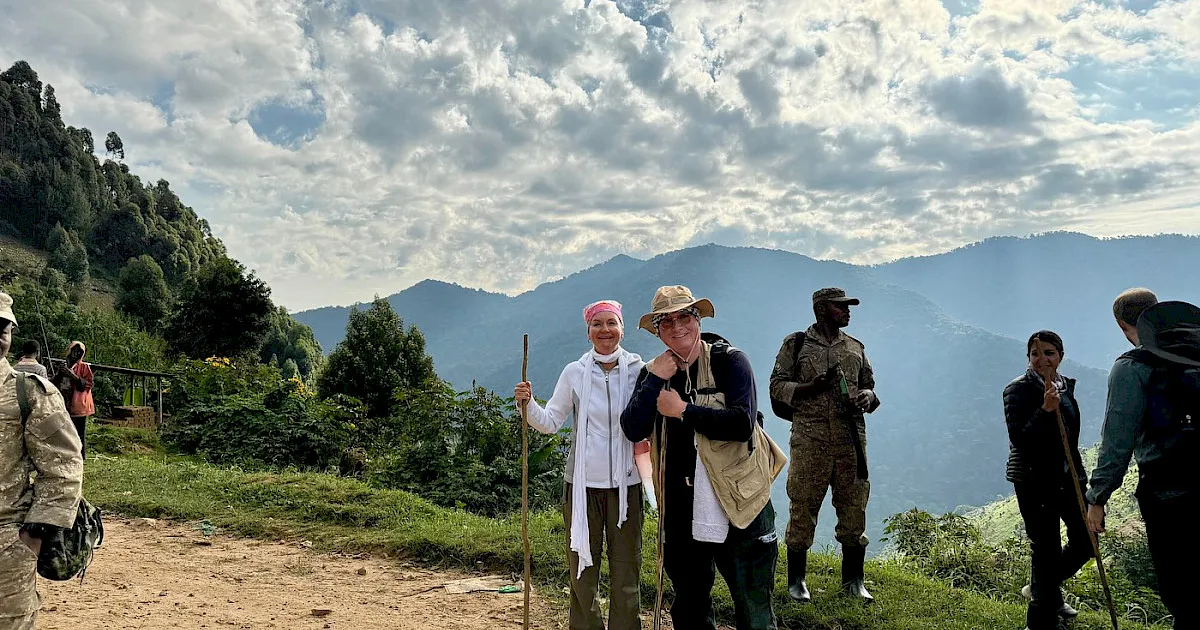
A budget gorilla trekking safari from USA should focus on intelligent cost control rather than removing essential services. The greatest savings usually come from choosing Uganda, traveling during a suitable lower-demand period, selecting modest but reliable accommodation, traveling with another person or small group and keeping the itinerary relatively focused. Travelers with flexible dates may also benefit from Uganda’s announced low-season gorilla permit arrangements when applicable.
Budget travelers should be cautious about itineraries that appear dramatically cheaper than every competing quotation. Gorilla permits have official prices, vehicles require fuel and maintenance, professional guides must be paid and accommodation has real operating costs. An unusually low quotation may exclude important services that will later need to be purchased separately. The correct question is not simply “Which safari is cheapest?” but “What exactly is included in this price?”
A well-designed affordable safari can still include private transportation, a knowledgeable driver-guide, a confirmed gorilla permit and comfortable accommodation. Travelers may save money by selecting simpler lodges or reducing unnecessary nights rather than compromising the reliability of the core safari arrangements.
Mid-Range Gorilla Trekking Safari Cost from USA
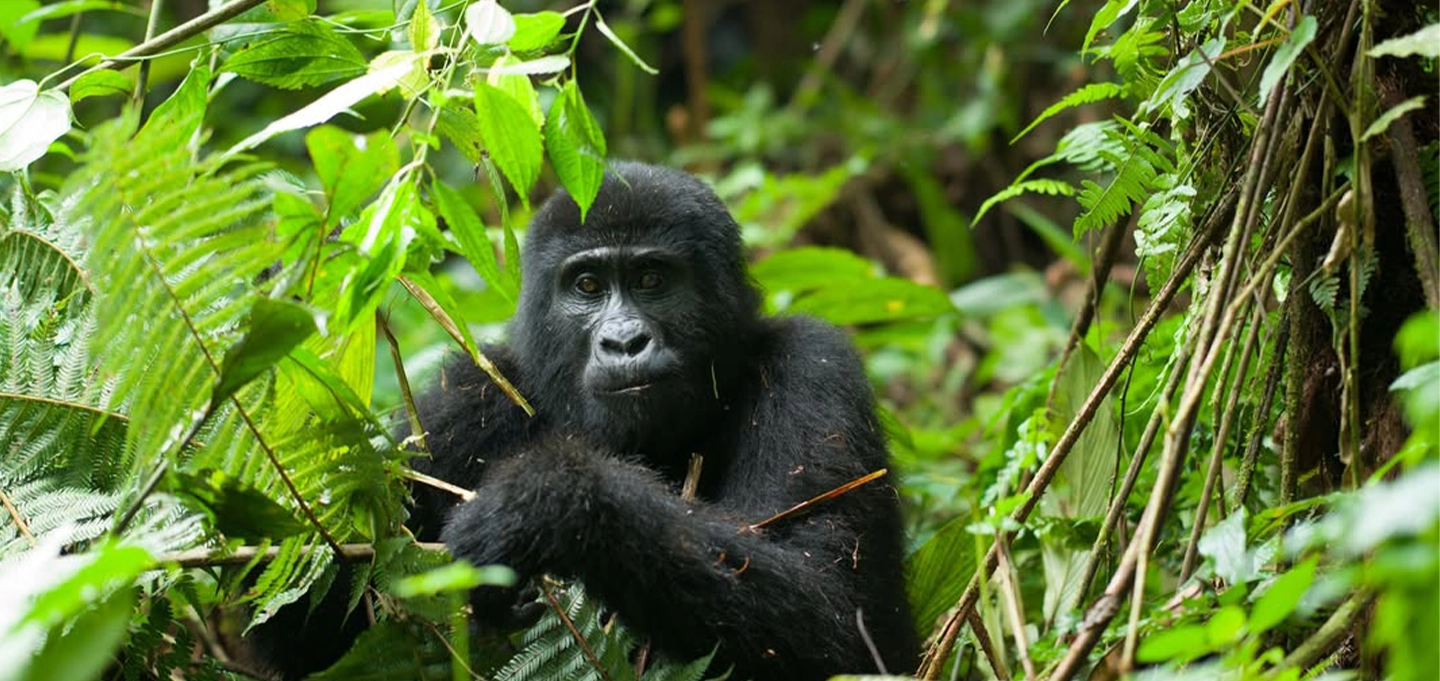
Mid-range safaris are often the best choice for American travelers who want comfort without paying for ultra-luxury accommodation. These itineraries typically use well-located lodges with private facilities and good meals, reliable private safari transportation and carefully planned transfers. The experience remains highly personalized, but the traveler avoids the premium associated with the most exclusive luxury properties.
A mid-range Uganda safari can provide particularly strong value because the lower gorilla permit cost leaves more room in the budget for additional safari days. Instead of flying across the Atlantic for a very short trek, travelers can potentially combine Bwindi with Queen Elizabeth National Park, Kibale or Lake Mburo, depending on the number of available days.
Mid-range Rwanda gorilla trekking will normally cost more because of the higher permit price, but travelers can control the total by selecting comfortable accommodation rather than the most exclusive Volcanoes properties. A shorter itinerary can also help reduce accommodation and transportation expenses.
Luxury Gorilla Trekking Safari Cost from USA
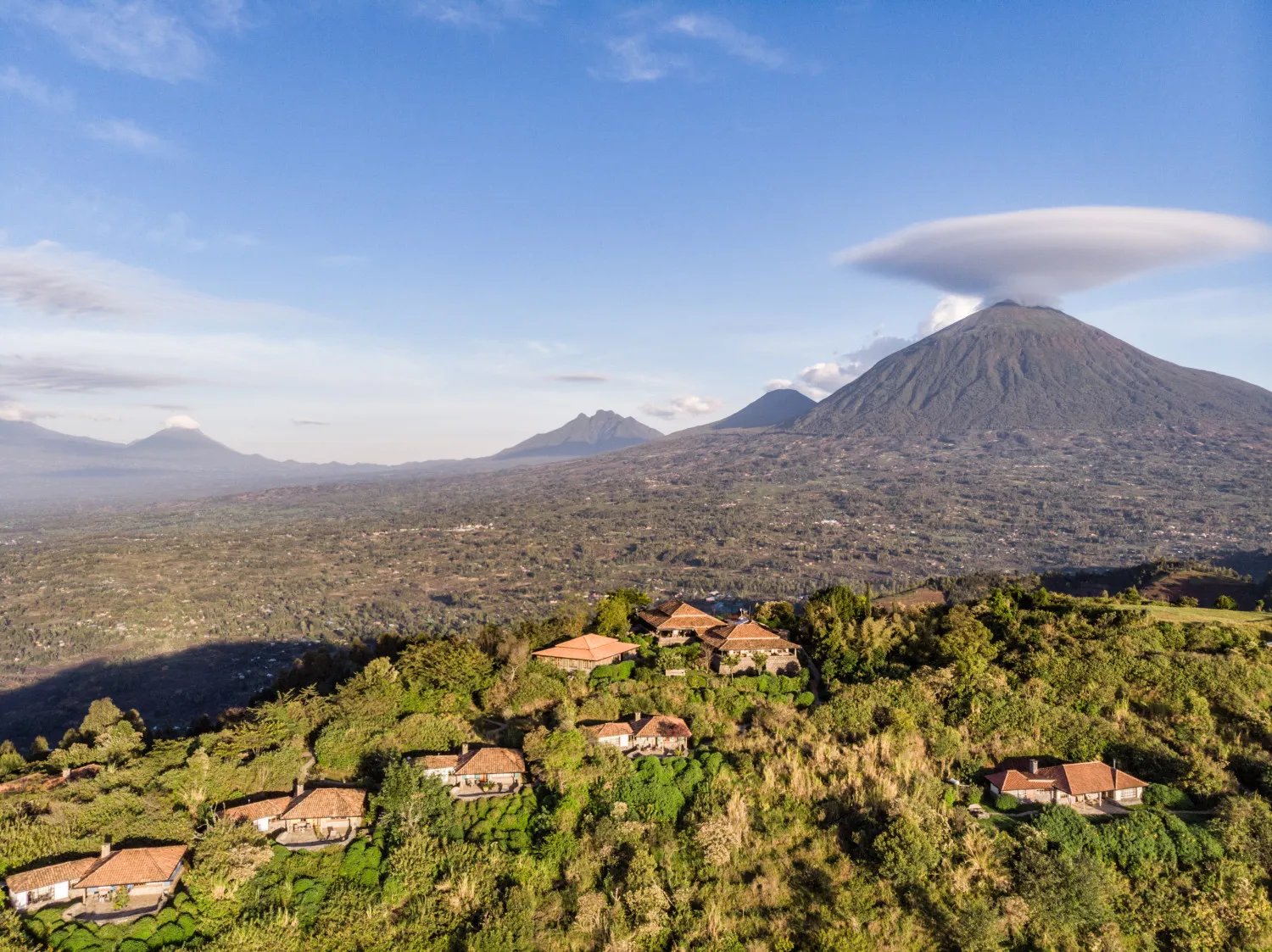
A luxury gorilla trekking safari from USA can be designed around premium accommodation, private transfers, domestic flights where appropriate, personalized guiding and a slower itinerary. There is no meaningful upper limit because some of East Africa’s most exclusive safari lodges can command very high nightly rates. Travelers at this level should focus on the experience they want rather than comparing trips only by total price.
Rwanda is particularly strong in the ultra-luxury gorilla market, making it popular among honeymooners, celebrities, photographers and travelers celebrating major occasions. A luxury Rwanda journey can combine sophisticated accommodation with a relatively short road transfer from Kigali and a carefully personalized schedule around Volcanoes National Park.
Uganda can deliver a different form of luxury. Travelers can combine premium Bwindi accommodation with domestic flights, private guiding and high-quality lodges across a longer wildlife circuit. This creates an experience that combines exclusivity with exploration, making Uganda particularly attractive to travelers who want luxury without sacrificing the feeling of an extended African safari.
How Much Will Your Gorilla Safari Actually Cost?
Your exact price depends on your dates, number of travelers, preferred accommodation and whether you want Uganda, Rwanda or both. Send us those details and we can build a personalized gorilla safari quotation rather than giving you a generic package that may not fit your trip.
How Group Size Changes Your Gorilla Safari Price
Group size has an important effect on per-person safari costs because some expenses can be shared while others cannot. Gorilla permits are charged individually, so traveling with four people does not reduce the permit cost per person. However, private vehicle, driver-guide and some transfer expenses can be distributed across the group, reducing the per-person cost compared with a solo traveler using the same vehicle.
Couples therefore often receive a lower per-person ground transportation cost than solo travelers, while small groups of four or six can gain additional economies. This is one reason travelers should provide an accurate group size when requesting a quotation. A safari price advertised “from” a certain amount may be based on four or more people and may not apply to a solo traveler.
Private groups can also provide greater flexibility. Families and groups of friends can coordinate accommodation preferences, photography stops and additional activities around shared interests. However, gorilla trekking groups themselves are controlled by the park authorities, and private safari transportation does not necessarily mean that the trekking group in the forest will consist only of your traveling party.
Solo Gorilla Trekking from USA Cost
Solo travel can be an exceptional way to experience Uganda or Rwanda, but the per-person price is usually higher because private transportation and guide costs are not shared. Accommodation can also include a single-room supplement depending on the property and pricing structure. The gorilla permit itself costs the same regardless of whether the traveler is alone or part of a couple.
Solo travelers should therefore compare the benefits of a private safari against opportunities to join selected departures where available. A private journey provides complete flexibility and personalized attention, while a shared trip can reduce certain costs. Travelers should also verify whether an advertised low price assumes double occupancy, because this is common within safari pricing.
Cost of Private Safari Transportation
Reliable ground transportation is essential on a gorilla trekking safari. The gorilla parks are located in mountainous regions, and itineraries may involve significant distances between destinations. A properly maintained safari vehicle and experienced driver-guide contribute directly to safety, comfort and the overall quality of the journey.
Transportation pricing depends on the number of safari days, route, vehicle type, fuel requirements and whether the itinerary begins and ends in the same country. A Kigali-Bwindi itinerary, for example, has different logistical requirements from a two-week Uganda circuit beginning and ending in Entebbe. Travelers should ensure that fuel, driver-guide expenses and cross-border requirements are clearly addressed in the quotation.
Attempting to reduce the safari price by using unsuitable transportation can be a false economy. Mountain roads, rural routes and long transfer days require reliable vehicles. A professional safari quotation should make transportation arrangements clear rather than presenting them as an unexplained miscellaneous charge.
Domestic Flights to Bwindi and the Cost of Saving Time
Travelers with a larger budget or limited vacation time can consider domestic flights within Uganda to reduce the amount of overland travel between Entebbe and the southwestern gorilla region. These flights can make a luxury or shorter Uganda itinerary much more efficient, particularly for visitors who do not want to spend a full day driving across the country.
The cost should be weighed against the time saved and the safari experiences that would otherwise occur along the road route. A traveler taking a longer Uganda circuit may not need to fly because the journey can naturally include Lake Mburo, Queen Elizabeth or other destinations. Someone visiting Uganda primarily for gorillas may value the domestic flight much more.
Travelers using light aircraft should check baggage restrictions carefully. International airline baggage allowances can be much more generous than those on smaller domestic aircraft, so packing should be planned around the most restrictive flight in the itinerary.
Meals and Drinks During a Gorilla Safari
Many safari lodges include meals within the accommodation package, particularly when located near national parks where independent dining options are limited. Travelers should confirm whether their itinerary is booked on bed-and-breakfast, half-board or full-board terms and whether lunches are included during transfer and trekking days.
Drinking water may be provided in the safari vehicle, while alcoholic beverages, specialty drinks and certain lodge services may be charged separately. These smaller expenses can accumulate during a longer journey, so travelers should understand the meal plan before departure.
On the gorilla trekking day, a packed lunch may be useful because the duration of the trek cannot be predicted precisely. Travelers should also carry sufficient drinking water and suitable snacks according to guidance from their lodge and safari team.
Porter Costs During Gorilla Trekking
Hiring a porter is one of the smaller expenses associated with gorilla trekking but can provide tremendous practical value. Porters can carry daypacks, water, cameras and other belongings while assisting trekkers on difficult sections of the trail. Even physically fit travelers often appreciate this support because the terrain can become steep, muddy or slippery.
The amount paid for porter services is small compared with the overall cost of traveling from the United States to East Africa, and the money provides direct economic benefits to people living around the conservation areas. Travelers should carry appropriate cash for porter services and gratuities based on the current local arrangements.
Tipping on a Gorilla Trekking Safari
Tipping is another expense American travelers should include in their safari budget. There is no reason to become anxious about exact amounts months before travel, but it is useful to set aside funds for driver-guides, lodge staff, porters and other service providers where tipping is appropriate. The amount can depend on service quality, group size and the length of the safari.
A safari operator can provide current tipping guidance before departure. Travelers should treat such figures as guidance rather than a mandatory service charge unless the itinerary specifically states otherwise. Having smaller denominations of appropriate currency can make tipping easier during the trip.
Visa and Entry Costs
Visa expenses should also be incorporated into the total cost of gorilla trekking from USA. Travelers entering only Uganda may use the appropriate Uganda visitor visa, while travelers combining participating East African countries may find the East Africa Tourist Visa more practical. The joint East Africa Tourist Visa is currently listed at US$100 and is valid for qualifying travel within Uganda, Rwanda and Kenya for up to 90 days under its conditions.
Travelers should apply only through official immigration systems and should check current visa fees immediately before applying. Third-party websites may add unnecessary service charges, increasing the total cost without providing a benefit to the safari itself.
Travel Insurance Cost
Travel insurance should be treated as part of the overall trip budget rather than an optional afterthought. Gorilla permits and certain safari services may have restrictive cancellation conditions, and international flights can also represent a substantial investment. Suitable travel insurance can provide financial protection depending on the terms of the policy.
The premium varies according to the traveler’s age, trip value, duration, residence and level of coverage. American travelers should compare policies carefully and confirm that planned safari activities are covered. The cheapest insurance policy is not necessarily the most appropriate if its exclusions make it ineffective for the type of journey being undertaken.
Additional Safari Activities That Increase the Cost
Many travelers decide that if they are flying all the way from the United States, they want to experience more than a single gorilla trek. Additional activities can substantially enrich the journey but should be included when establishing the initial budget. Uganda offers excellent opportunities for chimpanzee trekking, game drives, boat safaris, golden monkey trekking and cultural experiences. Rwanda can combine gorillas with golden monkeys, Akagera wildlife safaris, Nyungwe experiences, Lake Kivu and other activities.
Each additional experience may involve permit fees, park entrance fees, accommodation nights and transportation. A longer itinerary therefore costs more in absolute terms, but it can provide better value from the international journey because the traveler experiences far more of East Africa after paying for the long-haul flight.
Is It Worth Trekking Gorillas Twice?
Some travelers choose to purchase two gorilla permits and trek on separate days. This can be particularly rewarding for photographers, wildlife enthusiasts and visitors who consider gorillas the primary reason for traveling to Africa. Because every trek is different, the second experience may involve a different gorilla family, landscape, trek duration and pattern of behavior.
However, purchasing a second permit significantly increases the trip cost, especially in Rwanda. Travelers on a limited budget may receive more variety by spending that money on chimpanzee trekking or a wildlife safari instead. Serious gorilla enthusiasts may consider the additional permit one of the most worthwhile investments of the entire journey.
Uganda vs Rwanda Gorilla Safari Cost Comparison
| Cost Factor | Uganda | Rwanda |
|---|---|---|
| Standard Gorilla Permit | Generally lower for foreign non-residents; reconfirm for exact travel date | US$1,500 standard international visitor rate |
| 2026 Low-Season Opportunity | US$600 foreign non-resident rate announced for April, May and November 2026 | Standard international rate should be checked for applicable promotions or conditions |
| Road Transportation | Can be higher on short Entebbe-Bwindi itineraries because of distance | Volcanoes region is relatively convenient from Kigali |
| Accommodation Range | Budget, mid-range and luxury choices across several trekking sectors | Comfortable options plus a particularly strong premium luxury market |
| Best Value For | Longer wildlife and primate safaris | Short, convenient and premium gorilla trips |
| Potential Additional Cost | Longer road transfers or optional domestic flights | Higher gorilla permit cost and potentially premium lodge pricing |
How to Save Money on Gorilla Trekking from USA Without Ruining the Experience
The most effective way to save money is to make strategic decisions early. Traveling with another person can reduce shared transportation costs, choosing Uganda can reduce the permit component, selecting mid-range accommodation can provide excellent comfort without ultra-luxury rates and traveling outside the busiest periods can sometimes improve overall value. Travelers with flexible dates should also investigate any officially announced low-season permit rates applicable to their travel period.
Another strategy is to avoid unnecessary backtracking. A poorly designed itinerary can add extra driving days, accommodation nights and fuel costs without adding meaningful experiences. Choosing the correct arrival airport and arranging destinations in a logical geographical sequence can reduce both price and travel fatigue.
Booking everything independently is not automatically cheaper. Gorilla permits, trekking sectors, accommodation locations, border crossings and transfers need to work together. A small apparent saving on one reservation can create a larger expense elsewhere if the itinerary has not been coordinated correctly.
Why the Cheapest Gorilla Safari Is Not Always the Best Value
A gorilla safari involves a rare wildlife experience, significant international travel and considerable logistical coordination. Travelers should therefore evaluate value rather than price alone. A slightly more expensive itinerary may include a better vehicle, experienced guide, well-positioned lodge, realistic travel schedule and dependable permit arrangements. These details can have a much greater effect on the vacation than saving a relatively small amount on the initial quotation.
American travelers should ask for clarity about what is included. A professional quotation should explain whether gorilla permits, accommodation, meals, transportation, guide services, airport transfers and relevant park activities are included. Any significant exclusions should also be clearly identified. This allows travelers to compare different safari proposals on an equivalent basis.
Get a Personalized Gorilla Trekking Quote
There is no need to guess your safari cost. Tell us your preferred travel dates, number of travelers, approximate number of safari days and whether you prefer budget, mid-range or luxury accommodation. We can then create a personalized Uganda, Rwanda or combined gorilla safari proposal around your plans.
Tip: If you have already found international flights from the USA, include your expected arrival and departure dates so the ground itinerary can be designed around them.
How Much Should You Budget for Gorilla Trekking from USA?
The most realistic approach is to divide the budget into two major components: the cost of reaching East Africa and the cost of the safari once you arrive. International airfare can change substantially, so it is better to price flights using actual travel dates rather than relying on a generic figure from an article. The ground safari can then be calculated using the confirmed permit rate, number of nights, accommodation category, vehicle requirements and activities.
Travelers wanting the lowest practical gorilla trekking cost should begin by considering Uganda, particularly if their dates qualify for an applicable low-season permit rate. Travelers seeking the shortest possible itinerary should compare Rwanda and Kigali-based Uganda options. Those seeking a comprehensive once-in-a-lifetime African vacation should consider allocating a larger budget to a longer Uganda or Uganda-Rwanda safari rather than spending most of the journey’s cost on flights for only a few nights in Africa.
The goal should ultimately be to create a trip that feels worthwhile after traveling thousands of miles from the United States. Gorilla trekking is likely to be the centerpiece, but the quality of the guide, accommodation, route, pacing and additional wildlife experiences determines how memorable the complete journey becomes. Once travelers have established an approximate budget, the next important decision is when to travel. The following section will examine the best time for gorilla trekking from USA in 2026/2027, including the dry seasons, rainy seasons, permit availability, photography conditions, crowds, pricing considerations and the best months for combining gorillas with a wider African safari.
Best Time for Gorilla Trekking from USA in 2026/2027
The best time for gorilla trekking from USA depends on what matters most to you: easier trekking conditions, lower prices, fewer visitors, photography opportunities, wildlife combinations or the ability to travel during school and work vacation periods. Uganda and Rwanda can both be visited for gorilla trekking throughout the year because mountain gorillas remain in their natural habitats in every season.
However, rainfall, trail conditions, visitor numbers and accommodation demand can change considerably from one month to another. For most American travelers, the drier periods are often the easiest months for trekking because forest trails tend to be less muddy and road conditions can be more predictable. At the same time, the wetter months should not automatically be dismissed, especially for travelers looking for lower-season value, lush scenery and potentially greater flexibility in accommodation availability.
American travelers should also think about the season in relation to the entire safari rather than gorilla trekking alone. Someone planning only a short Rwanda gorilla trek may choose dates based mainly on trekking conditions and airfare, while a traveler combining Bwindi with Queen Elizabeth National Park, Kibale or other wildlife destinations may want a period that works well across several ecosystems. A traveler interested in photography may prefer lush green landscapes and softer light, while someone concerned about physical difficulty may prioritize drier trails. There is therefore no single month that is best for everyone, but understanding the advantages and disadvantages of each period can make it much easier to choose the right travel dates.
Gorilla Trekking from USA in January
January is a strong month for gorilla trekking in Uganda and Rwanda and is often considered part of a relatively dry period in the region. For American travelers looking for winter escape opportunities, this can be an excellent time to visit East Africa. Trekking conditions are often more manageable than during the wetter months, although mountain forests can still receive rain at any time. Travelers should never assume that the dry season means completely dry conditions because Bwindi and the Virunga region are tropical mountain environments where weather can change quickly.
January can be especially attractive for travelers who want to combine gorilla trekking with classic wildlife viewing. Roads are often easier to navigate, open savannah landscapes can provide rewarding game-viewing conditions and the overall safari can be structured comfortably across Uganda or Rwanda. Travelers should still book early if their dates are fixed because accommodation and gorilla permits can become limited during popular holiday periods extending from late December into early January.
Gorilla Trekking from USA in February
February is another excellent month for American travelers planning a gorilla safari. Conditions are often relatively dry, making forest trekking more comfortable compared with the peak rainy periods. The month can also work well for travelers who want to avoid the busiest Christmas and New Year travel window while still benefiting from favorable safari conditions.
For photographers, February can provide a strong balance between accessibility and green scenery. The forest remains dense and beautiful throughout the year, but clearer conditions can make the approach to the gorilla trekking area more predictable. Travelers planning Uganda and Rwanda together can also use February for a broader wildlife itinerary without facing the heavier rainfall commonly associated with later months.
Gorilla Trekking from USA in March
March generally marks a transition toward wetter conditions in parts of Uganda and Rwanda. Rainfall may become more frequent, and forest trails can begin to become softer and more slippery. However, this does not mean gorilla trekking becomes impossible or unattractive. Mountain gorillas continue to move and feed normally, and treks operate according to park conditions.
For travelers who are comfortable with variable weather, March can still be a rewarding time to visit. The landscape becomes increasingly green, visitor numbers may be lower than during the busiest dry-season months and accommodation availability can be better. American travelers with flexible schedules may also find that the overall safari feels more relaxed because popular lodges and trekking areas are not under the same level of demand.
Gorilla Trekking from USA in April
April is generally one of the wetter months for gorilla trekking in Uganda and Rwanda. Rain can occur frequently, trails can become muddy and the physical challenge of the trek may increase. For some travelers, this makes April less appealing, particularly if they are concerned about mobility or want the easiest possible walking conditions.
However, April can be extremely attractive for value-focused travelers. Lower visitor numbers may make accommodation easier to secure, and Uganda has introduced discounted low-season gorilla permit opportunities during April under its 2026 tariff arrangements for foreign non-residents. This can significantly reduce the cost of the gorilla component of the trip. Travelers who are prepared with waterproof clothing, good hiking footwear and a flexible attitude toward weather can still have an exceptional experience.
The forests are especially lush during the wetter season, creating rich green backgrounds for photography. Rain can also produce atmospheric mist over the mountains and valleys, giving the gorilla trekking landscape a dramatic appearance. The trade-off is that travelers need to accept muddier trails and potentially slower road conditions.
Gorilla Trekking from USA in May
May remains part of the wetter period and can provide some of the strongest value opportunities for Americans planning gorilla trekking from USA. As with April, travelers should expect the possibility of rain, muddy forest trails and cooler conditions in the mountains. However, gorilla trekking continues, and the experience remains just as powerful once the gorilla family is located.
Uganda’s 2026 low-season permit arrangement also includes May for foreign non-residents, making this month particularly interesting for travelers who want to reduce the permit cost. Couples and small groups can save substantially compared with peak-season travel, and those savings can potentially be used to extend the safari or upgrade accommodation.
May can be especially suitable for travelers who dislike crowded destinations and are comfortable with more adventurous conditions. The forests are intensely green, the atmosphere can be quiet and the entire safari may feel more private than during the most popular dry-season months.
Gorilla Trekking from USA in June
June is widely regarded as one of the best months for gorilla trekking because it generally marks the beginning of a drier period. Trail conditions tend to improve, road travel becomes easier and the month works extremely well for travelers combining gorilla trekking with traditional wildlife viewing. American travelers planning summer vacations often choose June because it aligns well with school breaks and longer annual vacation periods.
Demand can increase significantly, which means gorilla permits and high-quality lodges should be booked early. Travelers who wait until the final months before departure may find that their preferred trekking sector or accommodation is already unavailable. June is therefore a month where early planning becomes especially important.
For families traveling with eligible teenagers, June can also be practical because school schedules may make international travel easier. The minimum age for gorilla trekking remains important, so families should ensure that every participant meets the applicable age requirement before building the itinerary around the trek.
Gorilla Trekking from USA in July
July is one of the most popular months for gorilla trekking from USA because it falls within a generally dry period and coincides with summer vacation in the United States. Trekking conditions are often favorable, and the month is excellent for combining gorillas with wildlife safaris across Uganda or Rwanda. Travelers can experience forest trekking, game drives and scenic road journeys in relatively comfortable conditions.
The main disadvantage of July is demand. Gorilla permits, lodges and private safari vehicles can become heavily booked, particularly around popular trekking areas. Travelers planning a July gorilla safari should ideally begin preparations well in advance rather than waiting until international flights become expensive and permit availability becomes limited.
July is particularly suitable for first-time visitors who want reliable overall travel conditions and do not mind paying peak-season accommodation rates. It is also an excellent month for travelers combining gorilla trekking with other East African destinations.
Gorilla Trekking from USA in August
August is another excellent month for gorilla trekking and one of the most popular periods for American travelers. The generally drier conditions can make trekking more manageable, while wildlife viewing in other safari areas can also be highly rewarding. Because August is a major international travel month, demand can be strong across Uganda and Rwanda.
American travelers should book gorilla permits early if they want to travel in August. Accommodation around Bwindi and Volcanoes National Park can also become limited, especially at the most desirable mid-range and luxury properties. The month is therefore best suited to travelers who are able to commit to travel dates well in advance.
August can be especially attractive for travelers combining gorilla trekking with a longer East African safari because the overall conditions are generally favorable for road travel and wildlife activities. For visitors from warmer parts of the United States, the cool mountain mornings around Bwindi and Volcanoes National Park can also feel refreshing.
Gorilla Trekking from USA in September
September can provide an excellent balance between favorable trekking conditions and slightly reduced demand compared with July and August. The first part of the month can still feel similar to the main dry-season period, while rainfall may gradually increase as the month progresses depending on the year.
For travelers who are not restricted by school vacation schedules, September can be one of the best months to consider. It allows visitors to avoid some of the peak summer travel pressure while still enjoying strong safari conditions. Couples, honeymooners and retirees may find September especially attractive because accommodation availability can begin to improve.
Gorilla Trekking from USA in October
October generally moves toward wetter conditions, and travelers should expect an increased possibility of rain. Forest trails may become more slippery and trekking can feel more physically demanding. However, the month can still offer rewarding gorilla encounters and fewer visitors than the busiest dry-season periods.
October is suitable for travelers who value quieter safari environments and are prepared for changing weather. Good waterproof gear, sturdy hiking boots and appropriate trekking clothing become particularly important. Photography can also be excellent because the vegetation is green and atmospheric cloud cover can create softer light.
Gorilla Trekking from USA in November
November is one of the most interesting months for budget-conscious travelers considering Uganda gorilla trekking. Uganda’s 2026 low-season tariff arrangements include November, creating the possibility of reduced gorilla permit costs for foreign non-residents. This can make November especially attractive to Americans who want a lower-cost gorilla safari without compromising the actual wildlife encounter.
The trade-off is rain. November can experience wet conditions, and trails may be muddy. Travelers should expect a more adventurous trek and should take preparation seriously. Waterproof jackets, good footwear, gaiters where appropriate and porter assistance can make a substantial difference.
Because visitor numbers may be lower, November can also provide a quieter atmosphere around the gorilla parks. Travelers who prioritize solitude and value rather than perfect weather may find the month extremely rewarding.
Gorilla Trekking from USA in December
December is another popular period, particularly during the Christmas and New Year holiday season. Conditions can become relatively favorable as the month progresses, although tropical mountain weather remains unpredictable. American travelers who want to use holiday leave for a gorilla safari often choose late December, which increases demand for permits, accommodation and international flights.
Travelers planning a Christmas or New Year gorilla safari should book especially early because both airfares and safari services can become expensive or limited. A December trip can be extremely rewarding, but flexibility may be reduced once the most desirable dates are taken.
Not Sure Which Month Is Best for Your Gorilla Safari?
Tell us when you can travel, how many days you have and whether you prefer the best trekking conditions, lower-season value or a combination of gorillas and wildlife. We can help you choose the travel period that makes the most sense for your safari from the USA.
Dry Season vs Rainy Season for Gorilla Trekking
The dry season is generally the easiest period for trekking because trails tend to be firmer and road conditions more predictable. This can be particularly important for travelers who are concerned about physical difficulty, balance or mobility. June through August and parts of December through February are often favored for this reason, although rainfall can still occur because gorilla habitats are high-altitude tropical forests.
The rainy season offers a different type of experience. Trails can become muddy, but the forests are exceptionally green and visitor numbers may be lower. Accommodation can sometimes be easier to secure, and Uganda’s low-season permit pricing during selected months can make the trip significantly more affordable. Travelers who are prepared for wet weather should not assume that the rainy season produces a poor gorilla experience.
Mountain gorillas do not disappear during rain. They remain in the forest throughout the year, and trekking continues unless specific safety conditions require adjustments. The biggest difference is usually the comfort and physical difficulty of the approach rather than the quality of the gorilla encounter itself.
Best Time for Gorilla Trekking and Wildlife Safaris
Travelers combining gorillas with traditional wildlife viewing often prefer the drier months because animals in savannah parks may be easier to locate around water sources and the vegetation can be less dense. Uganda is especially suitable for this type of multi-experience itinerary because Bwindi can be combined with Queen Elizabeth National Park, Lake Mburo, Kibale and other destinations.
June, July, August and parts of January and February can therefore be particularly strong months for a comprehensive Uganda safari from USA. The traveler can experience mountain gorillas in the forest and then continue to game drives, boat safaris and chimpanzee trekking within the same journey.
Rwanda also works well for combined itineraries, with Volcanoes National Park pairing naturally with Akagera National Park and other destinations. Because Rwanda is geographically compact, travelers can experience several ecosystems without committing to very long road transfers.
Best Time for Gorilla Trekking Photography
There is no single perfect month for gorilla photography because different weather conditions create different visual opportunities. Drier months can make equipment handling easier and reduce the risk of heavy rain during the trek. Photographers may also find it easier to move through the forest when trails are less muddy.
Wetter months can produce spectacular green vegetation, mist and atmospheric light. Cloud cover can reduce harsh contrast and create softer conditions for photographing dark gorilla fur. The challenge is protecting cameras and lenses from moisture, so suitable rain covers and dry storage are important.
Photographers should also remember that flash photography is generally not permitted around gorillas. Fast lenses, appropriate ISO settings and good camera stability can therefore be valuable because forest light may be limited even during the dry season.
Best Time for Luxury Gorilla Trekking from USA
Luxury travelers can visit throughout the year, but the best period depends on whether they prioritize weather or privacy. Peak dry-season months provide easier trekking conditions but can also create stronger demand for premium lodges. Travelers who want specific luxury properties should book early for June, July, August and the Christmas period.
Shoulder and wetter months can provide a more private atmosphere, with fewer visitors and potentially greater lodge availability. For honeymooners or couples seeking quiet surroundings, this can be attractive even if the weather is less predictable.
Best Time for Senior Travelers
Senior travelers who are concerned about trekking difficulty may prefer the drier months because the trails can be less slippery. However, physical preparation, porter assistance and realistic itinerary pacing remain more important than the month alone. Even during the dry season, rain can fall unexpectedly in the mountains.
Senior travelers should also consider avoiding a schedule that places the gorilla trek immediately after the long flight from the United States. Allowing recovery time can make the experience much more comfortable. A slower itinerary with additional nights around the trekking region can be especially helpful.
Best Time for Honeymoon Gorilla Safaris
Honeymooners often prefer June through September or December through February because the generally drier conditions make it easier to combine gorilla trekking with luxury lodge stays, scenic excursions and other safari activities. Rwanda is especially popular for premium honeymoon gorilla travel, while Uganda provides excellent opportunities for couples who want a longer adventure combining gorillas with wildlife.
Couples seeking better value and greater privacy may consider March, April, May, October or November. These months require more flexibility with weather, but the quieter atmosphere can make the safari feel more intimate.
Best Time to Combine Uganda and Rwanda
A combined Uganda and Rwanda gorilla safari can be taken throughout the year, but the drier months generally make cross-border road travel more comfortable. June through September and parts of December through February are particularly attractive for travelers wanting to move between several destinations.
Travelers considering the wetter months should allow more flexibility in the itinerary because road travel can occasionally take longer. The advantage is that the overall experience can feel less crowded and accommodation availability may improve.
When Should Americans Book Gorilla Permits?
Travelers planning peak-season gorilla trekking should book permits as early as practical because availability is limited. This is especially important for July, August, December and other popular travel periods. The earlier the trekking date is secured, the easier it becomes to coordinate accommodation and international flights.
Travelers using specific holiday dates have even less flexibility because international airfare and lodge availability can also become constrained. Booking early does not necessarily mean paying for every component immediately, but the gorilla permit should be treated as one of the first confirmed elements of the safari.
Does Rain Ruin Gorilla Trekking?
Rain can make gorilla trekking more challenging, but it does not automatically ruin the experience. In many cases, rain lasts for a period and then clears, while the forest remains beautifully atmospheric. The most important factor is preparation. Waterproof clothing, sturdy hiking boots, long trousers and porter assistance can make wet conditions much easier to manage.
Travelers should also protect phones, cameras and important belongings inside waterproof bags or covers. A lightweight rain jacket that can be removed easily is preferable to heavy clothing that becomes uncomfortable while hiking.
What Is the Cheapest Time for Gorilla Trekking from USA?
The cheapest period is often associated with the wetter, lower-demand months because accommodation can be more competitive and Uganda may offer officially announced low-season gorilla permit rates during selected periods. For 2026, Uganda’s discounted foreign non-resident gorilla permit arrangement applies in April, May and November, making these months particularly attractive for cost-conscious travelers.
International airfare can also influence the total trip price significantly. Americans should therefore compare both safari-season pricing and flight prices before deciding which month is cheapest overall. A lower permit price may be offset by unusually expensive airfare if the dates coincide with a busy international travel period.
What Is the Best Month Overall for Gorilla Trekking from USA?
If the priority is favorable trekking conditions and a broader wildlife safari, June, July, August and September are among the strongest months to consider. January and February can also provide excellent conditions while allowing travelers to escape the North American winter. These periods are especially suitable for first-time visitors who want to reduce the likelihood of very muddy trekking conditions.
If value is the priority, April, May and November deserve serious consideration, particularly for Uganda. Travelers should accept a greater chance of rain but can potentially benefit from lower permit costs and fewer visitors. September can be a particularly attractive compromise for travelers who want relatively favorable conditions without the intensity of the peak summer travel period.
How to Choose Your 2026/2027 Gorilla Trekking Dates
The best strategy is to begin with your available vacation period and then compare weather, permit availability, international airfare and the other experiences you want to include. Travelers should avoid selecting a month based on weather alone because the difference between a good and disappointing safari often comes down to itinerary design rather than climate.
If you are flexible, decide whether you value easier trekking, lower cost, fewer visitors or the best combination of gorillas and wildlife. If your dates are fixed by school holidays or work leave, focus instead on securing permits early and preparing appropriately for the expected conditions.
Once the travel period has been chosen, the next major question is what the actual gorilla trekking day involves. American travelers often want to know how difficult the walk is, how long it can take, what happens during the ranger briefing, how close visitors get to the gorillas, what photography rules apply and what they should expect when the gorilla family is finally located. The next section will therefore explain what to expect during a gorilla trekking experience in Uganda or Rwanda from the moment you arrive at the park headquarters until the trek is completed.
What to Expect During Gorilla Trekking in Uganda or Rwanda
Knowing what to expect during gorilla trekking can make the experience far less intimidating for travelers coming from the United States. The day normally begins early, with visitors traveling from their lodge to the designated park meeting point for registration, briefing and group allocation. The atmosphere is usually a mixture of excitement and nervous anticipation because no two gorilla treks are exactly the same.
Some travelers may locate their assigned gorilla family relatively quickly, while others may walk for several hours through steep forest, thick vegetation or muddy terrain before the encounter begins. This unpredictability is one of the reasons gorilla trekking feels authentic. The animals are not kept in a fixed viewing area, and the ranger teams must follow their movements through natural habitat.
American travelers should understand that gorilla trekking is not a conventional game drive and should not expect to remain inside a vehicle for most of the experience. The trek involves walking through mountain forest and occasionally crossing uneven, slippery or steep terrain. Physical difficulty can vary significantly depending on the trekking sector, recent weather and the location of the gorilla family on that particular day. A traveler who prepares for several hours of hiking is far more likely to enjoy the experience than someone who assumes the walk will always be short and easy.
Arrival at the Gorilla Trekking Meeting Point
The trekking day normally begins at the park’s designated briefing area. Travelers are expected to arrive with the required permit documentation and any personal equipment they will carry into the forest. Park officials explain the rules of the trek, expected behavior around gorillas, safety considerations and the general structure of the experience. Visitors are then allocated to trekking groups and introduced to the ranger team that will accompany them into the forest.
This briefing is important because gorillas are wild animals and visitor behavior must be carefully controlled. Travelers should listen closely even if they have already read about the rules online. Conditions in the forest can change, and rangers may give additional instructions based on the specific gorilla family or trail conditions that day.
How Gorilla Trekking Groups Are Organized
Visitors are normally divided into small groups for each habituated gorilla family. Group allocation can take several factors into account, including trekking availability and sometimes the general fitness or mobility of participants, although travelers should not assume that a short or easy trek can be guaranteed. The gorillas may have moved considerably since the previous day, which means the route required to find them can change even within the same sector.
Travelers with concerns about mobility should communicate those concerns clearly during planning and again during the briefing. Older travelers or anyone recovering from injury may benefit from a porter and a slower pace. The ranger team is experienced in guiding visitors with different levels of fitness, but every traveler remains responsible for being physically prepared for a potentially demanding walk.
How Long Does Gorilla Trekking Take?
The total duration of a gorilla trek can vary greatly. Some groups may locate their assigned gorillas after a relatively short walk, while others may spend several hours hiking before reaching them. The return journey can also take time depending on the terrain and distance covered. For this reason, travelers should keep the entire day available for gorilla trekking rather than scheduling another major activity immediately afterward.
It is better to approach the day with flexibility than to focus on a fixed timetable. The unpredictability is part of the adventure and often contributes to the sense of achievement once the gorillas are finally located. Travelers should carry enough water, suitable snacks and appropriate clothing for several hours outdoors.
How Difficult Is Gorilla Trekking?
Gorilla trekking can range from moderate to physically demanding. The challenge depends on slope, trail condition, altitude, weather and the distance required to reach the gorillas. Bwindi is particularly known for steep and densely forested terrain, while Volcanoes National Park and Mgahinga also involve high-altitude mountain landscapes. A traveler who exercises regularly and is comfortable walking for several hours generally has a significant advantage.
However, travelers do not need to be elite athletes. Reasonable preparation, sensible pacing and porter assistance can make the experience manageable for many people. Walking, hiking or using stair workouts in the weeks before departure can help improve stamina and leg strength. Travelers should also wear proper hiking boots rather than casual sneakers because muddy or uneven trails can make poor footwear uncomfortable and unsafe.
Using a Porter During Gorilla Trekking
Hiring a porter is one of the most practical decisions travelers can make. A porter can carry a backpack, water, camera equipment and other personal items, allowing the traveler to move more freely through difficult terrain. Porters can also provide a steadying hand on steep slopes or slippery sections of trail.
Even fit travelers often appreciate this support, particularly when carrying photography equipment. The cost is small compared with the overall safari, and the service provides direct income to people from communities near the parks. For many visitors, hiring a porter improves both comfort and the social impact of the trek.
What Happens When the Gorilla Family Is Located?
The moment the gorillas are found is usually the emotional highlight of the entire safari. The ranger team will normally ask visitors to prepare their cameras, leave unnecessary belongings behind where appropriate and follow instructions carefully before approaching the gorilla family. The atmosphere often becomes quieter as the group enters the immediate viewing area.
Visitors then observe the gorillas at close range under the supervision of the rangers. You may see a silverback resting nearby, mothers carrying infants, juveniles climbing through vegetation or members of the family feeding quietly. The exact behavior is unpredictable, which means every encounter is different. Some gorillas may remain relatively still while others move continuously through the vegetation.
How Close Do You Get to Mountain Gorillas?
Visitors are expected to maintain the official minimum viewing distance specified by park authorities, although the gorillas themselves may occasionally move closer. If this happens, travelers should remain calm and follow ranger instructions rather than attempting to move suddenly or touch the animals. The rules exist to reduce stress and lower the risk of disease transmission between humans and gorillas.
This close proximity is one of the reasons the experience feels so powerful. Seeing the size and expression of a silverback at close range is completely different from observing wildlife from a vehicle or through a screen. The encounter can feel intensely personal even though strict conservation rules remain in place throughout.
How Long Do You Spend with the Gorillas?
Standard gorilla trekking permits normally provide a limited viewing period once the assigned gorilla family has been located. Travelers should use this time thoughtfully rather than spending every second looking through a camera. Photography is important for many visitors, but the experience itself is often most memorable when travelers take time to observe the gorillas directly.
The ranger team manages the viewing period and will indicate when the group should begin moving away. Because the gorillas remain wild animals, visitors should respect the time limit and all instructions even when the encounter feels too short.
Photography During Gorilla Trekking
Gorilla trekking offers extraordinary photography opportunities, but the forest environment can be technically challenging. Light can be limited beneath dense vegetation, gorillas may move unpredictably and rain or mist can appear quickly. Travelers should know their camera settings before entering the forest rather than learning them during the encounter.
Flash photography is generally not permitted because it can disturb the gorillas. A camera capable of handling higher ISO settings and a reasonably fast lens can be extremely useful. Travelers using smartphones can also capture excellent images, especially when light conditions are favorable. Protective covers should be carried for all camera equipment because rain can begin with little warning.
Can You Use a Phone for Gorilla Photography?
Yes. Modern smartphones can produce very good gorilla photographs and videos, particularly at close range and in reasonable light. Travelers should ensure the phone is fully charged and has sufficient storage space before beginning the trek. A waterproof pouch or protective case is also useful because forest conditions can be wet.
Visitors should avoid focusing entirely on recording video. The encounter is limited, and spending the entire viewing period staring at a screen can reduce the emotional impact of the experience. A few strong photographs and short clips are often more valuable than hundreds of rushed images.
Can Gorillas Touch You?
Travelers should never attempt to touch a gorilla. These are wild animals and physical contact is not permitted. However, gorillas may occasionally move very close to visitors or pass through the viewing area. If this happens, the correct response is to remain calm and follow the instructions of the ranger team.
Visitors should not reach toward the animal, make sudden movements or attempt to reposition themselves for a photograph. The gorillas’ behavior should always determine the space around the encounter, and ranger instructions take priority over photography.
Are Mountain Gorillas Dangerous?
Mountain gorillas are powerful wild animals, but the habituated families visited by tourists have become accustomed to the controlled presence of humans. Habituation does not make them tame. A silverback remains an extremely strong animal capable of defending the group if threatened, which is why visitor behavior is strictly regulated.
Rangers are trained to interpret gorilla behavior and manage the encounter. Travelers should therefore avoid making sudden movements, direct challenges or unnecessary noise. Following instructions is the most important safety measure.
What If a Gorilla Charges?
Displays such as chest beating or brief charges can occur because they are part of natural gorilla behavior. If a gorilla displays or moves quickly toward the group, travelers should not run. The ranger team will instruct visitors how to respond, which may involve remaining still, lowering the body or avoiding direct eye contact.
Running can create unnecessary risk and should be avoided. Visitors should trust the ranger team, remain calm and remember that many displays are communicative rather than attacks.
What Should You Wear for Gorilla Trekking?
Proper clothing makes a major difference. Long trekking trousers protect the legs from vegetation and insects, while a lightweight long-sleeved shirt provides additional protection. Waterproof hiking boots with good grip are strongly recommended, especially during wetter months. Travelers should also carry a lightweight rain jacket because showers can occur even during the dry season.
Gardening-style gloves can be surprisingly useful because trekkers may occasionally need to hold onto vegetation for balance. Gaiters can also help keep mud, water and debris away from the lower legs and boots. Clothing should be comfortable and practical rather than fashionable.
What Should You Carry in Your Daypack?
A small daypack should contain drinking water, light snacks, rain protection, camera equipment, spare batteries, personal medication, sunscreen and any essential items recommended by the safari team. Travelers should avoid overpacking because every extra item adds weight during the trek.
Documents and electronics should be protected inside waterproof bags or pouches. Travelers who hire a porter can place most of the weight with the porter while keeping immediate essentials such as a phone or small camera accessible.
Want a Gorilla Trek Designed Around Your Comfort Level?
Tell us your age range, preferred safari style and whether you have any concerns about long walks or steep terrain. We can recommend the destination, itinerary pacing and accommodation style that best match your needs.
What Happens If It Rains During the Trek?
Rain is a normal part of mountain forest conditions. Treks usually continue unless the park authorities determine that conditions are unsafe. Rain can make trails slippery and can increase the physical effort required, but it can also create some of the most atmospheric forest scenery.
Travelers should put on rain protection early rather than waiting until clothing and equipment are already wet. Camera gear should be covered quickly, and walkers should slow down on steep sections. A porter can be especially valuable when the ground becomes slippery.
What Happens If the Gorillas Are Far Away?
The trek may become longer and more demanding if the gorillas have moved deeper into the forest. Trackers normally begin gathering information before visitors start walking and continue communicating during the trek to locate the family as efficiently as possible. However, there is no fixed distance because the gorillas move freely.
This is why travelers should prepare mentally for a full adventure rather than expecting a short walk. The effort often makes the encounter feel even more rewarding once the gorillas are found.
Can You Fail to See the Gorillas?
Gorilla trekking has a very high success rate in established trekking areas because trackers monitor habituated families carefully. However, wildlife can never be guaranteed in exactly the same way as a staged attraction. Weather, animal movement and other natural factors can influence the day.
Travelers should book through a properly organized safari, arrive on time and follow all park procedures. These steps give the best possible chance of a successful encounter.
How Physically Fit Should You Be?
A moderate level of fitness is helpful. Travelers should be comfortable walking for several hours and should ideally prepare by taking regular walks, climbing stairs or hiking before departure. Anyone with mobility or health concerns should seek appropriate medical advice before planning the trek.
The goal is not to become an athlete but to reduce fatigue and improve confidence on uneven terrain. Even a few weeks of regular walking before the safari can make a noticeable difference.
Can Senior Travelers Go Gorilla Trekking?
Yes, many senior travelers successfully complete gorilla treks. The most important factors are individual health, mobility, balance and stamina rather than age alone. Older travelers should choose a comfortably paced itinerary and avoid scheduling the trek immediately after the long flight from the USA.
Porters can provide significant support, and accommodation close to the correct trekking area can reduce unnecessary early-morning travel. The safari should be designed around the traveler’s comfort rather than forcing everyone into the same schedule.
Can Teenagers Go Gorilla Trekking?
Gorilla trekking is subject to a minimum age requirement, and families should verify the current rule before booking. Travelers with younger children should plan alternative activities and suitable supervision for those who cannot participate.
Families with eligible teenagers can find gorilla trekking an extraordinary shared experience, but young participants should understand the importance of remaining quiet, following ranger instructions and behaving calmly around wildlife.
What Happens After the Gorilla Encounter?
Once the viewing period ends, the group begins walking back through the forest. Depending on the distance traveled, the return journey may be relatively short or may require substantial additional hiking. Travelers often feel a mixture of excitement, relief and exhaustion after the experience.
Back at the starting area, there may be an opportunity to reflect on the trek, meet the guide team again and continue toward the lodge. The remainder of the day is best kept relatively relaxed. Many travelers prefer to return to the lodge, have a meal, review photographs and rest rather than schedule another physically demanding activity.
Should You Trek Gorillas Once or Twice?
For most first-time travelers, one gorilla trek provides a remarkable experience. However, serious photographers and primate enthusiasts may want to trek on two separate days. A second trek can involve a different gorilla family, different terrain and completely different behavior, making it much more than a repeat of the first experience.
The main consideration is cost, because every additional trek requires another permit. Travelers should compare the value of a second gorilla trek with other possible activities such as chimpanzee trekking, golden monkey trekking or a wildlife safari.
What Makes Gorilla Trekking So Emotional?
Many travelers are surprised by the emotional impact of the encounter. After months of planning, long international flights and hours of walking through the forest, finally seeing a mountain gorilla at close range can feel intensely personal. Their facial expressions, family interactions and calm presence are often more powerful than visitors expect.
The knowledge that mountain gorillas survive within a limited natural range also adds significance to the experience. Gorilla tourism plays an important role in conservation and local economies, which means the trek represents more than a wildlife photograph. It connects tourism, habitat protection and community livelihoods in a very direct way.
How to Make the Most of Your Gorilla Trekking Day
The best approach is to arrive prepared, flexible and patient. Wear appropriate clothing, carry only necessary equipment, hire a porter, listen carefully to the rangers and avoid becoming obsessed with how long the trek might take. The experience is unpredictable by nature, and that uncertainty is part of what makes it special.
When the gorillas are finally located, take photographs but also give yourself time to simply watch them. Pay attention to the sound of the forest, the movements of the family and the behavior of the silverback. These small details often become the memories travelers value most after returning home.
After understanding what the trekking day is actually like, the next major planning question is what to pack. The following section will therefore explain what to pack for gorilla trekking from USA, including clothing, hiking boots, rain gear, camera equipment, medications, travel documents, daypack essentials and what American travelers should leave at home.
What to Pack for Gorilla Trekking from USA
Packing correctly for gorilla trekking from USA can make the difference between a comfortable, enjoyable trek and a frustrating day in the forest. American travelers should prepare for a combination of long international flights, changing temperatures, tropical mountain weather, muddy trails, strong sun, cool mornings and humid forest conditions. The goal is not to carry as much as possible but to bring the right items for the trek while keeping luggage manageable for safari vehicles and any domestic flights. Gorilla trekking takes place in mountainous forest environments where conditions can change quickly, so clothing should be practical, lightweight, protective and easy to layer.
Travelers should also think about packing in two separate ways: what they need for the overall East African safari and what they need specifically in the daypack during the gorilla trek. Large suitcases can remain at the lodge, while the forest trek should be completed with a relatively small daypack containing only essential items. This approach reduces fatigue and makes it easier to move through narrow trails, steep slopes and dense vegetation. American travelers who are used to bringing large luggage for international vacations often benefit from packing more lightly than they would for a conventional city trip.
Best Clothing for Gorilla Trekking
Long trousers are one of the most important clothing items for gorilla trekking. The forest contains vegetation, insects and occasionally muddy or thorny sections, so exposing the legs is generally not advisable. Lightweight trekking trousers that dry quickly are preferable to heavy jeans because denim can become uncomfortable when wet and may take a long time to dry. Neutral or earthy colors are practical because they do not show mud as easily and blend naturally into the safari environment.
A lightweight long-sleeved shirt is equally useful. Long sleeves protect the arms from vegetation, insects and sun while remaining comfortable in humid conditions. Moisture-wicking fabrics are particularly practical because they dry quickly after rain or perspiration. Travelers should avoid very heavy cotton clothing for the trek because it can remain damp for long periods.
Best Hiking Boots for Gorilla Trekking
Good hiking boots are one of the most important investments for a gorilla trekking safari. The ideal footwear should provide ankle support, strong grip and protection from mud and moisture. Waterproof or water-resistant hiking boots are especially useful during the rainy season, but they are also valuable in drier months because forest trails can remain damp.
Travelers should never purchase new trekking boots immediately before flying to Africa. Boots should be worn several times before departure so the traveler knows they fit comfortably and do not create pressure points or blisters. Walking several miles in the same boots before the safari is one of the simplest ways to prepare for the trek.
Regular running shoes or fashion sneakers may be comfortable on paved surfaces, but they generally provide less grip and ankle protection on muddy forest slopes. American travelers should therefore prioritize trekking functionality over appearance.
Should You Bring Gaiters?
Gaiters can be extremely useful because they cover the lower part of the leg and the top of the boot, helping to prevent mud, water, insects and debris from entering footwear. They are especially valuable during wet months but can be useful throughout the year.
Travelers who do not own gaiters do not necessarily need to purchase the most expensive technical model. Lightweight hiking gaiters that fit comfortably over trekking boots are generally sufficient for gorilla trekking. They take up little luggage space and can significantly improve comfort during a muddy trek.
Why Gardening Gloves Are Useful
A simple pair of durable gardening gloves can be surprisingly valuable during gorilla trekking. Trekkers may need to hold branches, vines or vegetation for balance while climbing or descending steep sections. Gloves protect the hands from rough plants, mud and minor scratches.
Heavy winter gloves are unnecessary. The best option is a lightweight pair with good grip that can tolerate moisture and dirt. Because they are inexpensive and compact, they are easy to add to the packing list without taking up significant luggage space.
Rain Jacket and Waterproof Protection
Rain is possible at any time in the mountain forests, even during months considered relatively dry. A lightweight waterproof or water-resistant rain jacket should therefore be carried on every trek. The jacket should be easy to pack into the daypack and quick to put on if weather changes suddenly.
Heavy insulated raincoats can become uncomfortable during physical activity because they trap heat. A lightweight shell layered over breathable clothing is generally more practical. Travelers should also protect cameras, phones and important documents with waterproof pouches or dry bags.
Warm Layers for Cool Mornings and Evenings
The gorilla trekking areas are located at relatively high elevation, and mornings and evenings can feel cooler than many American travelers expect from an African destination. A lightweight fleece, sweater or warm layer can be useful around the lodge and during early morning transfers.
Layers are better than one heavy jacket because temperatures can rise quickly once the trek begins. Travelers can remove outer layers and place them in the daypack as they become warmer.
Best Socks for Gorilla Trekking
Quality hiking socks help prevent blisters and improve comfort during several hours of walking. Moisture-wicking socks are preferable to thin everyday cotton socks because they manage perspiration more effectively and provide additional cushioning inside the boot.
Travelers should carry at least one spare pair in their luggage because socks can become muddy or wet after a trek. Some visitors also prefer wearing longer socks that can be pulled over the bottom of the trekking trousers for additional protection.
What to Carry in Your Gorilla Trekking Daypack
The daypack should remain relatively light. Essential items include drinking water, light snacks, a rain jacket, camera or phone, spare batteries, personal medication, waterproof protection for electronics, sunscreen and any small personal items required during the trek. Travelers should avoid filling the bag with unnecessary clothing, large guidebooks or heavy equipment that will not be used.
A porter can carry the daypack, but keeping the weight reasonable still makes the overall trek easier. Items that need immediate access, such as a phone or camera, can be kept in a small secure pocket or accessible section of the pack.
How Much Water Should You Carry?
Gorilla trekking can involve several hours of walking, so hydration is important. Travelers should carry sufficient drinking water for the expected conditions and follow guidance from the safari operator or lodge. The exact quantity depends on personal needs, weather and the anticipated length of the trek.
Reusable water bottles can be practical and environmentally responsible. Travelers should confirm whether drinking water will be provided by the safari company so they know what containers to bring.
Best Snacks for Gorilla Trekking
Lightweight energy-rich snacks are useful because the duration of the trek cannot be predicted. Energy bars, nuts, dried fruit or similar foods can provide quick energy without adding much weight to the daypack. Travelers should avoid foods that melt easily or create excessive packaging waste.
Depending on the lodge and itinerary, a packed lunch may also be provided. Travelers should follow ranger instructions regarding where and when food can be consumed because eating near gorillas is not appropriate.
Camera Equipment for Gorilla Trekking
Photography equipment should be selected carefully because every extra lens adds weight. A versatile camera body with one or two lenses is usually more practical than carrying an extensive professional kit. Travelers should consider the forest environment, where light can be limited and subjects may be relatively close.
A medium telephoto or versatile zoom can work well, while photographers who want high-quality portraits may prefer a faster lens that performs well in low light. The best setup depends on the camera system and personal photography style. Travelers should be familiar with their equipment before the trek rather than learning controls during the encounter.
Should You Bring a Tripod?
A full-size tripod is usually impractical for standard gorilla trekking because the viewing period is limited, the forest can be crowded and the gorillas may move frequently. Carrying a large tripod also adds unnecessary weight during the hike.
Photographers who require additional stability may consider a lightweight monopod if permitted and practical, but many travelers rely on image stabilization and appropriate camera settings instead. Simplicity is usually better in the forest.
Phone Photography and Power Banks
Travelers using smartphones should ensure the device has enough battery and storage capacity before leaving the lodge. Taking photographs and video can drain batteries quickly, particularly in cooler conditions or when using the camera continuously.
A compact power bank can be useful, especially during longer safari days, but travelers should check airline regulations regarding lithium batteries and carry them appropriately during flights. Charging devices every evening at the lodge is also important.
Binoculars for a Gorilla Safari
Binoculars are not essential for viewing the gorillas because the encounter occurs at relatively close range, but they can be valuable throughout the broader safari. Birdwatching, game drives and scenic wildlife observation become much more rewarding with a good pair of lightweight binoculars.
Travelers combining gorillas with Queen Elizabeth, Akagera, Murchison Falls or other wildlife destinations should strongly consider bringing binoculars. Compact models are easier to carry than large professional optics.
Sunscreen, Hat and Sunglasses
Although much of the gorilla trek takes place under forest canopy, travelers may spend time in open areas during transfers and other safari activities. Sunscreen, a lightweight hat and sunglasses are therefore useful throughout the journey.
Travelers should choose items that are easy to pack and comfortable in changing conditions. A wide-brimmed hat can provide excellent sun protection, but it should not interfere with movement through dense forest.
Insect Repellent
Insect repellent is a useful addition to the packing list, particularly for evenings, forest environments and areas near water. Travelers should choose a reliable repellent suitable for tropical travel and follow the product instructions carefully.
Long sleeves and long trousers also provide valuable physical protection against insects, which is another reason appropriate trekking clothing matters.
Planning Your First Gorilla Safari from USA?
Tell us your travel dates and whether you are trekking in Uganda, Rwanda or both. We can help you prepare for the route, weather and trekking conditions while organizing your permits, accommodation and private safari transportation.
Personal Medication and Prescription Items
Travelers should bring enough prescription medication for the entire safari, ideally with a small additional supply in case of travel disruption. Essential medication should be carried in hand luggage rather than checked baggage so it remains accessible if a suitcase is delayed.
Medication should remain in clearly labeled packaging, and travelers who use important prescriptions may wish to carry supporting documentation. Anyone with specific medical concerns should seek appropriate professional advice before traveling.
Basic First-Aid Items
A small personal first-aid kit can include adhesive bandages, blister treatment, antiseptic wipes and other basic items the traveler normally uses. The safari company or lodge may also carry emergency supplies, but travelers should have personal essentials readily available.
Blister prevention is particularly important because uncomfortable feet can make a long trek much more difficult. Wearing properly broken-in hiking boots and quality socks remains the best prevention.
Travel Documents to Pack
Travelers should keep passports, visa documentation, flight details, safari itinerary, travel insurance information and emergency contacts accessible throughout the journey. Copies should be stored separately from the originals and backed up digitally.
The passport and other critical documents should remain in hand luggage during the international flight. Travelers should never place all essential documentation inside checked baggage.
Cash and Payment Methods
American travelers should carry a sensible combination of payment methods. Major hotels and lodges may accept cards, but cash remains useful for porter services, tips, small local purchases and situations where electronic payment is unavailable.
Travelers do not need to carry excessive amounts of cash. The goal is to have enough for smaller day-to-day expenses while keeping larger funds secure. Safari companies can provide current guidance on which currencies and payment methods are most practical for the itinerary.
What Kind of Luggage Is Best?
Soft-sided luggage is generally more practical than large hard-shell suitcases, especially when the itinerary involves safari vehicles or light aircraft. Flexible bags are easier to fit into limited storage areas and can accommodate changing packing requirements.
Travelers taking domestic flights should pay particular attention to baggage weight and size restrictions. The allowance on a small aircraft may be significantly lower than the allowance on the international flight from the United States.
Should You Bring a Large Suitcase?
A large suitcase is unnecessary for most gorilla safaris and can become inconvenient. Laundry services are available at many safari lodges, allowing travelers to repeat practical safari clothing rather than carrying a separate outfit for every day.
Minimal packing also makes cross-border travel and lodge transfers easier. Travelers should prioritize versatile items that can be layered and worn in different situations.
Laundry During a Gorilla Safari
Many lodges offer laundry services, which allows travelers to pack considerably less clothing. Laundry availability and turnaround time can vary, so travelers should ask whether the service is included or charged separately.
Quick-drying clothing is especially practical because it can be washed and reused during longer itineraries. Heavy jeans and thick cotton garments are less convenient because they take longer to dry.
What Not to Wear for Gorilla Trekking
Shorts are generally not ideal because they leave the legs exposed to vegetation and insects. Very bright clothing, heavy jeans and open shoes are also poor choices. Sandals may be useful around the lodge but should not be used as trekking footwear.
Travelers should also avoid clothing that restricts movement. The best trekking outfit is comfortable, protective and easy to layer.
What Not to Carry Into the Forest
Travelers should avoid carrying excessive luggage, unnecessary valuables and bulky equipment. The trek is easier when movement is unrestricted and the daypack remains light. Expensive jewelry is unnecessary and can simply create additional worry.
Large amounts of food should not be carried into the gorilla viewing area, and visitors should follow ranger instructions regarding personal belongings when the gorillas are located.
Packing for the Rainy Season
Travelers trekking in April, May, October or November should place greater emphasis on waterproof protection. A reliable rain jacket, gaiters, waterproof boot treatment and dry bags for electronics become particularly valuable.
Carrying a spare pair of socks and lightweight clothing at the lodge can also improve comfort after the trek. Travelers should expect mud and should avoid packing only expensive clothing they are afraid to get dirty.
Packing for the Drier Months
Even during drier months, travelers should not remove rain protection from the packing list. Mountain weather can change quickly, and Bwindi and the Virunga region remain tropical forest environments.
Drier-season travelers may experience more dust during road transfers, so a lightweight scarf or similar item can be useful on open-road safari days. Sunscreen and hydration also become particularly important during warmer afternoons.
Packing for a Uganda and Rwanda Combined Safari
A combined Uganda and Rwanda journey does not require two completely different packing systems. Practical safari clothing, hiking equipment and layered outerwear work well in both countries. Travelers should focus on versatility because they may move between forest, city, savannah and lake environments during the same vacation.
The most important difference may be luggage logistics if domestic flights are involved. Travelers should pack according to the strictest baggage limit anywhere in the itinerary rather than relying on the more generous international airline allowance.
Packing for a Luxury Gorilla Safari
Luxury travel does not require formal clothing during most safari activities. Even at high-end lodges, the atmosphere is generally relaxed and practical. Travelers can pack one or two smart-casual outfits for evenings while keeping most of the luggage focused on comfortable safari clothing.
The trek itself remains the same wild forest experience regardless of accommodation level. Expensive clothing should therefore not replace proper hiking boots, rain protection and practical trekking gear.
Packing for a Honeymoon Gorilla Safari
Honeymooners may want a few additional outfits for lodge dinners, photographs and special experiences, but they should still avoid overpacking. One smart evening outfit per traveler is usually sufficient for a safari-style honeymoon.
The most memorable photographs will often be taken outdoors, so travelers should focus more on comfortable clothing and camera preparation than on formal wear.
Packing for Senior Gorilla Travelers
Senior travelers should prioritize comfort, grip and support. Well-fitted hiking boots, trekking poles if appropriate, lightweight layers and easy-access personal medication can make the journey more comfortable.
A slightly larger daypack is not necessarily better. Keeping weight low and hiring a porter is generally more useful than carrying extra equipment “just in case.”
Can You Buy Gorilla Trekking Gear After Arriving?
Basic clothing and travel items can be purchased in Uganda and Rwanda, especially in larger cities, but travelers should not rely on finding specific sizes or technical hiking equipment after arrival. Critical items such as hiking boots should be purchased and tested before leaving the United States.
Small items such as gloves, rain covers or toiletries may be available locally, but arriving with the main trekking gear already prepared reduces stress.
How to Pack Light for a 7 to 14-Day Gorilla Safari
A traveler does not need fourteen different outfits for a two-week safari. Several lightweight shirts, a few pairs of trekking or safari trousers, one warm layer, one rain shell, hiking boots, casual footwear and basic evening clothing can cover most situations. Laundry services allow clothing to be reused.
Packing cubes can help organize clean and used clothing, while waterproof bags keep important items protected. The lighter the luggage, the easier it becomes to move between safari vehicles, lodges and airports.
Final Gorilla Trekking Packing Advice for Travelers from USA
The most important items are surprisingly simple: well-broken-in hiking boots, long trousers, a lightweight long-sleeved shirt, rain protection, gloves, good socks, a small daypack, water, camera protection and any essential medication. Everything else should support comfort rather than adding unnecessary weight.
Travelers should begin preparing early enough to test their boots and trekking clothing before departure. A safari is not the ideal place to discover that new shoes cause blisters or a rain jacket is uncomfortable. Wearing the planned trekking outfit on several training walks can reveal problems while there is still time to make changes.
Once the packing is under control, American travelers should turn their attention to health, fitness and personal preparation. Gorilla trekking takes place in a sensitive wildlife environment, and travelers need to understand vaccination considerations, illness restrictions, physical preparation and how to protect both themselves and the gorillas. The next section will therefore examine health, vaccinations, fitness and travel preparation for gorilla trekking from USA.
Health, Vaccinations and Fitness for Gorilla Trekking from USA
Health and physical preparation are important parts of planning gorilla trekking from USA because travelers are combining a long international journey with hiking in tropical, mountainous environments. Gorilla trekking does not require elite athletic ability, but visitors should be prepared to walk over uneven terrain, climb or descend steep forest sections and potentially remain on the trail for several hours.
American travelers should also understand that health preparation is not only about protecting themselves. Mountain gorillas are genetically close to humans and can be vulnerable to diseases carried by people, making responsible health behavior an important part of gorilla conservation. Travelers who prepare early, obtain appropriate professional travel-health advice, improve their basic fitness and purchase suitable insurance are generally much better positioned to enjoy the safari comfortably.
Medical and entry-health requirements can change, so travelers should avoid relying exclusively on an old blog article or social-media post when preparing for a 2026/2027 trip. The exact recommendations for an individual traveler can depend on age, medical history, vaccination history, countries visited before entering Uganda or Rwanda, length of stay and activities included in the itinerary. Travelers should consult an appropriate healthcare or travel-medicine professional well before departure and check current official destination guidance for their specific route.
When Should You Start Health Preparation for Gorilla Trekking?
American travelers should begin health preparation well before the departure date rather than waiting until the week before flying. Some travel vaccinations or preventive measures may require advance planning, multiple doses or time for the body to develop the intended protection. Starting early also gives travelers enough time to discuss existing medical conditions, prescription medication and any concerns about hiking at altitude.
A good approach is to arrange a travel-health consultation once the broad safari route has been established. The healthcare professional should know whether the traveler will visit Uganda, Rwanda or both, how long the trip will last, whether other African countries are included and what activities are planned. A traveler visiting only Kigali and Volcanoes National Park may receive different individualized advice from someone spending three weeks traveling through several rural regions of East Africa.
Vaccinations for Americans Traveling to Uganda
Travelers from the United States should review the latest destination-specific recommendations before visiting Uganda. Routine vaccinations should generally be up to date, and additional travel-related vaccinations may be discussed based on the traveler’s itinerary and individual circumstances. The appropriate recommendations should come from qualified medical guidance rather than from a safari company attempting to diagnose individual medical needs.
Yellow fever documentation is particularly important to understand because vaccination certificates can form part of travel and immigration requirements depending on the destination and itinerary. Travelers should verify the current official requirements before departure and carry the appropriate documentation when required.
Vaccinations for Americans Traveling to Rwanda
Travelers visiting Rwanda should similarly review current health recommendations based on their travel history and itinerary. Entry requirements relating to yellow fever can depend partly on where a traveler has recently been, making this especially relevant for Americans combining Rwanda with Uganda or another country where yellow fever considerations apply.
A traveler should therefore provide the complete itinerary during a travel-health consultation rather than simply saying, “I am going to Rwanda.” The route before and after Rwanda can matter when determining appropriate precautions and documentation.
Yellow Fever Vaccination and Gorilla Safaris
Yellow fever is one of the most commonly discussed health topics for travelers planning an East African safari. The rules should be checked carefully because vaccination recommendations and border-entry requirements are related but not necessarily identical. A health professional can determine whether vaccination is appropriate for an individual traveler, while official immigration and public-health authorities provide the latest entry requirements.
Travelers who receive an International Certificate of Vaccination or Prophylaxis should keep it with their passport and other important travel documents. A digital photograph or scan can also be stored securely as a backup, although travelers should carry the original certificate when official rules require it.
Malaria Prevention for Gorilla Trekking Safaris
Malaria is another important subject for travelers visiting East Africa. The level of risk and appropriate preventive strategy can depend on the locations included in the safari, duration of travel and individual medical considerations. American travelers should discuss malaria prevention with a qualified healthcare professional before departure rather than purchasing medication based solely on recommendations from other travelers.
Medication, when recommended, is only one part of prevention. Travelers should also reduce mosquito exposure by using appropriate insect repellent, wearing long sleeves and trousers when practical and using mosquito nets or screened accommodation where provided. Many safari lodges take mosquito management seriously, but travelers should still use sensible personal precautions.
Protecting Mountain Gorillas from Human Illness
One of the most important health responsibilities during gorilla trekking is protecting the gorillas themselves. Mountain gorillas can be susceptible to human respiratory illnesses, which is why park authorities maintain health and distancing rules. A traveler who becomes seriously unwell immediately before the trek should inform the safari guide and park authorities rather than attempting to conceal symptoms simply because the permit was expensive.
This can be emotionally difficult after traveling from the United States specifically to see gorillas, but conservation must take priority. Gorilla tourism depends on maintaining healthy habituated populations, and every visitor has a responsibility to reduce unnecessary disease-transmission risks.
What If You Have a Cold Before Gorilla Trekking?
Travelers experiencing respiratory symptoms should inform their safari guide and follow the instructions of the relevant park authorities. The final decision about participation should be based on current park health protocols and professional guidance rather than personal determination alone.
This is another reason travel insurance can be important. Travelers should understand what their policy covers if illness prevents participation in a prepaid activity. Coverage varies significantly between policies, so assumptions should not be made.
How Fit Do You Need to Be for Gorilla Trekking?
You do not need to be a marathon runner to trek mountain gorillas, but a reasonable level of cardiovascular fitness, leg strength and balance is extremely useful. The difficulty can vary considerably because the gorillas move freely through the forest. One visitor may reach the family after a relatively manageable walk while another group may hike much farther over steeper terrain.
The safest preparation is therefore to train for the more demanding possibility rather than assuming the trek will be easy. Travelers who can comfortably walk for several hours over varied terrain will generally be better prepared for the experience.
How to Train for Gorilla Trekking Before Leaving USA
Regular walking is one of the simplest and most effective forms of preparation. Travelers can gradually increase walking distance over several weeks and include hills or inclines whenever possible. Stair climbing can also help strengthen the legs and improve cardiovascular endurance.
Those with access to hiking trails can practice on uneven ground while wearing the same boots they plan to use in Africa. Carrying a small daypack during training walks can also help simulate trekking conditions, although a porter can carry the main pack during the actual gorilla trek.
Consistency is generally more useful than suddenly attempting extremely difficult exercise immediately before departure. Travelers should choose an exercise routine appropriate to their existing health and seek professional guidance when needed.
Preparing for Gorilla Trekking If You Live in a Flat Area
American travelers living in areas without hills can still prepare effectively. Staircases, treadmill inclines and step machines can help simulate some of the climbing involved in mountain trekking. Strength exercises focused on the legs and core can also improve stability.
The goal is not to recreate Bwindi inside a gym. It is simply to make sustained walking and climbing feel familiar enough that the body is not completely surprised by the trekking day.
Altitude and Gorilla Trekking
Mountain gorillas live in elevated forest environments, and some travelers may notice that physical activity feels more demanding than at home, particularly if they live near sea level. Altitude can affect individuals differently, and travelers should not assume that being generally fit means they will experience no effects.
A comfortably paced itinerary can help. Arriving in the gorilla region before trekking day gives the traveler time to settle into the environment rather than moving directly from an international flight into a strenuous hike.
Why You Should Not Trek Immediately After Flying from USA
The journey from the United States to East Africa can involve many hours of flying, airport connections, disrupted sleep and significant time-zone changes. Even physically fit travelers can arrive tired and dehydrated. Scheduling the gorilla trek immediately after arrival therefore adds unnecessary pressure.
Whenever the itinerary allows, travelers should have sufficient recovery time before trekking. This might mean spending a night in Entebbe or Kigali or traveling gradually toward the gorilla region while visiting another destination. The additional rest can improve both physical performance and enjoyment.
Jet Lag Before Gorilla Trekking
Jet lag can affect sleep, energy levels, digestion and concentration. Travelers should try to adjust to local time after arrival by following the destination’s normal daytime and nighttime schedule. Hydration, appropriate rest and avoiding an overloaded first day can make the adjustment easier.
Travelers coming from the western United States may experience an especially long journey and should consider this when deciding how many recovery nights to include. A rushed itinerary may save a hotel night but reduce enjoyment of one of the most important days of the entire vacation.
Want a Gorilla Safari Planned at Your Pace?
Your safari does not have to feel rushed. Tell us your travel dates, number of travelers and preferred level of comfort, and we can design a Uganda or Rwanda gorilla itinerary with sensible travel days, recovery time and well-positioned accommodation.
Gorilla Trekking for Travelers Over 50, 60 or 70
Age alone does not determine whether someone can complete a gorilla trek. Many travelers in their 50s, 60s, 70s and beyond participate successfully. Individual fitness, mobility, balance and general health are much more important than the number on a passport.
Older travelers should be realistic about their abilities and communicate concerns before the trekking day. A well-designed safari can include additional rest, appropriate accommodation and porter assistance. Travelers with medical concerns should discuss the physical demands with an appropriate healthcare professional before departure.
Porters and Physical Assistance
Hiring a porter can substantially reduce the physical burden of the trek. The porter can carry water, rain gear, cameras and the daypack, leaving the traveler free to concentrate on walking. Porters can also provide assistance on steep or slippery sections where appropriate.
Travelers should not view hiring a porter as evidence that they are unfit. Even experienced hikers often use porters because doing so makes the trek more comfortable while providing direct employment opportunities within communities surrounding the gorilla parks.
Walking Sticks for Gorilla Trekking
A walking stick can improve balance on steep or muddy trails. Trekking poles may also be useful for travelers who are accustomed to using them, although visitors should follow local guidance regarding equipment in the forest.
Travelers with knee concerns may particularly appreciate additional support on descents because downhill sections can place significant pressure on the joints.
Food and Water Safety During Your Safari
Travelers should drink safe water and follow sensible food precautions throughout the safari. Reputable safari lodges generally maintain appropriate food-handling standards and provide suitable drinking water, but visitors should still use good judgment.
Hydration is particularly important during trekking and long road journeys. Travelers should drink regularly rather than waiting until they feel extremely thirsty. The safari vehicle should have access to drinking water according to the arrangements made by the operator.
Dietary Requirements and Allergies
Travelers with food allergies, vegetarian diets, vegan diets or other dietary requirements should communicate them before the safari begins. Many established lodges can accommodate common dietary needs when they receive advance notice.
Anyone with a severe food allergy should carry appropriate medication and clearly explain the seriousness of the allergy rather than simply requesting a preference. Important dietary information should be communicated to the tour operator so it can be passed to the relevant accommodation providers.
Prescription Medication
Travelers should bring sufficient prescription medication for the entire journey and keep essential medication in hand luggage during international flights. A small additional supply may be sensible in case travel plans are unexpectedly extended.
Medication should ideally remain in appropriately labeled packaging. Travelers using controlled or unusual prescription medicines should check any relevant travel requirements before departure.
Travel Insurance for Gorilla Trekking from USA
Comprehensive travel insurance deserves serious consideration for a gorilla safari because the trip can involve significant prepaid expenses. International airfare, gorilla permits, accommodation and safari services can represent a substantial investment, and cancellation terms may vary between providers.
Travelers should review coverage for emergency medical treatment, evacuation, trip interruption, cancellation, baggage problems and relevant adventure activities. Policy wording matters more than simply buying the cheapest plan. Travelers should confirm that the activities included in their itinerary fall within the policy’s coverage.
Emergency Medical Evacuation Coverage
Gorilla trekking occurs in relatively remote mountain regions, so travelers may want insurance that includes appropriate emergency evacuation provisions. The exact coverage needed depends on the individual itinerary and circumstances.
Travelers should understand how the insurer’s emergency assistance system works before departure. Saving policy numbers and emergency contact details both digitally and on paper can be useful.
Traveling with Existing Medical Conditions
A pre-existing medical condition does not automatically mean that gorilla trekking is impossible. However, travelers should discuss the physical demands and international travel requirements with an appropriate healthcare professional before making major non-refundable commitments.
Travelers should also investigate how their insurance policy handles pre-existing conditions. Coverage varies considerably, and it is better to understand exclusions before purchasing the policy than after an emergency occurs.
Gorilla Trekking with Knee or Back Concerns
Steep climbs, descents and uneven ground can place additional strain on knees and the lower back. Travelers with existing concerns should prepare carefully and seek appropriate professional advice. Trekking poles, porter assistance and slower pacing may help some travelers.
Choosing accommodation close to the relevant trekking starting area can also reduce unnecessary road travel on trekking morning. Good itinerary design matters because physical comfort is affected by more than the forest walk itself.
Can People with Limited Mobility See Gorillas?
Travelers with significant mobility limitations should discuss their circumstances with the safari operator before booking. Assistance options may exist in some situations, but availability, suitability and cost need to be confirmed in advance rather than assumed.
The most important step is to provide accurate information about mobility so realistic arrangements can be investigated. A responsible operator should not promise that every trek will be easy because gorilla movements and forest conditions cannot be controlled.
Sleep and Recovery During a Gorilla Safari
Good sleep becomes particularly important around the trekking day. Travelers should avoid designing an itinerary with late-night arrivals followed immediately by early departures and strenuous activities. A comfortable lodge and a well-paced schedule can improve the experience considerably.
After trekking, travelers may feel physically tired even if they exercise regularly. Keeping the evening relatively relaxed allows time to recover, enjoy the lodge and review photographs without rushing to another major activity.
Alcohol Before Gorilla Trekking
Travelers should use sensible judgment with alcohol on the evening before the trek. Excessive alcohol can interfere with sleep and hydration, making a physically demanding morning much less enjoyable.
Enjoying the lodge is part of the safari experience, but the night before gorilla trekking is a good time to prioritize rest, hydration and preparation for the following day.
Mental Preparation for Gorilla Trekking
Physical preparation is only part of the experience. Travelers should also be mentally prepared for uncertainty. The trek may be longer than expected, rain may begin unexpectedly and trails may be muddy. Approaching these possibilities as part of the adventure can dramatically improve the experience.
Travelers who expect everything to operate according to a fixed schedule may become frustrated by conditions that are simply part of observing wild animals in a natural environment. Flexibility and patience are valuable safari skills.
Health Preparation for Families Traveling from USA
Families should seek appropriate health advice for every traveler rather than assuming recommendations for adults automatically apply to children or teenagers. The ages of the children, destinations and activities should all be considered during preparation.
Families should also confirm the minimum age for gorilla trekking before purchasing permits. Younger children who cannot trek will require alternative activities and appropriate supervision while eligible family members enter the forest.
Health Preparation for Honeymooners and Couples
Couples planning a honeymoon gorilla safari should avoid overloading the itinerary simply because they want to see everything. Combining long international flights, constant road transfers and demanding activities can turn a romantic vacation into an exhausting schedule.
Adding rest periods, comfortable accommodation and occasional slower days often creates a better honeymoon than trying to maximize the number of destinations visited.
Health Preparation for Longer Uganda Safaris
Travelers spending ten days, two weeks or longer in Uganda should prepare for several different environments. A safari may move from the cooler highlands of Bwindi to warmer savannah parks and lower-elevation areas. Layered clothing, sun protection, hydration and insect precautions therefore remain important throughout the journey.
A longer itinerary can actually make gorilla trekking easier because travelers have more time to recover from the international flight before reaching the forest. The trek can become a highlight within a naturally paced safari rather than an activity squeezed immediately after arrival.
Final Health and Fitness Preparation Before Leaving USA
In the weeks before departure, travelers should confirm that required travel documents and relevant health documentation are ready, prescription medication has been packed and travel insurance information is accessible. Hiking boots should already be broken in, and travelers should continue regular walking or other appropriate exercise.
Most importantly, travelers should arrive with realistic expectations. Gorilla trekking can be physically demanding, but careful preparation makes it achievable and enjoyable for a wide range of visitors. Listen to the rangers, use porter assistance when helpful, remain hydrated and respect health rules designed to protect both visitors and mountain gorillas.
Once health and physical preparation are complete, the next decision is how to turn the gorilla trek into a complete African vacation. The following section will examine the best gorilla trekking safari itineraries from USA, including short 3-day and 5-day options, 7-day Uganda gorilla and wildlife safaris, 10-day journeys, two-week vacations, luxury itineraries and combined Uganda-Rwanda safari routes for American travelers.
Best Gorilla Trekking Safari Itineraries from USA
Choosing the right safari length is one of the most important decisions when planning gorilla trekking from USA because the number of days available determines whether the journey is a quick gorilla-focused trip or a complete East African wildlife vacation. American travelers often begin by asking how many days they need for gorilla trekking, but the better question is how much they want to experience after making the long journey from the United States. A very short itinerary can work well for travelers already visiting another African country, while a seven, ten or fourteen-day safari gives much more time to combine mountain gorillas with chimpanzees, game drives, boat safaris, cultural experiences and scenic travel through Uganda or Rwanda.
There is no single perfect itinerary for every traveler. Someone flying from New York for a short luxury break may prefer a compact Rwanda gorilla safari, while a couple traveling from California may decide that a ten or fourteen-day Uganda journey provides better value after such a long international flight. Families, photographers, honeymooners, retirees and solo travelers may also require different pacing. The itinerary should therefore be designed around the traveler’s interests, physical comfort, budget and available vacation time rather than forcing everyone into the same standard package.
3-Day Gorilla Trekking Safari from USA
A 3-day gorilla trekking safari is best suited to travelers who are already in East Africa or who are adding gorilla trekking to a wider African vacation. It is generally too short to represent the entire journey from the United States when international travel days are included, but it can work extremely well as the ground safari portion of a longer trip. Rwanda is particularly suitable for this type of itinerary because the gorilla trekking region around Volcanoes National Park can be reached relatively conveniently from Kigali.
A typical short Rwanda safari may begin with arrival or pickup in Kigali, followed by a transfer to the Volcanoes National Park area and an overnight near the park. The next day is dedicated to gorilla trekking, with the remainder of the afternoon kept relatively relaxed. The final day can include a return to Kigali and onward travel. This compact structure works well for business travelers, people combining Rwanda with Kenya or Tanzania, or visitors who want gorilla trekking to be one important element of a larger African holiday.
A 3-day Uganda gorilla itinerary is also possible, particularly when starting from Kigali and traveling into southern Bwindi or Mgahinga. However, the route needs to be planned carefully around border procedures, permit availability and the exact trekking sector. If beginning from Entebbe, the overland distances make a very short itinerary much less comfortable unless a domestic flight is used.
5-Day Gorilla Trekking Safari from USA
A 5-day gorilla safari offers more breathing room and can be an excellent choice for travelers who want gorilla trekking without committing to a long wildlife circuit. In Rwanda, five days allows time for Kigali, Volcanoes National Park and an additional activity such as golden monkey trekking or a cultural experience. In Uganda, five days can accommodate a focused gorilla itinerary with either road or domestic flight arrangements, depending on the route.
A 5-day Uganda safari from Kigali can work particularly well for travelers trekking in southern Bwindi or Mgahinga. The additional days allow more comfortable border crossings, a relaxed night before the trek and potentially time around Lake Bunyonyi or another scenic destination after the gorilla experience. This structure is more comfortable than rushing directly from the international flight toward the forest.
For Americans flying specifically for gorilla trekking, five safari days should still be combined with the international travel days and ideally some recovery time. Travelers should avoid treating the safari itself and the total vacation duration as the same number.
7-Day Uganda Gorilla and Wildlife Safari from USA
A 7-day safari is often the point where the journey begins to feel like a complete African vacation rather than a single-activity trip. Uganda is especially strong at this duration because travelers can combine gorilla trekking with one or two additional wildlife destinations without spending the entire safari in transit.
A well-planned seven-day Uganda itinerary might include arrival and recovery, a scenic drive toward western Uganda, wildlife viewing in Queen Elizabeth National Park, a boat safari, travel into Bwindi and a full gorilla trekking day before continuing toward the departure point. Depending on the exact route and arrival airport, Lake Mburo or Lake Bunyonyi can also be incorporated.
This type of itinerary gives American travelers much better value from the international journey because the safari contains both rainforest and savannah experiences. The traveler can see mountain gorillas, elephants, buffaloes, hippos, antelopes and potentially large predators within the same trip. It also provides more time to adjust to East Africa before the physically demanding trek.
7-Day Rwanda Gorilla Safari from USA
Rwanda can also produce an excellent 7-day itinerary, particularly for travelers who prefer shorter driving distances. A week can combine Kigali, Volcanoes National Park, gorilla trekking, golden monkeys and Akagera National Park for traditional wildlife viewing. Depending on interests, travelers can include cultural or historical experiences in Kigali before or after the safari.
This itinerary can be particularly attractive to couples and travelers who want a polished journey with relatively efficient transfers. Rwanda’s compact geography makes it possible to experience distinctly different environments within a limited number of days.
10-Day Gorilla Trekking Safari from USA
A 10-day gorilla trekking safari is one of the strongest options for American travelers because it provides enough time for the journey to feel substantial without requiring several weeks away from home. Uganda is especially well suited to a ten-day itinerary because the traveler can combine gorilla trekking with chimpanzees and traditional wildlife experiences in a logical route.
A possible 10-day Uganda safari could begin around Entebbe before continuing toward western Uganda. The journey may include Kibale National Park for chimpanzee trekking, Queen Elizabeth National Park for game drives and a boat experience, and Bwindi Impenetrable National Park for the gorilla trek. Depending on the route, Lake Mburo or another destination can be added before returning toward Entebbe.
This combination is particularly powerful because it brings together three of Africa’s most compelling wildlife experiences: mountain gorillas, chimpanzees and classic savannah animals. For a first-time visitor from the United States, this can provide an exceptional introduction to Uganda and make the long international flight feel worthwhile.
10-Day Uganda and Rwanda Gorilla Safari
A 10-day Uganda and Rwanda journey can provide even greater diversity. Travelers might arrive in Kigali, spend time in Rwanda, cross into Uganda for gorilla trekking and continue through western Uganda before departing through Entebbe. Alternatively, the route can operate in the opposite direction depending on international flights and permit availability.
This type of itinerary works especially well for travelers who want to see more than one country but do not want the trip to become excessively long. It can combine Rwanda’s compact, polished tourism experience with Uganda’s larger wildlife circuit and deeper variety of safari landscapes.
How Many Days Do You Have for Your Gorilla Safari?
Tell us your available travel dates, number of travelers and the experiences you want most. We can recommend whether a 5, 7, 10 or 14-day itinerary gives you the best value and design the route around your gorilla permit and international flights.
14-Day Gorilla Trekking Safari from USA
A 14-day safari is ideal for travelers who want gorilla trekking to form part of a broader African adventure. Two weeks allows enough time to move through different regions without rushing and gives travelers greater flexibility in choosing wildlife, primate and cultural experiences. Uganda is particularly strong for this style of journey because its major safari destinations can be connected into a varied route.
A two-week Uganda safari may include Lake Mburo National Park, Kibale National Park, Queen Elizabeth National Park, Bwindi Impenetrable National Park and Murchison Falls National Park, depending on the desired pace and route. This gives travelers the opportunity to trek chimpanzees and mountain gorillas, enjoy multiple game drives, take boat safaris and experience very different landscapes within one country.
The advantage of a longer itinerary is not simply the number of places visited. Additional time allows travel days to become more comfortable, gives the traveler time to enjoy lodges and reduces the need to begin every morning with an early departure. For American travelers using valuable vacation time for a major once-in-a-lifetime journey, this slower rhythm can significantly improve the overall experience.
14-Day Uganda and Rwanda Gorilla Safari from USA
Combining Uganda and Rwanda over two weeks can create one of the most complete gorilla and wildlife journeys in East Africa. Travelers can spend time around Volcanoes National Park, cross into Uganda for Bwindi or Mgahinga and continue through Uganda’s wildlife-rich western circuit. Another route may begin in Entebbe and finish in Kigali, depending on international flight schedules and permit availability.
A two-country itinerary is especially attractive to serious wildlife travelers because it allows different landscapes and tourism styles to be experienced within one trip. The traveler may combine Rwanda’s volcanic scenery and luxury lodge options with Uganda’s rainforest, lakes and savannah parks. The trip can also include a second gorilla trek if the traveler wants a deeper primate experience.
Best Gorilla Safari for First-Time Visitors from USA
For most first-time travelers, a 7 to 10-day itinerary provides an excellent balance. It is long enough to justify the international journey and include multiple wildlife experiences without requiring a very long absence from home. Uganda often offers the strongest value at this duration because gorilla trekking can be combined easily with other major attractions.
Travelers who primarily want luxury, convenience and a shorter itinerary may prefer Rwanda, while those who want variety and a more extensive safari should consider Uganda. The choice should be based on travel style rather than the assumption that one itinerary length is automatically best.
Best Gorilla Safari for Couples
Couples often benefit from a 7 to 10-day itinerary because this provides enough time for both adventure and relaxation. A romantic safari does not need to be excessively rushed. Travelers can combine the gorilla trek with scenic lodge stays, wildlife experiences and time around Lake Bunyonyi, Lake Kivu or another relaxing destination.
Private transportation also gives couples flexibility to stop for photography, scenic viewpoints and personal interests. The itinerary can be paced more comfortably than a large group departure.
Best Gorilla Safari for Honeymooners
Honeymooners should generally avoid planning the shortest possible itinerary. A 7 to 10-day trip can include the excitement of gorilla trekking while still leaving time for premium lodge stays and slower evenings. Rwanda can be especially attractive for luxury honeymoons, while Uganda provides excellent options for couples who want a stronger adventure element.
A combined Uganda and Rwanda itinerary can work particularly well for honeymooners with ten days or more, allowing the journey to feel like a major multi-country experience rather than a short extension.
Best Gorilla Safari for Senior Travelers
Senior travelers may benefit from a 7, 10 or 14-day itinerary because the additional time allows for slower transfers and adequate recovery. A short trip can sometimes require long travel days immediately before or after trekking, while a longer itinerary can distribute these journeys more comfortably.
Domestic flights within Uganda can also reduce road time where appropriate. The correct option depends on budget, mobility and the traveler’s preference for scenery versus speed.
Best Gorilla Safari for Families from USA
Families should design the itinerary around the ages and interests of all travelers. Eligible teenagers may participate in gorilla trekking, while younger children require alternative activities. A 7 to 10-day safari can provide enough variety to keep the entire family engaged, particularly when wildlife viewing and boat experiences are included.
Family itineraries should also avoid excessive driving. Choosing accommodation with family-friendly room arrangements and allowing rest periods can make the safari much more enjoyable.
Best Gorilla Safari for Solo Travelers
Solo travelers can choose any itinerary length, but cost considerations become more important because private transport expenses are not shared. A shorter itinerary can reduce the overall price, while a longer safari may provide better value from the international flight.
Solo travelers who prioritize flexibility often appreciate a private safari because the guide can tailor stops and pacing to individual interests. Joining a small group departure can reduce costs where suitable options are available.
Best Gorilla Safari for Wildlife Photographers
Photographers should strongly consider at least 10 days because photography benefits from time. A rushed trip reduces opportunities to respond to changing weather, animal behavior and light conditions. A longer itinerary can include a second gorilla trek, chimpanzees, savannah wildlife and bird photography.
Photographers may also prefer additional nights around Bwindi or Volcanoes National Park to avoid having the trek squeezed between long transfer days. A second gorilla permit can be especially worthwhile for travelers whose main purpose is photography.
Should You Add Chimpanzee Trekking?
Chimpanzee trekking is one of the best additions to a Uganda gorilla safari because it provides a completely different primate experience. Kibale National Park is particularly well known for chimpanzees and fits naturally into longer western Uganda circuits.
Combining chimpanzees and gorillas can make a 7 to 10-day Uganda itinerary significantly richer. The traveler experiences two different primates in different forest environments while still having time for wildlife viewing.
Should You Add Queen Elizabeth National Park?
Queen Elizabeth National Park is one of the strongest additions to a Bwindi itinerary because of its location within western Uganda. The park offers game drives, boat experiences and a broad range of wildlife, making it an excellent contrast to forest trekking.
For travelers who have never taken an African wildlife safari, adding Queen Elizabeth can transform a gorilla trip into a much more complete vacation.
Should You Add Lake Bunyonyi?
Lake Bunyonyi can provide a relaxing transition before or after gorilla trekking. The scenic highland environment is ideal for travelers who want a slower day between major activities. It can fit particularly well into itineraries involving southern Bwindi or Mgahinga.
For honeymooners and couples, spending time around the lake can create a pleasant contrast to the physical challenge of the trek.
Should You Add Golden Monkey Trekking?
Golden monkey trekking can be a valuable addition to trips involving Mgahinga or Volcanoes National Park. It offers a more active and fast-moving primate encounter compared with mountain gorilla viewing and can be completed on a separate day.
Travelers with a strong interest in primates may find the combination especially rewarding because it highlights the biological diversity of the Virunga region.
Should You Trek Gorillas in Both Uganda and Rwanda?
Most travelers do not need to trek in both countries, but serious gorilla enthusiasts may find the comparison fascinating. The forest landscapes, trekking approaches and individual gorilla families differ, making each encounter unique.
The main disadvantage is cost, particularly because Rwanda’s standard international permit is substantially higher than Uganda’s. Travelers should decide whether a second gorilla trek provides more value than another safari activity.
Should You Fly Between Safari Destinations?
Domestic flights can reduce travel time significantly, particularly in Uganda. They are most valuable for short luxury trips or travelers who prefer to minimize long road journeys. However, flights also increase cost and can reduce the amount of countryside experienced along the route.
Longer safaris often work well entirely by road because destinations can be arranged in a logical sequence. The choice should depend on time, budget and personal comfort.
Open-Jaw Itineraries: Arrive in Uganda and Depart from Rwanda
American travelers should not automatically assume that they must arrive and depart through the same East African airport. A combined safari can sometimes begin in Entebbe and finish in Kigali or operate in the opposite direction. This can reduce unnecessary backtracking.
Before booking international flights, travelers should compare open-jaw airfare with standard round-trip options. Even if the ticket costs slightly more, saving a full transfer day can provide better overall value.
Turn These Ideas into Your Personal Safari
You do not have to choose a fixed itinerary exactly as written. Share your travel dates, trip length, number of travelers and the experiences you want to include, and we can build a customized gorilla trekking safari around your flights and budget.
How Many Days Are Enough for Gorilla Trekking from USA?
If gorilla trekking is being added to another African vacation, three to five safari days can be enough. If the traveler is flying from the United States specifically for the gorilla experience, seven days or more usually provides a better overall journey. Ten days is an excellent balance for travelers who want gorillas, chimpanzees and wildlife, while fourteen days allows a deeper and more relaxed exploration.
The best itinerary is therefore the one that matches the purpose of the trip. Travelers with limited vacation time should prioritize efficient routing, while those with more time should resist the temptation to pack too many destinations into every day.
How to Choose the Best Gorilla Safari Itinerary for 2026/2027
Start by deciding how many total vacation days are available after accounting for international travel. Next, choose whether Uganda, Rwanda or both countries best match the travel style. Gorilla permit availability should then be checked before the day-by-day route is finalized.
Travelers should also think carefully about pace. A safari containing fewer destinations with two-night stays can often feel more rewarding than an itinerary that visits a new lodge every night. Longer road journeys should be balanced with activities and rest.
Once the itinerary length and route are established, the next major decision is where to stay. Accommodation around the gorilla parks ranges from simple and practical lodges to some of East Africa’s most exclusive luxury properties. The next section will therefore examine where to stay for gorilla trekking from USA, including budget, mid-range and luxury accommodation around Bwindi, Mgahinga and Volcanoes National Park and how American travelers can choose the right lodge for their safari.
Where to Stay for Gorilla Trekking: Budget, Mid-Range and Luxury Lodges
Choosing where to stay is a major part of planning gorilla trekking from USA because the lodge affects comfort, transfer times, trekking-day logistics and the overall atmosphere of the safari. American travelers should avoid selecting accommodation based only on photographs or price because location is especially important around gorilla trekking destinations. In Uganda, Bwindi Impenetrable National Park is divided into several trekking sectors, and accommodation should normally be matched carefully to the sector connected to the gorilla permit.
In Rwanda, most visitors stay around the Volcanoes National Park region, where accommodation ranges from comfortable guesthouses to some of East Africa’s most exclusive luxury lodges. Mgahinga also offers attractive options for travelers who want a quieter and more intimate base near the Virunga landscape.
The best accommodation is not necessarily the most expensive lodge. A mid-range property located close to the correct trekking starting point can sometimes provide a smoother experience than a luxury lodge that requires a long early-morning transfer. The ideal choice depends on budget, itinerary style, desired level of comfort and how many nights the traveler plans to spend in the area. For most American travelers, staying at least two nights around the gorilla destination creates a more relaxed experience because it avoids arriving late before the trek or rushing away immediately afterward.
Why Lodge Location Matters for Gorilla Trekking
Lodge location is particularly important in Bwindi because the national park has different trekking sectors including Buhoma, Ruhija, Rushaga and Nkuringo. A gorilla permit is associated with a specific trekking area, and traveling between sectors can take significant time because of mountainous roads and the shape of the forest. A traveler should therefore confirm the trekking sector before finalizing accommodation.
This is one of the most common planning mistakes made by independent travelers. They see a beautiful lodge advertised as being “near Bwindi,” book it, and later discover that it is located far from the meeting point connected to their permit. A properly coordinated safari matches the permit, lodge and vehicle arrangements before payment is finalized.
Where to Stay in Buhoma
Buhoma is one of the most established gorilla trekking areas in Bwindi and has a wide range of accommodation. The sector appeals to travelers who want easy access to the park entrance, a strong selection of lodges and convenient connections to other western Uganda safari destinations. Accommodation ranges from practical mid-range options to high-end forest lodges overlooking the surrounding vegetation.
Buhoma can be especially attractive to first-time visitors because tourism infrastructure is well established. Travelers can often combine the gorilla trek with community experiences, forest walks and onward journeys toward Queen Elizabeth National Park. The sector is also suitable for couples and honeymooners who want a comfortable forest atmosphere without sacrificing logistical convenience.
Where to Stay in Ruhija
Ruhija provides a quieter highland experience and is often chosen by travelers who appreciate cooler temperatures, mountain scenery and birdlife. Accommodation options are generally more intimate than in some of the busier trekking areas, making the sector attractive to travelers who prefer a less commercial atmosphere.
The higher elevation means mornings and evenings can be cool, so travelers should pack warm layers. Staying close to the Ruhija trekking point reduces the need for very early travel and allows visitors to arrive at the briefing area feeling rested.
Where to Stay in Rushaga
Rushaga is one of the most important southern Bwindi trekking areas and offers a growing range of lodges at different price points. It is particularly convenient for travelers arriving from Kigali because southern Bwindi can be accessed through the Rwanda-Uganda border depending on current travel procedures.
Travelers choosing Rushaga should consider whether they want a simple lodge close to the trekking point or a more scenic property slightly farther away. The best option depends on the timing of the trek and how much driving the traveler wants on trekking morning.
Where to Stay in Nkuringo
Nkuringo is known for dramatic highland scenery and can appeal strongly to travelers who value views and a more adventurous atmosphere. Accommodation around the sector often takes advantage of the elevated landscape, creating excellent opportunities for photography and relaxation.
The terrain is mountainous, so road transfers can take time. Travelers should ensure that the lodge chosen fits the exact trekking arrangements and that transfer timing is realistic. For honeymooners and photographers, Nkuringo can be one of the most rewarding areas around Bwindi.
Where to Stay Near Mgahinga Gorilla National Park
Mgahinga provides a more compact accommodation environment than Bwindi but offers a distinctive setting beneath the Virunga volcanoes. Travelers can stay around Kisoro or in lodges closer to the park depending on budget and itinerary style. The area is ideal for travelers combining gorilla trekking with golden monkey trekking or scenic excursions.
Because Mgahinga is close to Rwanda, it can fit naturally into a cross-border itinerary. Travelers who want a quieter experience and dramatic volcanic landscapes may find this area particularly appealing.
Where to Stay Near Volcanoes National Park in Rwanda
Volcanoes National Park has one of the strongest accommodation selections in the gorilla tourism market. The region offers everything from comfortable mid-range lodges to ultra-luxury properties designed for travelers seeking privacy, exceptional service and spectacular views of the Virunga mountains.
American travelers who prioritize luxury often choose Rwanda because the lodge experience can be exceptionally polished. Premium properties may include spa services, gourmet dining, personalized guiding and highly designed rooms, turning the gorilla safari into a complete luxury vacation.
Budget Gorilla Trekking Accommodation
Budget accommodation is suitable for travelers who want a comfortable place to sleep without paying for luxury services they may not use. These properties generally provide private or simple rooms, basic meals and convenient access to the trekking area. The quality can vary, so travelers should choose reputable options rather than selecting solely on the lowest price.
Budget travelers should still prioritize cleanliness, location and reliable service. Saving a small amount on accommodation is not worthwhile if the lodge requires a long transfer before the trek or does not provide adequate meals and preparation for the trekking day.
Mid-Range Gorilla Lodges
Mid-range lodges often provide the best balance between comfort and value. Travelers can expect private rooms, en-suite facilities, good meals and attractive locations without the very high nightly rates associated with luxury properties. This category is especially popular with couples, small groups and first-time safari travelers.
For many American visitors, mid-range accommodation allows the budget to stretch further. Instead of spending heavily on one or two luxury nights, travelers can extend the safari, add chimpanzee trekking or upgrade transportation.
Luxury Gorilla Lodges
Luxury lodges provide a very different travel experience. These properties often emphasize privacy, exceptional views, highly personalized service and sophisticated design. In Rwanda, premium lodges around Volcanoes National Park are particularly well known, while Uganda also offers outstanding luxury options around Bwindi.
Luxury accommodation can be especially appealing after a physically demanding trek. Returning to a spacious room, hot shower, excellent meal and comfortable lounge can feel like a significant reward after several hours in the forest.
Want Help Choosing the Right Gorilla Lodge?
Tell us your preferred budget, trekking destination and travel dates. We can recommend accommodation that matches your gorilla permit, comfort level and safari route so you avoid unnecessary transfers.
How Much Should You Spend on Gorilla Accommodation?
The right budget depends on the role accommodation plays in the trip. Some travelers view the lodge mainly as a place to rest before and after trekking, while others consider it an essential part of the safari experience. A honeymooner may value privacy and premium service more highly than a photographer who prefers to spend most of the budget on additional wildlife activities.
Travelers should therefore allocate accommodation spending based on priorities rather than assuming that a more expensive lodge automatically produces a better gorilla trek. The gorilla encounter itself is regulated by park authorities and is not enhanced by paying for a luxury room.
Should You Stay One Night or Two Nights Near the Gorillas?
Two nights is generally more comfortable because the traveler can arrive the day before the trek, participate in the activity the next morning and recover afterward without immediately beginning another long transfer. This structure is especially valuable for American travelers who have already completed several days of international and road travel.
One-night stays can work on very short itineraries, but they often create rushed schedules. Unless vacation time is extremely limited, two or more nights usually provide a better experience.
Should You Stay Three Nights Near Bwindi or Volcanoes?
Three nights can be ideal for travelers who want a second gorilla trek, golden monkey trekking, community visits or simply more time to enjoy the lodge and surrounding landscape. This is especially attractive for honeymooners and photographers.
A longer stay also provides flexibility in the overall itinerary and reduces the feeling that the gorilla destination is being treated as a one-night stop.
Accommodation for Honeymoon Gorilla Safaris
Honeymooners often prefer intimate lodges with private views, fireplaces, scenic terraces and personalized service. Rwanda is particularly strong in this market, while Uganda offers romantic forest lodges with a stronger sense of wilderness.
Couples should look for properties that allow time to relax rather than creating an itinerary where every day involves an early departure. The lodge should become part of the honeymoon rather than simply a sleeping place.
Accommodation for Senior Travelers
Senior travelers should prioritize easy access, comfortable rooms and proximity to the trekking point. Properties with steep staircases or long walking paths may be less suitable for travelers with mobility concerns.
It is also worth checking whether the lodge can provide assistance with luggage, early breakfast and transport arrangements on trekking morning. These practical details can matter more than decorative luxury.
Accommodation for Families
Families should look for larger rooms, family units or connecting options where available. Meal flexibility and safe outdoor spaces can also be important. Families traveling with children below the trekking age should discuss supervision and alternative activities in advance.
Some lodges are better suited to couples than families, so travelers should not assume every property will be equally appropriate for children.
Accommodation for Solo Travelers
Solo travelers should check whether single supplements apply because lodge pricing is often based on double occupancy. A seemingly affordable room rate may become more expensive when occupied by one person.
However, solo travelers can still enjoy excellent value by choosing mid-range properties and focusing the budget on the overall safari experience.
Accommodation for Photographers
Photographers should consider room security, charging facilities and access to power for batteries and equipment. Some remote lodges use solar systems, which can affect charging availability at certain times.
A lodge with good views can also provide additional photography opportunities beyond the gorilla trek, particularly in the highlands around Bwindi and Volcanoes National Park.
Electricity and Charging at Gorilla Lodges
Electricity arrangements vary between properties. Some lodges are connected to the national grid, while others rely on generators or solar power. Travelers carrying cameras, phones and multiple batteries should confirm charging arrangements in advance.
A compact power bank can be useful, although travelers should follow airline rules for lithium batteries.
Wi-Fi and Mobile Connectivity
Many lodges provide Wi-Fi, but connection quality can vary in remote mountain regions. Travelers should not expect the same internet speed they may have at home in the United States.
For most visitors, limited connectivity can actually improve the experience by encouraging more time outdoors and less time on devices. Travelers who need reliable internet for work should confirm availability before booking.
Meals at Gorilla Trekking Lodges
Most lodges near gorilla trekking areas include meals because independent restaurants are limited. Full-board accommodation is common, particularly in remote locations. Travelers should confirm what meals are included and whether packed lunches are provided on trekking day.
Dietary requirements should be communicated in advance so the lodge has time to prepare suitable options.
Do Gorilla Lodges Offer Laundry?
Many lodges offer laundry services, which can significantly reduce the amount of clothing travelers need to pack. The service may be included or charged separately depending on the property.
Travelers should avoid depending on same-day laundry if the itinerary is short because drying times can be affected by weather.
How Far Should Your Lodge Be from the Trekking Point?
Ideally, the lodge should be close enough to allow a comfortable transfer to the morning briefing. The exact distance depends on the road and terrain, so mileage alone does not always indicate travel time.
A professional safari planner should confirm realistic driving time rather than relying on map estimates. Mountain roads can be slower than travelers expect.
Is It Better to Stay Inside or Outside the Park?
Many gorilla lodges are located near park boundaries rather than deep inside the protected forest. What matters most is access to the trekking meeting point and the quality of the overall environment.
Travelers should focus less on labels such as “inside” and “outside” and more on actual location, road access and lodge experience.
Should You Choose a Lodge with Forest Views?
Forest or mountain views can significantly enhance the atmosphere of a gorilla safari, particularly for travelers spending several nights in the area. Waking up to mist over the forest or Virunga volcanoes can become one of the most memorable parts of the journey.
However, travelers should not sacrifice practical access simply for a dramatic view. The best lodge combines scenery with good trekking logistics.
Should You Book Accommodation Before Gorilla Permits?
Gorilla permit availability should normally be checked first or at least at the same time as accommodation. Because the permit determines the trekking sector, especially in Bwindi, booking the lodge too early can create problems.
The safest approach is to coordinate both arrangements together. Once the permit date and sector are confirmed, the most appropriate accommodation can be secured.
Why Cheap Accommodation Can Sometimes Cost More
A very cheap lodge located far from the trekking point may create additional vehicle expenses and early-morning travel. Travelers should therefore calculate the complete logistical cost rather than only the nightly rate.
Paying slightly more for a better-positioned property can reduce stress and improve the trekking day considerably.
Luxury Rwanda vs Luxury Uganda Accommodation
Rwanda tends to offer a stronger concentration of ultra-luxury gorilla lodges around Volcanoes National Park, making it particularly attractive for travelers who want a premium short trip. Uganda offers a wider range of lodge styles across multiple trekking sectors and can provide excellent luxury at a somewhat different price structure.
The decision should depend on the overall safari rather than lodge reputation alone. A traveler doing a longer wildlife circuit may find Uganda’s lodge network more practical, while someone seeking a short premium gorilla escape may prefer Rwanda.
Best Accommodation Strategy for a 7-Day Safari
A seven-day itinerary should avoid changing lodges every night. Two-night stays around the gorilla region and one or two additional destinations usually create a more comfortable rhythm.
Travelers should spend enough time at each property to enjoy the location rather than treating accommodation as a series of overnight stops.
Best Accommodation Strategy for a 10 to 14-Day Safari
Longer itineraries should include a mix of lodge styles according to the destination. Travelers may choose a more luxurious property around the gorillas and comfortable mid-range lodges elsewhere, or reverse that strategy depending on priorities.
This flexible approach allows the overall budget to be managed without reducing the quality of the most important parts of the journey.
Let Us Match Your Lodge to Your Gorilla Permit
Send us your travel dates, preferred budget and whether you want Uganda, Rwanda or both. We can help coordinate your gorilla permit, trekking sector, lodge and private transportation so everything works together.
How to Choose the Best Gorilla Lodge for Your Safari from USA
The best lodge should match four things: the correct trekking location, your comfort expectations, the total safari budget and the pace of the itinerary. American travelers should begin by confirming the gorilla trekking area, then compare properties within a realistic transfer distance. Once location is correct, factors such as room quality, views, meals and service can be used to make the final decision.
Travelers should also consider the number of nights. A beautiful luxury lodge may not provide good value if the itinerary arrives late and leaves early the following morning. In contrast, spending two or three nights allows the traveler to appreciate the property and surrounding landscape.
With accommodation, permits, flights, costs and trekking preparation now covered, the next section should answer the highly specific questions travelers still search before booking. The following section will therefore provide detailed frequently asked questions about gorilla trekking from USA, covering permits, safety, visas, flights, age limits, physical difficulty, costs, booking times, Uganda versus Rwanda and what Americans should expect when planning their first gorilla safari.
Frequently Asked Questions About Gorilla Trekking from USA
How much does a gorilla trekking safari from USA cost?
The total cost of gorilla trekking from USA depends on the destination, international airfare, gorilla permit, safari length, accommodation level, ground transportation and additional activities. Uganda usually offers better value for travelers who want to combine gorilla trekking with a longer wildlife safari, while Rwanda is typically more expensive because of the higher standard gorilla permit price and the strong luxury lodge market around Volcanoes National Park. A short Uganda safari can be relatively affordable compared with a high-end Rwanda itinerary, but the best way to understand the real cost is to request a personalized quotation based on your exact travel dates, number of travelers and preferred accommodation level.
How do I travel from USA to Uganda for gorilla trekking?
American travelers usually fly to Entebbe International Airport when beginning a longer Uganda safari. From Entebbe, travelers can continue by road through western Uganda toward Bwindi or Mgahinga, or use a domestic flight to reduce travel time. Another option for travelers primarily interested in southern Bwindi or Mgahinga is to fly into Kigali in Rwanda and cross into Uganda by road. The best route depends on the trekking sector, trip length and whether other Uganda safari destinations are included.
How do I travel from USA to Rwanda for gorilla trekking?
Travelers normally fly into Kigali International Airport and then continue by road toward Volcanoes National Park. Kigali’s relative proximity to the gorilla region makes Rwanda attractive for travelers who have limited vacation time. The journey can be structured as a short gorilla-focused trip or extended to include golden monkeys, Akagera National Park, Nyungwe, Lake Kivu and cultural experiences.
Are there direct flights from USA to Uganda?
Travelers should generally expect at least one international connection when flying from the United States to Uganda. Routing options vary according to the American departure city, airline and travel date. Major departure points such as New York, Washington DC, Chicago, Atlanta, Dallas, Los Angeles and San Francisco can offer several connection possibilities through major international hubs.
Are there direct flights from USA to Rwanda?
Most American travelers should also expect an international connection when traveling to Rwanda. The exact routing depends on the departure airport and airline network. Instead of searching only for a direct flight, travelers should compare total journey time, connection quality, arrival time and how the flight aligns with the safari itinerary.
Is Uganda or Rwanda better for gorilla trekking from USA?
Uganda is generally better for travelers who want value, a longer safari and a wider combination of wildlife and primate experiences. Rwanda is especially attractive for travelers who value convenient access from Kigali, shorter itineraries and luxury accommodation. Neither country is automatically better for every traveler. The best choice depends on budget, available days, travel style and whether gorilla trekking is the only major activity or one part of a broader safari.
How much is a Uganda gorilla permit for American travelers?
The applicable gorilla permit rate depends on the travel date and official Uganda Wildlife Authority tariff. Uganda has offered lower foreign non-resident permit pricing than Rwanda and has also announced selected low-season rates for certain months. Because permit policies and promotional conditions can change, travelers should confirm the current official tariff before making payment.
How much is a Rwanda gorilla trekking permit?
Rwanda’s standard international visitor gorilla permit is significantly higher than Uganda’s regular foreign non-resident permit. The higher permit cost is one of the main reasons Rwanda gorilla safaris can be more expensive. However, travelers should compare the total safari cost because Rwanda may require fewer transfer days for a short itinerary.
How far in advance should Americans book gorilla permits?
Travelers visiting during popular months such as June, July, August, December and other high-demand periods should secure permits as early as practical. Gorilla trekking is regulated and permit availability is limited, so waiting until the last minute can reduce flexibility. Once the trekking date is secured, accommodation and international flights can be coordinated more efficiently.
What is the best month for gorilla trekking from USA?
June through September and parts of December through February are often preferred because the generally drier conditions can make trekking more comfortable. However, wetter months can also be rewarding and may provide better value, fewer visitors and lush scenery. The best month ultimately depends on whether the traveler prioritizes trail conditions, price, photography or safari combinations.
How many days do I need for a gorilla safari from USA?
A short 3 to 5-day ground safari can work for travelers already visiting another African destination, but most Americans flying specifically for gorilla trekking benefit from at least 7 days. A 10-day itinerary allows more time for wildlife and chimpanzee experiences, while 14 days provides a more complete and relaxed East African journey.
Is gorilla trekking safe for American tourists?
Gorilla trekking is carefully managed by park authorities and conducted with trained rangers and trackers. Visitors are given strict instructions about behavior around gorillas and must follow park safety rules. Travelers should also use a properly organized safari company, maintain travel insurance and follow current travel guidance for the destination.
Do US citizens need a visa for Uganda?
American travelers entering Uganda should obtain the appropriate travel authorization or visa according to current immigration requirements. Uganda uses an online application system for visa-prone travelers, so visitors should not rely on arriving without prior approval. Official immigration guidance should be checked before departure because procedures can change.
Do US citizens need a visa for Rwanda?
Rwanda has a relatively flexible visitor visa system, but travelers should still confirm the current rules that apply to US passport holders. The correct visa depends on the itinerary, whether the traveler will leave and re-enter Rwanda, and whether Uganda or Kenya is also included.
Can I use the East Africa Tourist Visa for Uganda and Rwanda?
Yes, eligible travelers visiting Uganda, Rwanda and Kenya can use the East Africa Tourist Visa when the itinerary meets its conditions. The visa is especially useful for a traveler who enters one participating country and then continues into another. Travelers should apply through the country that will be their first point of entry and verify the latest official rules before travel.
Do I need a yellow fever vaccination for gorilla trekking?
Yellow fever requirements can depend on the country entered and the traveler’s recent travel history. American travelers should check current official health requirements and discuss vaccination with an appropriate travel-health professional. If a yellow fever certificate is required, it should be carried with the other travel documents.
What vaccinations should I consider before gorilla trekking?
The appropriate vaccinations depend on the traveler’s medical history, route and duration of stay. Routine vaccinations should generally be up to date, while additional travel-related vaccinations may be recommended by a healthcare professional. Travelers should schedule a travel-health consultation well before departure rather than waiting until the final days before flying.
How difficult is gorilla trekking in Uganda?
Gorilla trekking in Uganda can range from moderate to demanding depending on the trekking sector, terrain, weather and where the gorilla family is located. Bwindi is known for steep and densely forested terrain, and wet conditions can make trails slippery. Travelers who prepare with regular walking, suitable hiking boots and porter assistance are usually better equipped for the experience.
How difficult is gorilla trekking in Rwanda?
Rwanda’s trekking conditions also vary because gorillas move naturally through the forest and bamboo zones. Some treks may be relatively straightforward while others involve significant climbing and high-altitude walking. Travelers should not book Rwanda assuming every trek will be easy.
Can senior travelers from USA go gorilla trekking?
Yes, many travelers in their 50s, 60s, 70s and beyond successfully participate in gorilla trekking. Age alone is not the deciding factor; mobility, stamina, balance and general health are more important. Senior travelers should communicate any concerns in advance, consider porter assistance and choose a well-paced itinerary.
What is the minimum age for gorilla trekking?
Gorilla trekking has a minimum age requirement set by the relevant park authorities. Families should verify the current rule before purchasing permits. Travelers with younger children should plan suitable alternative activities and supervision while eligible family members participate in the trek.
How long does gorilla trekking take?
The duration varies because mountain gorillas move freely through their natural habitat. Some groups may find their assigned gorilla family relatively quickly, while others can walk for several hours. Travelers should keep the full day available and avoid scheduling another major activity immediately after the trek.
How long do you spend with the gorillas?
Standard gorilla trekking permits allow a regulated viewing period once the assigned gorilla family is located. The park authorities manage this time to protect the animals and control human contact. Travelers should use the encounter thoughtfully and take time to observe the gorillas rather than spending the entire period behind a camera.
How close do you get to mountain gorillas?
Visitors are required to maintain the official minimum distance instructed by park authorities, although gorillas may sometimes move closer on their own. Travelers should never attempt to touch or approach a gorilla and should follow ranger instructions if an animal moves nearby.
Can gorillas attack tourists?
Mountain gorillas are extremely powerful wild animals, but tourist visits are conducted with habituated gorilla families under professional ranger supervision. Visitors should remain calm, avoid sudden movements and follow the instructions given during the briefing. Gorillas should never be treated as tame animals even when they appear relaxed around people.
Can I take photos during gorilla trekking?
Yes, photography is one of the highlights of the experience, but travelers should follow park rules. Flash photography is generally not permitted, and visitors should avoid interfering with the animals for the sake of a photograph. Cameras and smartphones both work well when used responsibly.
What camera should I bring for gorilla trekking?
A camera that performs well in low light is helpful because forest conditions can be dark even during the day. A versatile zoom or medium telephoto lens can be practical, while smartphones can also produce excellent images. Travelers should avoid carrying excessive photography equipment unless they are prepared for the additional weight during the trek.
Can I use my phone to photograph gorillas?
Yes. Modern smartphones can capture strong photographs and video, particularly when the gorillas are relatively close. Travelers should ensure the phone is fully charged, has enough storage and is protected from rain and moisture.
Should I hire a porter for gorilla trekking?
Hiring a porter is strongly recommended for many travelers. A porter can carry water, camera equipment, rain gear and the daypack while also providing support on steep or slippery ground. The cost is small compared with the overall safari, and the service contributes directly to local livelihoods.
What should I wear for gorilla trekking?
Travelers should wear long trekking trousers, a lightweight long-sleeved shirt, sturdy hiking boots and appropriate socks. A lightweight rain jacket, gardening-style gloves and gaiters can also be useful. Clothing should be practical, quick-drying and comfortable rather than fashionable.
Do I need hiking boots for gorilla trekking?
Proper hiking boots are highly recommended because forest trails can be steep, uneven and muddy. Boots should have good grip and preferably provide ankle support. Travelers should wear them before the safari so they are already broken in and comfortable.
Can I trek gorillas during the rainy season?
Yes. Gorilla trekking takes place throughout the year. The wetter months can produce muddy and slippery trails, but the forest becomes exceptionally green and the trekking experience remains rewarding. Travelers should bring appropriate rain protection and be prepared for more demanding walking conditions.
Does rain mean I will not see gorillas?
No. Mountain gorillas remain in the forest throughout the year, including during rainy periods. Rain affects trail conditions more than the fundamental possibility of seeing the gorillas. As with all wildlife activities, sightings can never be treated like a staged attraction, but trackers monitor habituated gorilla groups carefully.
Can I combine gorilla trekking with a wildlife safari?
Yes, and this is one of the best ways for American travelers to make full use of the international journey. Uganda is particularly strong for combining gorillas with Queen Elizabeth National Park, Kibale, Lake Mburo and other wildlife destinations. Rwanda can combine Volcanoes National Park with Akagera and other experiences.
Can I combine gorilla trekking with chimpanzee trekking?
Yes. Uganda is especially well suited to this combination. Chimpanzee trekking in Kibale can fit naturally into a western Uganda itinerary that later continues toward Queen Elizabeth National Park and Bwindi. The two primate experiences are very different and complement each other extremely well.
Can I combine Uganda and Rwanda in one gorilla safari?
Yes. Southwestern Uganda and northern Rwanda are geographically close, making cross-border itineraries practical when planned correctly. Travelers can arrive in Kigali and trek in Uganda, begin in Entebbe and finish in Rwanda, or visit both countries within a longer safari.
Can I fly into Kigali and trek gorillas in Uganda?
Yes. Kigali can be a very practical gateway for southern Bwindi and Mgahinga. Travelers should ensure that visa and border arrangements are correct and that the selected trekking sector fits the route. This option can be especially useful for short Uganda gorilla safaris.
Should I trek gorillas once or twice?
One trek is enough for most first-time travelers, but serious wildlife photographers and primate enthusiasts may benefit from a second trek. A second permit provides another opportunity to experience different gorilla behavior, terrain and photography conditions.
Is Uganda cheaper than Rwanda for gorilla trekking?
In most cases, Uganda is less expensive because its gorilla permit is substantially lower than Rwanda’s standard international visitor permit. However, total trip price also depends on transportation, accommodation, number of safari days and the chosen travel style.
Which country is better for a luxury gorilla safari?
Rwanda is particularly strong for short ultra-luxury gorilla trips because of its concentration of premium lodges around Volcanoes National Park and convenient access from Kigali. Uganda also provides excellent luxury lodges and can be especially attractive for travelers who want a premium experience combined with a longer wildlife safari.
Which country is better for a budget gorilla safari?
Uganda usually provides stronger value for budget-conscious travelers because of the lower gorilla permit cost and wide range of accommodation options. Travelers should still choose reliable transportation and appropriately located lodges rather than focusing only on the lowest possible price.
What is the best safari length for first-time American travelers?
A 7 to 10-day safari is an excellent choice for many first-time visitors. Seven days allows gorillas and selected wildlife experiences, while ten days provides a more complete journey including chimpanzees and additional national parks. Travelers with two weeks can experience East Africa at a much more relaxed pace.
Should I book international flights before gorilla permits?
It is usually better to check gorilla permit availability and establish the broad safari itinerary before finalizing highly restrictive international flights. Gorilla permits are limited and date-specific, so securing a trekking date first can prevent the traveler from being forced into an inconvenient schedule.
Do I need travel insurance for gorilla trekking?
Travel insurance is strongly worth considering because gorilla safaris involve international flights and significant prepaid expenses. Travelers should review coverage for medical emergencies, evacuation, trip interruption, cancellation, baggage problems and safari activities rather than purchasing a policy based only on price.
Can I travel alone for gorilla trekking from USA?
Yes. Solo gorilla trekking safaris are possible in both Uganda and Rwanda. The main consideration is price because private transportation expenses are not shared with other travelers. Solo travelers who value flexibility may still find a private safari extremely worthwhile.
Is gorilla trekking good for a honeymoon?
Yes. Gorilla trekking can be an extraordinary honeymoon experience, particularly when combined with romantic lodges, scenic destinations and relaxed travel days. Rwanda is popular for luxury honeymoons, while Uganda offers excellent adventure-focused honeymoon itineraries combining gorillas with wildlife.
What should I do if I become sick before the trek?
Travelers who become unwell should inform the safari guide and follow the current instructions of the park authorities. Visitors should not hide serious respiratory symptoms simply because they have already paid for a permit. Protecting mountain gorillas from human illness is an important conservation responsibility.
How do I book a gorilla trekking safari from USA?
The best process is to begin with your approximate travel dates, number of travelers, preferred trip length and whether you are considering Uganda, Rwanda or both. Gorilla permit availability can then be checked before accommodation and transportation are coordinated. Once the ground itinerary is established, international flights and visa arrangements can be aligned with the confirmed safari dates.
Still Have Questions About Your Gorilla Safari?
Tell us when you want to travel, how many people are traveling and whether you prefer Uganda, Rwanda or both. We can answer your questions and help you build a gorilla trekking itinerary around your budget, available vacation days and international flights from the USA.
Book Your Gorilla Trekking Safari from USA for 2026/2027
Planning a gorilla trekking safari from USA can feel complicated when you first begin comparing international flights, gorilla permits, Uganda and Rwanda, accommodation, transportation, visas, trekking conditions and the number of days required. However, these individual decisions become much easier once they are organized around one clear itinerary. The most important starting point is knowing approximately when you want to travel, how many people will be joining the safari and how many days you can spend in East Africa. From there, the gorilla trekking destination, permit date, lodge, transportation and additional wildlife experiences can be arranged around your priorities.
For American travelers, this is rarely an ordinary vacation. Reaching the mountain gorillas requires crossing continents and traveling into some of Africa’s most remarkable highland landscapes. The journey may begin with an international flight from New York, Washington DC, Boston, Chicago, Atlanta, Dallas, Houston, Los Angeles, San Francisco or another US city, but it ultimately leads into the forests of Uganda or the volcanic landscapes of Rwanda where some of the world’s remaining mountain gorillas live. Careful planning ensures that the long journey becomes part of a complete African experience rather than simply transportation to and from a single activity.
Should You Choose Uganda or Rwanda for Your Gorilla Safari?
Uganda is an excellent choice for American travelers who want gorilla trekking combined with a broader wildlife adventure. A Uganda safari can connect Bwindi Impenetrable National Park or Mgahinga Gorilla National Park with destinations such as Queen Elizabeth National Park, Kibale National Park, Lake Mburo National Park and other attractions across western Uganda. This makes Uganda particularly attractive for travelers planning seven, ten or fourteen-day safaris who want to experience mountain gorillas, chimpanzees, traditional game drives, boat safaris and scenic landscapes during the same vacation.
Rwanda is particularly attractive to travelers who prioritize convenient transfers, shorter itineraries and premium accommodation. Volcanoes National Park can be incorporated into a relatively compact journey from Kigali, making Rwanda an excellent choice for travelers with limited vacation time or those adding gorilla trekking to a wider African trip. Rwanda also has an exceptional luxury gorilla tourism market, making it popular with honeymooners and travelers looking for a high-end experience.
Travelers who cannot decide between the two do not necessarily have to choose. Uganda and Rwanda can be combined into one itinerary, particularly when the safari includes southwestern Uganda and northern Rwanda. A journey can begin in Kigali and finish in Entebbe or operate in the opposite direction, reducing unnecessary backtracking when international flights are arranged appropriately.
Why Your Gorilla Permit Should Shape the Safari
The gorilla permit is one of the most important components of the entire trip because trekking availability is limited and permits are issued for specific dates and destinations. In Uganda, the trekking sector can also influence where you should stay. For this reason, travelers should avoid independently booking non-refundable accommodation around Bwindi before confirming how the permit and trekking location fit together.
Once permit availability is established, the rest of the safari can be designed around that date. Accommodation can be selected close to the appropriate trekking point, wildlife destinations can be arranged in a logical sequence and international arrival and departure dates can be coordinated with the ground itinerary. This approach reduces unnecessary driving and makes the trip much more comfortable.
Your Gorilla Safari Can Be Customized Around Your Budget
There is no requirement to travel at one particular accommodation level. Gorilla safaris can be designed using comfortable budget lodges, carefully selected mid-range properties or premium luxury accommodation. The gorilla trekking experience itself remains governed by the park authorities regardless of whether a traveler sleeps in a modest lodge or an ultra-luxury property.
This gives travelers considerable flexibility when managing the budget. Some visitors prefer to use mid-range accommodation and spend more on a longer itinerary, while others prioritize luxury lodges and domestic flights. Photographers may allocate additional funds toward a second gorilla permit, while first-time safari travelers may prefer to add chimpanzee trekking and wildlife parks.
Gorilla Trekking Safaris for Couples from USA
A private gorilla safari can be particularly rewarding for couples because the itinerary can be designed around individual interests rather than a fixed group schedule. Couples can choose a comfortable pace, spend additional nights at scenic lodges and combine the trek with wildlife viewing or relaxation.
Seven to ten days works particularly well for many couples because it provides enough time to experience more of Uganda or Rwanda without creating an exhausting itinerary. Travelers with two weeks can explore much more slowly and incorporate additional wildlife destinations.
Gorilla Trekking Honeymoons from USA
For couples looking for a honeymoon that feels completely different from a conventional beach vacation, gorilla trekking can create an extraordinary centerpiece. A honeymoon can combine the excitement of walking through mountain forest with romantic lodge stays, private transportation, wildlife encounters and scenic landscapes.
Rwanda is particularly strong for high-end honeymoon travel, while Uganda can offer a more adventurous multi-destination honeymoon. Couples with enough time can also combine both countries or add a relaxing destination toward the end of the journey.
Gorilla Trekking Safaris for Families from USA
Families can also build gorilla trekking into a broader Uganda or Rwanda vacation, provided all trekking participants meet the applicable minimum age requirement. Where younger children are traveling, suitable activities and supervision should be planned for the period when eligible family members are trekking.
A family safari should generally include variety. Wildlife drives, boat experiences, cultural activities and scenic destinations can help create a journey that appeals to different interests rather than making every day focused exclusively on primates.
Private Gorilla Safaris for Senior Travelers
Senior travelers can benefit considerably from a private itinerary because driving times, lodge selection and rest periods can be arranged more carefully. Additional nights can be included before the gorilla trek, and porter assistance can be organized for the trekking day. Domestic flights may also be considered when reducing long road transfers is a priority.
The goal should not be to create the shortest possible safari but the most comfortable one. A well-paced itinerary can make gorilla trekking achievable and enjoyable for many older travelers who might otherwise be concerned about the physical demands.
Gorilla Safaris for Solo Travelers from USA
Traveling alone should not prevent someone from experiencing mountain gorillas. Solo safaris can be organized in Uganda and Rwanda, providing considerable flexibility over accommodation, photography stops and itinerary pacing. The main difference is cost because private vehicle expenses are not divided between several travelers.
Solo travelers can control costs by selecting mid-range accommodation, choosing a shorter route or joining compatible arrangements where appropriate. The gorilla trekking group itself will normally include other permitted visitors assigned to the same gorilla family, so the actual forest experience is not necessarily undertaken alone.
Luxury Gorilla Trekking Safaris from USA
A luxury gorilla safari can include premium forest lodges, private transportation, carefully paced itineraries and domestic flights where they improve the route. Rwanda is especially well known for ultra-luxury gorilla accommodation, while Uganda provides excellent premium properties around Bwindi alongside opportunities for longer wildlife circuits.
Luxury should also mean good planning rather than simply expensive accommodation. Avoiding unnecessary road transfers, matching the lodge correctly to the trekking location and allowing enough recovery time can contribute more to comfort than adding luxury services to a poorly designed itinerary.
Combine Gorilla Trekking with Chimpanzees
For travelers choosing Uganda, chimpanzee trekking is one of the strongest additions to a gorilla safari. Kibale National Park can be incorporated into a western Uganda circuit and provides a completely different primate experience. Chimpanzees are more active and vocal, while the forest environment differs considerably from the mountain gorilla habitat.
Combining both primates creates a powerful wildlife itinerary, particularly for travelers spending ten days or longer in Uganda. It also increases the value of making the long international journey from the United States.
Combine Gorilla Trekking with an African Wildlife Safari
Many Americans visiting Africa for the first time want to see more than gorillas, and there is no reason the trip should be limited to one wildlife encounter. Uganda makes it possible to combine the mountain forests with savannah landscapes where travelers can search for elephants, buffaloes, lions, hippos, antelopes and numerous bird species.
Rwanda also allows travelers to combine gorilla trekking with traditional wildlife viewing in Akagera National Park. The best combination depends on the number of available days and whether the traveler prefers a compact itinerary or a longer overland adventure.
Your Gorilla Trekking Safari Starts with One Simple Decision
Tell us when you want to travel. From there, we can help you work through the gorilla permit, itinerary, accommodation, private transportation and the additional experiences that make sense for your available vacation days.
When Should You Start Planning a 2026/2027 Gorilla Safari?
Early planning is particularly important if you want to travel during popular periods, have fixed vacation dates or want a particular accommodation style. Gorilla permits are limited, and high-quality lodges can also fill during peak periods. Beginning early provides more freedom to choose the trekking date and route rather than building the entire trip around whatever remains available.
This does not mean last-minute gorilla trekking is impossible. Availability can sometimes exist close to departure, especially during less busy periods. However, travelers with fixed international flights should avoid depending on last-minute availability for such an important part of the vacation.
What Information Is Needed to Plan Your Safari?
You do not need to know every detail before requesting a safari proposal. Approximate travel dates, the number of travelers, the number of days available and a general idea of accommodation preference are enough to begin. It is also helpful to mention whether gorilla trekking is the main priority or whether you want chimpanzees, game drives, photography, cultural experiences or other activities included.
If you have already booked international flights, provide the arrival and departure airports and dates. If flights have not yet been purchased, the ground itinerary can first be designed so that suitable international flight options can be selected around it.
What Happens After You Send a Gorilla Safari Inquiry?
The first step is to review your travel dates and requirements. Gorilla permit availability can then be considered alongside the destinations that fit the number of days available. From there, a proposed itinerary can be developed with accommodation, transportation and activities arranged in a logical sequence.
The itinerary can then be refined according to budget and preferences. Travelers may decide to change accommodation level, add or remove a destination, include another primate activity or adjust the overall trip length. The goal is to reach an itinerary that feels realistic before major arrangements are finalized.
Do Not Wait Until Your International Flights Are Expensive
International airfare can represent a substantial portion of the total cost of gorilla trekking from USA, particularly for couples and families. Travelers with flexible dates can compare several departure days and airports before making a decision. Those traveling during summer vacation, Christmas or other popular periods should begin researching flights earlier.
However, airfare should be considered together with permit availability. Finding an excellent flight price is less useful if no suitable gorilla permits are available for the corresponding dates. Coordinating both parts of the trip is the safest approach.
Why Gorilla Trekking Is Worth Traveling from USA
The distance is significant, and the journey requires more planning than a typical vacation close to home. Yet that distance is also part of what makes the experience extraordinary. Gorilla trekking takes travelers away from familiar tourism environments and into a living mountain forest where wildlife determines the pace of the day.
There is no guarantee that the trail will be easy or that the weather will remain dry. The gorillas may be close to the starting point or deeper inside the forest. That uncertainty is exactly what separates the experience from an ordinary wildlife attraction. Visitors are entering the gorillas’ natural environment rather than waiting for the animals to appear on demand.
Make Your First Gorilla Safari Count
For many Americans, gorilla trekking will be a once-in-a-lifetime journey. That makes careful planning particularly important. Saving a small amount by creating an excessively rushed itinerary can be a poor trade if it results in exhausting transfers, badly positioned accommodation or insufficient recovery after international flights.
Build the safari around the experience you actually want. If you have seven days, choose the strongest seven-day route rather than attempting to squeeze a fourteen-day circuit into one week. If you have ten or fourteen days, allow enough time to enjoy the landscapes and lodges between major wildlife experiences.
Start Planning Your Gorilla Trekking Safari from USA
If you are considering gorilla trekking from USA in 2026 or 2027, you can begin planning even if your travel dates are not completely fixed. Share your approximate travel period, number of travelers, preferred safari length and whether you are interested in Uganda, Rwanda or both. You can also mention your approximate accommodation preference and any experiences you definitely want included.
A customized itinerary can then be built around the gorilla trek rather than forcing your vacation into a generic package. Whether you are planning a short Rwanda gorilla safari, a Uganda gorilla and wildlife adventure, a honeymoon, a private luxury safari, a family vacation or a two-week Uganda and Rwanda journey, the objective should be the same: create a route that makes the long journey from the United States genuinely worthwhile.
Plan Your Gorilla Trekking Safari from USA
Ready to begin? Send your travel details below and start planning your personalized Uganda or Rwanda gorilla safari for 2026/2027.
Include your approximate travel dates, number of travelers, preferred number of safari days and whether you are considering Uganda, Rwanda or both.
Plan Your Gorilla Trekking Safari from USA
Final Thoughts on Gorilla Trekking from USA
Gorilla trekking from USA is much more than flying to Africa, walking into a forest and taking photographs of mountain gorillas. It is a journey that can connect some of East Africa’s most remarkable wildlife, landscapes and communities into one unforgettable vacation. Uganda provides exceptional opportunities for travelers who want gorillas alongside chimpanzees and traditional wildlife safaris, while Rwanda offers convenient access, spectacular volcanic scenery and outstanding luxury possibilities. Combining the two countries can provide an even broader experience for travelers with enough time.
The best safari begins with realistic planning. Choose the right season for your priorities, secure the correct gorilla permit, match accommodation to the trekking area, allow enough time after the international journey, prepare physically for the forest and build additional destinations around the number of days you genuinely have available. These decisions can turn a complicated international trip into a smooth and rewarding adventure.
Whether you are traveling from New York, California, Texas, Florida, Washington DC, Chicago, Boston or anywhere else in the United States, seeing mountain gorillas in their natural habitat can become one of the defining travel experiences of your life. Start with your travel dates and build outward from there. Your 2026/2027 gorilla trekking safari can then be designed around the experience, comfort and pace that are right for you.