How Difficult Is Gorilla Trekking in Uganda?
Many travelers dream of coming face-to-face with mountain gorillas in the wild. However, before booking a safari, one question often comes to mind: how difficult is gorilla trekking in Uganda? The answer depends on several factors, including your fitness level, the location of the gorilla family, weather conditions, and the terrain on the day of your trek. Despite these challenges, thousands of visitors successfully complete gorilla treks every year and consider the experience one of the greatest wildlife adventures on Earth.
Uganda is home to more than half of the world’s remaining mountain gorillas. These magnificent primates live within the dense forests of Bwindi Impenetrable National Park and Mgahinga Gorilla National Park. Both parks offer extraordinary opportunities to observe gorillas in their natural habitat. Although the trek can sometimes be physically demanding, the reward far outweighs the effort. The moment you stand a few meters away from a gorilla family, every step through the forest becomes worthwhile.
At Tavira Africa Safaris, many travelers initially worry about the difficulty of the trek. However, most visitors quickly discover that determination, proper preparation, and expert guidance make the adventure achievable and unforgettable.
How Difficult Is Gorilla Trekking in Uganda? Understanding the Terrain
When travelers ask how difficult is gorilla trekking in Uganda, the terrain often becomes the main concern. Uganda’s mountain gorillas live in tropical rainforests characterized by steep hills, thick vegetation, muddy trails, and uneven ground. As a result, trekkers must navigate natural obstacles while following experienced guides through the forest.
Bwindi Impenetrable National Park is particularly famous for its rugged landscape. The park covers steep valleys, ridges, and dense vegetation that can challenge even experienced hikers. However, the trekking routes vary significantly from one gorilla family to another. Some gorilla groups remain close to the starting point, while others move deeper into the forest.
Fortunately, Uganda Wildlife Authority guides assess gorilla movements before each trek. They then assign visitors to gorilla families based on fitness levels, age, and physical ability whenever possible. This approach helps ensure that every visitor enjoys a safe and rewarding experience.
How Difficult Is Gorilla Trekking in Uganda for First-Time Trekkers?
Many first-time visitors assume gorilla trekking requires advanced hiking skills. In reality, most people with average fitness can complete the trek successfully. While some hikes last only one or two hours, others may take several hours depending on the location of the gorillas.
The trekking pace remains manageable because guides frequently stop to provide information about the forest, wildlife, and gorilla conservation efforts. These breaks allow visitors to rest and regain energy throughout the journey.
Furthermore, guides understand that not every traveler arrives with the same level of fitness. Therefore, they adjust the pace to accommodate different abilities whenever necessary. This supportive approach makes gorilla trekking accessible to a wide range of travelers.
At Tavira Africa Safaris, many guests in their sixties and seventies complete gorilla treks successfully. Their achievements demonstrate that determination often matters more than athletic ability.
Factors That Influence Trekking Difficulty : How Difficult Is Gorilla Trekking in Uganda?
Gorilla Family Location
One of the biggest factors affecting trekking difficulty is the location of the gorilla family on the day of your visit. Mountain gorillas move freely through the forest in search of food. As a result, their position changes daily.
Some gorilla families remain relatively close to park headquarters. In these cases, visitors may reach the gorillas within a short period. Other families travel deeper into the forest, requiring longer hikes through steeper terrain.
Because trackers locate gorillas before visitors begin trekking, guides usually have a general idea of the expected hiking distance. However, wild animals remain unpredictable, which adds excitement to the experience.
Weather Conditions
Weather also plays an important role in determining how difficult a trek becomes. Uganda’s gorilla habitats receive significant rainfall throughout the year. Consequently, trails can become muddy and slippery.
During the rainy seasons, hikers may need additional caution when navigating steep slopes. Nevertheless, proper hiking boots and trekking gear greatly improve comfort and safety. Many visitors actually prefer trekking during rainy periods because the forests appear lush and vibrant.
Personal Fitness Level
Fitness level influences how challenging the trek feels. Individuals who engage in regular walking, hiking, or light exercise often find the experience more comfortable. However, gorilla trekking does not require marathon-level endurance.
Preparing with regular walks before your trip can significantly improve stamina. Even simple activities such as climbing stairs or taking longer walks can help visitors feel more confident during the trek.
How Difficult Is Gorilla Trekking in Uganda Compared to Other Adventures?
Compared to climbing major mountains such as Mount Kilimanjaro, gorilla trekking is considerably less demanding. Unlike multi-day mountain expeditions, gorilla trekking typically takes place within a single day. Visitors return to their lodges after the experience, allowing them to relax and recover comfortably.
Similarly, gorilla trekking often feels easier than many long-distance wilderness hikes because professional guides provide support throughout the journey. The anticipation of seeing gorillas also keeps motivation high, helping visitors focus on the reward rather than the physical effort.
Moreover, the trek combines adventure with wildlife viewing, making every step exciting. Along the way, visitors encounter colorful birds, unique plants, monkeys, butterflies, and breathtaking forest scenery.
Helpful Tips to Make Gorilla Trekking Easier : How Difficult Is Gorilla Trekking in Uganda?
Hire a Porter
One of the best decisions visitors can make is hiring a porter. Porters carry backpacks, provide assistance on steep sections, and offer encouragement during challenging moments. Their support significantly improves comfort and confidence throughout the trek.
In addition, hiring a porter directly supports local communities and creates employment opportunities around the national parks.
Wear Appropriate Clothing
Proper clothing greatly improves the trekking experience. Long-sleeved shirts, long trousers, waterproof hiking boots, gloves, and a lightweight rain jacket help protect against mud, insects, and vegetation.
Comfortable gear allows visitors to focus on enjoying the experience rather than worrying about environmental conditions.
Stay Hydrated
Trekkers should carry enough drinking water and light snacks. Maintaining hydration helps sustain energy levels throughout the hike and improves overall comfort.
Small preparations often make a significant difference during the adventure.
The Reward Makes Every Step Worthwhile
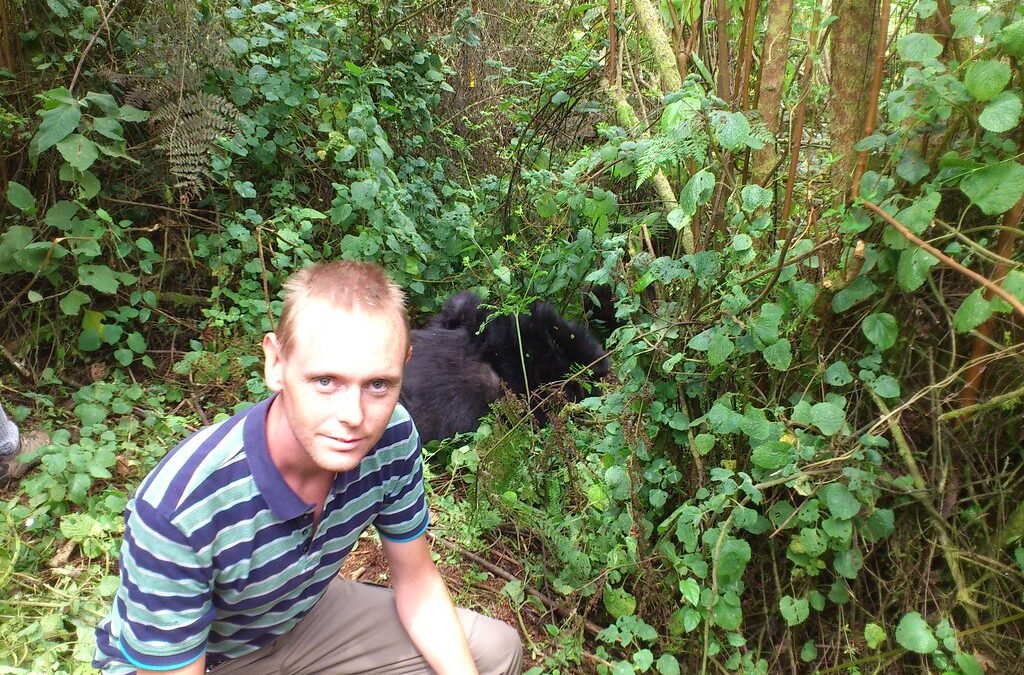
While many travelers focus on the question of difficulty, they often underestimate the emotional impact of meeting mountain gorillas. Once visitors locate a gorilla family, they spend one unforgettable hour observing these incredible animals.
Watching a silverback monitor his family, seeing mothers care for infants, and observing playful young gorillas creates a profound connection with nature. These moments leave lasting impressions and often become the highlight of an African safari.
Many travelers describe the experience as life-changing. The opportunity to observe mountain gorillas in their natural environment remains one of the rarest wildlife encounters on the planet.
At Tavira Africa Safaris, guests consistently rank gorilla trekking among the most memorable experiences of their lives. For many, the challenge of reaching the gorillas adds to the overall sense of achievement and adventure.
Why Gorilla Trekking Deserves a Place on Your Bucket List
Gorilla trekking offers far more than physical activity. It combines conservation, adventure, education, wildlife encounters, and cultural appreciation into one extraordinary journey. Every permit contributes to protecting endangered mountain gorillas and supporting local communities.
The experience also allows travelers to explore some of Africa’s most beautiful landscapes. The mist-covered forests of Uganda create a magical setting that enhances every moment of the trek.
Although the hike may present challenges, those challenges become part of the story. The effort required to find the gorillas often makes the encounter even more rewarding.
Conclusion
So, how difficult is gorilla trekking in Uganda? The trek can be moderately challenging depending on terrain, weather, and gorilla movements. However, most travelers with average fitness complete the experience successfully. With proper preparation, suitable equipment, and guidance from experienced professionals, gorilla trekking becomes an achievable adventure for visitors of different ages and abilities.
More importantly, the reward far exceeds the effort. Standing face-to-face with a mountain gorilla in the wild creates memories that last a lifetime. For anyone seeking a unique wildlife experience, gorilla trekking deserves a prominent place on their travel bucket list.
When you choose Tavira Africa Safaris, you gain access to expert planning, professional guidance, and unforgettable gorilla trekking experiences that showcase the very best of Uganda’s natural wonders.