
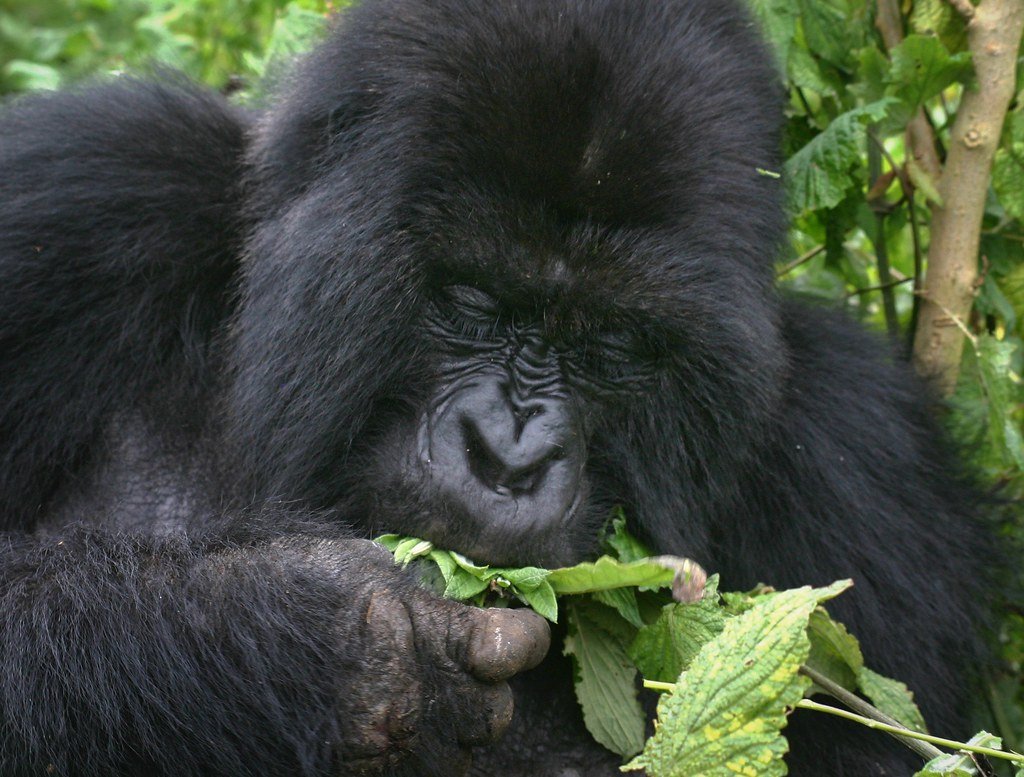
Many families planning an African safari often ask, can children go gorilla trekking? Understanding Children Gorilla Trekking rules is essential before making travel arrangements because gorilla trekking follows strict conservation guidelines that protect both endangered mountain gorillas and visitors. The simple answer is that children under the age of 15 are not allowed to participate in gorilla trekking in Uganda, Rwanda, and the Democratic Republic of the Congo. Wildlife authorities introduced this age restriction after careful research to reduce health risks, improve visitor safety, and protect the well-being of gorilla families. Although many younger children are physically capable of hiking, gorilla trekking involves long walks through dense forests, steep terrain, and close encounters with wild animals that require maturity, patience, and strict compliance with ranger instructions. At Tavira Africa Safaris, families receive expert guidance on age requirements and alternative wildlife experiences, ensuring every member of the group enjoys an unforgettable African safari.
Why Children Gorilla Trekking Has an Age Limit
The regulations surrounding Children Gorilla Trekking exist for several important reasons. Mountain gorillas share approximately 98 percent of their DNA with humans, making them highly vulnerable to many human illnesses such as influenza, the common cold, and other respiratory infections. Younger children often carry contagious illnesses without showing symptoms, increasing the risk of disease transmission to these critically endangered primates. Wildlife authorities therefore enforce a minimum trekking age of 15 years to reduce these health risks and strengthen long-term conservation efforts.
In addition, gorilla trekking requires visitors to remain calm and quiet while observing gorillas from a safe distance of at least seven meters. Rangers must trust that every participant will follow instructions immediately if a gorilla approaches the group. Older teenagers generally demonstrate the maturity needed to manage these situations, while younger children may react unpredictably due to excitement, fear, or curiosity. These carefully designed rules protect both visitors and gorillas while preserving the natural behavior of the animals.
Children Gorilla Trekking Rules in Uganda
Uganda is home to more than half of the world’s remaining mountain gorillas, making it one of Africa’s premier gorilla trekking destinations. The Uganda Wildlife Authority (UWA) strictly requires every participant to be at least 15 years old on the day of the trek. Rangers verify each visitor’s age before issuing permission to join a trekking group. If a child does not meet the minimum age requirement, park authorities will not allow participation, regardless of physical fitness or hiking experience.
The same regulation applies in Bwindi Impenetrable National Park and Mgahinga Gorilla National Park, Uganda’s two gorilla trekking destinations. These consistent rules help maintain fairness for all visitors while supporting conservation programs that protect mountain gorillas for future generations.
Can Children Ever Receive Special Permission?
Many parents wonder whether younger teenagers can receive special permission to join a gorilla trek. In rare situations, wildlife authorities may review requests involving children who are almost 15 years old, especially if they demonstrate exceptional maturity and physical ability. However, such exceptions remain uncommon and are never guaranteed. Final approval rests entirely with the relevant wildlife authority after reviewing the individual circumstances.
Families should avoid making travel plans based on the expectation of receiving an exception. Instead, they should consult experienced safari operators such as Tavira Africa Safaris, who provide accurate information before permits are purchased. This approach prevents disappointment and ensures every traveler enjoys a well-planned safari experience.
Best Alternatives for Younger Children
Although younger children cannot participate in gorilla trekking, Uganda offers many exciting wildlife activities that create unforgettable family memories. While older family members enjoy their gorilla trek, younger children can join guided nature walks, community visits, cultural experiences, or educational activities near the national parks. Families can also enjoy boat cruises, birdwatching excursions, butterfly walks, traditional dance performances, and visits to local craft markets.
Popular destinations such as Queen Elizabeth National Park, Lake Mburo National Park, and Murchison Falls National Park provide family-friendly game drives where children can safely observe elephants, giraffes, zebras, buffaloes, antelopes, and many colorful bird species. These activities allow every family member to experience Uganda’s remarkable biodiversity regardless of age.
How Families Can Prepare Older Children for Gorilla Trekking
Families traveling with teenagers who meet the age requirement should prepare carefully before the adventure. Good physical fitness helps young trekkers enjoy the forest hike comfortably because trekking routes often include steep slopes, muddy trails, and thick vegetation. Parents should explain the importance of remaining quiet around gorillas, following ranger instructions, and respecting wildlife throughout the experience.
Proper equipment also improves comfort during the trek. Waterproof hiking boots provide better grip on slippery trails, while lightweight long-sleeved clothing protects against insects and vegetation. Visitors should also carry drinking water, energy snacks, rain jackets, gardening gloves, insect repellent, sunscreen, and a camera without flash. These simple preparations help teenagers enjoy a safe, comfortable, and memorable encounter with mountain gorillas.
Why Conservation Comes Before Convenience
Some visitors initially view the age restriction as disappointing, especially when traveling with younger children. However, the rule exists because conservation always comes first. Mountain gorillas remain endangered despite successful conservation efforts over the past several decades. Every regulation supports their survival by reducing unnecessary risks and minimizing human impact on their natural habitat.
Responsible tourism has played a significant role in protecting gorilla populations across East Africa. Revenue generated from gorilla permits funds anti-poaching patrols, veterinary care, habitat protection, community development, and scientific research. By respecting the minimum age requirement, visitors contribute directly to these conservation initiatives and help secure the future of one of the world’s most extraordinary wildlife species.
Plan Your Family Gorilla Safari with Tavira Africa Safaris
Planning a family safari requires careful organization, especially when gorilla trekking forms part of the itinerary. Tavira Africa Safaris specializes in creating personalized safari packages that accommodate families with children of different ages. Their experienced travel consultants assist with gorilla permits, comfortable accommodations, transportation, family-friendly safari activities, and customized itineraries across Uganda, Rwanda, and East Africa.
Whether your family includes teenagers ready for gorilla trekking or younger children seeking exciting wildlife adventures, Tavira Africa Safaris ensures every traveler enjoys an enriching and unforgettable safari experience. Their expert knowledge allows families to explore Africa with confidence while supporting responsible tourism and wildlife conservation.
Final Thoughts
If you have been asking, can children go gorilla trekking?, the answer is clear. Wildlife authorities require every participant to be at least 15 years old before joining a gorilla trek. These regulations protect endangered mountain gorillas, safeguard visitors, and preserve one of Africa’s greatest wildlife experiences for future generations. Families traveling with younger children still have countless opportunities to explore Uganda’s spectacular national parks through game drives, cultural experiences, nature walks, and birdwatching adventures. With the guidance of Tavira Africa Safaris, every family can enjoy a carefully planned safari that balances adventure, conservation, comfort, and unforgettable memories.