
Chimpanzee Trekking Safari in Uganda
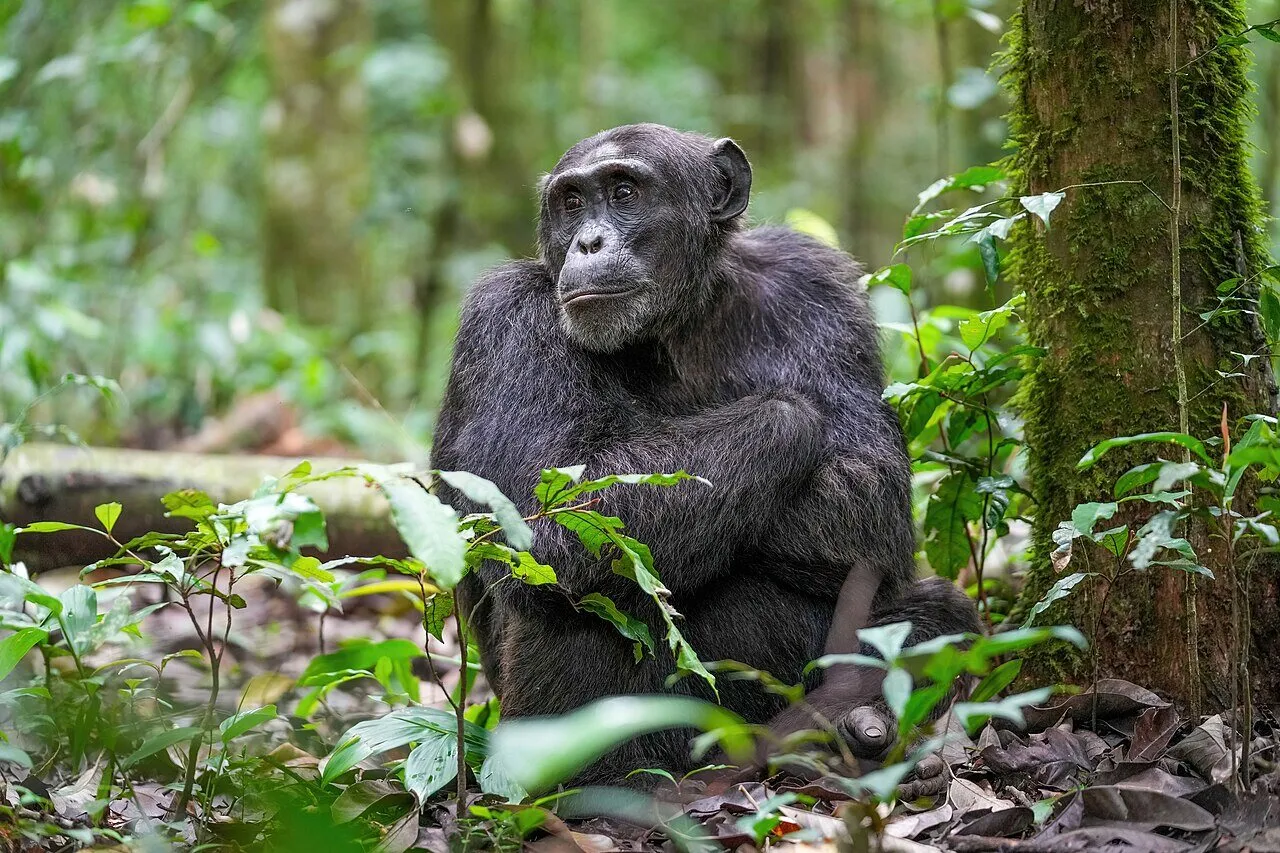
Uganda primate safaris
Chimpanzee Trekking Safari in Uganda
A chimpanzee trekking safari takes you on foot into Uganda’s rainforest with an experienced ranger to find a habituated chimpanzee community. Kibale National Park is the leading choice, with departures throughout the year, more than 90% reported sighting success and the option to combine the forest with gorillas, wildlife and the Nile.
Why choose Uganda for chimpanzee trekking?
Uganda makes a chimpanzee trek easy to build into a complete safari. In western Uganda, Kibale sits within reach of Queen Elizabeth National Park, the crater lakes around Fort Portal and the onward route to Bwindi. That means you can hear chimpanzees calling in the canopy one morning, look for tree-climbing lions the next day and continue south for a gorilla trek without wasting days on backtracking.
Kibale is the strongest first choice. The Uganda Wildlife Authority reports more than 1,500 chimpanzees in the park, at least 12 communities, four habituated groups and sighting success above 90% for the Kanyanchu Primate Walk. Wildlife is never guaranteed, but those conditions make Kibale one of Africa’s most dependable places to see wild chimpanzees responsibly.
For the park’s wider wildlife, landscape and access information, see Tavira’s Kibale Forest National Park guide.
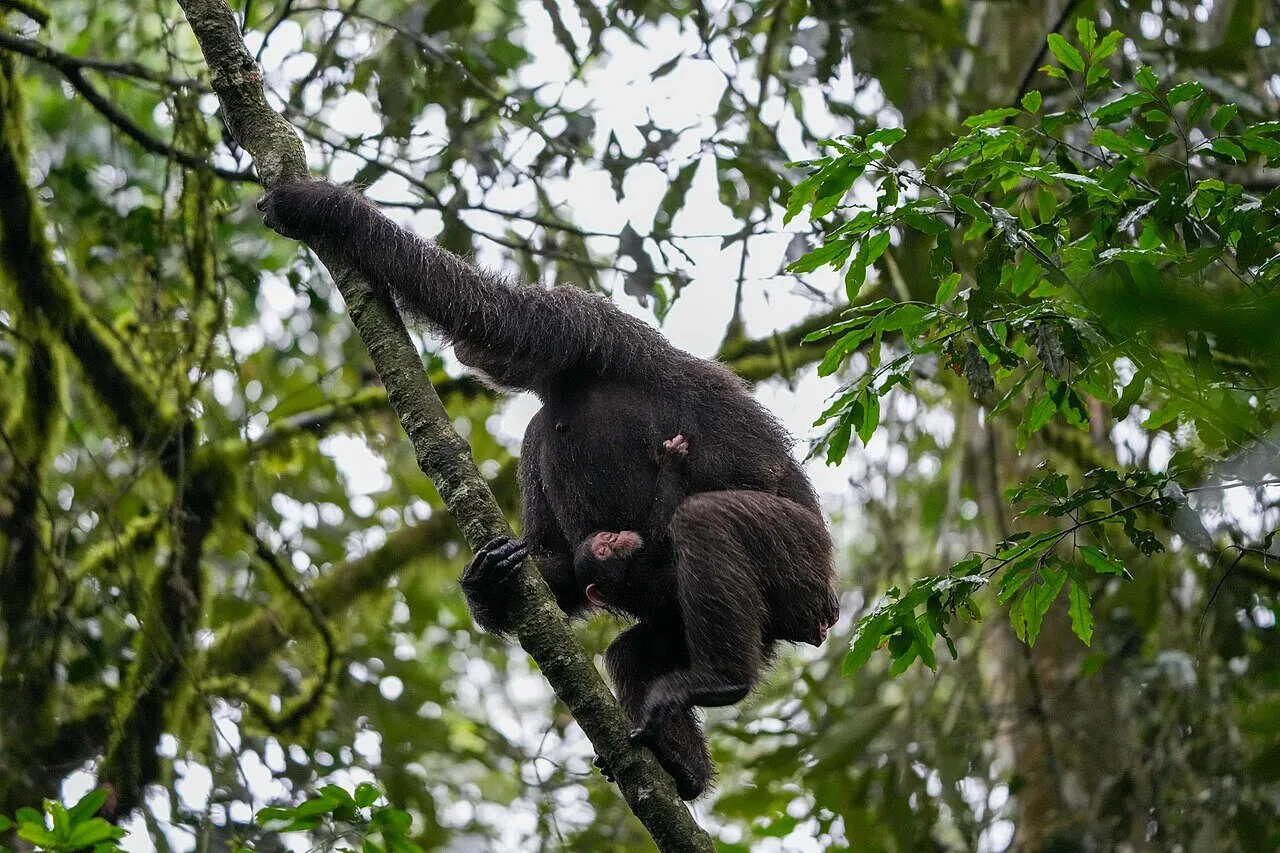
Chimpanzee trekking safari tours
Choose a proven Uganda route or ask us to tailor the pace, accommodation level and starting point. Permit availability is checked before we request payment.
Uganda Primates & Murchison Falls
Combine Kibale’s chimpanzees and Bwindi’s gorillas with rhino tracking, Murchison Falls game drives and a Nile boat safari. A strong choice when you want primates and classic wildlife in one week.
- Kibale chimpanzee trek
- Murchison Falls National Park
- Road-based private safari
Gorillas, Chimps & Big Game
A compact Uganda highlights route for travellers who do not want to choose between Kibale, Bwindi and savannah wildlife.
- Kibale chimpanzee trek
- Bwindi gorilla trek
- Game drives and boat safari
Gorillas, Chimps & Wildlife
Slow the journey down, spend more time in Uganda’s varied landscapes and build in recovery time between the longer drives and forest treks.
- Multiple national parks
- Kibale and Bwindi permits
- Broader wildlife viewing
What a chimpanzee trek is really like
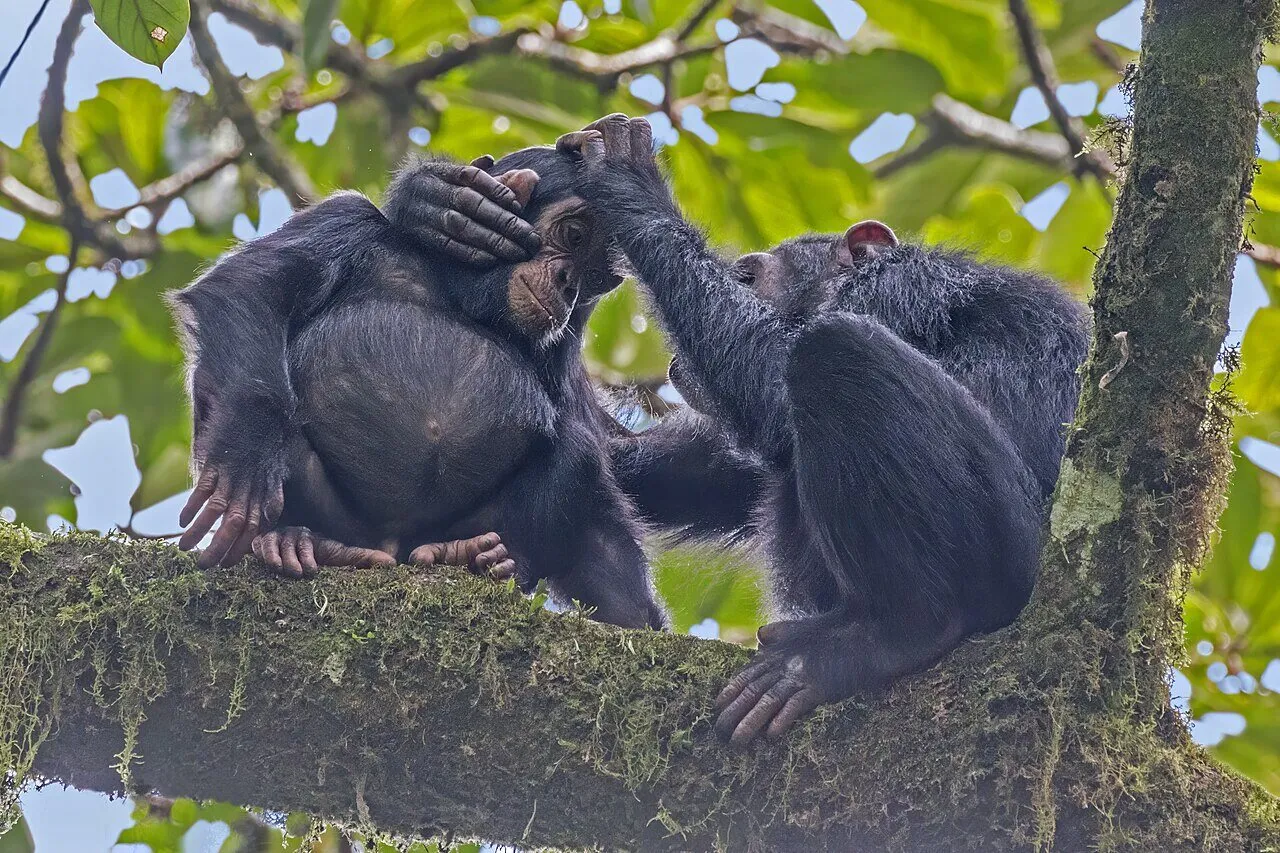
Chimpanzee trekking is active, sensory and unpredictable. The forest may begin quietly, then change in seconds when a distant pant-hoot rolls through the canopy and the ranger adjusts direction. You might encounter chimpanzees feeding high in fruiting trees, travelling quickly on the ground, grooming in a shaded clearing or resting as a family.
The Kanyanchu experience starts at the visitor centre. Uganda Wildlife Authority currently lists daily departures at 8:00am, 11:00am and 2:00pm. Your exact session is printed on the permit and can affect the rest of the day’s route, so Tavira plans transfers and activities around it rather than treating the trek as a flexible add-on.
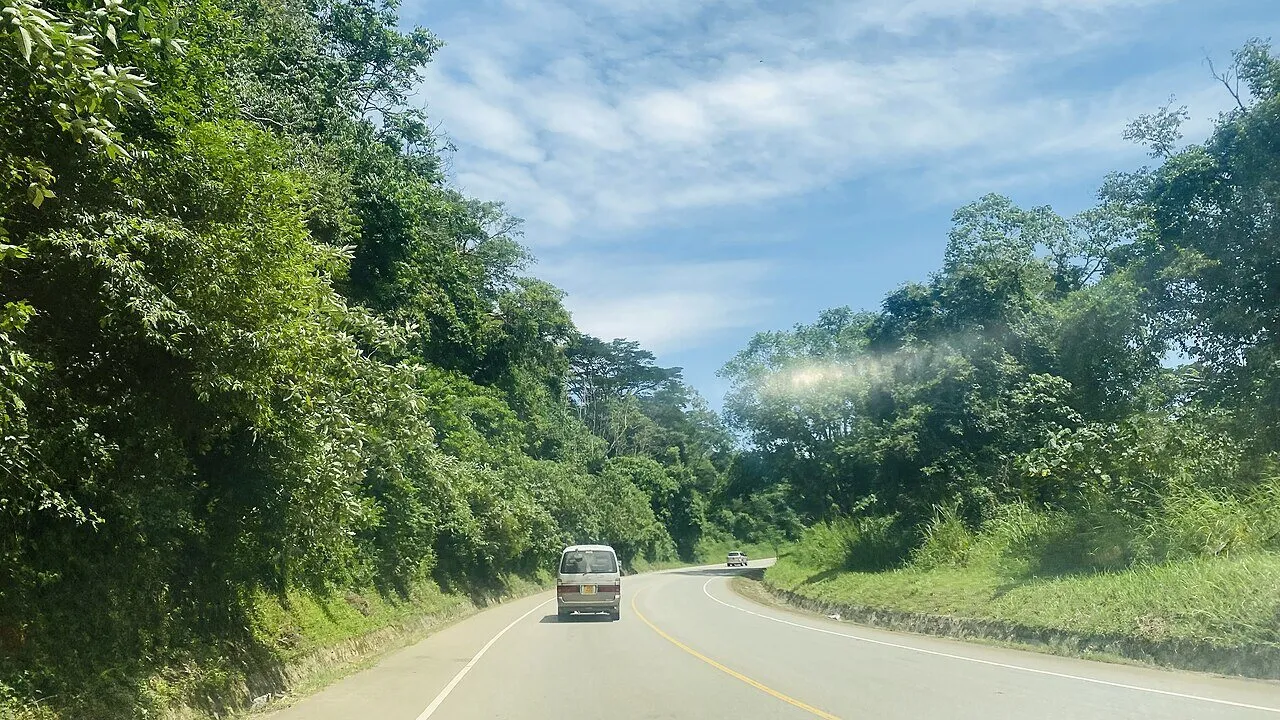
Briefing at Kanyanchu
Rangers explain forest behaviour, health rules, photography, minimum distance and how the group should respond if chimpanzees approach.
The search begins
The walk follows forest trails and sometimes leaves them. Rangers listen for calls and watch for nests, feeding signs and fresh movement. The search can be short or take several hours.
The first encounter
When a habituated community is located, follow the ranger’s position and instructions. Keep voices low, avoid sudden movement and never block a chimpanzee’s route.
Up to one hour observing
Standard tracking normally allows one hour with the chimpanzees. That hour can involve frequent movement, so remain ready to walk while protecting your camera from rain and humidity.
Return and continue the safari
The total Kanyanchu activity commonly lasts two to five hours. Tavira keeps the next part of your itinerary realistic in case the forest search runs long.
Chimpanzee permits and planning prices
A permit reserves your ranger-led activity for a named traveller, date and session. Permit space is limited and usually must be paid for to be secured.
| Experience | Foreign non-resident | Foreign resident | East African citizen | What the reference covers |
|---|---|---|---|---|
| Kibale chimpanzee tracking | US$250 | US$200 | UGX 180,000 | One standard tracking session. Kibale was the exception where this tariff included park entry. |
| Kibale chimpanzee habituation experience | US$300 | US$250 | UGX 250,000 | Extended ranger-led experience; the tariff says the rate included guide and park entry. |
How Tavira secures your permit
- Send your preferred travel dates, nationality/residency category, passport names and ages.
- We check the intended session and match it to a workable road and lodge plan.
- We send a written safari quotation showing the permit as a separate cost line.
- After cleared payment, we secure the permit subject to UWA availability and send confirmation.
Do not send permit money using an old screenshot or a copied blog price. Rates, residency evidence and booking conditions can change. The amount on the live confirmation is the amount that matters.
Chimpanzee tracking vs habituation
The standard trek is right for most first-time visitors: it costs less, fits smoothly into a broader safari and gives you a concentrated hour with a community already accustomed to a controlled human presence.
The chimpanzee habituation experience is for travellers who want more time observing fieldwork and behaviour. The day can start early and feel more demanding. The chimpanzees may be less settled around people than a standard tracking group, and sightings can involve longer movement through the forest.
| Decision point | Standard chimpanzee tracking | Habituation experience |
|---|---|---|
| Best for | First visit, mixed-interest groups and compact itineraries | Primate enthusiasts, photographers and travellers comfortable with a longer forest day |
| Time with chimpanzees | Normally up to one hour after locating the group | Extended contact; the public tariff reference describes up to four hours |
| Forest effort | Variable search within a typical two-to-five-hour activity | Usually earlier, longer and potentially more physically demanding |
| Availability | More sessions, still capacity controlled | More limited; reserve well ahead |
Neither experience is staged and neither guarantees a particular photograph or behaviour. Rangers decide how the encounter proceeds.
Where to go chimpanzee trekking in Uganda
Kibale is the best answer for most travellers, but the right forest can depend on the rest of your Uganda route.
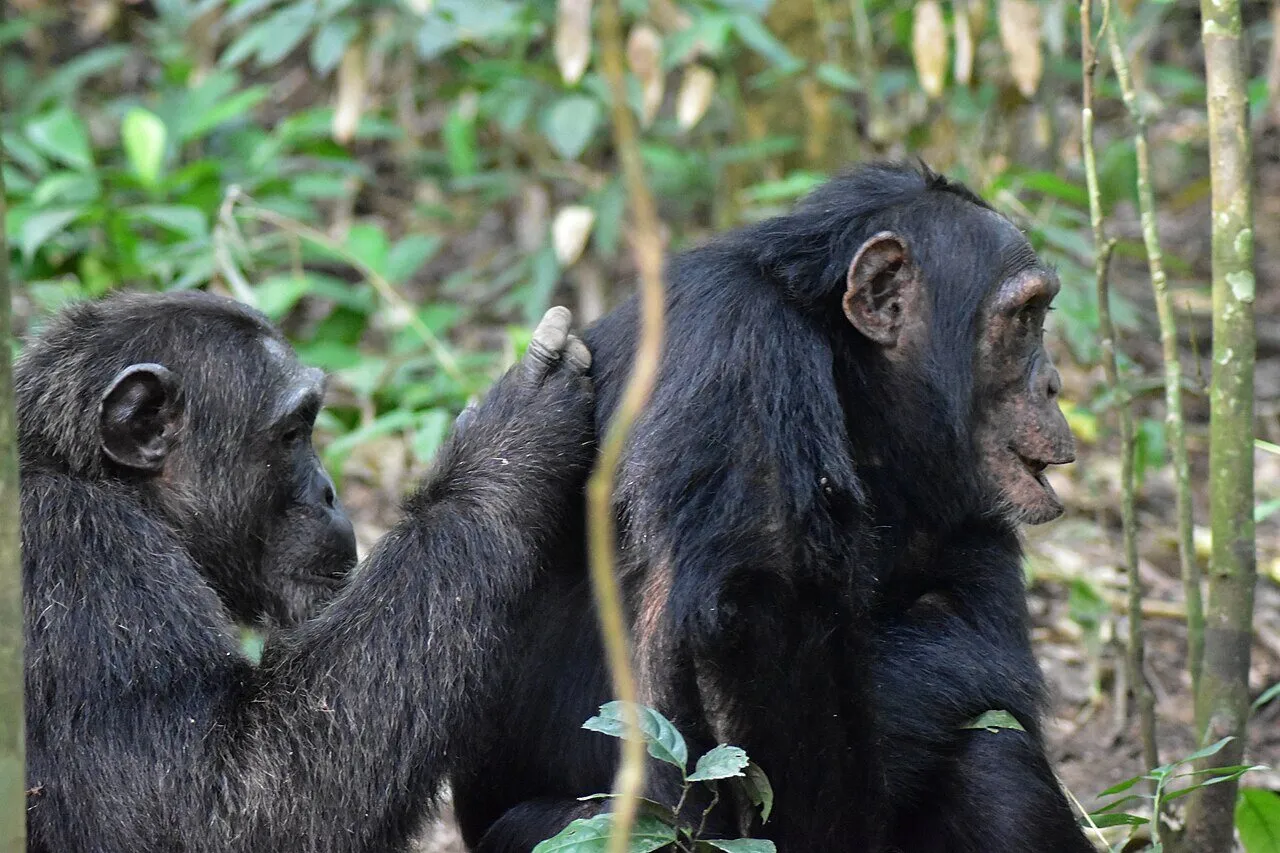
Kibale National Park
The most dependable combination of chimpanzee numbers, established visitor infrastructure and easy pairing with Fort Portal, Bigodi and Queen Elizabeth National Park. Choose Kibale when chimpanzees are a central reason for your trip.
Budongo Forest
A valuable option for itineraries centred on Murchison Falls National Park. It can reduce unnecessary driving if your safari is staying in northern Uganda, but session arrangements and operating conditions should be reconfirmed.
Kyambura Gorge
A forested gorge within the Queen Elizabeth landscape. The setting is striking and the activity can fit beside a game drive, but the chimpanzee community is smaller and sightings can be less predictable than Kibale.
Kalinzu Forest
A forest reserve near Queen Elizabeth National Park that can suit flexible road safaris. It is not a national park, so management, permit arrangements and inclusions differ from UWA’s Kibale experience.
Best time for a chimpanzee trekking safari
Uganda’s chimpanzee activities operate throughout the year. There is no universally perfect month: the practical choice balances trail comfort, wider safari goals, availability and price.
December to February
Often drier underfoot, although a rainforest shower is possible in any month. These months work well for a wider wildlife circuit and attract strong demand around holiday dates.
June to August
Another generally drier period and a popular time for Uganda travel. Reserve permits and preferred lodges early, especially if combining chimpanzees with gorilla trekking.
March to May & September to November
Typically wetter and muddier, with vivid vegetation and often fewer visitors. Rain can slow the walk, but it does not automatically mean poor sightings.
Morning or afternoon session?
Morning sessions are popular because temperatures may feel cooler and the rest of the day remains available. An afternoon slot can work when you arrive from a nearby lodge or want a slower start. Chimpanzees move according to food, weather and social behaviour, so no session guarantees a closer or easier encounter. Choose the time that makes the whole itinerary realistic.
How to get to Kibale National Park
Kibale lies in western Uganda near Fort Portal. Road times change with traffic, weather, stops and the exact lodge location, so treat every duration as an estimate.
A simple three-day Kibale plan
Entebbe/Kampala to Kibale
Private road transfer through western Uganda. Check in near the forest, review equipment and rest.
Chimpanzee trekking
Briefing and ranger-led trek at the confirmed session. Add Bigodi only if your energy and permit time allow.
Return or continue
Drive back to Entebbe/Kampala or continue to Queen Elizabeth National Park for the next safari chapter.
Age, health, distance and forest rules
Chimpanzees can catch human respiratory illnesses. The rules are not formality: they reduce stress on the animals and lower disease risk. Your ranger’s briefing always overrides generic advice online.
- Minimum age: UWA’s current Kibale visitor page lists 16 years. Tavira confirms eligibility before accepting permit payment.
- Group size: the same page says tracking groups are limited to six visitors.
- Distance: UWA’s public trekking rules advise keeping at least 10 metres away. Move back if instructed.
- Health: report fever, flu, diarrhoea or another contagious illness. You may not be allowed to trek if you are sick.
- Food: do not eat near chimpanzees and never feed wildlife.
- Photography: flash is not allowed. Follow the ranger before raising a camera or moving position.
- Litter: carry everything out, including tissues and food wrappers.
How difficult is the trek?
A moderate fitness level is usually enough, but “moderate” can still mean heat, humidity, tangled roots, mud, slopes and quick changes of direction. The chimpanzees choose the route; the trail does not always stay flat or dry.
Tell Tavira before booking if you have knee, hip, balance, heart or respiratory concerns. A walking pole and porter can help, but neither makes the forest fully accessible. We would rather discuss the real conditions early than sell an experience that does not suit you.
What to pack for chimpanzee trekking
Wear
- Lightweight long trousers
- Breathable long-sleeved shirt
- Grippy waterproof walking shoes
- Long socks; tuck trousers in when advised
- Neutral colours rather than bright white
Carry
- Light rain jacket or poncho
- Drinking water and permitted snack for away from wildlife
- Insect repellent and sunscreen
- Small first-aid essentials
- Waterproof dry bag or pack cover
For photographs
- Camera with flash disabled
- Spare charged battery
- Fast memory card
- Lens cloth for humidity
- Protective rain sleeve
A very heavy camera bag becomes tiring when the community moves. Bring the smallest setup that you can control quickly and quietly.
Where to stay around Kibale
The most useful question is not simply which lodge looks best. It is how far the lodge is from your briefing point, whether the road is reliable before dawn and whether its comfort level matches the rest of your safari.
Comfortable value
Simple en-suite rooms or safari tents, warm meals and a practical forest location. Best when activities matter more than elaborate facilities.
Mid-range forest stay
More spacious rooms, stronger common areas and a calm setting for two-night stays. A good balance for most private safaris.
Luxury or character lodge
Higher service, distinctive design or crater-lake views. Confirm transfer time to Kanyanchu because a beautiful location is not always the closest one.
Tavira selects from currently operating lodges after the permit time is known. We compare the final room category, meal plan, single supplement, access road and cancellation terms—not just a headline price.
Pair the forest with community-led conservation
A responsible chimpanzee safari extends beyond the hour with the primates. Permit revenue supports protected-area work, while locally guided walks and locally owned services can keep more visitor spending close to the forest.
Bigodi Wetland Sanctuary is a natural companion to Kibale. A guided walk can introduce you to wetland and forest-edge birds, monkeys, plants and community conservation. It should be scheduled around the fixed chimpanzee permit—not squeezed into a day that already has a long road transfer.
- Follow ranger instructions without asking for a closer approach.
- Keep noise low and never imitate calls to provoke a response.
- Use refillable water where the lodge and vehicle can support it.
- Ask before photographing people, homes or community activities.
- Choose realistic driving days to reduce rushing and unsafe speeds.
Why plan with Tavira Africa Safaris?
A strong itinerary starts with the fixed, scarce elements—permits, briefing times and the correct forest—then fits drives and lodges around them.
Chimpanzee trekking safari FAQs
What is a chimpanzee trekking safari?
It is a guided forest walk to locate a habituated chimpanzee community. After the group is found, standard tracking normally allows up to one hour of observation, subject to ranger instructions.
Where is the best chimpanzee trekking in Uganda?
Kibale National Park is the strongest all-round choice because Uganda Wildlife Authority reports more than 1,500 chimpanzees and a sighting success rate above 90% on the Kanyanchu Primate Walk. Budongo Forest, Kyambura Gorge and Kalinzu Forest can suit particular routes.
How much is a Kibale chimpanzee permit?
The latest publicly accessible Uganda Wildlife Authority tariff found during the September 2026 review listed foreign non-resident tracking at US$250, foreign resident tracking at US$200 and East African citizen tracking at UGX 180,000. That tariff formally covered July 2024 to June 2026, so Tavira reconfirms the payable rate with UWA before invoicing.
How long does chimpanzee trekking take?
Uganda Wildlife Authority says the Kanyanchu experience usually takes two to five hours in total. The search time varies, and standard trackers normally spend up to one hour with the chimpanzees after locating them.
What is the minimum age for chimpanzee trekking in Kibale?
Uganda Wildlife Authority’s current Kibale visitor page lists a minimum age of 16 years. Rules can be revised, so Tavira verifies age eligibility before accepting permit payment.
When is the best time for chimpanzee trekking in Uganda?
Chimpanzee trekking is possible throughout the year. The generally drier months of December to February and June to August can make trails easier, while wetter periods are greener, quieter and often muddier.
What should I wear for a chimpanzee trek?
Wear lightweight long trousers, a long-sleeved breathable shirt, grippy waterproof walking shoes, long socks and a light rain jacket. Carry water, insect repellent and a waterproof cover for electronics.
Can I combine chimpanzee trekking with gorilla trekking?
Yes. A common route combines Kibale with Queen Elizabeth National Park and Bwindi Impenetrable National Park. Tavira can arrange the road transfers, accommodation and separate permits in one itinerary.
Do I need to be very fit?
A moderate level of fitness is usually enough, but the forest can be humid, uneven and muddy. Tell Tavira about mobility concerns before permits are reserved so the route and expectations can be discussed.
How early should I book?
Book as soon as your travel dates are reasonably firm, especially for peak-season travel or a chimpanzee habituation experience. Permit space is limited and payment is normally required to secure it.
Sources, review date and photo credits
This guide was reviewed by the Tavira Safari Planning Team on 3 September 2026. Operational facts were checked against the Uganda Wildlife Authority Kibale National Park visitor page and the latest public UWA conservation tariff we could locate. Because permit fees and park rules can change, a live UWA confirmation takes priority over this page.
Photography: all images were downloaded to Tavira’s Media Library from Wikimedia Commons under the Creative Commons Attribution-ShareAlike 4.0 licence. Photographer and source details are also stored with every attachment.
Build your Uganda chimpanzee safari
Tell us when you want to travel, how many people are coming and whether you also want gorillas, game drives or a Nile safari. Tavira will check the permit plan before shaping the rest of the journey.