Can Tourists Catch Ebola on Safari in Uganda?
Can Tourists Catch Ebola on Safari in Uganda?
Many travelers planning a safari ask an important health question: Can tourists catch Ebola on safari in Uganda? The concern is understandable. News reports about Ebola outbreaks in Central Africa can make travelers worried about their safety. However, the real situation on the ground is very different from what many headlines suggest.
The truth is that tourists cannot realistically catch Ebola during a safari in Uganda. Ebola spreads through direct contact with bodily fluids from an infected person. It does not spread through the air like the flu or common cold. Because of this, the risk for travelers who visit national parks and safari destinations remains extremely low.
Most safari activities take place in protected wildlife areas that are far from regions where Ebola outbreaks are reported. Visitors spend their time in national parks, lodges, and guided tours. These environments have controlled access and trained staff who follow strict safety guidelines. Companies such as Tavira Africa Safaris organize trips that follow well-established tourism routes, which remain far from areas affected by Ebola.
Understanding Ebola Uganda Safari Safety
To better understand Ebola Uganda safari safety, it is important to know how the virus spreads. Ebola is transmitted through direct contact with infected blood, body fluids, or contaminated surfaces. It does not spread through casual contact, wildlife viewing, or outdoor activities such as game drives.
Safari travelers usually spend their days exploring nature. Activities include wildlife viewing, boat cruises, gorilla trekking, and chimpanzee tracking. These experiences take place in protected parks such as Bwindi Impenetrable National Park, Queen Elizabeth National Park, and Kibale National Park.
Visitors remain with professional guides and park rangers throughout these activities. As a result, tourists rarely come into close contact with local communities in remote areas where outbreaks might occur. Most of their time is spent inside national parks or at safari lodges.
Because of this structure, safari travel already creates a natural barrier between tourists and potential health risks.
Where Ebola Outbreaks Usually Occur
Most Ebola outbreaks in Central Africa occur in remote forest regions of the neighboring Democratic Republic of the Congo. These outbreaks often happen in provinces such as Ituri Province and North Kivu Province.
These locations are far from Uganda’s major tourism areas. Uganda’s safari parks are located mainly in the western and southwestern parts of the country. This distance helps protect tourism zones from outbreaks that occur in isolated communities across the border.
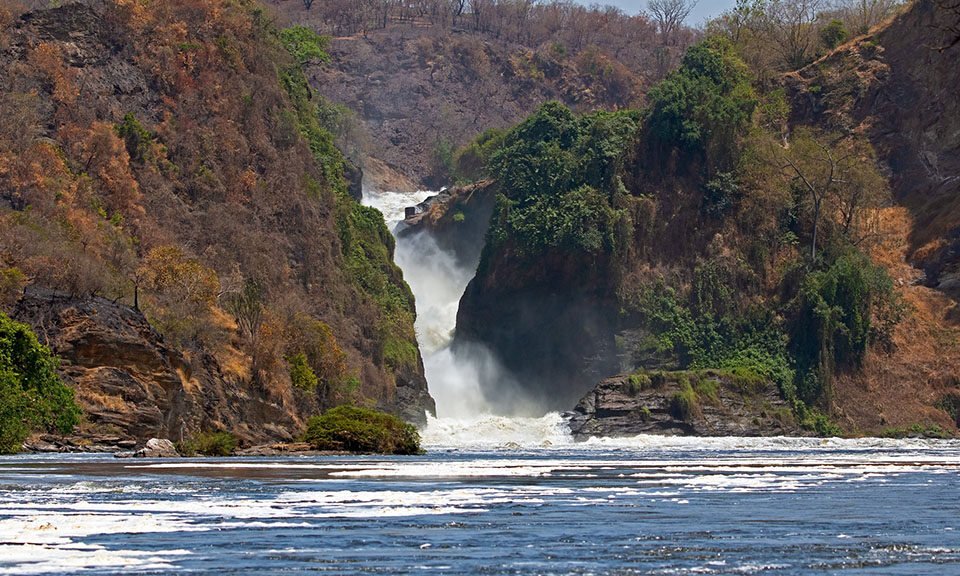
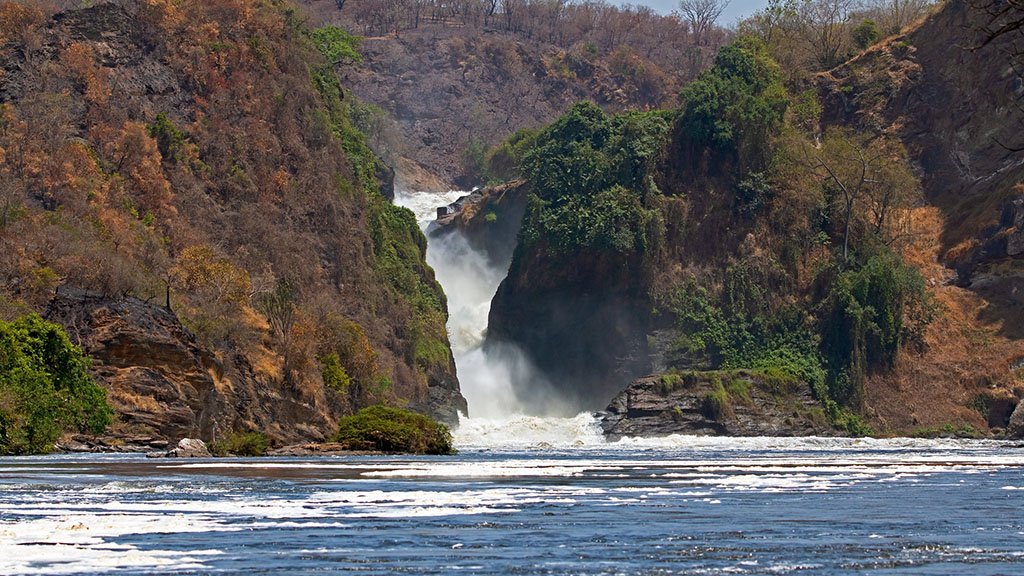
Travelers visiting Uganda usually follow a route that includes destinations like Murchison Falls National Park, Queen Elizabeth National Park, and Bwindi Impenetrable National Park. These parks operate under strict conservation and tourism management systems.
When visitors travel with Tavira Africa Safaris, they follow organized itineraries designed to keep guests within safe tourism areas throughout their journey.
Why Gorilla Trekking and Safaris Remain Safe
Many travelers also wonder if they could catch Ebola during gorilla trekking or wildlife viewing. In reality, these activities follow strict guidelines that already protect both visitors and wildlife.
Gorilla trekking in Bwindi Impenetrable National Park and Mgahinga Gorilla National Park requires visitors to follow health rules before approaching the gorillas. Park rangers guide every trek and ensure visitors maintain safe distances from animals.
These rules exist mainly to protect gorillas from human diseases. However, they also create a controlled environment that keeps visitors safe.
In addition, safari travelers spend most of their time in open natural spaces. Fresh air and outdoor activities further reduce the possibility of disease transmission.
Uganda’s Strong Health Systems Protect Visitors
Another reason why tourists remain safe during a safari is Uganda’s strong public health system. The government of Uganda has extensive experience managing Ebola outbreaks.
Health authorities work closely with international partners such as the World Health Organization to monitor potential cases and respond quickly if outbreaks occur.
Uganda has built strong disease surveillance systems. Border screening, medical monitoring, and rapid response teams help prevent outbreaks from spreading across the country.
These systems have helped Uganda successfully contain Ebola outbreaks in the past. As a result, the country is often recognized as one of the most prepared nations in Africa for managing Ebola.
For tourists traveling with Tavira Africa Safaris, this strong health system provides additional reassurance during their safari experience.
The Reality of Ebola Risk for Tourists
In reality, the risk of catching Ebola during a safari in Uganda is extremely low. Tourists visit well-managed parks, travel with professional guides, and stay in established lodges that follow international health standards.
Most visitors spend their time watching wildlife, exploring forests, and enjoying Uganda’s landscapes. They rarely travel to the remote locations where Ebola outbreaks occur.
For travelers who dream of seeing gorillas in Bwindi Impenetrable National Park, tracking chimpanzees in Kibale National Park, or exploring the savannah of Queen Elizabeth National Park, a safari remains a safe and unforgettable adventure.
With careful planning and guidance from experienced operators like Tavira Africa Safaris, visitors can confidently explore one of Africa’s most beautiful wildlife destinations.