
Uganda Cultural Tribes offer one of the richest cultural tourism experiences in Africa, giving travelers the opportunity to meet more than 50 indigenous communities, each with its own language, traditions, music, dance, cuisine, and history. Uganda is widely celebrated for its incredible wildlife, breathtaking landscapes, and unforgettable gorilla trekking experiences.
However, beyond its famous national parks lies another treasure that makes the country one of Africa’s most rewarding travel destinations—its remarkable cultural diversity. If you have ever wondered, “Which tribes can tourists visit in Uganda?”, the answer is that there are many welcoming communities spread across every region of the country, each offering distinctive cultural experiences that enrich any safari.
At Tavira Africa Safaris, we believe that a journey through Uganda is incomplete without exploring its living cultural heritage. For this reason, we carefully design itineraries that combine wildlife adventures with meaningful cultural encounters, allowing travelers to appreciate both Uganda’s natural beauty and the remarkable people who call it home.
Unlike many destinations where culture is displayed only in museums, Uganda’s traditions remain part of everyday life. Visitors can participate in traditional dances, learn ancient survival skills, taste local cuisine, observe skilled artisans at work, and listen to stories that have been passed down through generations.
These experiences create genuine connections between travelers and local communities while supporting sustainable tourism initiatives that help preserve cultural heritage. Whether you visit a royal kingdom in central Uganda, meet forest communities in the southwest, or discover pastoral traditions in the northeast, every encounter offers new perspectives and unforgettable memories.
Why Visit Uganda Cultural Tribes?
Exploring Uganda Cultural Tribes allows travelers to discover a side of Uganda that many visitors overlook. While wildlife safaris introduce guests to the country’s extraordinary biodiversity, cultural tourism provides valuable insight into the traditions, beliefs, languages, and lifestyles that have shaped Uganda for centuries. Every tribe contributes unique customs, ceremonies, architecture, crafts, music, and storytelling traditions that reflect the country’s remarkable diversity.
Moreover, cultural tourism supports local communities by creating employment opportunities, encouraging traditional craftsmanship, and preserving valuable cultural practices for future generations. Many community tourism projects invest directly in education, healthcare, conservation, and cultural preservation. Consequently, every cultural visit benefits both travelers and host communities. At Tavira Africa Safaris, we work closely with reputable community tourism initiatives to ensure every visit remains respectful, educational, and beneficial for local residents.
Uganda Cultural Tribes in the Central Region
Central Uganda is home to the Baganda, the country’s largest ethnic group and the people of the historic Buganda Kingdom. The Baganda have played a significant role in Uganda’s political, cultural, and economic development for centuries. Visitors interested in understanding Uganda’s history often begin their cultural journey in Kampala, where they can explore royal sites, cultural centers, and historical landmarks connected to the Buganda Kingdom.
One of the most significant cultural attractions is the Kasubi Tombs, a UNESCO World Heritage Site that serves as the burial place of Buganda kings. The tombs showcase remarkable traditional architecture constructed entirely from natural materials, reflecting centuries of indigenous building techniques. During guided tours, visitors learn about Buganda’s monarchy, royal traditions, clan system, and spiritual beliefs that continue to influence modern society.
The Kabaka’s Palace also offers fascinating insight into the history of Buganda’s royal family. Nearby cultural centers host performances featuring traditional music, drumming, dance, storytelling, and craft demonstrations that allow visitors to experience Baganda culture firsthand.
Meet the Batwa Among Uganda Cultural Tribes
Among the most fascinating Uganda Cultural Tribes are the Batwa people, often referred to as the “Keepers of the Forest.” For thousands of years, the Batwa lived as hunter-gatherers within the forests of southwestern Uganda, particularly around Bwindi Impenetrable National Park and Mgahinga Gorilla National Park. Their intimate knowledge of medicinal plants, wildlife behavior, edible fruits, and forest survival techniques allowed them to thrive within one of Africa’s oldest rainforests.
Although the Batwa no longer live inside these protected forests following conservation efforts to protect mountain gorillas, they continue sharing their traditional knowledge through carefully managed cultural experiences. Visitors accompany Batwa guides on forest walks where they demonstrate ancient hunting methods, identify medicinal plants, explain traditional fire-making techniques, and perform songs and dances that celebrate their ancestral heritage.
These experiences not only preserve Batwa traditions but also generate sustainable income for local communities. By including a Batwa cultural encounter in your safari, Tavira Africa Safaris helps support community development while offering travelers one of Uganda’s most authentic cultural experiences.
Discover the Karamojong Among Uganda Cultural Tribes
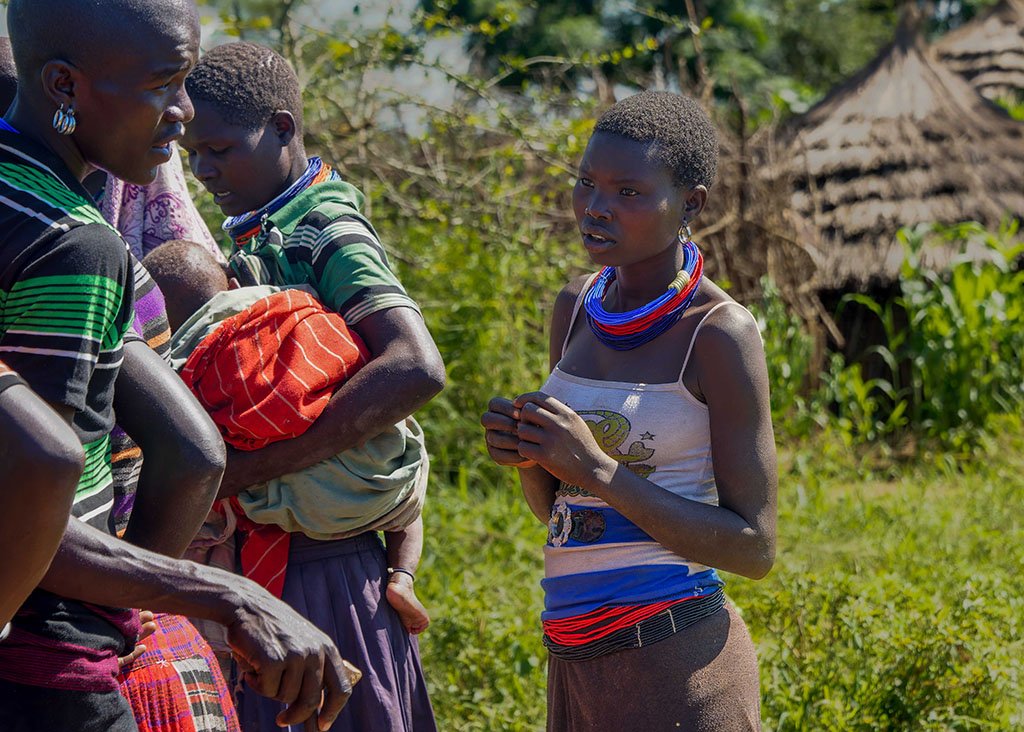
The northeastern region of Uganda introduces visitors to the Karamojong, one of the country’s most distinctive pastoral communities. The Karamojong have maintained a semi-nomadic lifestyle centered around cattle herding for generations. Their traditions, colorful clothing, elaborate beadwork, and strong community values make cultural visits particularly rewarding.
Travelers visiting the region surrounding Kidepo Valley National Park often include Karamojong cultural tours alongside wildlife safaris. Guests visit traditional manyattas, which are circular homesteads enclosed by protective fences, where community members explain their daily routines, livestock management, traditional ceremonies, and local customs.
Visitors frequently enjoy energetic dance performances featuring rhythmic jumping, singing, and drumming. Local artisans also demonstrate bead-making, leatherwork, and blacksmithing skills that have been passed through generations. These cultural exchanges provide valuable opportunities to understand one of Uganda’s most resilient communities while appreciating the role that cattle continue to play in Karamojong identity.
Uganda Cultural Tribes Around Western Uganda
Western Uganda hosts several culturally rich communities, including the Banyankole, Bakiga, and Batooro. The Banyankole are widely recognized for their impressive Ankole long-horned cattle, whose enormous horns symbolize wealth, prestige, and cultural identity. Visitors can tour traditional cattle farms, learn about pastoral lifestyles, taste locally produced dairy products, and hear stories explaining the importance of livestock within Ankole society.
The Bakiga, who inhabit Uganda’s beautiful highlands near Kabale, are famous for their agricultural expertise. Terraced hillsides, fertile farmland, and welcoming villages create picturesque landscapes where visitors can participate in farming activities, prepare traditional meals, and enjoy vibrant cultural performances.
Meanwhile, the Batooro Kingdom around Fort Portal offers visitors opportunities to explore royal heritage, traditional ceremonies, music, and dance. Combined with visits to crater lakes, tea plantations, and chimpanzee trekking in Kibale National Park, these cultural experiences enrich western Uganda safari itineraries.
Traditional Music and Dance Among Uganda Cultural Tribes
Music and dance form an essential part of life across all Uganda Cultural Tribes. Every community possesses distinctive rhythms, instruments, costumes, and performance styles that reflect local history and identity. Traditional ceremonies celebrating births, marriages, harvests, initiations, and festivals often feature energetic performances that unite entire communities.
Visitors frequently participate in dance workshops where local performers teach basic movements while explaining the cultural significance behind each performance. Traditional instruments such as drums, xylophones, harps, thumb pianos, and flutes produce lively music that enhances every celebration.
These performances are far more than entertainment. They preserve oral history, strengthen community identity, and transmit cultural values between generations. Consequently, attending a cultural performance provides meaningful insight into Uganda’s living traditions.
Local Cuisine of Uganda Cultural Tribes
Food offers another excellent way to experience Uganda Cultural Tribes. Each region prepares distinctive dishes using locally grown ingredients, traditional cooking methods, and recipes developed over centuries. Visitors often enjoy meals featuring matoke, millet bread, sweet potatoes, cassava, beans, groundnut sauce, smoked meat, fresh vegetables, and tropical fruits.
Community visits frequently include cooking demonstrations where guests learn traditional food preparation techniques using clay pots, open fires, and locally crafted utensils. Sharing meals with local families encourages meaningful conversations while introducing visitors to authentic Ugandan hospitality.
At Tavira Africa Safaris, we encourage travelers to experience local cuisine because food provides one of the most enjoyable ways to understand different cultures and traditions.
Responsible Tourism When Visiting Uganda Cultural Tribes
Responsible tourism ensures cultural experiences remain respectful and sustainable. Visitors should always ask permission before photographing people, dress modestly when visiting traditional communities, and follow guidance provided by local hosts. Purchasing locally made crafts directly supports artisans while contributing to community livelihoods.
Travelers should also approach cultural visits with curiosity, humility, and respect. Listening carefully, asking thoughtful questions, and participating enthusiastically create positive interactions that benefit everyone involved. At Tavira Africa Safaris, we partner with responsible community tourism organizations that prioritize cultural preservation, environmental sustainability, and local economic development.
Why Explore Uganda Cultural Tribes with Tavira Africa Safaris?
Planning meaningful cultural experiences requires local knowledge, trusted partnerships, and respectful engagement with communities. At Tavira Africa Safaris, we carefully select authentic cultural experiences that complement wildlife safaris while supporting sustainable tourism. Our experienced guides provide valuable historical and cultural context, ensuring every visit becomes educational as well as enjoyable.
Whether you wish to meet the Batwa, visit the Buganda Kingdom, explore Karamojong communities, or experience traditional music and dance, we create personalized itineraries that combine Uganda’s extraordinary cultural heritage with unforgettable wildlife adventures.
Conclusion
When travelers ask, “Which tribes can tourists visit in Uganda?”, the answer reveals one of Africa’s richest cultural landscapes. From the royal traditions of the Baganda and the forest heritage of the Batwa to the pastoral lifestyle of the Karamojong and the farming communities of western Uganda, every cultural encounter adds depth and meaning to a Ugandan safari. These experiences allow visitors to appreciate not only Uganda’s spectacular wildlife but also the remarkable people whose traditions continue to shape the nation’s identity.
By traveling with Tavira Africa Safaris, you will discover authentic cultural experiences that create lasting memories while supporting local communities and preserving Uganda’s extraordinary heritage.