Gorilla vs Chimpanzee Trekking: Which experience is better?
Few wildlife encounters can match the excitement of trekking through Africa’s tropical forests in search of great apes. Travelers from around the world visit East Africa to witness these remarkable creatures in their natural habitats. Yet many visitors face one important question before planning their safari: Gorilla vs Chimpanzee Trekking, which experience is better? The answer depends on what kind of adventure you seek. Both experiences offer unforgettable moments, close encounters with primates, and opportunities to support conservation. However, each trek provides a unique perspective on Africa’s incredible biodiversity. At Tavira Africa Safaris, we help travelers choose the experience that best matches their interests, budget, fitness level, and travel goals.
Understanding Gorilla vs Chimpanzee Trekking
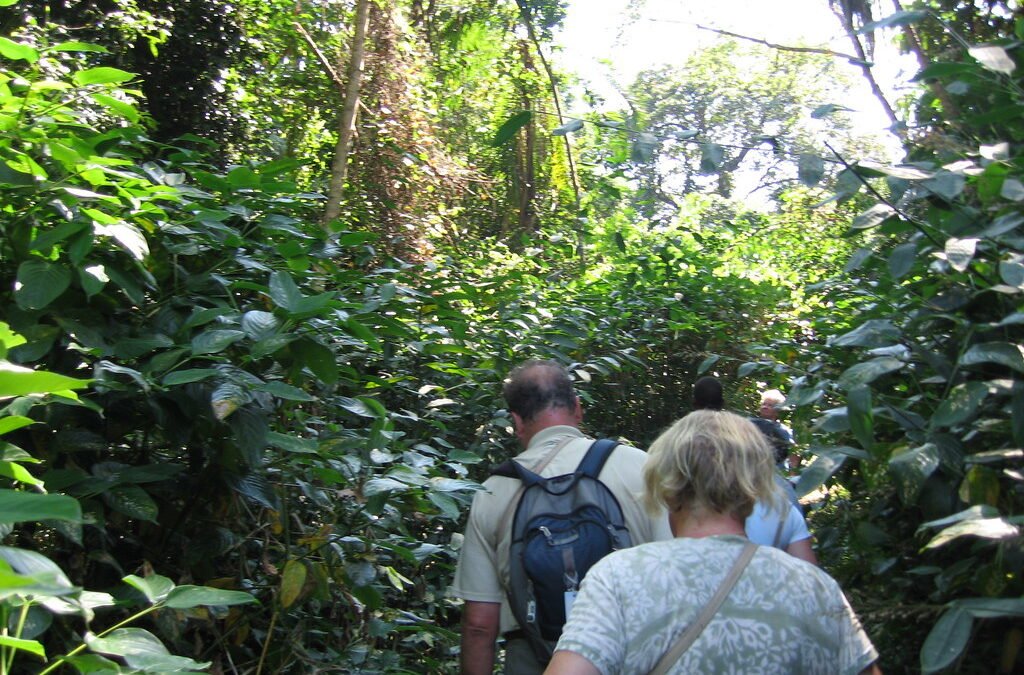
Before comparing the two adventures, it is important to understand what each experience involves. Gorilla trekking takes place in mountainous forests where visitors hike to locate a habituated gorilla family. Once found, trekkers spend one magical hour observing the gorillas as they feed, groom, play, and interact with one another. Chimpanzee trekking follows a different rhythm. Visitors track chimpanzees through forests and listen for their loud calls before locating them. Unlike gorillas, chimpanzees move quickly through trees and across the forest floor. As a result, the experience often feels more energetic and unpredictable. Both activities require permits, experienced guides, and a spirit of adventure.
Comparing the Wildlife Encounter
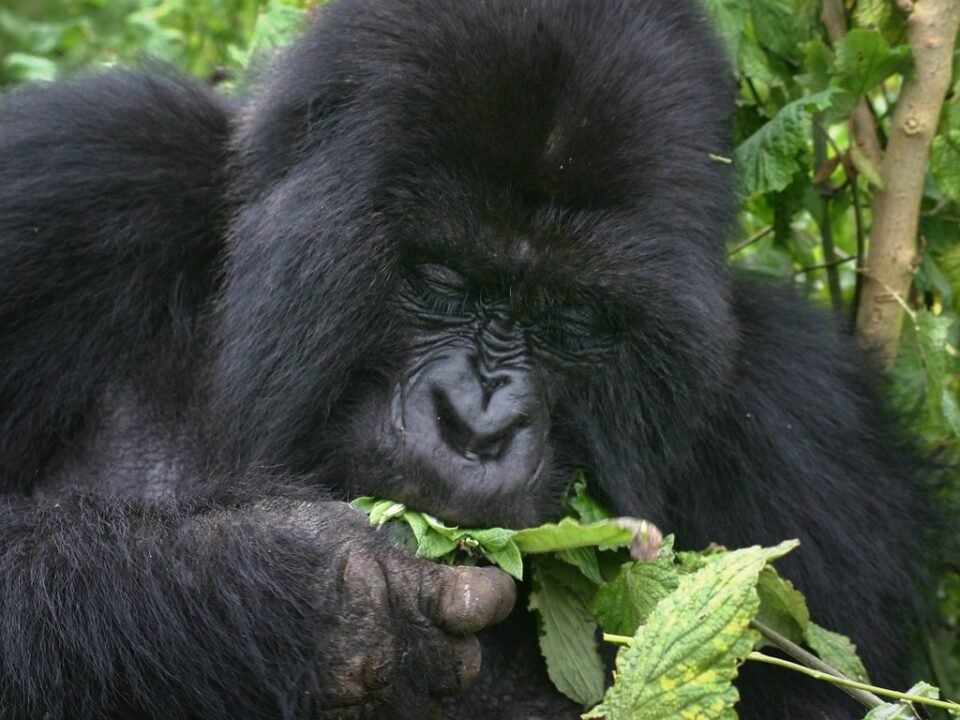
The biggest difference between gorilla trekking and chimpanzee trekking lies in the nature of the encounter itself. Mountain gorillas are calm, gentle, and surprisingly relaxed around humans. Once you reach a gorilla family, the group usually remains nearby, allowing excellent opportunities for photography and observation. Many travelers describe the experience as emotional because of the strong resemblance between gorillas and humans.
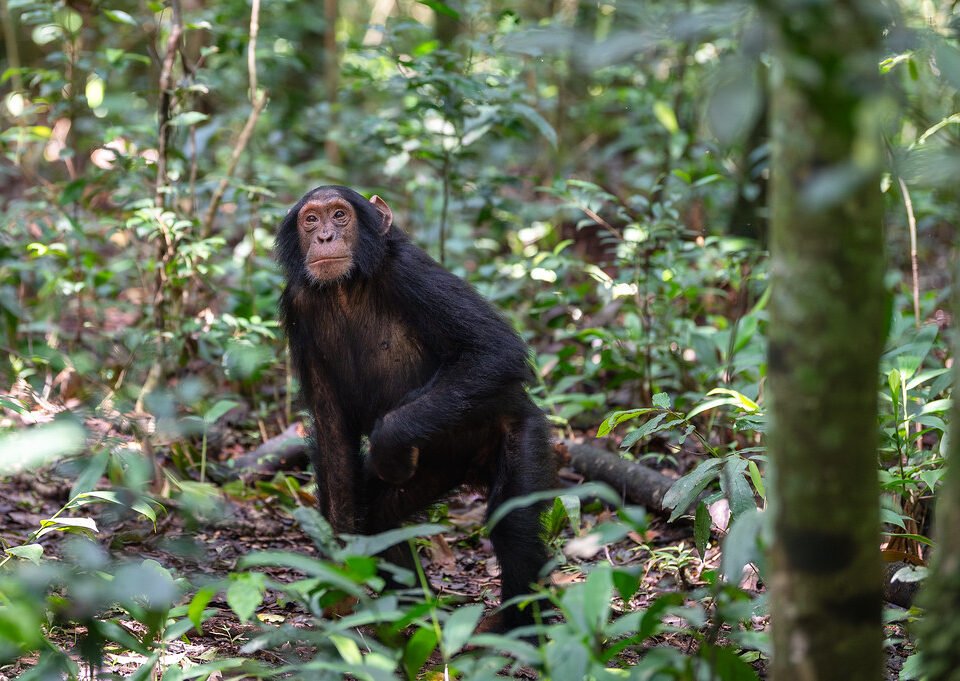
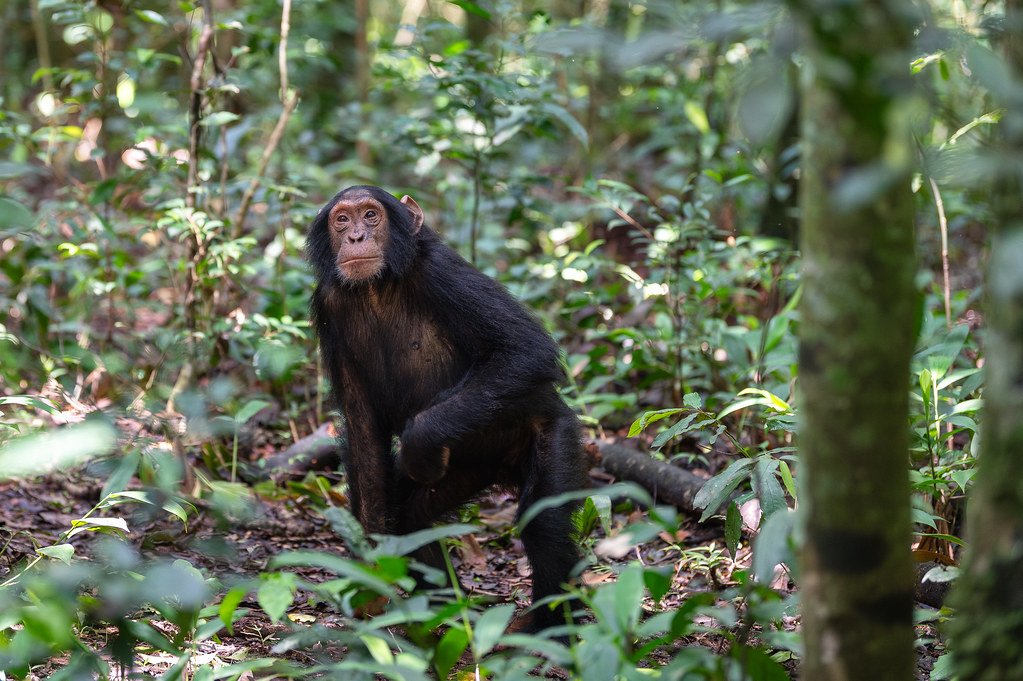
Chimpanzees, on the other hand, create a much more active encounter. They jump between branches, communicate loudly, and move rapidly through the forest. Visitors often witness social interactions, playful behavior, and occasional displays of dominance among troop members. While gorilla encounters feel intimate and peaceful, chimpanzee encounters tend to be lively and exciting. Therefore, travelers who enjoy action may prefer chimpanzee trekking, while those seeking a deeper emotional connection often favor gorilla trekking.
Why Gorilla Trekking Feels More Personal?
Many visitors consider gorilla trekking one of the most profound wildlife experiences on Earth. Sitting just a few meters away from a massive silverback creates a sense of awe that is difficult to describe. The gorillas often maintain eye contact, continue their daily routines, and display family bonds that closely resemble human behavior. Because gorilla families usually remain together in one area, visitors enjoy extended observation without constantly changing positions. This close interaction often leaves a lasting emotional impact.
Why Chimpanzee Trekking Feels More Dynamic
Chimpanzee trekking offers a completely different type of excitement. Chimpanzees are highly intelligent and remarkably expressive. Their vocalizations echo through the forest long before visitors see them. Once located, they may swing overhead, race through vegetation, or interact energetically with other troop members. Every trek feels unique because chimpanzee behavior changes throughout the day. For travelers who enjoy fast-paced wildlife encounters, this experience delivers constant excitement.
Best Destinations for Gorilla vs Chimpanzee Trekking
Uganda remains one of Africa’s leading destinations for both activities. Gorilla trekking takes place primarily in the dense forests of Bwindi Impenetrable National Park and Mgahinga Gorilla National Park. These protected areas host nearly half of the world’s remaining mountain gorillas and offer some of the best trekking opportunities available.
Chimpanzee trekking is popular in Kibale National Park, often called the primate capital of East Africa. The park supports one of the highest concentrations of chimpanzees on the continent. Visitors can also track chimpanzees in Budongo Forest, Kyambura Gorge, and Kalinzu Forest. Tavira Africa Safaris specializes in combining these destinations into one seamless itinerary, allowing travelers to enjoy both experiences during a single safari.
Gorilla vs Chimpanzee Trekking: Which Is More Challenging?
Physical effort plays a major role when comparing the two activities. Gorilla trekking often requires longer hikes through steep terrain, dense vegetation, and mountainous landscapes. Trek durations vary depending on the location of the gorilla family. Some visitors reach the gorillas within an hour, while others may trek for several hours.
Chimpanzee trekking generally involves less strenuous hiking. However, the fast-moving nature of chimpanzees sometimes requires visitors to keep pace through uneven forest trails. Although both activities require a reasonable level of fitness, gorilla trekking is typically considered the more demanding experience. Nevertheless, the reward at the end of the hike makes every step worthwhile.
Cost Comparison Between Gorilla and Chimpanzee Trekking
Budget is another important consideration when deciding between these experiences. Gorilla trekking permits are significantly more expensive due to the limited number of permits available and the extensive conservation efforts required to protect mountain gorillas. These permit fees directly support conservation programs, local communities, and park management.
Chimpanzee trekking permits are generally more affordable, making them attractive for travelers with limited budgets. For visitors seeking maximum value, combining both activities often creates the ultimate primate safari experience. Tavira Africa Safaris offers customized itineraries that balance cost, comfort, and adventure while delivering exceptional wildlife encounters.
Conservation Benefits of Both Experiences
One of the most rewarding aspects of trekking great apes is knowing that your visit contributes to conservation. Tourism revenue supports anti-poaching initiatives, habitat protection, scientific research, and community development projects. The success of mountain gorilla conservation stands as one of Africa’s greatest wildlife achievements. Likewise, chimpanzee tourism generates funding that helps protect endangered populations and preserve critical forest ecosystems.
By participating in either activity, travelers directly support the long-term survival of these remarkable species. Responsible tourism continues to play a crucial role in safeguarding Africa’s natural heritage for future generations.
Should You Choose Gorilla Trekking or Chimpanzee Trekking?
The answer ultimately depends on your personal interests and expectations. If you dream of a close, emotional encounter with one of the world’s most endangered animals, gorilla trekking may be the perfect choice. The experience offers unmatched intimacy and unforgettable memories. If you prefer energetic wildlife behavior, constant movement, and fascinating social interactions, chimpanzee trekking may suit you better.
Many travelers discover that comparing Gorilla vs Chimpanzee Trekking is not about choosing one over the other. Instead, it is about appreciating two extraordinary experiences that complement each other beautifully. Each trek reveals a different side of primate life and provides a deeper understanding of our closest relatives in the animal kingdom.
Final Verdict on Gorilla vs Chimpanzee Trekking
When evaluating Gorilla vs Chimpanzee Trekking, there is no universal winner. Gorilla trekking delivers powerful emotional encounters and close observation opportunities. Chimpanzee trekking provides energy, excitement, and dynamic wildlife interactions. Both adventures rank among Africa’s most rewarding wildlife experiences and deserve a place on every traveler’s bucket list.
For the ultimate primate safari, consider combining both activities into one unforgettable journey. Tavira Africa Safaris can help you design a personalized itinerary that includes gorilla trekking, chimpanzee trekking, and other iconic East African wildlife experiences. Whether you choose one adventure or both, you will return home with memories that last a lifetime.