
Queen Elizabeth National Park
QUEEN ELIZABETH NATIONAL PARK
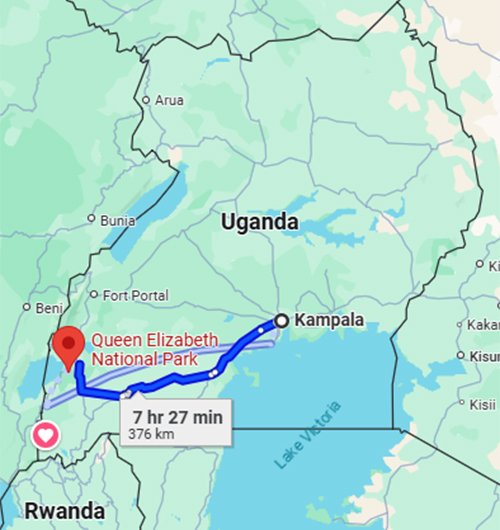
Queen Elizabeth National Park is one of Uganda’s most iconic safari destinations, covering 1,978 square kilometers in the western region of the country. Established in 1952, it is among the oldest national parks in Uganda, originally formed from the Lake George and Lake Edward game reserves created in 1925. Today, it stands out for its remarkable biodiversity, scenic landscapes, and exceptional wildlife viewing opportunities.
Located on the equator, the park is famously marked by concrete monuments along the Kasese–Mbarara road, indicating where 0° latitude crosses the region. This unique geographical position adds to the park’s global appeal as a must-visit safari destination.
Queen Elizabeth National Park supports an extraordinary range of wildlife, with over 95 mammal species and more than 600 bird species, making it one of the most biologically diverse protected areas in Africa. The park’s varied ecosystems include savannah plains, crater lakes, wetlands, and tropical forests, all of which support different animal and bird populations.
Elevation within the park ranges from about 910 meters along Lake Edward to 1,350 meters in the dramatic Katwe Explosion Craters. These volcanic landscapes create breathtaking viewpoints and unique habitats that enhance the safari experience.
Wildlife viewing in Queen Elizabeth National Park is highly rewarding. Elephants, buffaloes, and hippos are commonly seen across the park, while lions are frequently spotted in the Kasenyi Plains and Ishasha sector, the latter being especially famous for tree-climbing lions. Leopards are also present, often sighted around Mweya Peninsula and the Channel Track, though they require more patience to observe.
With its combination of diverse wildlife, scenic crater landscapes, and rich birdlife, Queen Elizabeth National Park remains Uganda’s most visited and one of its most rewarding safari destinations.
Attractions & Activities in Queen Elizabeth Park
Mweya Peninsula and the Kazinga Channel
Mweya Peninsula is the main tourism hub of Queen Elizabeth National Park and one of the most important access points for exploring Uganda’s most visited wildlife reserve. Located about 22 km west of the Kasese–Mbarara highway, Mweya sits on an elevated plateau that offers panoramic views of the Kazinga Channel and Lake Edward, making it a prime base for safari activities.
The peninsula hosts a range of tourism facilities, including luxury accommodation, Uganda Wildlife Authority (UWA) budget lodging, a marina for boat excursions, and a well-equipped Visitor Information Centre. This makes it a convenient starting point for visitors looking to explore the park’s rich ecosystems and plan their activities.
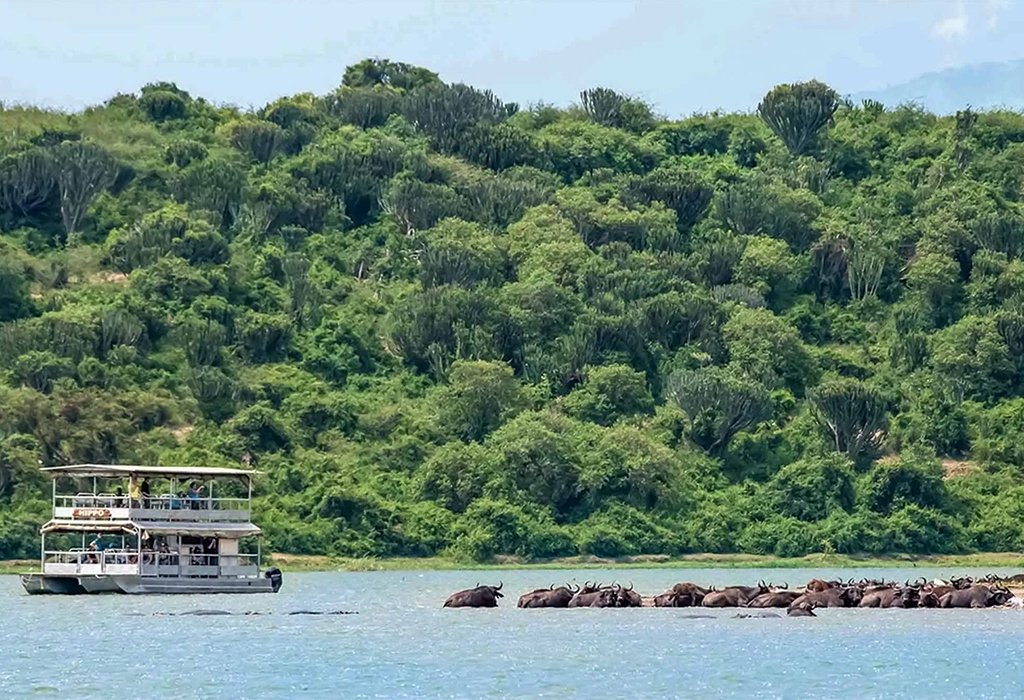
One of the most popular experiences from Mweya is the Kazinga Channel boat cruise, a highlight of any visit to Queen Elizabeth National Park. This relaxed two-hour launch trip offers exceptional wildlife viewing along the water’s edge. Visitors can observe large concentrations of hippos, Nile crocodiles, elephants, buffaloes, and a wide variety of waterbirds such as kingfishers, pelicans, and African fish eagles.
The slow pace of the boat allows for excellent photography and close-up encounters with wildlife as animals gather along the channel to drink and cool off. The Kazinga Channel, which connects Lake Edward and Lake George, is one of the best places in Africa for boat-based game viewing.
With its strategic location, diverse facilities, and access to one of Uganda’s most rewarding wildlife experiences, Mweya Peninsula remains the heart of tourism in Queen Elizabeth National Park.
Game Drives
Game drives in Queen Elizabeth National Park are among the most rewarding safari experiences in Uganda, offering a chance to explore diverse landscapes and encounter a wide variety of wildlife. The park’s open savannahs, crater lakes, wetlands, and woodlands create ideal conditions for excellent game viewing throughout the year.
The Kasenyi Plains, located about 30 minutes from Mweya Peninsula, are one of the best areas for classic big game sightings. This open grassland ecosystem is especially known for large populations of Uganda kob, which serve as the primary prey for lions. As a result, Kasenyi is one of the top locations in the park for spotting lions, particularly during early morning and late afternoon game drives when predators are most active.
For visitors interested in predator tracking, ranger-guided drives provide valuable insights into lion, leopard, and hyena behavior. In some cases, specialized conservation initiatives such as the Uganda Predator Project help monitor and locate these elusive carnivores, increasing the chances of sightings while supporting research and conservation efforts.
The Ishasha sector, located in the southern part of Queen Elizabeth National Park along the route to Bwindi Impenetrable Forest, offers a different but equally impressive safari experience. This remote area is characterized by vast savannah plains dotted with fig trees and acacia woodlands. It is home to buffaloes, elephants, topis, hippos, and other plains wildlife.
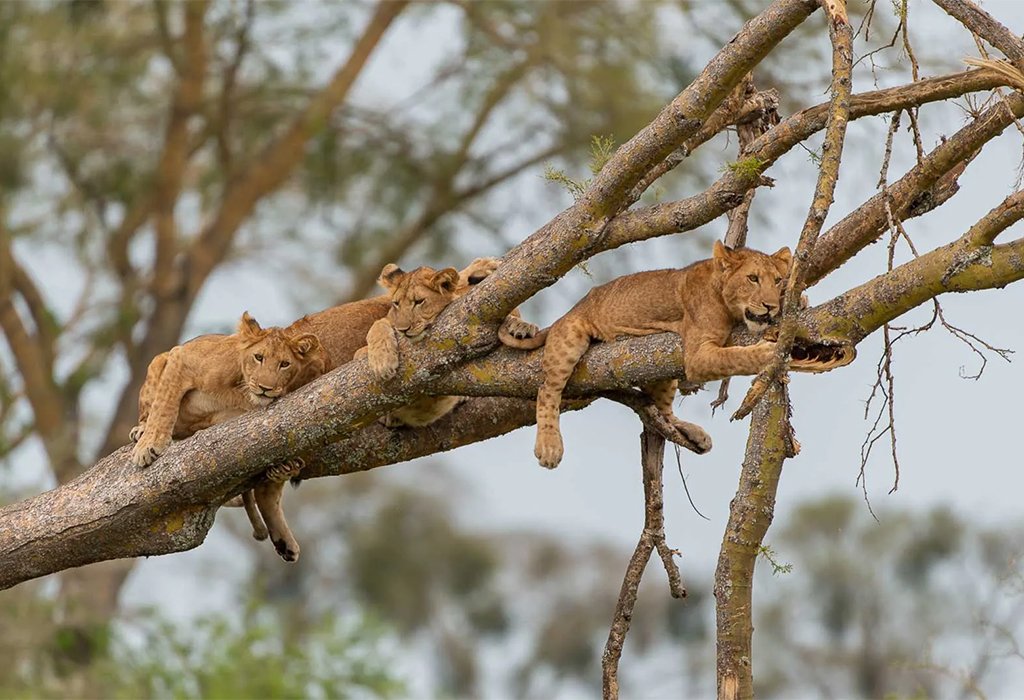
Ishasha is most famous for its tree-climbing lions, a rare behavior where lions are often seen resting in large fig trees, especially during the heat of the day. This unique wildlife phenomenon makes Ishasha one of the most iconic safari highlights in East Africa.
With its combination of predator-rich plains, scenic landscapes, and unique wildlife behavior, game drives in Queen Elizabeth National Park deliver a truly unforgettable safari experience.
Forest Walks
Kyambura Gorge is one of the most dramatic and ecologically unique features of Queen Elizabeth National Park, often referred to as the “Valley of Apes.” This deep, forested canyon stretches from the Kichwamba Escarpment down to the Kazinga Channel, creating a striking contrast between savannah landscapes and dense tropical forest. The gorge is up to 100 meters deep in some sections and offers one of Uganda’s most exciting chimpanzee tracking experiences.
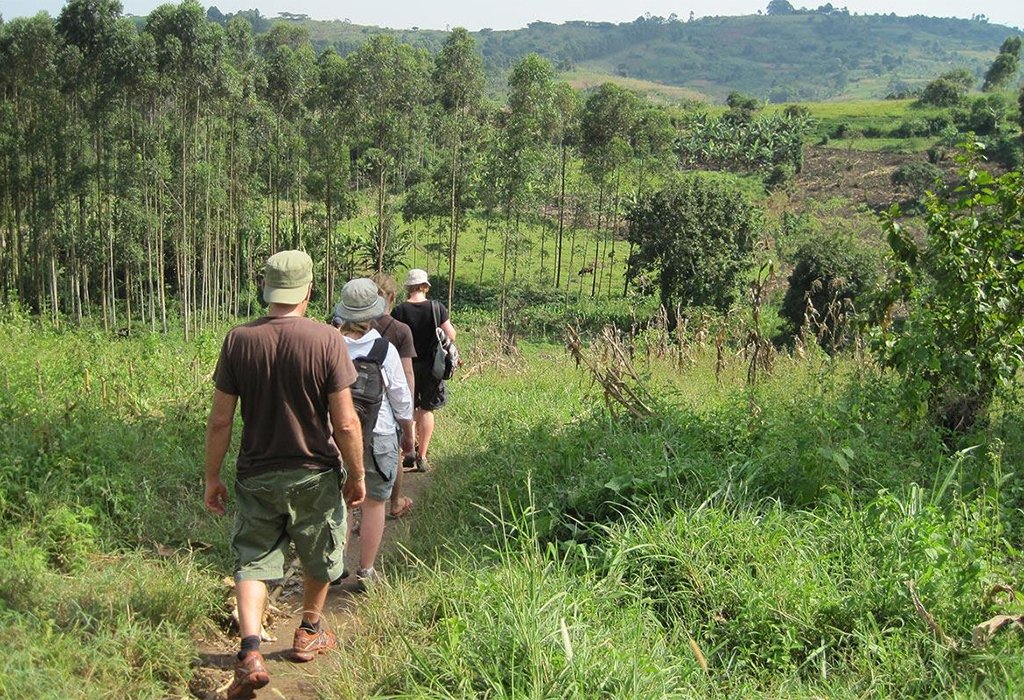
Visitors can enjoy scenic viewpoints along the escarpment before descending into the gorge for a guided trek with Uganda Wildlife Authority (UWA) rangers. The chimpanzee tracking experience here provides a rare opportunity to observe habituated chimpanzee groups moving through a natural forest corridor rich in biodiversity. Along the way, trekkers may also encounter other primates and a variety of forest bird species.
Nearby, the Maramagambo Forest adds another layer of ecological diversity to the park. Located at the base of the escarpment, this large tropical forest contrasts sharply with the surrounding savannah and supports a wide range of wildlife. Guided nature walks through Maramagambo reveal primates, butterflies, and rare birds, including the colorful Rwenzori turaco.
The forest is also home to fascinating natural features such as Lake Nyamasingire, a series of crater lakes, and the mysterious Blue Lake, known for its striking coloration. One of the most intriguing attractions is the Bat Cave, where thousands of bats roost and pythons are sometimes seen preying on them—an extraordinary example of natural predator-prey interaction.
Together, Kyambura Gorge and Maramagambo Forest offer a refreshing and biodiverse escape within Queen Elizabeth National Park, complementing the open savannah game drives with rich forest-based wildlife experiences.
Volcanic Explosion Craters
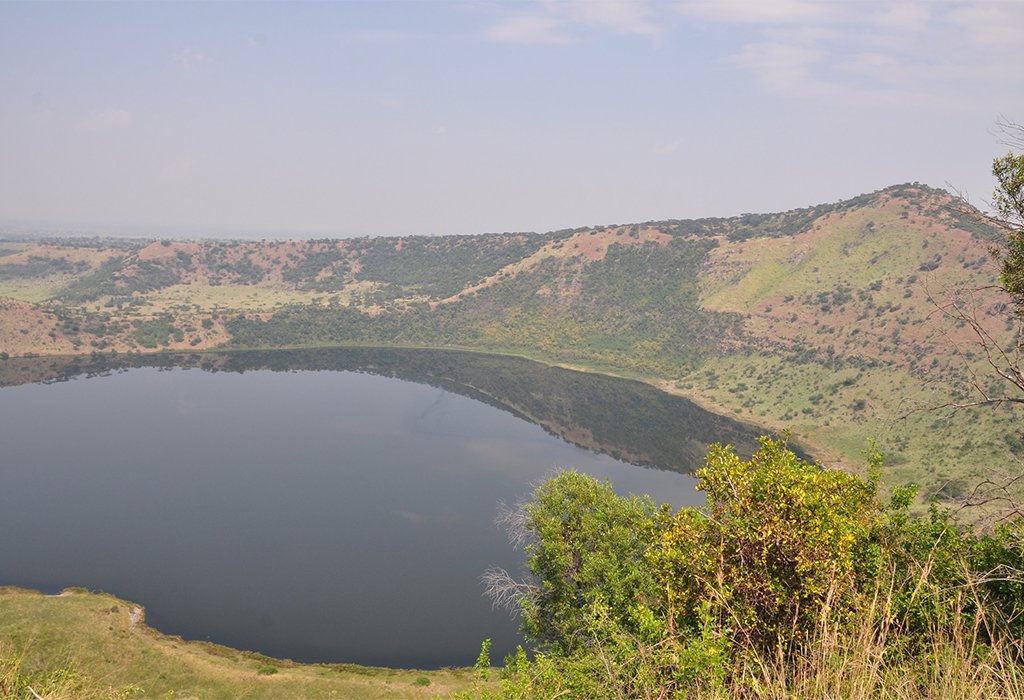
The northern region of Queen Elizabeth National Park is renowned for its spectacular volcanic crater landscapes, offering some of the most scenic and geologically fascinating views in Uganda. This area is part of the Albertine Rift Valley, shaped by ancient volcanic activity that left behind a chain of dramatic explosion craters stretching across the landscape.
A highlight of this region is the 27 km Crater Drive, a scenic route that runs between Kabatoro and the Crater Gate. This drive takes visitors around a series of extinct volcanic craters, many of which are now filled with crater lakes, forests, or open grasslands. Each crater has its own unique character, creating a constantly changing landscape that is both visually stunning and rich in geological history.
The area offers excellent photography opportunities, with panoramic viewpoints overlooking rolling hills, crater lakes, and distant savannah plains. It is also one of the best places in the park for travelers interested in volcanic formations and landscape evolution within the Rift Valley system.
At the Crater Gate, visitors can stop at the Queen’s Pavilion, a historic site that has hosted members of the British royal family. The pavilion features a small information centre and coffee shop, making it a convenient stop for learning more about the park while enjoying the views.
Along the Kasese–Katunguru highway, equator markers provide another popular stop for photos and brief educational insights about Uganda’s unique geographical position. Many visitors enjoy capturing memorable pictures here while standing on the line that divides the northern and southern hemispheres.
With its dramatic craters, sweeping views, and rich geological significance, the northern sector of Queen Elizabeth National Park offers a completely different safari experience that beautifully complements its wildlife-rich savannahs.