
Welcome to Bwindi Impenetrable National Park
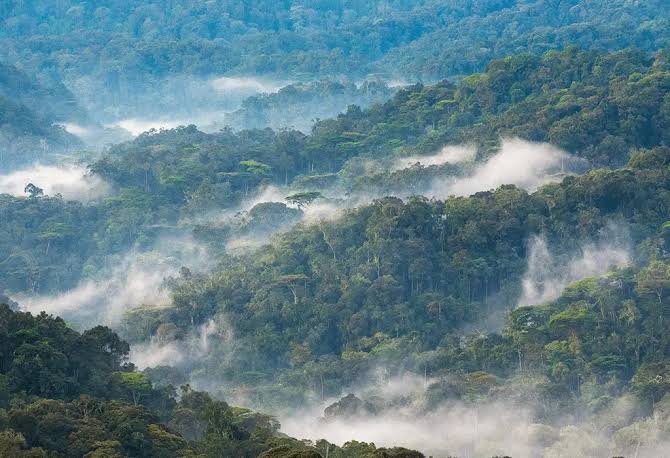
Bwindi Impenetrable National Park Uganda is one of Africa’s most extraordinary wildlife destinations and Uganda’s most celebrated natural treasure. Located in the southwestern corner of Uganda along the edge of the Albertine Rift Valley, the park is internationally renowned as one of the few places on Earth where visitors can encounter endangered mountain gorillas in their natural habitat. Covering approximately 331 square kilometers of ancient montane and lowland rainforest, Bwindi is a destination where breathtaking landscapes, remarkable biodiversity, rich cultural heritage, and world-class conservation come together to create one of the most unforgettable safari experiences in Africa.
For travelers seeking authentic wildlife encounters, Bwindi Impenetrable National Park offers much more than gorilla trekking. The park is a living ecosystem that has evolved over millions of years, supporting thousands of plant and animal species, many of which are found nowhere else in the world. Towering trees draped in moss, crystal-clear streams, mist-covered valleys, steep ridges, and dense vegetation create a mystical environment that feels untouched by time. Every journey into the forest reveals new sights, sounds, and experiences, making each visit unique regardless of the season.
Bwindi is often considered the crown jewel of Uganda’s tourism industry because it protects nearly half of the world’s remaining mountain gorilla population. Thousands of visitors from across the globe travel to the park every year for the once-in-a-lifetime opportunity to spend an unforgettable hour observing these gentle giants in their natural environment. Beyond gorilla trekking, visitors discover spectacular birdlife, colorful butterflies, rare mammals, fascinating reptiles, unique flora, scenic hiking trails, and meaningful cultural encounters with the indigenous Batwa community.
The History of Bwindi Impenetrable National Park
The story of Bwindi Impenetrable National Park stretches back millions of years, making it one of Africa’s oldest surviving forests. Scientists believe that parts of Bwindi remained forested even during the Ice Age when much of Africa experienced significant climatic changes. This remarkable continuity allowed countless plant and animal species to survive and evolve over an exceptionally long period, creating the extraordinary biodiversity that visitors admire today.
For centuries before the establishment of the national park, the forest was home to the Batwa people, one of Africa’s oldest indigenous hunter-gatherer communities. The Batwa lived in harmony with the forest, relying on its resources for food, shelter, medicine, and spiritual practices. Their extensive knowledge of medicinal plants, wildlife behavior, and forest ecology has been passed down through generations and remains an important part of the region’s cultural heritage.
During the colonial period, increasing recognition of Bwindi’s ecological importance led to the creation of forest reserves aimed at protecting its unique ecosystems. As scientific research revealed the critical role of the forest in safeguarding endangered mountain gorillas and numerous endemic species, conservation efforts intensified.
In 1991, the Ugandan government officially gazetted Bwindi Impenetrable National Park under the management of the Uganda Wildlife Authority. This marked a significant milestone in the country’s conservation history, providing stronger legal protection for one of Africa’s most valuable ecosystems. The establishment of the national park also laid the foundation for carefully managed gorilla tourism, community conservation initiatives, scientific research, and sustainable ecotourism.
Since then, Bwindi has become one of the world’s leading examples of how wildlife conservation and responsible tourism can work together to benefit both nature and local communities. Revenue generated through gorilla trekking permits supports park management, anti-poaching operations, veterinary care, habitat protection, scientific research, and community development projects in the surrounding villages.
A UNESCO World Heritage Site
Bwindi Impenetrable National Park gained global recognition in 1994 when it was inscribed as a UNESCO World Heritage Site. The designation acknowledges the park’s Outstanding Universal Value, exceptional biodiversity, and vital role in conserving one of the planet’s most endangered great apes.
UNESCO recognized Bwindi for its remarkable ecological significance, its ancient rainforest ecosystem, and the extraordinary diversity of species that inhabit the forest. The park is one of the richest ecosystems in East Africa and serves as an irreplaceable refuge for countless rare and endangered plants and animals.
Being listed as a UNESCO World Heritage Site also highlights the international responsibility to preserve Bwindi for future generations. The designation has attracted increased global support for conservation programs, scientific research, sustainable tourism, habitat restoration, and environmental education. It reinforces the importance of protecting not only the mountain gorillas but also the entire ecosystem upon which they depend.
Today, visitors who explore Bwindi are experiencing one of the world’s most valuable natural landscapes—a forest recognized internationally for its ecological importance, scientific value, and contribution to global biodiversity conservation.
An Ancient Rainforest That Has Stood the Test of Time
One of the defining characteristics of Bwindi Impenetrable National Park is its incredible age. The forest is estimated to be more than 25,000 years old, with some ecological evidence suggesting that portions of the forest survived multiple climatic shifts over hundreds of thousands of years. This ancient history has allowed an extraordinary variety of plants and animals to evolve together within a relatively stable environment.
The name “Impenetrable” reflects the dense vegetation that covers the park. Thick vines, towering hardwood trees, giant ferns, tangled undergrowth, bamboo stands, and moss-covered branches combine to form one of Africa’s densest tropical forests. In many places, sunlight barely reaches the forest floor, creating a cool, humid environment that supports an abundance of life.
Walking through Bwindi is like stepping into a prehistoric world. Massive tree trunks rise high above the canopy while colorful fungi, orchids, lichens, and climbing plants cover nearly every available surface. Hidden waterfalls, clear streams, and mist-filled valleys add to the forest’s enchanting atmosphere, making it one of the most visually stunning protected areas in Africa.
The ancient rainforest also performs vital ecological functions. It captures and stores large amounts of carbon, regulates local climate, protects important watersheds, prevents soil erosion, and provides clean water to surrounding communities. These ecosystem services make Bwindi not only important for wildlife but also for the livelihoods and well-being of people living around the park.
Home to the Endangered Mountain Gorillas
Bwindi Impenetrable National Park is best known as one of the world’s premier destinations for mountain gorilla trekking. The park protects nearly half of the global population of endangered mountain gorillas, making it one of the most important conservation areas for this iconic species.
Mountain gorillas are found only in the high-altitude forests of Uganda, Rwanda, and the Democratic Republic of the Congo. Unlike lowland gorillas, mountain gorillas have adapted to cooler climates and mountainous terrain, developing thick fur that helps them survive in dense montane forests.
Within Bwindi, numerous habituated gorilla families are carefully monitored by experienced trackers, researchers, veterinarians, and Uganda Wildlife Authority rangers. Through responsible tourism, visitors have the unique opportunity to observe these remarkable primates as they feed, groom, communicate, care for their young, and interact within their family groups.
Meeting mountain gorillas in the wild is often described as one of the greatest wildlife experiences on Earth. Watching a massive silverback calmly protect his family, observing playful juveniles climbing trees, or seeing mothers gently care for their infants creates unforgettable memories while fostering a deeper appreciation for wildlife conservation.
Every gorilla trekking permit purchased contributes directly to the protection of these endangered animals, supporting anti-poaching patrols, veterinary interventions, scientific monitoring, habitat management, and community conservation initiatives.
Extraordinary Biodiversity
Although mountain gorillas attract most visitors, Bwindi Impenetrable National Park is one of Africa’s richest biodiversity hotspots. Its unique location where East African and Central African ecosystems converge has created an exceptional concentration of wildlife and plant life within a relatively small area.
The park supports more than 120 mammal species, including forest elephants, giant forest hogs, bushbucks, African golden cats, duikers, civets, and several species of primates such as black-and-white colobus monkeys, blue monkeys, red-tailed monkeys, L’Hoest’s monkeys, vervet monkeys, and olive baboons.
Bwindi is equally famous among birdwatchers. The park is home to more than 350 recorded bird species, including numerous Albertine Rift endemics that are found in only a handful of locations worldwide. Species such as the African green broadbill, Shelley’s crimsonwing, Grauer’s swamp warbler, handsome francolin, and African emerald cuckoo make Bwindi one of Africa’s premier birding destinations.
The botanical diversity is equally remarkable. Scientists have documented over 1,000 flowering plant species, hundreds of tree species, numerous fern varieties, orchids, shrubs, vines, medicinal plants, mosses, fungi, and other unique vegetation that sustain the forest’s complex ecological web.
The combination of diverse habitats, varied elevation, abundant rainfall, and ancient geological history has allowed Bwindi to become one of the most biologically important protected areas anywhere in Africa.
The Importance of Bwindi Impenetrable National Park
Bwindi Impenetrable National Park plays a vital role far beyond tourism. Ecologically, it serves as one of East Africa’s most important carbon sinks, helping to absorb atmospheric carbon dioxide and mitigate climate change. Its forests protect critical watersheds that supply clean water to surrounding communities, support agriculture, and sustain local ecosystems.
Scientifically, Bwindi provides researchers with valuable opportunities to study primate behavior, forest ecology, climate adaptation, disease transmission, biodiversity, and conservation biology. Decades of research conducted within the park have contributed significantly to global understanding of mountain gorillas and tropical rainforest ecosystems.
Economically, Bwindi is a major driver of Uganda’s tourism industry. Gorilla trekking attracts visitors from around the world, generating foreign exchange, creating employment opportunities, supporting hotels and lodges, encouraging investment in infrastructure, and improving livelihoods for communities surrounding the park.
Culturally, Bwindi preserves the heritage of the Batwa people while promoting cultural tourism that celebrates traditional knowledge, music, storytelling, hunting techniques, and medicinal practices. Responsible cultural experiences help preserve these traditions while creating alternative sources of income for former forest inhabitants.
Conservation Success and Sustainable Tourism
Bwindi Impenetrable National Park represents one of Africa’s greatest conservation success stories. Through the collaborative efforts of the Uganda Wildlife Authority, conservation organizations, researchers, local communities, international partners, veterinarians, and responsible tourism operators, the population of mountain gorillas has shown encouraging recovery over recent decades.
Conservation activities within the park include anti-poaching patrols, wildlife monitoring, habitat protection, veterinary care through specialized gorilla health programs, ecological research, environmental education, community outreach, and revenue-sharing initiatives that ensure neighboring communities benefit directly from tourism.
Strict gorilla trekking regulations—including limited visitor numbers, controlled viewing times, minimum viewing distances, health screening, and trained ranger guides—help minimize disturbance while ensuring that tourism remains sustainable. These carefully managed practices have made Bwindi a global model for balancing wildlife conservation with tourism.
Today, every visitor who purchases a gorilla trekking permit contributes directly to protecting one of the world’s most endangered great apes while supporting conservation initiatives that preserve the entire rainforest ecosystem.
A World-Class Tourism Destination
Bwindi Impenetrable National Park has earned its reputation as one of Africa’s premier ecotourism destinations. Visitors can choose from luxury safari lodges, comfortable mid-range accommodations, and budget-friendly options located around the park’s four main trekking sectors: Buhoma, Ruhija, Rushaga, and Nkuringo.
In addition to gorilla trekking, the park offers guided nature walks, bird watching excursions, waterfall hikes, community visits, Batwa cultural experiences, forest trekking, butterfly observation, photography tours, conservation experiences, and opportunities to explore some of Uganda’s most spectacular mountain scenery.
Many travelers combine Bwindi with other iconic destinations such as Queen Elizabeth National Park, Kibale National Park, Lake Bunyonyi, Mgahinga Gorilla National Park, and Volcanoes National Park in Rwanda, creating unforgettable East African safari itineraries.
Whether you are seeking a once-in-a-lifetime gorilla encounter, an immersive rainforest adventure, exceptional birdwatching, meaningful cultural experiences, or a deeper understanding of conservation, Bwindi Impenetrable National Park offers an experience unlike any other. Its ancient forests, extraordinary wildlife, global conservation significance, and warm local hospitality make it one of the finest natural destinations on the African continent and a place that leaves a lasting impression on every visitor.
Why Visit Bwindi Impenetrable National Park?
Bwindi Impenetrable National Park is one of Africa’s most extraordinary natural destinations and a place that consistently ranks among the world’s best wildlife experiences. Located in the lush highlands of southwestern Uganda, this UNESCO World Heritage Site is globally celebrated for its exceptional mountain gorilla trekking experiences, ancient rainforest, remarkable biodiversity, and breathtaking landscapes. Whether you are a wildlife enthusiast, nature lover, photographer, birdwatcher, conservation supporter, or adventure traveler, Bwindi offers an unforgettable journey into one of the oldest and most biologically diverse forests on Earth.
Every year, thousands of visitors travel from every corner of the world to experience the magic of Bwindi. While the opportunity to meet endangered mountain gorillas is the main attraction, visitors quickly discover that the park offers far more than a single wildlife encounter. Towering rainforest trees, mist-covered mountains, colorful birdlife, hidden waterfalls, vibrant local communities, luxury eco-lodges, and authentic cultural experiences make Bwindi one of Uganda’s most rewarding safari destinations.
Home to Nearly Half of the World’s Remaining Mountain Gorillas
The greatest reason to visit Bwindi Impenetrable National Park is the opportunity to observe endangered mountain gorillas in their natural habitat. Bwindi protects nearly half of the world’s remaining mountain gorilla population, making it one of the most important conservation areas for these magnificent great apes.
Mountain gorillas are found only in the mountainous forests of Uganda, Rwanda, and the Democratic Republic of the Congo. Unlike western or eastern lowland gorillas, mountain gorillas inhabit cool, misty forests at high elevations and have evolved thick black fur that helps them survive in these unique environments.
Bwindi is home to numerous habituated gorilla families spread across its four trekking sectors: Buhoma, Rushaga, Ruhija, and Nkuringo. Visitors join small guided groups led by experienced Uganda Wildlife Authority rangers who track the gorillas through the dense rainforest. Once located, visitors spend one unforgettable hour observing the gorillas as they feed, groom, communicate, play, and interact within their family groups.
Watching a giant silverback calmly monitor his family, playful juveniles climbing vines, or mothers caring for their infants creates a powerful wildlife experience that few destinations on Earth can match. Every gorilla trek also contributes directly to conservation through permit fees that support wildlife protection, veterinary care, scientific research, anti-poaching patrols, and community development.
Explore One of Africa’s Oldest Rainforests
Bwindi Impenetrable National Park is much more than a gorilla sanctuary. It is one of Africa’s oldest surviving tropical rainforests, with a history stretching back more than 25,000 years. Scientists believe parts of the forest survived the last Ice Age, allowing countless plant and animal species to evolve over thousands of years within a relatively stable ecosystem.
The word “Impenetrable” perfectly describes the forest. Dense vegetation, towering hardwood trees, giant ferns, tangled vines, bamboo thickets, and thick undergrowth create an enchanting landscape unlike any other in East Africa. Morning mist often drifts through the canopy, while the sounds of birds, insects, and primates echo through the forest.
Walking through Bwindi feels like entering another world. Ancient trees rise high above the forest floor, moss-covered branches create natural tunnels, and hidden streams flow through deep valleys. Every trail reveals spectacular scenery and a remarkable diversity of life.
Beyond its beauty, the forest plays an essential ecological role by storing carbon, regulating local climate, protecting watersheds, preventing soil erosion, and providing clean water to nearby communities.
Experience Exceptional Biodiversity
Bwindi Impenetrable National Park is recognized as one of the richest biodiversity hotspots in Africa. Its location within the Albertine Rift, combined with varying elevations and ancient rainforest ecosystems, has created ideal conditions for an astonishing variety of plants and animals.
The park supports over 120 mammal species, including forest elephants, giant forest hogs, bushbucks, duikers, African golden cats, civets, and several primate species. Visitors may also encounter black-and-white colobus monkeys, blue monkeys, red-tailed monkeys, L’Hoest’s monkeys, vervet monkeys, olive baboons, and numerous smaller mammals hidden within the dense vegetation.
Bwindi is equally remarkable for its botanical diversity. More than 1,000 flowering plant species, hundreds of tree species, medicinal plants, orchids, shrubs, climbers, ferns, fungi, and mosses thrive throughout the forest, creating one of the most complex ecosystems in East Africa.
This extraordinary biodiversity makes every walk through Bwindi an opportunity to discover something new, whether it is a rare butterfly, a colorful bird, a flowering orchid, or fresh signs of wildlife.
A Paradise for Birdwatchers
Bwindi Impenetrable National Park is internationally recognized as one of Africa’s finest birdwatching destinations. The park has recorded more than 350 bird species, including many Albertine Rift endemics that are difficult or impossible to see elsewhere.
Bird enthusiasts visit Bwindi in search of iconic species such as the African green broadbill, Shelley’s crimsonwing, Grauer’s swamp warbler, handsome francolin, African emerald cuckoo, Rwenzori turaco, black bee-eater, and mountain masked apalis.
Several dedicated birding trails, particularly around Buhoma and Ruhija, provide outstanding opportunities for both experienced birders and beginners. Early morning forest walks reveal colorful turacos gliding through the canopy, sunbirds feeding on flowering plants, and numerous forest specialists calling from the dense vegetation.
Because birds can be observed throughout the year, Bwindi remains a rewarding destination for birdwatchers regardless of the season.
Discover the Rich Heritage of the Batwa People
Long before Bwindi became a national park, the forest was home to the Batwa people, one of Africa’s oldest indigenous hunter-gatherer communities. For generations, the Batwa lived sustainably within the forest, relying on its plants, animals, and natural resources for survival while developing an intimate understanding of its ecology.
Today, visitors have the opportunity to participate in the Batwa Cultural Experience, where community members share their traditional way of life through storytelling, music, dance, hunting demonstrations, fire-making techniques, medicinal plant knowledge, and visits to traditional forest sites.
These cultural experiences provide valuable insights into the history of the forest while supporting local livelihoods and helping preserve Batwa traditions for future generations.
Spectacular Scenery at Every Turn
Few destinations in Uganda offer scenery as dramatic and diverse as Bwindi Impenetrable National Park. The landscape is characterized by rolling hills, steep ridges, deep valleys, dense rainforest, crystal-clear streams, cascading waterfalls, and panoramic viewpoints overlooking layers of mist-covered mountains.
Each of the park’s four sectors offers unique scenery. Buhoma features lush river valleys and mature rainforest, Ruhija boasts high-altitude ridges and excellent birdwatching habitats, Rushaga offers sweeping mountain views and extensive gorilla habitat, while Nkuringo is famous for its spectacular scenery overlooking the Virunga Volcanoes and the Great Rift Valley.
Whether viewed from a luxury lodge veranda at sunrise or while hiking through the forest, the landscapes of Bwindi consistently leave visitors in awe.
Stay in World-Class Luxury Eco-Lodges
Bwindi offers some of Uganda’s finest safari accommodation, combining luxury, sustainability, and exceptional hospitality. High-end eco-lodges provide elegant cottages, spacious suites, gourmet dining, spa services, fireplaces, and panoramic forest views while maintaining a strong commitment to environmental conservation.
Many luxury lodges are strategically located near gorilla trekking trailheads, allowing guests to reach briefing points quickly while enjoying peaceful surroundings immersed in nature. Warm Ugandan hospitality, personalized service, and unforgettable views make these properties an ideal base for exploring the park.
For honeymooners, photographers, wildlife enthusiasts, and luxury travelers, Bwindi’s premium accommodations offer comfort without compromising the authentic wilderness experience.
Excellent Budget and Mid-Range Accommodation
One of Bwindi’s greatest strengths is that it caters to every type of traveler. Budget-conscious visitors can choose from comfortable guesthouses, campsites, community lodges, and affordable safari lodges that provide clean accommodation, delicious local cuisine, and easy access to gorilla trekking sectors.
Mid-range lodges offer an excellent balance between comfort and value, featuring private cottages, ensuite bathrooms, beautiful forest views, and quality dining at reasonable prices. This wide range of accommodation ensures that visiting Bwindi is possible for backpackers, families, photographers, luxury travelers, and organized safari groups alike.
A Dream Destination for Nature and Wildlife Photography
Bwindi Impenetrable National Park is one of Africa’s premier photography destinations. From intimate portraits of mountain gorillas to dramatic rainforest landscapes, colorful birds, butterflies, orchids, waterfalls, and mist-covered mountains, every corner of the park presents extraordinary photographic opportunities.
Morning light filtering through the rainforest canopy creates magical conditions for landscape photography, while patient observation often rewards photographers with remarkable wildlife moments. The opportunity to capture a silverback gorilla in its natural habitat is considered one of the greatest achievements in wildlife photography.
Whether using a professional DSLR, mirrorless camera, or smartphone, visitors leave Bwindi with unforgettable images and memories.
Adventure Beyond Gorilla Trekking
While gorilla trekking is the park’s signature activity, Bwindi offers a wide range of adventures for visitors seeking to explore deeper into the rainforest. Guided nature walks lead through ancient forest trails to hidden waterfalls and scenic viewpoints, while birdwatching excursions reveal some of Africa’s rarest forest birds.
Visitors can also enjoy community walks, coffee farm tours, mountain biking in surrounding villages, butterfly watching, forest hikes, cultural performances, and conservation experiences. These activities allow travelers to appreciate the park’s remarkable diversity while supporting local communities and sustainable tourism.
A Global Conservation Success Story
Bwindi Impenetrable National Park stands as one of the world’s greatest examples of successful wildlife conservation. Through the combined efforts of the Uganda Wildlife Authority, conservation organizations, researchers, veterinarians, local communities, and responsible tourism operators, mountain gorilla populations have steadily increased over recent decades.
Tourism has played a vital role in this success. Revenue generated through gorilla permits funds anti-poaching patrols, habitat protection, veterinary care, scientific research, ranger training, environmental education, and community development projects.
By visiting Bwindi, travelers become active participants in protecting one of Earth’s most endangered great apes and preserving one of Africa’s oldest rainforests for future generations.
An Unforgettable Safari Destination
Bwindi Impenetrable National Park offers an extraordinary combination of wildlife, adventure, culture, conservation, and breathtaking scenery found nowhere else on Earth. From standing just meters away from a mountain gorilla family to hiking through ancient rainforest, meeting the Batwa people, photographing rare birds, or simply relaxing at a forest lodge surrounded by nature, every experience in Bwindi leaves a lasting impression.
Whether you are planning your first safari in Uganda or returning to explore more of East Africa, Bwindi promises an unforgettable journey into one of the planet’s most remarkable natural landscapes. It is not simply a destination for gorilla trekking—it is a place where conservation, biodiversity, culture, and adventure come together to create one of the world’s greatest wildlife experiences.
Scientific Research and Conservation Studies in Bwindi Impenetrable National Park
Bwindi Impenetrable National Park as a Global Research Centre
Bwindi Impenetrable National Park has become one of Africa’s leading destinations for wildlife research and tropical rainforest science. Its ancient rainforest, exceptional biodiversity, and internationally significant population of endangered mountain gorillas have attracted researchers, universities, conservation organizations, and environmental experts from around the world for many decades. The knowledge generated from studies conducted within the park has played a vital role in protecting mountain gorillas, improving rainforest management, and shaping conservation policies not only in Uganda but across the entire Albertine Rift region. Today, Bwindi serves as a living laboratory where scientists continue to deepen our understanding of one of the world’s most complex and valuable ecosystems.
Research on Mountain Gorilla Behaviour and Ecology
Mountain gorillas remain the primary focus of scientific research in Bwindi Impenetrable National Park. Researchers spend years observing habituated gorilla families to better understand their social organization, communication, feeding behaviour, territorial movements, reproduction, parenting, and interactions between different family groups. Long-term monitoring allows conservationists to identify changes in gorilla populations, monitor births and deaths, and assess the health of individual gorilla families. These studies have greatly expanded scientific knowledge of mountain gorillas while providing valuable information that guides the Uganda Wildlife Authority in managing gorilla tourism responsibly and ensuring that visitors have minimal impact on the animals’ natural behaviour.
Understanding the Ancient Rainforest Ecosystem
Beyond gorillas, Bwindi’s ancient rainforest provides scientists with an exceptional opportunity to study tropical forest ecology. Researchers have documented more than one thousand plant species, including giant hardwood trees, bamboo, shrubs, medicinal plants, orchids, ferns, mosses, climbing vines, and fungi. By examining how these plants grow, regenerate, and interact with wildlife, researchers gain important insights into forest succession, nutrient cycling, carbon storage, watershed protection, and ecosystem resilience. This information helps conservation managers maintain the health of one of Africa’s oldest surviving rainforests while contributing to international efforts aimed at protecting tropical forests worldwide.
Monitoring Wildlife Beyond Mountain Gorillas
Scientific research within Bwindi extends far beyond mountain gorillas. The park supports more than 120 mammal species, over 350 bird species, numerous reptiles, amphibians, butterflies, and thousands of insects. Researchers regularly monitor wildlife populations to understand habitat preferences, breeding success, seasonal movements, and long-term population trends. Bird specialists continue to study rare Albertine Rift endemic species such as the African Green Broadbill and Shelley’s Crimsonwing, while mammal researchers investigate the ecology of forest elephants, duikers, primates, and other rainforest species. These studies contribute to a better understanding of how different species coexist within Bwindi’s highly diverse ecosystem.
Climate Change Research in Bwindi Impenetrable National Park
As climate change continues to affect ecosystems around the world, Bwindi has become an increasingly important location for environmental monitoring. Scientists study rainfall patterns, temperature variations, humidity, vegetation growth, and water availability to understand how changing climatic conditions influence the rainforest and its wildlife. Long-term climate data collected within the park helps researchers predict future environmental changes and develop adaptive conservation strategies that protect mountain gorillas and the many other species that depend on this unique habitat.
Wildlife Health and Disease Monitoring
Protecting the health of mountain gorillas is one of the highest conservation priorities in Bwindi Impenetrable National Park. Because mountain gorillas share approximately 98 percent of their DNA with humans, they are vulnerable to many of the same diseases, particularly respiratory infections. Veterinarians, wildlife health specialists, and conservation partners work closely with the Uganda Wildlife Authority to monitor gorilla health, investigate unusual illnesses, and provide emergency veterinary care whenever necessary. Scientific research has also led to the development of strict gorilla trekking regulations, including health screening, maintaining a safe viewing distance, and limiting the number of visitors allowed to visit each gorilla family every day.
Community-Based Conservation Research
Scientific studies in Bwindi also examine the relationship between conservation and local communities. Researchers work closely with villages surrounding the national park to understand how tourism, conservation programmes, revenue-sharing initiatives, and community development projects affect local livelihoods. These studies have demonstrated that successful wildlife conservation depends on ensuring that neighboring communities receive tangible benefits from tourism while actively participating in the protection of the forest. Findings from this research continue to guide sustainable tourism policies that balance conservation with economic development.
International Research Partnerships
Bwindi Impenetrable National Park benefits from strong partnerships between the Uganda Wildlife Authority, universities, conservation organizations, veterinary institutions, and international research centres. These collaborations bring together experts from different scientific disciplines who contribute knowledge, technology, training, and financial support to strengthen conservation efforts. Ongoing partnerships have improved wildlife monitoring techniques, enhanced ecological research, expanded conservation education, and supported the long-term protection of one of Africa’s most valuable natural landscapes.
How Scientific Research Supports Conservation
The scientific discoveries made in Bwindi over the past several decades have transformed the way mountain gorillas and tropical rainforests are protected. Research findings have influenced gorilla tourism policies, strengthened anti-poaching strategies, improved veterinary care, guided habitat restoration projects, and informed environmental education programmes throughout Uganda. By combining scientific knowledge with practical conservation management, Bwindi has become one of the world’s leading examples of successful wildlife conservation.
The Future of Scientific Research in Bwindi
Scientific research will continue to play a central role in safeguarding Bwindi Impenetrable National Park for future generations. As environmental challenges such as climate change, habitat fragmentation, emerging diseases, and increasing tourism continue to evolve, researchers will remain essential in developing innovative conservation solutions. Through continued collaboration between scientists, conservation organizations, government agencies, local communities, and responsible tourism operators, Bwindi will continue to serve as a global model for protecting biodiversity while providing unforgettable experiences for visitors from around the world.
Conclusion
Bwindi Impenetrable National Park is more than Uganda’s most famous national park—it is one of the world’s greatest wildlife destinations and a symbol of successful conservation. From the moment you enter its ancient rainforest, you are immersed in a landscape that has remained largely unchanged for thousands of years. The towering trees, mist-covered valleys, vibrant birdlife, remarkable biodiversity, and unforgettable encounters with endangered mountain gorillas create an experience unlike any other in Africa. Every trail through the forest tells a story of nature, resilience, and the extraordinary efforts that continue to protect this globally significant ecosystem.
Whether your dream is to stand face-to-face with a mountain gorilla family, discover rare Albertine Rift bird species, hike through one of Africa’s oldest rainforests, learn about the traditions of the Batwa people, or simply enjoy the breathtaking scenery of southwestern Uganda, Bwindi Impenetrable National Park offers an adventure that exceeds expectations. With four unique gorilla trekking sectors, a wide range of accommodation options, exceptional guiding services, and countless opportunities for wildlife viewing, photography, birdwatching, and cultural exploration, the park promises unforgettable memories for every visitor.
Every visit to Bwindi also contributes to something much greater than an incredible holiday. Gorilla trekking tourism directly supports wildlife conservation, scientific research, anti-poaching initiatives, veterinary care, habitat protection, and community development projects that improve the lives of people living around the park. By choosing to visit Bwindi, you become part of a global conservation success story that has helped safeguard one of the world’s last remaining populations of endangered mountain gorillas while ensuring that future generations can continue to experience this extraordinary rainforest.
At Tavira Africa Safaris, we believe that every safari should be carefully planned to deliver authentic experiences, exceptional service, and lasting memories. Our experienced safari consultants and professional driver-guides have extensive knowledge of Bwindi Impenetrable National Park and the surrounding destinations, allowing us to create personalized itineraries that match your interests, travel style, budget, and schedule. Whether you are planning a luxury gorilla trekking safari, a budget-friendly adventure, a family holiday, a honeymoon, a birdwatching expedition, or a combined Uganda and Rwanda safari, we are committed to making every detail of your journey seamless from the moment you contact us until you return home.
From securing your Uganda gorilla trekking permits and selecting the most suitable trekking sector to arranging comfortable accommodation, reliable transportation, experienced guides, and additional safari activities, Africa Gorilla Trips takes care of every aspect of your adventure. Our passion for Uganda’s wildlife, landscapes, and cultures is reflected in every itinerary we design, ensuring that each guest enjoys a safe, memorable, and truly immersive African safari experience.
If you have always dreamed of visiting Bwindi Impenetrable National Park, there has never been a better time to turn that dream into reality. Let Africa Gorilla Trips help you discover one of Africa’s most spectacular natural wonders, where every trek into the rainforest brings you closer to nature, conservation, and one of the most inspiring wildlife encounters on Earth.
Contact Africa Gorilla Trips today to start planning your tailor-made Bwindi gorilla trekking safari. We look forward to welcoming you to Uganda and sharing the magic of Bwindi Impenetrable National Park with you through an unforgettable journey filled with adventure, discovery, and lifelong memories.