Why Do Birders Love Uganda?
Uganda has earned a global reputation as one of Africa’s finest birdwatching destinations. Every year, thousands of enthusiasts travel to the country to experience the incredible diversity of birdlife found across its national parks, wetlands, forests, lakes, mountains, and savannahs. Birders Love Uganda because the country offers an unmatched combination of species richness, accessible habitats, stunning scenery, and rewarding wildlife experiences. Although Uganda occupies a relatively small area on the African continent, it hosts more than 1,090 recorded bird species, representing nearly half of Africa’s bird species and over ten percent of the world’s known birds. This remarkable concentration makes Uganda a dream destination for beginners and experienced birders alike. Beyond the birds themselves, visitors enjoy breathtaking landscapes, welcoming communities, professional guiding services, and opportunities to combine birdwatching with gorilla trekking, chimpanzee tracking, game drives, boat cruises, and cultural experiences. At Tavira Africa Safaris, travelers receive expertly planned birding itineraries that maximize sightings while creating unforgettable safari memories across Uganda’s most spectacular ecosystems.
Why Birders Love Uganda for Its Incredible Bird Diversity
The greatest reason Birders Love Uganda is the country’s extraordinary diversity of bird species. Uganda lies where the East African savannah, Central African rainforest, western montane forests, and extensive wetland systems meet. This unique geographical position creates a wide variety of habitats that support birds from several ecological zones. As a result, visitors can observe forest specialists, grassland birds, waterbirds, raptors, mountain species, and migratory birds during a single safari. Few destinations in Africa offer such remarkable diversity within relatively short travel distances.
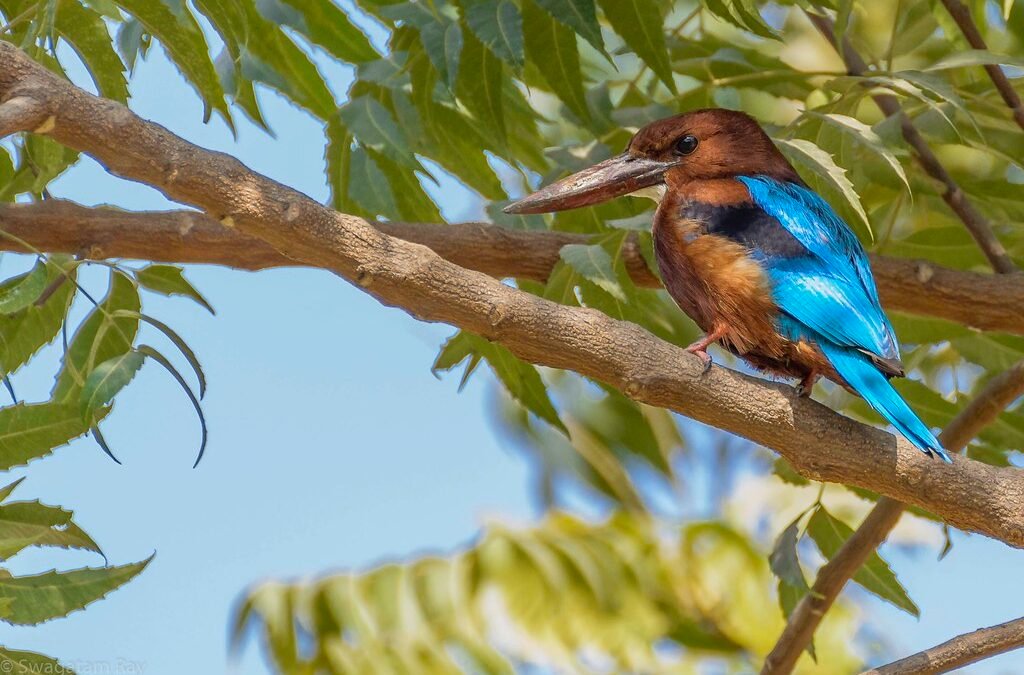
Uganda is home to iconic species that attract birdwatchers from every continent. Among the most sought-after birds is the prehistoric-looking Shoebill, often regarded as one of Africa’s ultimate birding prizes. Other remarkable species include the Green-breasted Pitta, African Green Broadbill, Great Blue Turaco, Fox’s Weaver, and many colorful kingfishers, bee-eaters, hornbills, barbets, sunbirds, and turacos. Many birders spend years planning a Ugandan safari because several of these species are difficult or impossible to find elsewhere.
Birders Love Uganda Because Every Habitat Offers New Species
One of Uganda’s greatest strengths is its remarkable habitat diversity. Every ecosystem introduces visitors to different bird communities, making each day of a birding safari unique. Dense tropical forests shelter elusive forest birds, while expansive wetlands provide ideal conditions for waterbirds. Open savannahs host ground birds, bustards, and raptors, whereas mountain forests reveal high-altitude endemic species.
This habitat variety means birdwatchers rarely experience repetitive sightings. Instead, every transfer between destinations presents opportunities to discover entirely new species. Consequently, birding itineraries remain exciting throughout the journey, regardless of duration.
Tropical Forests
Uganda’s tropical forests rank among Africa’s richest bird habitats. Ancient rainforests such as Bwindi Impenetrable National Park, Kibale National Park, and Budongo Forest Reserve support numerous Albertine Rift endemics alongside colorful forest species. Skilled guides help visitors locate secretive birds that would otherwise remain hidden within thick vegetation.
Wetlands and Swamps
Uganda’s wetlands are internationally recognized for their ecological importance. Extensive papyrus swamps provide refuge for several rare species, including the famous Shoebill. Wetlands around Mabamba Swamp consistently rank among Africa’s best locations for observing this remarkable bird. Visitors also encounter papyrus specialists, herons, storks, jacanas, and many migratory birds.
Savannah Landscapes
Uganda’s open grasslands introduce birders to a completely different collection of species. Parks such as Queen Elizabeth National Park, Murchison Falls National Park, and Lake Mburo National Park offer excellent opportunities to observe eagles, vultures, secretary birds, lapwings, rollers, hornbills, and colorful bee-eaters alongside large mammals.
Why Birders Love Uganda Throughout the Entire Year
Unlike many safari destinations, Uganda provides outstanding birdwatching during every season. Resident species remain visible year-round, while migratory birds arrive between September and April, increasing overall diversity. This seasonal overlap creates exceptional opportunities for birders regardless of their travel dates.
Rainfall patterns also differ across regions, allowing birdwatchers to plan flexible itineraries throughout the year. Breeding seasons bring vibrant plumage, active courtship displays, and increased bird activity. Consequently, photographers often capture spectacular images during these periods.
Professional guides from Tavira Africa Safaris understand seasonal bird movements and habitat changes. Their local knowledge significantly increases the chances of locating target species while optimizing each day’s birding experience.
Uganda Combines Birding with Extraordinary Wildlife Experiences
Birdwatching in Uganda extends far beyond identifying bird species. Travelers can combine birding with some of Africa’s most celebrated wildlife adventures. During the same holiday, visitors may track endangered mountain gorillas, observe wild chimpanzees, enjoy boat safaris, encounter the Big Five, explore volcanic landscapes, and experience authentic cultural traditions.
This remarkable combination distinguishes Uganda from many dedicated birding destinations. Birdwatchers often enjoy unforgettable encounters with elephants, lions, buffaloes, giraffes, hippos, crocodiles, and numerous primates between birding sessions. Therefore, every safari becomes a comprehensive wildlife adventure rather than a single-interest vacation.
Top Birding Destinations That Explain Why Birders Love Uganda
Several protected areas consistently impress international birdwatchers with their outstanding species diversity and scenic beauty.
Bwindi Impenetrable National Park
Besides protecting endangered mountain gorillas, Bwindi hosts more than 350 bird species, including many Albertine Rift endemics. Birders frequently visit specifically to search for species unavailable elsewhere in East Africa.
Murchison Falls National Park
Uganda’s largest national park offers an impressive mix of riverine, woodland, wetland, and savannah habitats. The park provides excellent opportunities to observe the Shoebill, Goliath Heron, Abyssinian Ground Hornbill, and many impressive raptors.
Kibale National Park
Although famous for chimpanzees, Kibale also supports more than 375 recorded bird species. Forest bird enthusiasts particularly value its excellent populations of greenbuls, pittas, flycatchers, and forest warblers.
Queen Elizabeth National Park
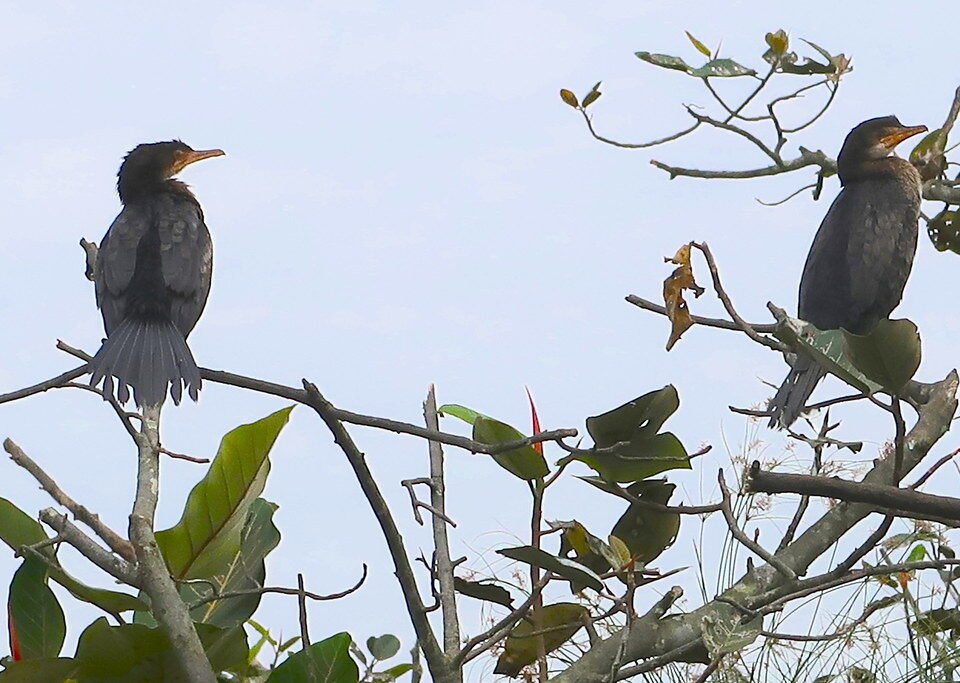
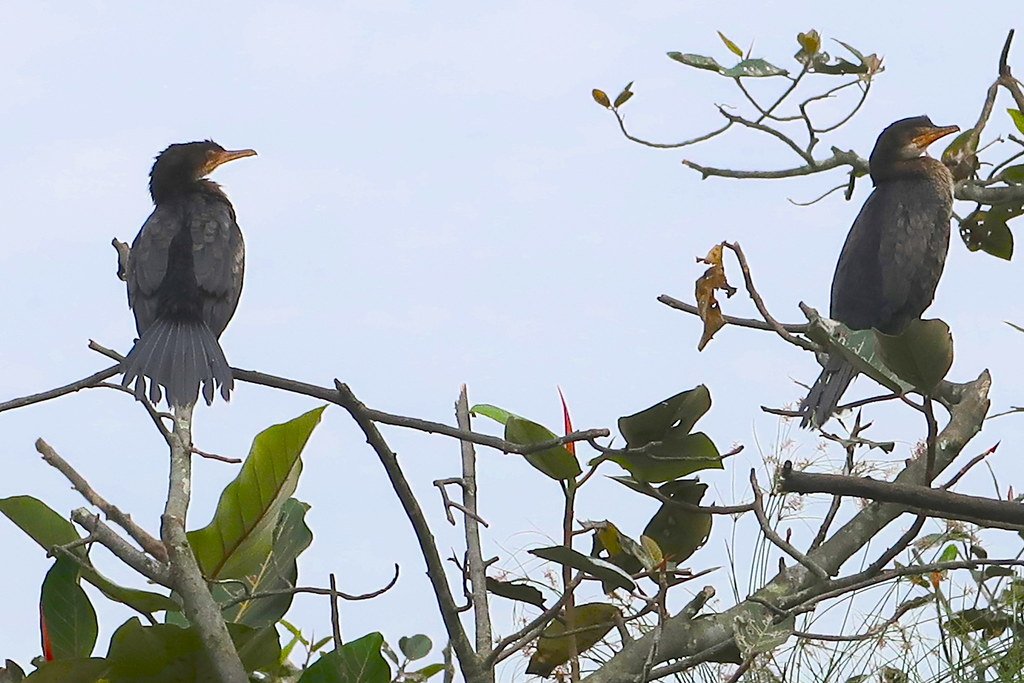
With over 600 recorded bird species, Queen Elizabeth National Park ranks among Africa’s richest protected areas for bird diversity. Boat cruises along the Kazinga Channel reveal pelicans, African skimmers, fish eagles, cormorants, kingfishers, and countless waterbirds.
Mabamba Swamp
This internationally important wetland remains Uganda’s premier location for observing the Shoebill. Canoe excursions quietly navigate through papyrus channels, allowing close yet respectful encounters with one of Africa’s most iconic birds.
Expert Birding Guides Make Uganda Even Better
Exceptional guiding significantly enhances every birdwatching safari. Uganda has developed a strong reputation for producing knowledgeable bird guides who possess remarkable identification skills. Many guides recognize birds through calls, flight patterns, habitat preferences, and subtle field markings. Their expertise allows visitors to locate elusive species efficiently while learning fascinating ecological information throughout the journey.
At Tavira Africa Safaris, experienced bird guides carefully tailor each itinerary according to guests’ interests, photography goals, target species, and available travel time. This personalized approach increases both satisfaction and successful bird sightings.
Why Birders Love Uganda for Photography
Uganda provides extraordinary opportunities for wildlife photographers. Many birding locations offer excellent lighting, natural backgrounds, accessible viewing points, and close observation distances. Forest birds, colorful bee-eaters, kingfishers, hornbills, sunbirds, and raptors create endless photographic opportunities throughout the safari.
Boat excursions further enhance photography by offering stable viewing angles for waterbirds. Additionally, Uganda’s scenic landscapes provide spectacular backgrounds that complement bird portraits with dramatic natural settings.
Conservation Efforts Continue to Protect Uganda’s Birdlife
Uganda actively supports bird conservation through protected areas, wetland restoration, community tourism, research programs, and responsible wildlife management. National parks, forest reserves, and Ramsar wetlands safeguard essential habitats while encouraging sustainable tourism. Revenue generated through birdwatching also benefits local communities, creating incentives for long-term conservation.
Responsible tour operators such as Tavira Africa Safaris promote ethical birdwatching practices that minimize disturbance while supporting local conservation initiatives. Every safari therefore contributes to preserving Uganda’s extraordinary natural heritage for future generations.
Final Thoughts on Why Birders Love Uganda
There are countless reasons why Birders Love Uganda. The country combines exceptional species diversity, varied habitats, knowledgeable guides, breathtaking scenery, and unforgettable wildlife encounters within one accessible destination. From the elusive Shoebill to colorful forest specialists and soaring raptors, Uganda offers remarkable birdwatching opportunities throughout the year. Even better, visitors can enrich their journey with gorilla trekking, chimpanzee tracking, cultural encounters, and classic African safaris. Whether you are an experienced birder pursuing rare lifers or a beginner discovering birdwatching for the first time, Uganda promises an unforgettable adventure. With expertly designed itineraries from Tavira Africa Safaris, every birding expedition becomes an immersive journey into one of Africa’s richest and most rewarding natural destinations.