Why Is Gorilla Trekking So Expensive?
One of the most common questions travelers ask before planning a gorilla safari is, “why is gorilla trekking so expensive?” At first glance, the cost of a gorilla trekking permit may seem high compared to many other wildlife experiences. However, a closer look reveals that the price reflects far more than a simple sightseeing activity. Gorilla trekking is one of the most exclusive wildlife encounters on Earth. It combines conservation, adventure, education, and community development into a single unforgettable experience. Unlike traditional safaris, gorilla trekking allows visitors to spend precious time with endangered mountain gorillas in their natural habitat. For many travelers, that rare opportunity alone justifies the investment.
Mountain gorillas live in only a few protected forests across East Africa. These forests include Bwindi Impenetrable National Park and Mgahinga Gorilla National Park in Uganda, Volcanoes National Park in Rwanda, and Virunga National Park in the Democratic Republic of Congo. Since the population remains limited, governments and conservation organizations carefully manage tourism to ensure the long-term survival of these incredible primates. As a result, permit fees support conservation programs, ranger patrols, veterinary care, habitat protection, and local community initiatives. Therefore, when you travel with Tavira Africa Safaris, you are not simply purchasing a permit. Instead, you are contributing directly to one of the world’s greatest conservation success stories.
Why Is Gorilla Trekking So Expensive? Understanding the Real Cost
Many people wonder why is gorilla trekking so expensive when compared to other safari activities. The answer lies in the complexity of protecting mountain gorillas and managing sustainable tourism. Unlike game drives, which can accommodate many visitors at once, gorilla trekking follows strict conservation guidelines. Authorities limit the number of tourists who can visit each gorilla family every day. This approach minimizes human impact and reduces the risk of disease transmission.
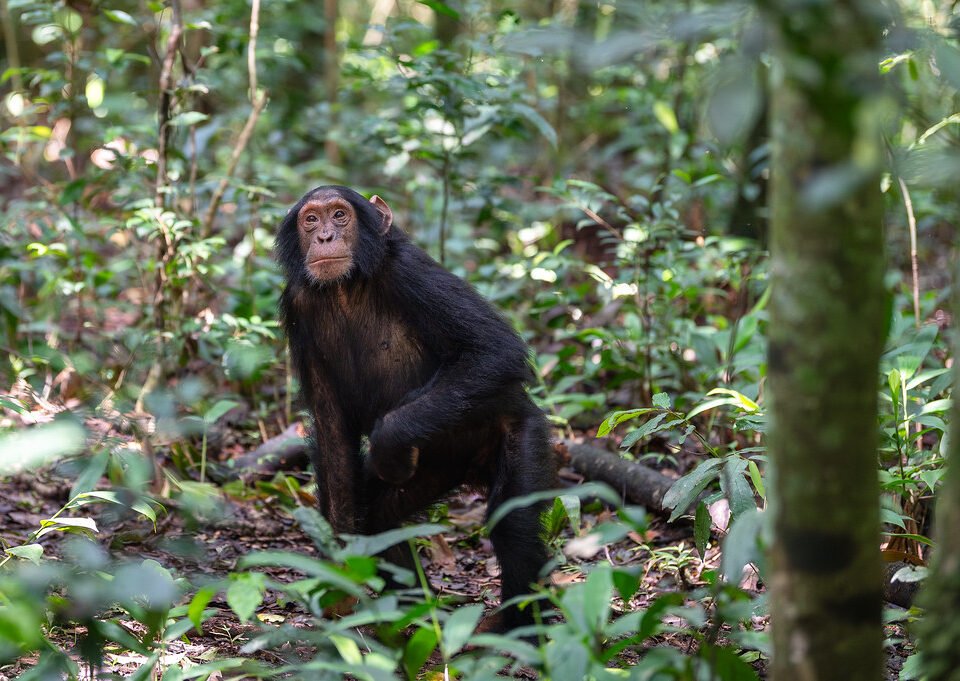
In addition, mountain gorillas share approximately 98 percent of their DNA with humans. Because of this close genetic relationship, they can easily contract human illnesses. Conservation authorities must therefore enforce strict health and safety regulations. These measures require significant resources and ongoing investment. Consequently, permit fees help fund these critical conservation efforts while maintaining a safe environment for both gorillas and visitors.
Why Is Gorilla Trekking So Expensive? Conservation Comes First
The biggest reason behind the cost of gorilla trekking is conservation. Without tourism revenue, protecting mountain gorillas would become much more difficult. For decades, conservation organizations, governments, researchers, and local communities have worked together to save mountain gorillas from extinction. Their efforts require consistent funding, which largely comes from gorilla trekking permits.
Rangers patrol protected forests daily to prevent poaching and illegal activities. Veterinary teams monitor gorilla health and provide emergency treatment when necessary. Researchers collect valuable data that helps conservationists understand gorilla behavior and habitat needs. At the same time, park authorities maintain trails, visitor facilities, and monitoring systems that support sustainable tourism. All these activities depend on funding generated through gorilla tourism.
Today, mountain gorilla populations have increased significantly compared to previous decades. This achievement stands as one of the world’s greatest wildlife conservation successes. Therefore, every visitor who books a gorilla safari through Tavira Africa Safaris contributes directly to preserving these remarkable animals for future generations.
Permit Fees and Why Is Gorilla Trekking So Expensive?
Gorilla permits represent the largest portion of trekking costs. Many travelers focus on the permit price without understanding what it supports. In reality, permit fees fund a wide range of conservation and community initiatives that make gorilla trekking possible.
A portion of permit revenue supports national park operations and conservation management. Another portion goes directly to communities living near gorilla habitats. These funds help build schools, health centers, water projects, and other community facilities. As a result, local residents benefit from wildlife conservation and tourism. This creates a strong incentive to protect gorillas and their habitats rather than exploit forest resources.
Moreover, permits help regulate visitor numbers. Since only a limited number of permits are available each day, authorities can maintain high conservation standards while providing an exceptional visitor experience. This balance between conservation and tourism remains essential to the long-term survival of mountain gorillas.
The Exclusive Experience Behind the Cost
Another reason why is gorilla trekking so expensive relates to the exclusivity of the experience. Each habituated gorilla family receives only a small number of visitors per day. This limitation protects the animals while creating a more intimate encounter for travelers.
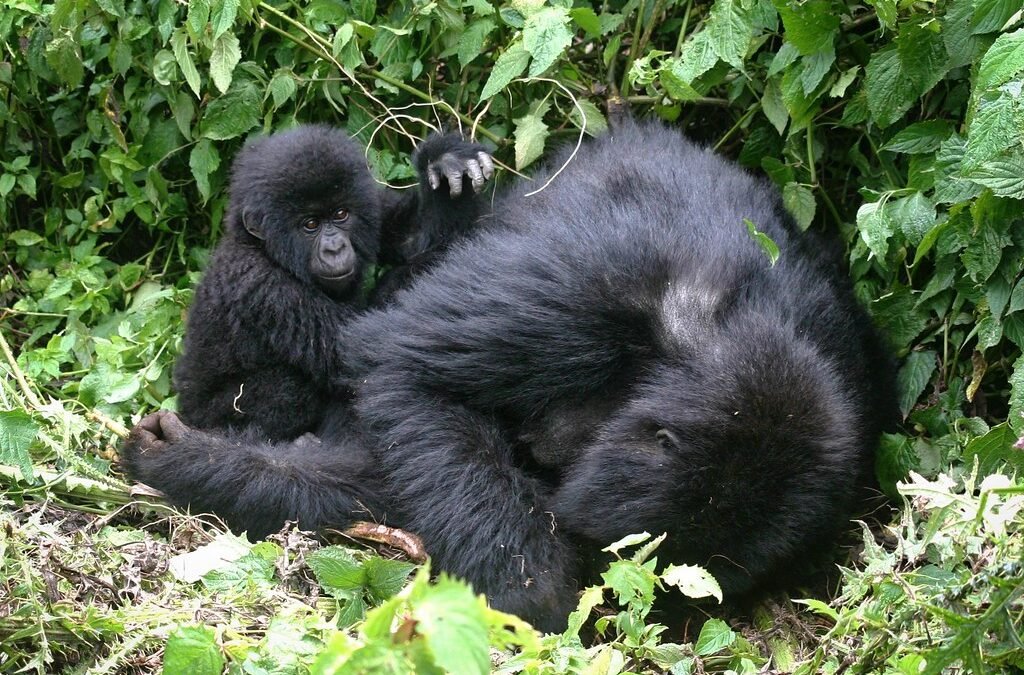
Unlike crowded tourist attractions, gorilla trekking offers a personal and immersive wildlife experience. Visitors often spend hours hiking through dense forests before finally locating a gorilla family. Once they arrive, they spend a magical hour observing gorillas as they feed, groom, rest, and interact with one another. This close encounter creates memories that last a lifetime.
Professional Guides and Rangers Add Value
Every gorilla trek includes highly trained guides and armed rangers who accompany visitors throughout the journey. These professionals possess extensive knowledge of gorilla behavior, forest ecology, conservation efforts, and local culture. Their expertise enriches the experience while ensuring visitor safety.
Guides also communicate with gorilla trackers who locate gorilla families before tourists begin their trek. This coordinated effort requires a skilled workforce dedicated to delivering safe and successful gorilla encounters. Therefore, a portion of the trekking cost supports these essential personnel and services.
Community Benefits Make Gorilla Trekking Worth the Cost
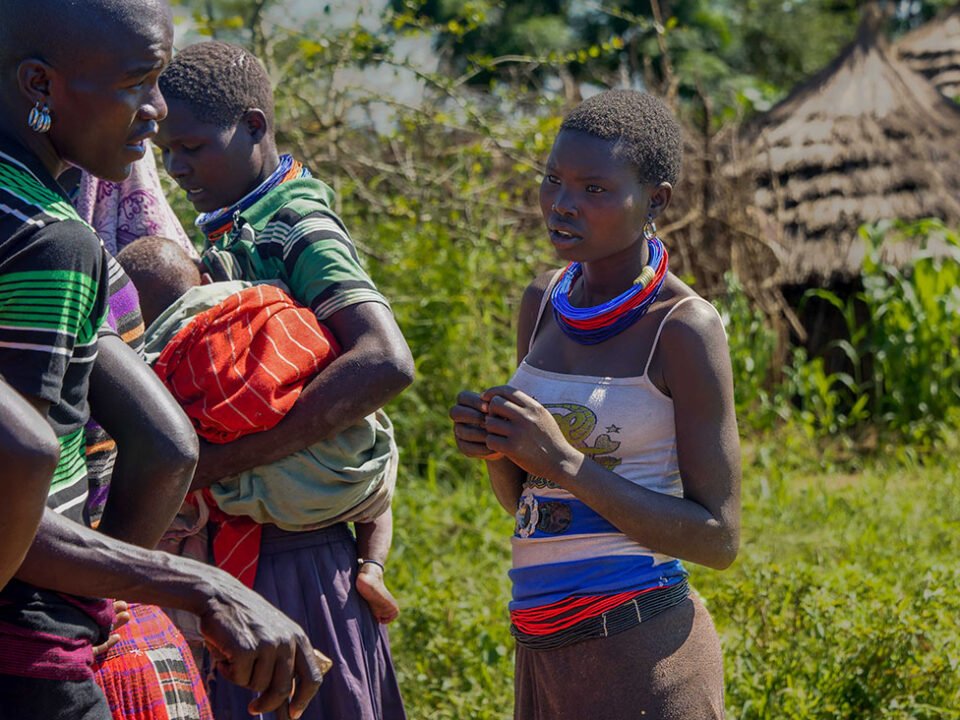
Many travelers do not realize how much local communities benefit from gorilla tourism. Revenue generated through gorilla permits supports thousands of jobs across East Africa. Lodges, transportation companies, restaurants, guides, porters, artisans, and local businesses all benefit from visitor spending.
In addition, governments allocate a percentage of tourism revenue to community development projects. These initiatives improve healthcare, education, clean water access, and infrastructure in rural areas. Consequently, local communities become active partners in conservation efforts. This partnership plays a crucial role in protecting mountain gorillas and reducing human-wildlife conflict.
Tavira Africa Safaris proudly promotes responsible tourism that benefits both wildlife and local communities. By choosing sustainable travel experiences, visitors help create long-term economic opportunities while supporting conservation goals.
Why the Experience Offers Exceptional Value
Although gorilla trekking requires a significant investment, many travelers consider it one of the most rewarding experiences of their lives. Few wildlife encounters allow such close interaction with animals that share so much of our genetic makeup. Watching a silverback protect his family or observing young gorillas at play creates a powerful emotional connection.
Furthermore, the journey itself adds excitement to the experience. Trekkers hike through ancient rainforests filled with birds, butterflies, and unique plant species. The anticipation builds with every step until the moment they finally encounter a gorilla family. This combination of adventure, wildlife, and conservation creates an experience unlike any other.
Many travelers return home with a renewed appreciation for nature and wildlife conservation. As a result, the value of gorilla trekking extends far beyond the one-hour encounter with gorillas.
Why Is Gorilla Trekking So Expensive Yet So Popular?
Despite the cost, demand for gorilla trekking continues to grow every year. Travelers from around the world willingly invest in this experience because they understand its uniqueness. Mountain gorillas exist in only a few locations on Earth, making the opportunity incredibly rare.
In addition, many visitors appreciate knowing that their money supports conservation and community development. Rather than simply paying for entertainment, they contribute to a meaningful cause. This sense of purpose adds significant value to the overall experience.
When combined with stunning landscapes, professional guiding services, and unforgettable wildlife encounters, it becomes clear why gorilla trekking remains one of Africa’s most sought-after adventures.
Conclusion
So, why is gorilla trekking so expensive? The answer lies in conservation, exclusivity, community support, professional expertise, and the extraordinary nature of the experience itself. Every permit helps protect endangered mountain gorillas, preserve critical habitats, support local communities, and maintain sustainable tourism practices.
Instead of viewing the cost as an expense, travelers should see it as an investment in one of the world’s most remarkable wildlife experiences. The opportunity to stand face-to-face with a mountain gorilla in its natural habitat is both humbling and unforgettable. For those seeking adventure, conservation, and lifelong memories, gorilla trekking deserves a place at the very top of their travel bucket list.
With Tavira Africa Safaris, you can experience this once-in-a-lifetime journey while supporting responsible tourism and conservation efforts across East Africa.