
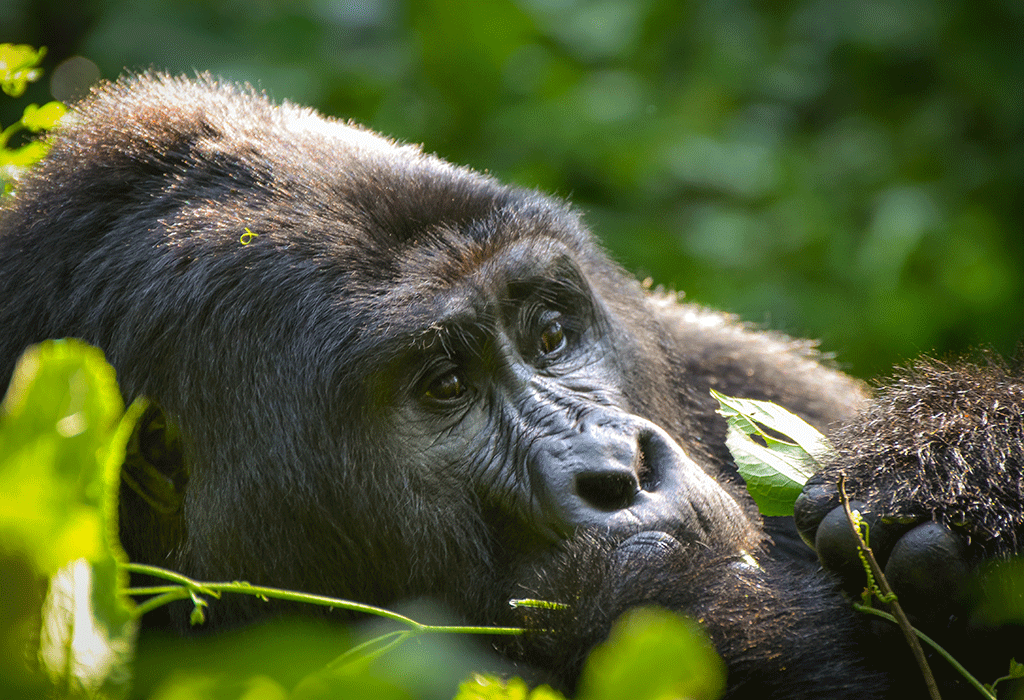
Is Gorilla Trekking Safe During Ebola?
Many travelers planning a safari in Uganda often ask an important question when they hear news about disease outbreaks: is gorilla trekking safe during Ebola? This concern is understandable. Gorilla trekking is a once-in-a-lifetime wildlife experience, and visitors want to feel confident about their safety.
Recent international news has reported an Ebola outbreak linked mainly to the eastern region of the Democratic Republic of Congo (DRC). Health authorities say most suspected cases and deaths have occurred there, especially in Ituri Province.
Uganda has reported a very small number of imported cases linked to travelers from Congo, but officials have not identified local community transmission in the country.
Because of this, tourism authorities continue to reassure travelers that Uganda remains open and safe for visitors. Safari companies such as Tavira Africa Safaris continue to organize gorilla trekking experiences while following strict health guidelines.
Gorilla Trekking Safety During Ebola in Uganda
When travelers ask about gorilla trekking safety during Ebola, it is important to understand where the outbreak is happening. According to health agencies, the current Ebola outbreak is centered in eastern Democratic Republic of Congo, where hundreds of suspected cases have been reported.
Uganda has recorded only a few imported cases from people who traveled from Congo, and authorities immediately placed them under medical supervision.
Uganda’s tourism destinations are far from the outbreak zones in Congo. Gorilla trekking mainly takes place in
Bwindi Impenetrable National Park
Mgahinga Gorilla National Park
These parks are protected areas managed by the Uganda Wildlife Authority, where visitor activities are carefully controlled.
For travelers visiting Uganda through companies like Tavira Africa Safaris, safaris follow organized routes with professional guides and regulated park entry procedures.
Understanding Ebola and How It Spreads
Understanding how Ebola spreads also helps explain gorilla trekking safety during Ebola.
Ebola Virus Disease spreads through direct contact with the bodily fluids of an infected person or contaminated objects, not through the air.
This means travelers cannot catch Ebola simply by visiting a national park or taking part in a safari activity.
Transmission usually occurs in close contact situations such as caring for infected patients or handling contaminated materials. Because safari travelers spend most of their time in remote wilderness areas with guides and small groups, the risk to tourists remains extremely low.
Why Uganda’s Safari Parks Remain Safe
Another reason many travelers feel confident about gorilla trekking safety during Ebola is the location of Uganda’s wildlife destinations.
Uganda’s famous safari parks are located in remote conservation areas far from the regions in Congo where the outbreak began. Health authorities also monitor borders and screen travelers entering the country.
Tourism authorities have emphasized that Uganda remains open and safe for tourism, and that the few cases reported in the country were linked to cross-border travel rather than local transmission.
For visitors traveling with Tavira Africa Safaris, safaris are organized directly from Entebbe International Airport to national parks using guided transport. This structured travel route further reduces potential exposure.
Health Rules That Protect Gorilla Trekking Visitors
Even before Ebola concerns, gorilla trekking already followed strict health guidelines. These rules help protect both tourists and the endangered mountain gorillas.
Visitors must keep a distance of about seven meters from the gorillas during the trek. Rangers also monitor visitors for illness before allowing them to participate.
Groups are small and always guided by trained rangers from the Uganda Wildlife Authority. These measures reduce the risk of spreading diseases between humans and wildlife.
Because these rules already exist, gorilla trekking in parks like Bwindi Impenetrable National Park continues to operate under controlled and safe conditions.
Travel Advice for Tourists Planning Gorilla Trekking
Travelers who want to understand gorilla trekking safety during Ebola should rely on official information rather than rumors or social media headlines.
Health authorities, the World Health Organization, and Uganda’s Ministry of Health monitor the situation closely and provide regular updates.
Tourists should also book their safari with experienced local companies. Operators such as Tavira Africa Safaris help travelers stay informed about health updates, travel requirements, and safety measures.
Simple precautions such as hand hygiene, following park guidelines, and traveling with professional guides help ensure a safe safari experience.
Final Thoughts: Gorilla Trekking Safety During Ebola
So, is gorilla trekking safe during Ebola in Uganda? Based on current information, the answer remains largely yes for travelers visiting safari destinations.
The current outbreak is mainly concentrated in eastern Democratic Republic of Congo, while Uganda has reported only a small number of imported cases linked to cross-border travel.
Uganda’s national parks, including Bwindi Impenetrable National Park and Mgahinga Gorilla National Park, continue to operate under strict wildlife and health management systems.
Travelers who plan their safari with trusted companies like Tavira Africa Safaris can still enjoy one of the world’s most extraordinary wildlife experiences while staying informed and safe.