
Gishwati-Mukura National Park
GISHWATI-MUKURA NATIONAL PARK
Gishwati-Mukura National Park was established in 2015 to address the negative impacts of illegal mining and encroachment. The goal was to restore the environment by planting trees to improve soil fertility, stabilize slopes, and regulate stream flow. As Rwanda’s fourth national park, it consists of two forests: the larger Gishwati and the smaller Mukura, covering a total of 34 square kilometres, excluding the buffer zone. These forests lie in Rwanda’s western region along the Albertine Rift, which separates the Congo Nile water catchment basins. The park is home to chimpanzees, golden monkeys, L’Hoest’s monkeys, and blue monkeys. Gishwati has 232 bird species, while Mukura hosts 163, including rare and endemic species of the Albertine Rift.
Rwanda’s newest national park serves as a conservation model for great apes. In 2008, only 13 chimpanzees remained, but conservation efforts increased their number by 46 per cent to 19 in 2011. Today, about 30 chimpanzees live in the forest. These efforts could help great apes worldwide. The Gishwati forest supports thousands of Rwandans by maintaining soil fertility and biodiversity. Its rich ecosystem has the potential to attract eco-tourists, which could benefit Rwanda’s economy in the long term.
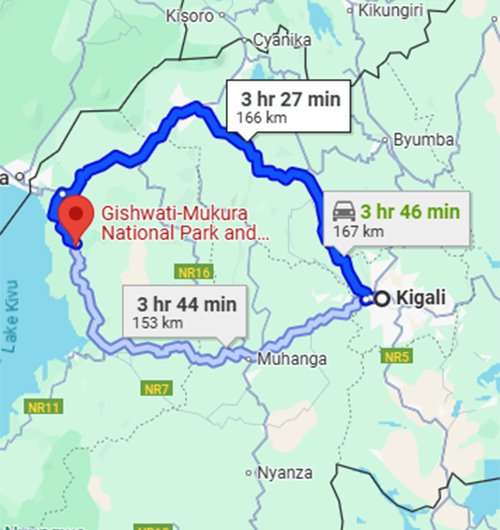
Attractions & Activities in Gishwati-Mukura
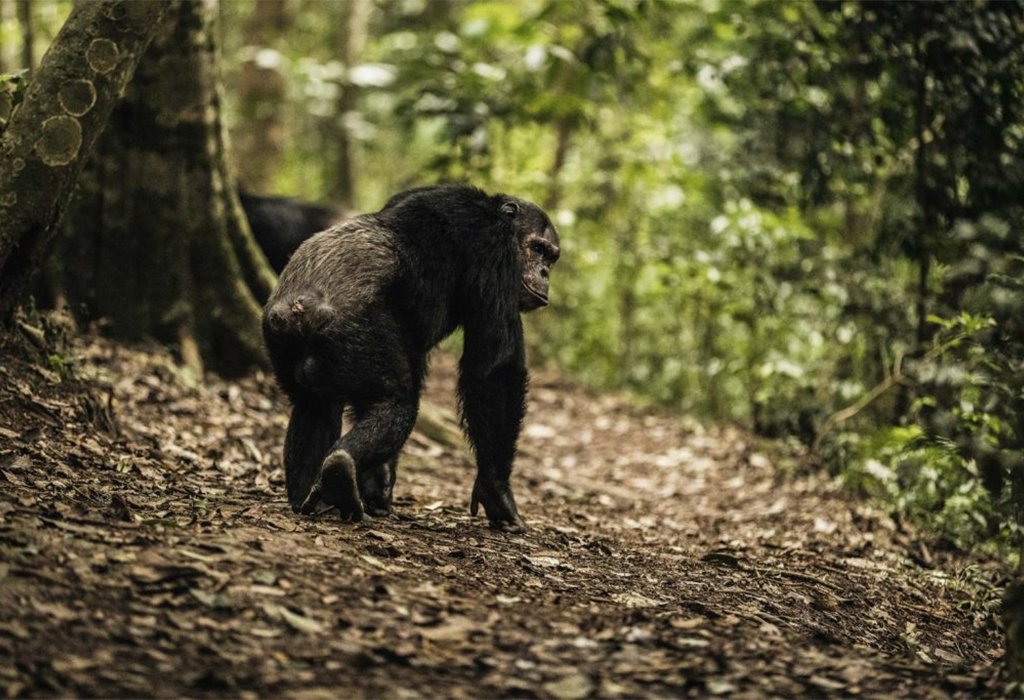
Chimpanzee Tracking
Chimpanzee trekking is the main attraction in Gishwati Forest. Visitors also have the chance to see golden monkeys, serval cats, and other wildlife. The best way to experience chimpanzee trekking here is by staying at the Forest of Hope Guest House. Opened in 2020, this guest house provides convenient access to the trekking routes, which begin early in the morning. Gishwati Forest is home to over 20 chimpanzees. However, unlike those in Nyungwe or Cyamudongo Forest, these chimps are not habituated to humans. This makes tracking them more challenging, but it also provides a more authentic and thrilling experience.
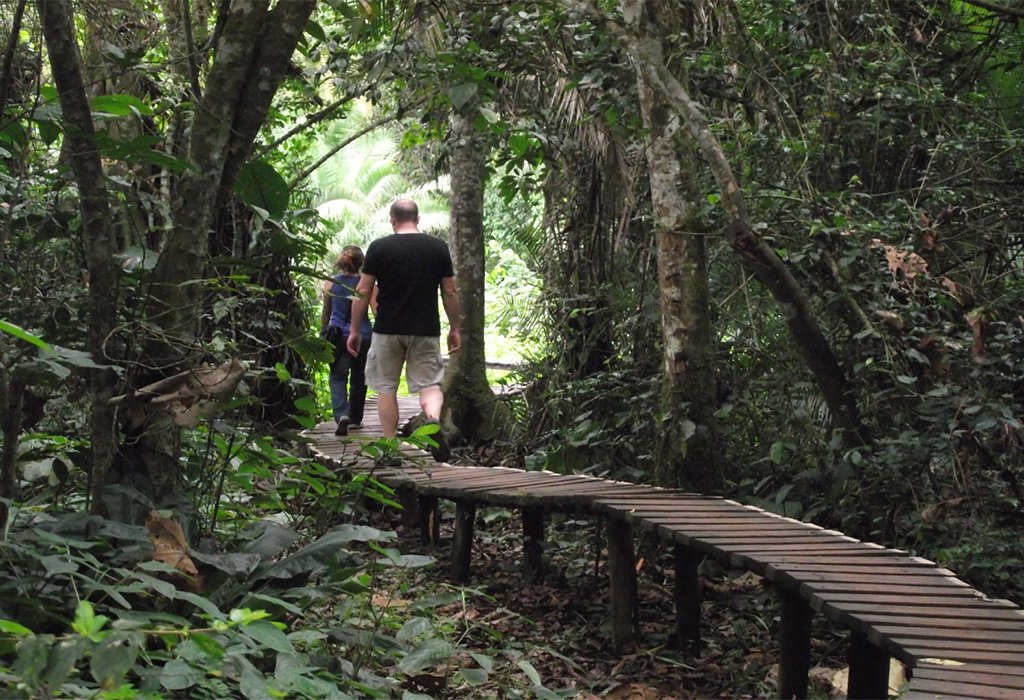
Forest Walks
Gishwati Forest offers three scenic hiking trails. The Umushwati Trail is an 8-kilometre path that cuts through the forest, allowing hikers to explore the lush vegetation and diverse wildlife. Near the Forest of Hope Guest House, adventurers can start the 7-kilometre Waterfall Route, which leads to a beautiful cascade. The Matyazo Hill Trail, a 3-kilometre loop, can be combined with the Umushwati Trail. This route takes visitors to the highest point of the park at 2,469 metres, offering breathtaking panoramic views. These trails provide a perfect opportunity to enjoy nature and discover the forest’s beauty.