
Kidepo Valley National Park
KIDEPO VALLEY NATIONAL PARK
Kidepo Valley National Park is one of Uganda’s most remote and spectacular safari destinations, offering an authentic wilderness experience in the far northeast of the country. Originally established as a game reserve, it was later upgraded to a national park in 1962 and now covers an impressive 1,442 km² of pristine savannah, rugged mountains, and vast open plains. The park lies between 914m and 2,750m above sea level and is widely regarded as one of East Africa’s last true wilderness areas.
Kidepo features dramatic landscapes that stretch endlessly toward distant mountain ranges, creating some of the most scenic safari views in Uganda. The park is defined by two seasonal river systems, the Kidepo and Narus Rivers, which only flow after heavy rains. During the dry season, wildlife depends heavily on permanent waterholes in the Narus Valley, making it the best area for game viewing. This valley, especially around Apoka, is the main hub for tourism activities, accommodation, and safari exploration.
Wildlife in Kidepo is both diverse and abundant, with large populations of lions, elephants, buffaloes, giraffes, zebras, and numerous antelope species. The park is also rich in birdlife, making it a rewarding destination for birdwatchers. Its remote location near the borders of Kenya and South Sudan, within the Karamoja region, adds to its untouched and exclusive safari feel.
Surrounding the park are traditional pastoralist communities living in manyattas, offering cultural encounters that complement the wildlife experience. Kidepo Valley National Park is therefore a unique combination of dramatic scenery, rich biodiversity, and cultural heritage, making it one of Uganda’s most rewarding safari destinations.
Attractions & Activities in Kidepo
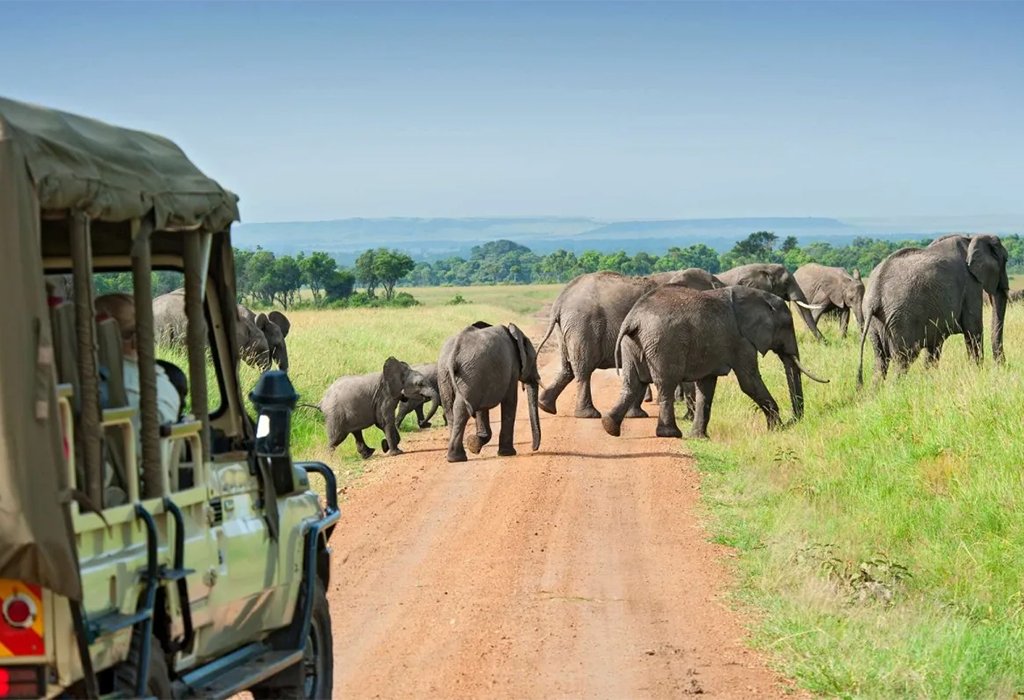
Game Drives
The Kidepo Valley within Kidepo Valley National Park offers some of the most dramatic and untouched scenery in Uganda, even though it hosts fewer large mammals compared to the wildlife-rich Narus Valley. A scenic 30km drive from Apoka takes visitors through vast, open landscapes characterized by rugged terrain and striking wilderness views. One of the key stops along this route is Lokimorigen, the Narus–Kidepo watershed, which offers panoramic views of the towering Jebel Lotuke (2,975m) in South Sudan, highlighting the park’s transboundary ecosystem.
The journey continues toward the seasonal Kidepo River, where visitors can walk along the wide, dry sandy riverbed during the dry season. While wildlife sightings become less frequent beyond this point, the area is still known for occasional encounters with ostriches and secretary birds adapted to the harsh environment. Further along the route, the Kanangorok Hot Springs mark the remote northern boundary of the park, right near the border with South Sudan. Due to its remote and sensitive location, this excursion requires the accompaniment of an experienced ranger guide for safety and navigation. Overall, the Kidepo Valley drive offers a unique combination of solitude, scenic beauty, and raw wilderness rarely found elsewhere in East Africa.
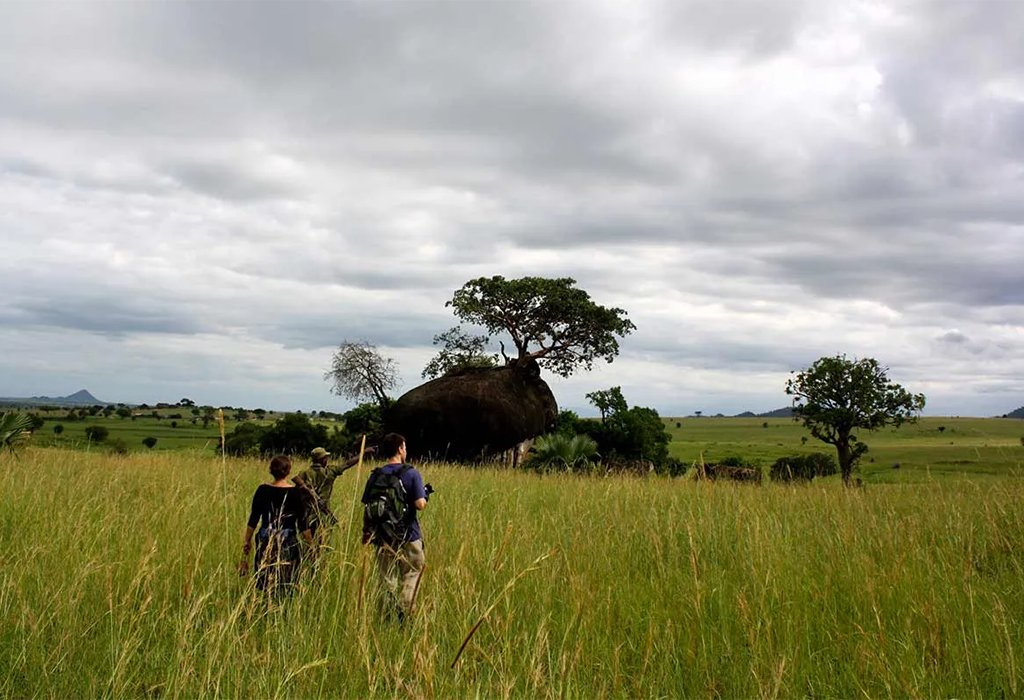
Nature Walks
Nature walks around Apoka Rest Camp in Kidepo Valley National Park offer a rewarding and intimate way to experience Uganda’s remote wilderness on foot. These guided walks provide close-up encounters with plains wildlife such as zebras, hartebeest, and reedbucks, often seen grazing peacefully in the open savannah around the camp.
For visitors seeking a longer and more immersive trekking experience, the East Kakine grasslands present excellent opportunities to observe larger wildlife species, including giraffes, buffaloes, elephants, and occasionally distant prides of lions. The open landscapes here make it easier to appreciate the scale and diversity of Kidepo’s ecosystem while enjoying uninterrupted views of the surrounding plains.
Another popular option is the 15km Rionomoe Trail located on the southern side of the Narus Valley. This trail is ideal for adventurous travelers who want to explore deeper into the park’s varied terrain, combining wildlife viewing with scenic exploration. All nature walks in Kidepo are conducted with professional ranger guides, ensuring visitor safety while offering valuable insights into the park’s flora, fauna, and ecological significance. These walking safaris provide a unique perspective of Kidepo’s untouched wilderness, making it one of Uganda’s most authentic safari experiences.
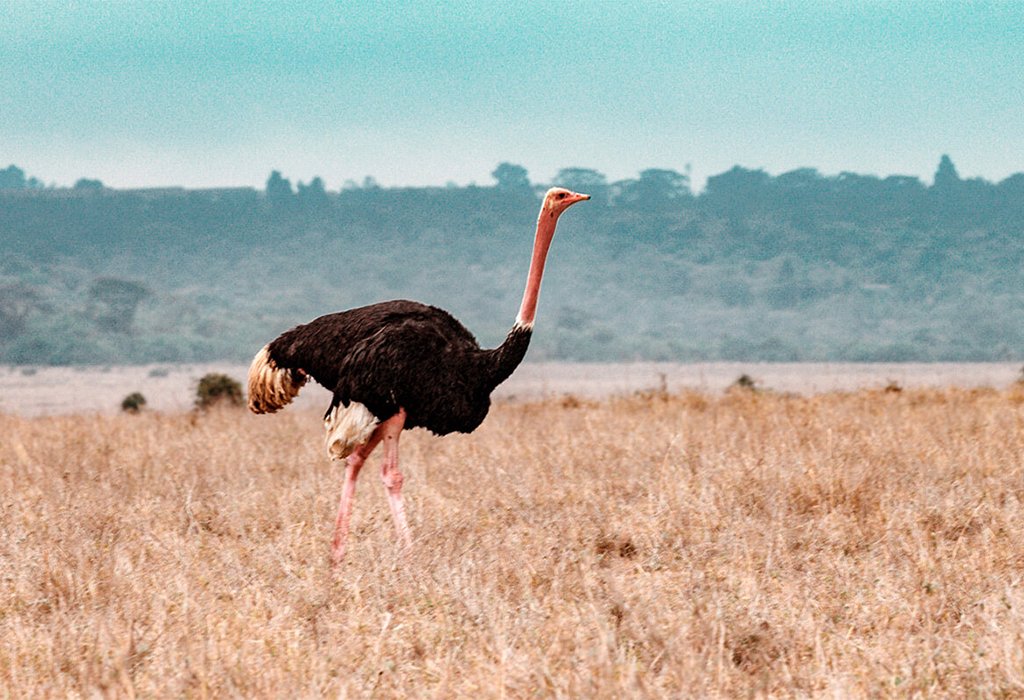
Bird Watching
Kidepo Valley National Park is one of Uganda’s most rewarding birdwatching destinations, offering a true paradise for both beginner and experienced birders. With the support of experienced ranger guides based at Apoka, visitors can easily locate and identify the park’s diverse bird species while exploring its vast wilderness.
The park’s wide range of habitats—including open savannahs, seasonal wetlands, rocky hills, and river valleys—creates ideal conditions for a rich variety of birdlife. Among the most iconic species found here is the ostrich, a rare sight in Uganda and a major highlight for visitors. Other notable species include the secretary bird, Kori bustard, and Abyssinian ground hornbill, all commonly seen across the park’s open plains.
The Narus and Kidepo Valleys are especially productive birding areas, offering excellent visibility and frequent sightings due to their open landscapes and water sources during the dry season. With over 475 recorded bird species, Kidepo provides a highly diverse and rewarding birding experience set against some of the most dramatic and untouched scenery in East Africa, making it a must-visit destination for wildlife and birding enthusiasts alike.
Cultural Visits
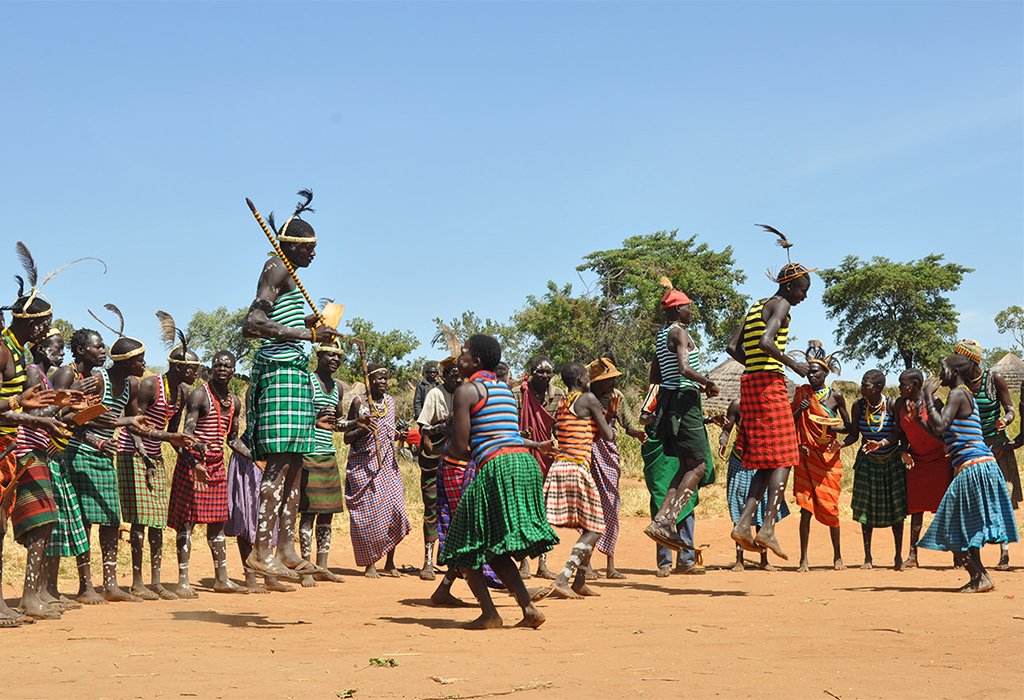
Cultural visits in Kidepo Valley National Park offer an enriching opportunity to experience the traditions and way of life of the Karamojong people, one of Uganda’s most distinctive indigenous communities. These visits typically take place in traditional manyattas (homesteads) found in areas such as Kawalakol, Lorukul, and Karenga, where visitors can gain a deeper understanding of daily life in this semi-nomadic pastoralist society.
During the experience, travelers learn about the Karamojong’s strong warrior culture, cattle-keeping traditions, and close connection to livestock, which plays a central role in their social and economic life. Visitors are welcomed with traditional dances, storytelling sessions, and folklore that reflect their rich oral heritage and cultural identity. In some cases, guests may also participate in local activities, offering a more interactive and immersive experience.
These cultural encounters not only promote meaningful cultural exchange but also support local communities by contributing to sustainable tourism. As a result, they add an authentic and educational dimension to any safari in Kidepo Valley National Park, making the journey more than just wildlife viewing, but also a discovery of Uganda’s diverse cultural heritage.